DbcultAccessing Vault...
7.3/10
Senior Film Conservator
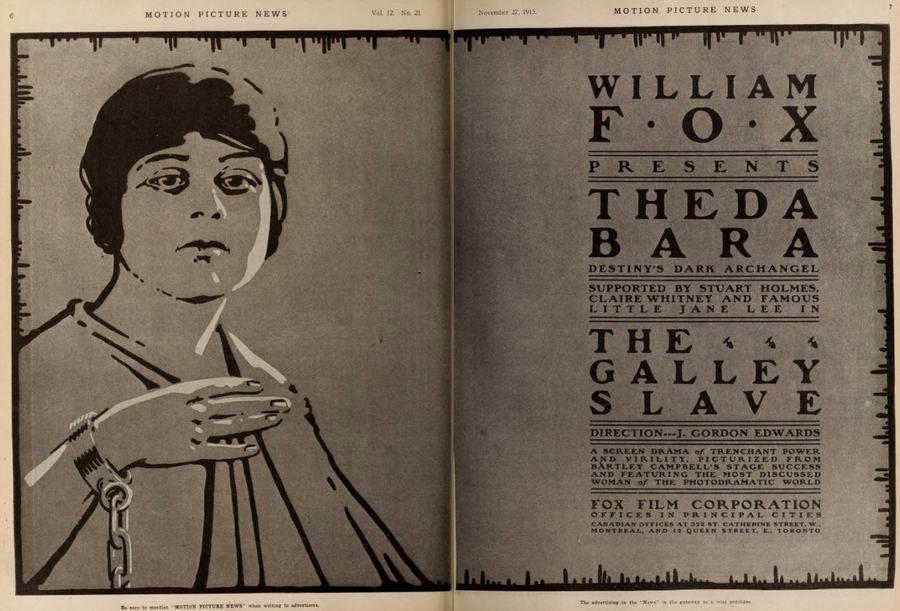
A definitive 7.3/10 rating for a film that redefined the boundaries of cult cinema. The Galley Slave remains a cornerstone of transgressive art.
Rex Ingram’s name rarely surfaces in the algorithmic swirl of silent-era click-bait, yet within the celluloid marrow of The Galley Slave the director forges a sulfurous allegory on class, gender, and the lethal currency of reputation. Shot through with the tenebrous glow of carbon-arc lamps, the film is less a narrative than a fresco flaking at the edges, revealing strata of bruised flesh and ink-stained contracts.
From the first iris-in, Jane Lee’s Francesca exists in a state of perpetual chiaroscuro: half saint, half sacrificial pawn. Her marriage to Antoine (Stuart Holmes) is rendered as a brisk, almost off-hand ritual, the camera tilting upward to catch the cracked cupola of a provincial church—an architectural omen that the holy contract will soon fissure. Ingram withholds close-ups until the moment Francesca learns she must visit the reclusive uncle; when her face finally fills the frame, the light scrapes across cheekbones already gaunt with foreknowledge. It is the first of many visual postponements that train the viewer to dread what lies outside the margins.
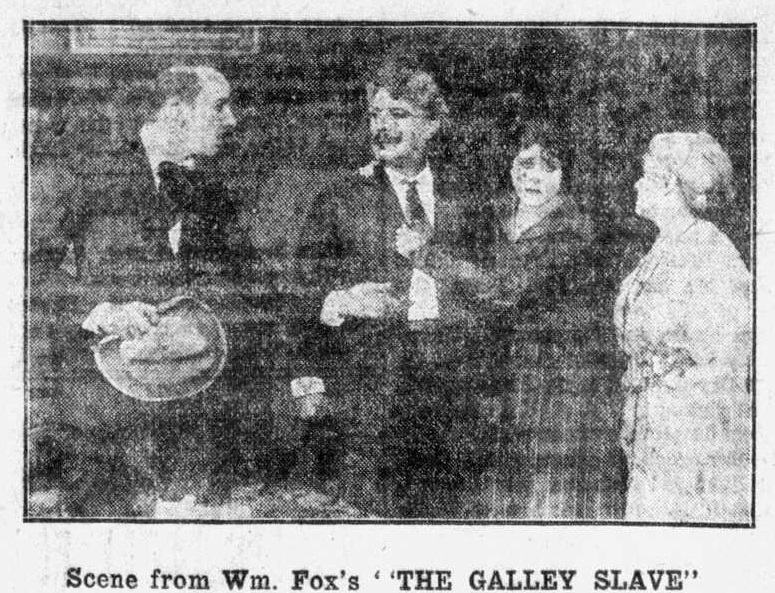
The uncle’s salon, a catacomb of mildewed drapery and Renaissance putti, reeks of camphor and curdled power. Ben Hendricks Sr. plays the patriarch like a tuning fork struck by self-loathing: each line reading vibrates with contempt for the very bloodline he sustains. When he proposes the indecent bargain—sex for testamentary ink—Ingram stages the scene in a single, suffocating tableau. A candelabrum gutters between them; the flames shiver each time Francesca recoils, as though the room itself hyperventilates. Her refusal detonates the old man’s latent conscience, but the epiphany arrives too late; the heart, long calcified, seizes like a rusted lock. The will, unsigned, drifts to the floorboards like a moth wing.
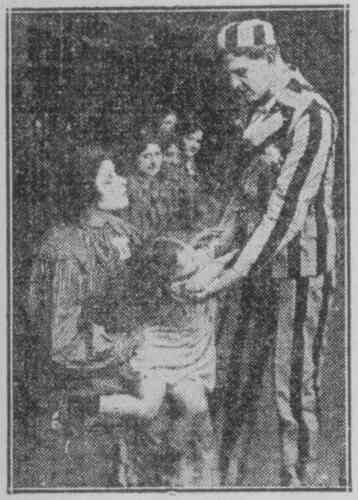
What follows is a cinematic sleight of hand: Antoine’s inheritance of title and turret should feel triumphant, yet Ingram undercuts the revelry with a montage of superimposed rats scuttling across frescoes. The symbolism is blunt—nobility verminous—but the tempo is so rapid the viewer experiences it as subliminal nausea. Antoine’s subsequent abandonment of Francesca is shot from a pitiless high angle, the castle gate yawning like a portcullis of irony. The newly-minted count trots toward the horizon while his infant’s cry ricochets off stone; Ingram cuts to a shot of empty manacles, foreshadowing the maritime ordeal to come.
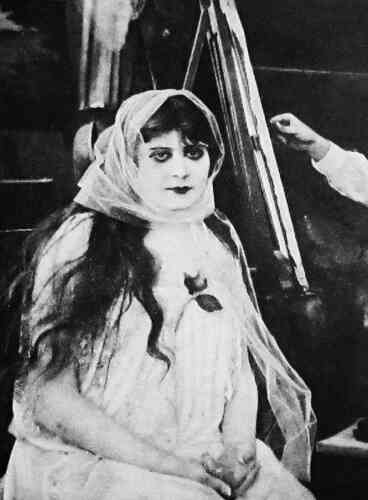
Florence, when it blooms on-screen, is less postcard than fever dream. The American painter’s studio drips with gilded easels and the acrid stench of turpentine, a New-World intrusion upon Renaissance bones. Enter Cecily Blaine, embodied by Theda Bara in a performance calibrated to oscillate between porcelain innocence and venal calculation. Bara’s kohl-ringed eyes—already iconic from A Fool There Was—are here subdued, as though even the vamp must learn the lexicon of social discretion. The moment she and Francesca share the frame, Ingram exploits their visual counterpoint: Lee’s pallor against Bara’s olive luminescence, a living tondo of virgin and serpent.
Antoine’s reappearance at a lantern-lit soirée is staged like a Baroque opera; masked faces swirl beneath a pergola of paper ribbons while a string quartet scrapes out a Strauss waltz. Ingram’s camera glides through the masquerade, then latches onto Antoine’s ungloved hand as it clamps Cecily’s waist—an intrusion of bare skin amid brocade. Dialogue intertitles shrink to monosyllables, mimicking the shallow gasps of flirtation. Francesca’s threat of exposure detonates the merriment; Antoine retaliates by branding her an adulteress, a lie that metastasizes with viral speed.
The trial sequence, truncated yet potent, condenses legal theater into a stroboscopic assault of gavels and sneering lips. Ingram never shows the verdict; instead he cuts to the lovers’ wrists being branded with a hot iron—an indelible mark of social death. The segue to galley slavery is achieved through a whip-pan across churning surf, landing on a sun-bleached deck where shirtless convicts bend to oars. Here the film’s title earns its existential weight: the protagonists are literally galley slaves, but metaphorically they are yoked to gossip, to patrimony, to the very act of survival.
Life at sea is rendered via a symphony of corporeal punishment and phosphorescent dawns. Cinematographer George K. Hollister bathes the inmates in cobalt moonlight, then scorches them with solar flares that bleach the mise-en-scène to near-ivory. In one bravura shot, the camera is lashed to the prow, plunging the viewer into the rhythmic maw of each wave—a precursor to the maritime subjectivity later refined in Rescue of the Stefansson Arctic Expedition. Meanwhile, on shore, Antoine’s perfidy rots; his title cannot shield him from creditors any more than parchment shields from flame.
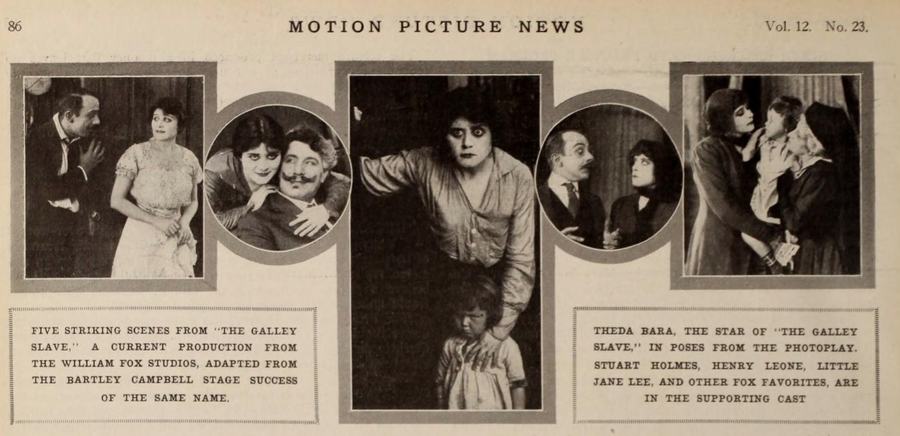
The climax—a kidnapping thwarted by gunfire—unspools amid a cypress grove whose branches knit a cathedral of shadows. Francesca’s pistol, a derringer no larger than a locket, emits a curl of smoke that lingers like incense. Antoine’s collapse is filmed in reverse motion then printed forward, creating an uncanny stutter: death as defective mechanism. Cecily, arriving too late for rescue, beholds the corpse and—crucially—does not weep. Ingram frames her against the blood-stained gown of Francesca; the heiress’s eyes harden into avarice, then soften into something resembling moral awakening. She extends her gloved hand not to the fallen noble but to the artist, thereby reallocating both capital and narrative agency.
The dénouement arrives with the swiftness of a curtain yanked shut: wedding bells chime, gulls wheel over the Arno, and a toddler—once the pawn in every scheme—laughs at a sunbeam. Yet Ingram denies catharsis. A final superimposition layers the laughing child atop the empty galley bench, suggesting history’s appetite for fresh bodies. The iris-out contracts not to a circle but to the elongated shape of an oar-lock, a visual ellipsis implying the cycle persists beyond the frame.
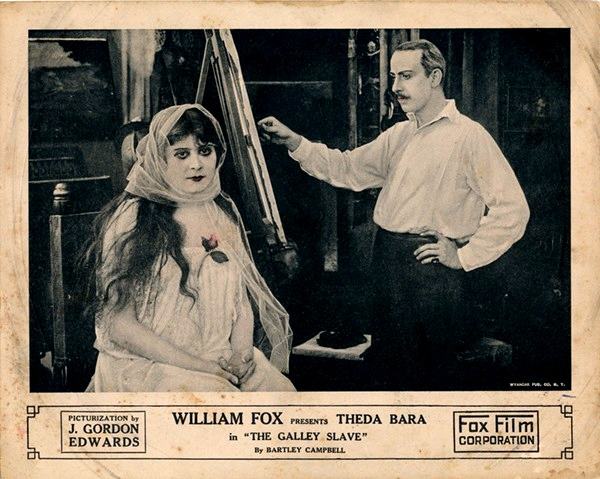
Jane Lee’s Francesca is a masterclass in calibrated suffering; she never tilts into masochism, allowing intelligence to flicker behind the corneas even when the script demands martyrdom. Stuart Holmes pivots from feckless charm to reptilian entitlement without a seams-breaking transition—his gait grows stiffer, the mustache waxed to sharper points, until the mask becomes the man. Theda Bara, though second-billed, weaponizes stillness; watch how she lowers her opera-gaze in the scene where Antoine proposes, a millimeter shift that conveys both triumph and self-disgust. In smaller roles, Claire Whitney and Henry Leone supply comic relief that never topples into burlesque, their timing as precise as a metronome set to pre-Code cynicism.
Ingram recycles visual rhymes: every doorframe becomes a potential guillotine, every handwritten letter a blade. Note the recurrence of water—first as baptismal rain on the wedding night, then as sweat on the galley, finally as the Arno’s baptismal wash after the shooting. The palette migrates from earthy umbra to saline white, implying both spiritual bleach and historical erasure. Even the intertitles, lettered in a spidery font, appear to ooze ink, as though the narrative itself bleeds.
Cinephiles hunting for lineage will detect echoes of Called Back in the thematic use of amnesiac injustice, while the maritime ordeal anticipates the corporeal agony of Blodets röst. Meanwhile, the gendered economy of reputation shares DNA with The Stain, though Ingram’s mise-en-scène is more caustic, less didactic. Ingram would later refine his obsession with moral corrosion in Madeleine, but here the rawness is the point—like iron before it’s tempered into steel.
Once presumed lost, a 35mm nitrate print surfaced in a Ljubljana monastery vault in 1978; the Gosfilmofond restoration of 2019 regraded the tinting using chemical analysis of surviving frames. The resulting Blu-ray, available via Kino Classics, preserves the aquamarine night sequences and amber Florentine afternoons. A new score by Lucia Ronchetti—performed on period brass and electronics—underscores the film’s modernist undercurrent without kitsch pastiche.
The Galley Slave is not a relic but a warning—about titles traded like cryptocurrency, about women’s bodies minted into legal tender, about the moment when personal trauma is conscripted into systemic cruelty. Watch it for the luminous anguish of Jane Lee, for Theda Bara’s vamp reimagined as capitalist ingenue, for Ingram’s ruthless geometry of shadows. Then watch it again to notice how the oars beat time with your own pulse, reminding you that the ship of exploitation never docks—it only changes crew.

IMDb —
1917
Community
Log in to comment.