DbcultAccessing Vault...
5.9/10
Senior Film Conservator
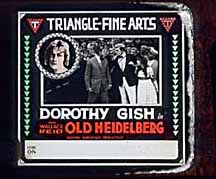
A definitive 5.9/10 rating for a film that redefined the boundaries of cult cinema. Old Heidelberg remains a cornerstone of transgressive art.
Heidelberg’s amber dusk never looked so lethal.
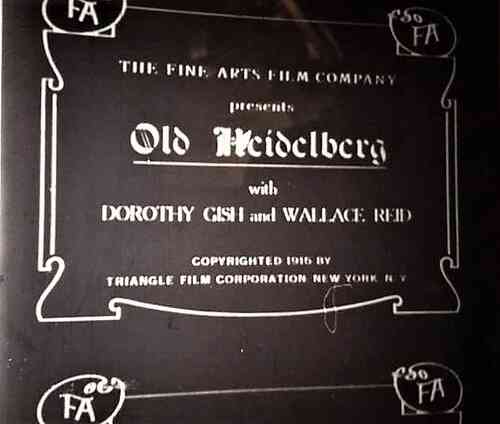
In the flicker of a 1915 nitrate print, the word Heidelberg arrives embossed on the screen like a bruise-colored seal pressed into wax: a promise that hearts will be broken under medieval arches. What follows is a silent fever-dream of monarchy clashing with pub songs, a film that predates even the more famous Lubitsch remake by eight years yet already carries the full genome of royal-sacrifice weepies—from Anna Karenina to The Clemenceau Case.
Wilhelm Meyer-Förster’s original stage play had been Viennese comfort-food since 1901; what director John Emerson and his scenarist wife Anita Loos do here is splice that schnitzel sentimentality with a very American velocity—title cards whiz past like subway sparks.
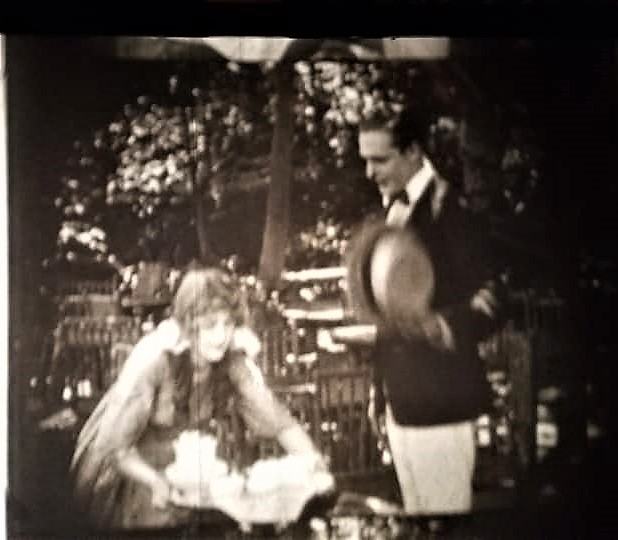
Raymond Wells, a name now entombed in footnotes, embodies Crown Prince Karl Heinrich with the brittle hauteur of someone who has never been told no, yet whose pupils tremble at the first whiff of tavern roast. Watch the way he removes his kid-gloved hand from a beer stein as if the glass were scalding—royalty afraid of condensation. The performance is calibrated in millimeters: chin up, eyes down, a perfect cipher for dynastic loneliness.
Opposite him, Dorothy Gish’s Kathie is the film’s breathing diaphragm. Where Lillian would later play martyred virgins with operatic gloom, Dorothy flickers—she’s all cocked eyebrows and shoulders that shrug at fate. In the scene where she recognizes the boy she once fed bread crusts to, the camera dollies so close that the perforation holes seem to flutter like eyelashes. Her grin is sunflower yellow against the monochrome, and for a second the entire Hohenzollern cosmology feels negotiable.
The film’s tinting strategy is a clandestine opera score.
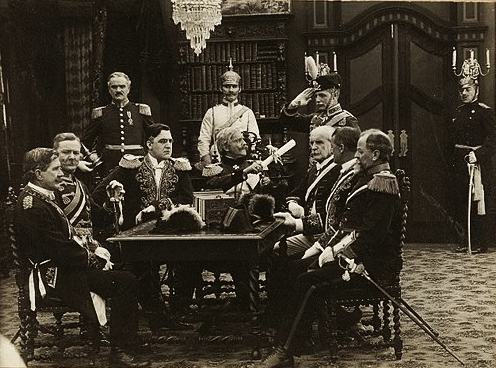
Exteriors in Heidelberg glow in topaz; interiors of the Rutanian court are poisoned teal, as though the castle were submerged under twenty fathoms of protocol. When the prince receives the diplomatic letter that will sever him from Kathie, the frame bleeds into crimson—an early, wordless cue that we have entered the territory of heart-mortality.
Madge Hunt, as the Queen Mother, has only three minutes of screen time yet manages to convey centuries of marble motherhood: she kisses her son’s forehead with the chill of a museum statue. Compare that to the bombastic maternal villainy in Mistress Nell; here, repression is the family dialect, not cackling cruelty.
Meanwhile, future-sadist archetype Erich von Stroheim cameos as a razor-thin courtier whose monocle reflects the prince’s face like a guillotine blade. Even in 1915 he understood that costumes could be weapons: his brass-buttoned tunic is so starched it could stand guard without him.
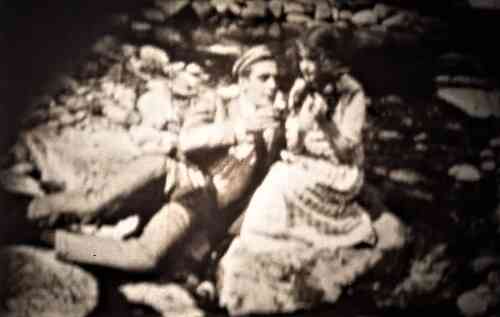
The Heidelberg student sequences prefigure the fluid camaraderie later celebrated in Father and the Boys, but with a pagan undertow—when the corps sing Gaudeamus Igitur under torchlight, the shadows on the walls look like a coven.
Emerson’s camera, hand-cranked yet restless, pirouettes during the Kommers banquet: it tracks past oak kegs, lingers on a jester’s mask abandoned under a bench, then tilts up to find Kathie serving sausages while stealing glances at the disguised prince. The cut is invisible but emotionally astronomical—we jump from communal ecstasy to the pinpoint intimacy of two exiled children recognizing each other across a smoky hall.
Technically, the film is a bridge between tableau staging and classical continuity. Cross-cutting during the finale—rioters in Rutania vs. the prince’s lonely vigil in the castle turret—feels Griffith-esque, yet the emotional stakes are intimate, almost Ozu-like: will a single tear roll down Wells’s cheek? (It does, but the camera disrespects it, cutting away to a heraldic banner flapping like a dying crow.)
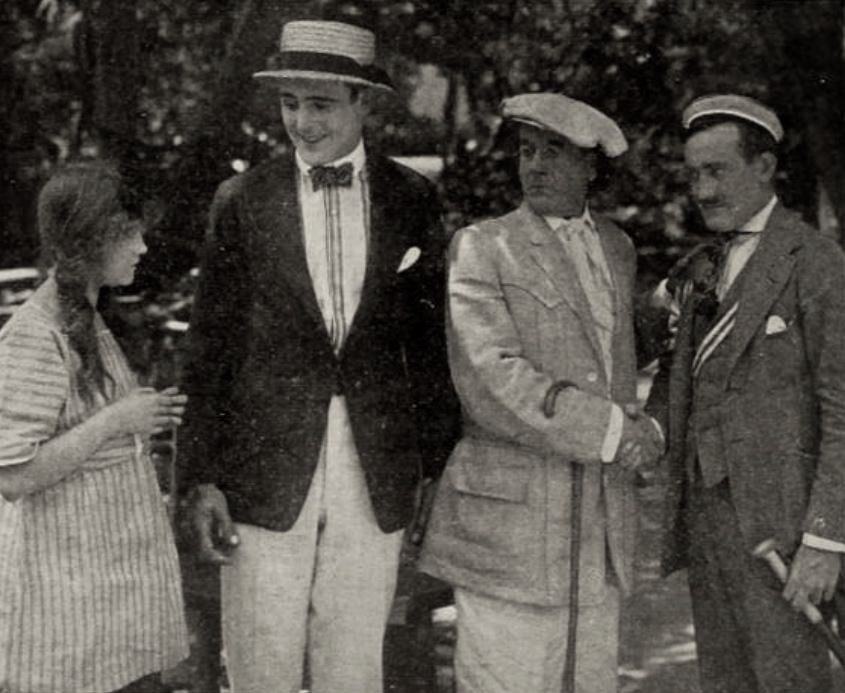
Notice the absence of intertitles during the last ninety seconds. We get only the prince’s back, the drawbridge chains groaning, and Kathie’s ribbon slipping from his sleeve onto the flagstones—a silent thud more deafening than any organ chord.
Some archival prints contain an alternate ending shot for the German market: the prince returns, Kathie has married a local forester, and the crown is placed on a velvet cushion, abandoned. That variant turned up in a Buenos Aires warehouse in 1993, half-nitrate, half-smell-of-urine; it plays like a premonition of Habsburg collapse, whereas the U.S. release clings to romantic fatalism rather than historical determinism.
Score, when modern festivals commission one, ranges from accordion nostalgia to atonal dread. I once saw a Viennese ensemble accompany it with nothing tuned wine glasses; the fragile hum made every spectator afraid to cough, as though the film itself were asthmatic.
Comparative footnote: fans of Die Landstraße’s roadside fatalism will recognize the same asphalt-of-destiny vibe, but Heidelberg trades existential chill for a bruised humanism. And if you squint, the doomed pomp anticipates the colossal sets later exploited for The Colosseum in Films, only here the empire is internal—an empire of feelings.
Restoration status: 4K scans from EYE Filmmuseum and LoC, but the middle reel of reel three remains decomposed, replaced with stills and translated voice-over that sounds like a bedtime story told by a ghost.
Yet even mutilated, the film aches. It aches for every heir whose passport is stamped before birth, for every scholarship kid who learns that class mobility is a one-way turnstile. It aches, perversely, for the viewer who knows that 1914’s trenches are about to swallow these student songs whole.
Final paradox: the more aristocratic the character, the more proletarian the emotion. Kathie, the tavern girl, can cry publicly; the prince must leak grief through the cracks of posture. In that asymmetry lies the picture’s modernity—long before prestige TV sold us the gospel of privileged pain, Old Heidelberg knew that crowns are just portable cages, and the most radical rebellion is to admit you’re lonely.
Seek it out in any form you can—scuffed DVD, 240p rip, or if you’re lucky, a carbon-arc print flickering against a brick wall while moths commit suicide in the projector beam. Just don’t expect closure; expect the echo of a drawbridge slamming shut inside your ribcage.
IMDb 6.4
1936
Community
Log in to comment.