DbcultAccessing Vault...
Cult Review
Senior Film Conservator
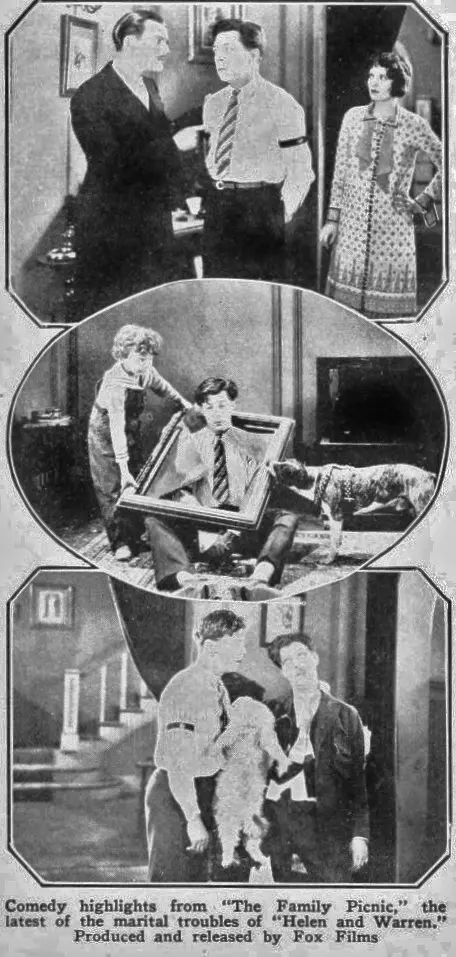
Is The Family Picnic worth your time in the modern era? Short answer: yes, but only if you find the psychological warfare of domestic life more compelling than traditional plot progression.
This film is specifically for those who appreciate the 'Married Life' literary tradition and silent film historians interested in the evolution of the domestic sitcom. It is absolutely not for viewers who require high-stakes action or an escape from the mundanity of household chores.
1) This film works because: it captures the specific, universal anxiety of being a stranger in your own home due to the presence of unwanted guests.
2) This film fails because: the pacing mirrors the actual experience of a boring family visit—it feels significantly longer than its actual runtime.
3) You should watch it if: you want to see a 1920s blueprint for the modern 'in-law' comedy, performed with surprising emotional nuance by Katherine Perry.
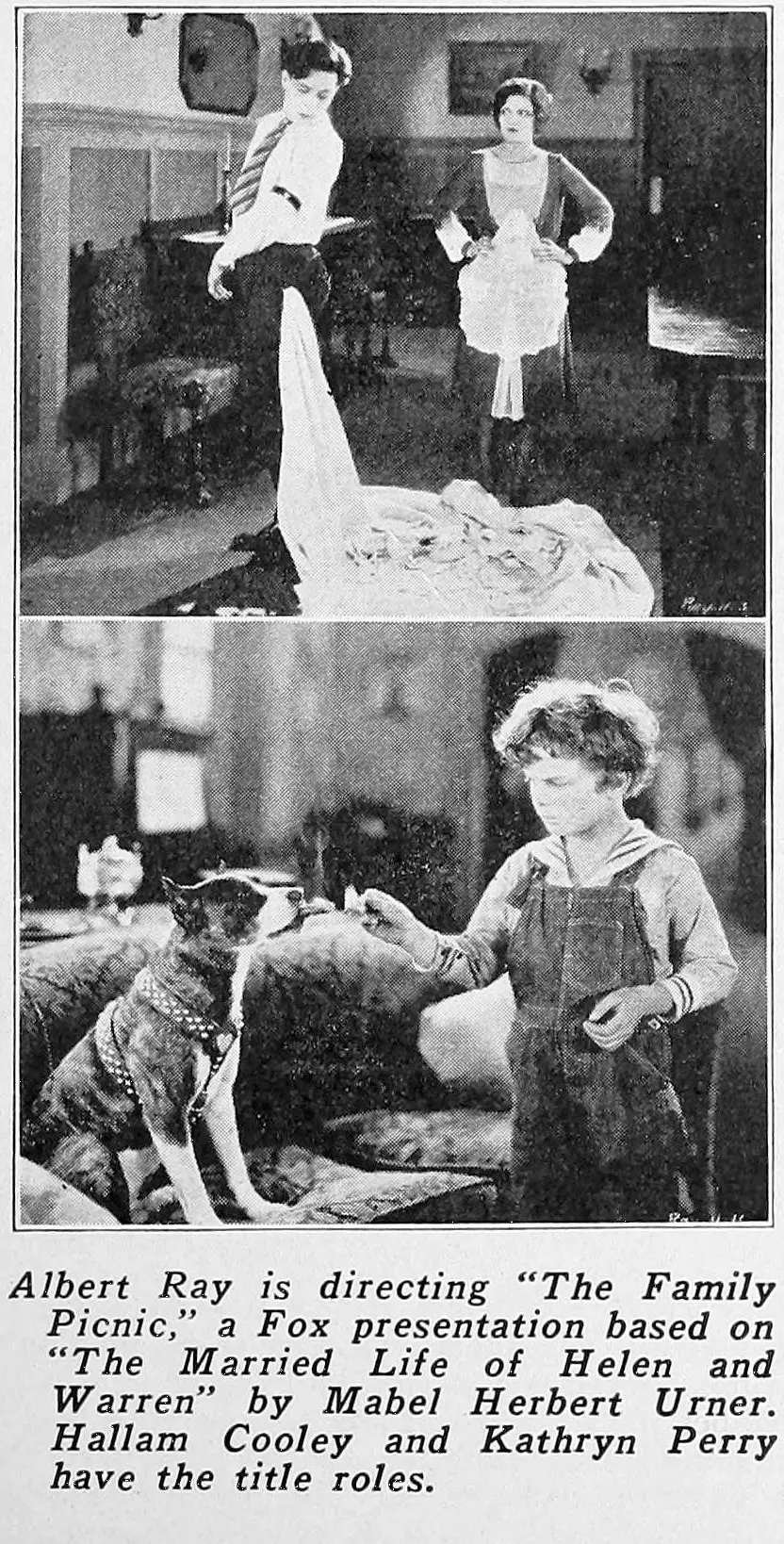
The Family Picnic is not a film about events; it is a film about the space between events. It focuses on the sighs, the side-eyes, and the heavy silence of a dinner table where no one wants to be. Unlike the high-seas adventure of The Carpet from Bagdad, this film finds its tension in the kitchen and the parlor.
Director David Butler, who also stars as Warren, understands that the real drama of a houseguest is the loss of routine. We see this early on when the in-laws rearrange the furniture of the couple’s life. It is a subtle invasion. It is quiet. It is infuriating.
Katherine Perry delivers a performance that feels remarkably modern. As Helen, her face is a map of suppressed resentment. There is a specific scene where she watches her mother-in-law critique her choice of linens. Perry doesn't explode; she simply tightens her grip on a tea towel. It is a masterclass in silent film restraint.
The screenplay by Mabel Herbert Urner is the film's secret weapon. Urner was famous for her 'Helen and Warren' stories, which were the 'Sex and the City' of their day for the domestic set. She didn't write about grand romances; she wrote about the fact that Warren forgets to wipe his boots.
This groundedness sets the film apart from the melodrama of The Eyes of the World. Here, the 'villains' are just people who stay too long. The 'hero' is a woman trying to keep her sanity while serving potato salad. It is brutally simple.
The dialogue titles are sparse, which works in the film's favor. The audience is forced to live in the uncomfortable pauses. When the in-laws finally suggest the 'picnic' of the title, it feels less like an outing and more like a forced march. The irony is thick enough to choke on.
We must talk about Pal the Dog. In many 1920s films, like Tracked in the Snow Country, the canine is a hero of the wilderness. In The Family Picnic, Pal is the only rational observer of the domestic chaos.
Pal’s reactions often mirror the audience’s own. When the in-laws begin another round of circular bickering, the camera cuts to Pal looking for an exit. It’s a clever bit of staging that provides the only levity in an otherwise claustrophobic narrative.
The dog isn't doing tricks; he's providing a tonal anchor. His presence suggests that the humans are the ones who are truly lost. It is a cynical, yet effective, use of an animal actor. It works because it’s honest.
Visually, the film uses the interior of the house as a character. The framing is tight, often placing the actors in close proximity to one another to emphasize the lack of breathing room. It lacks the experimental flair of Opus IV, but its utilitarianism serves the story.
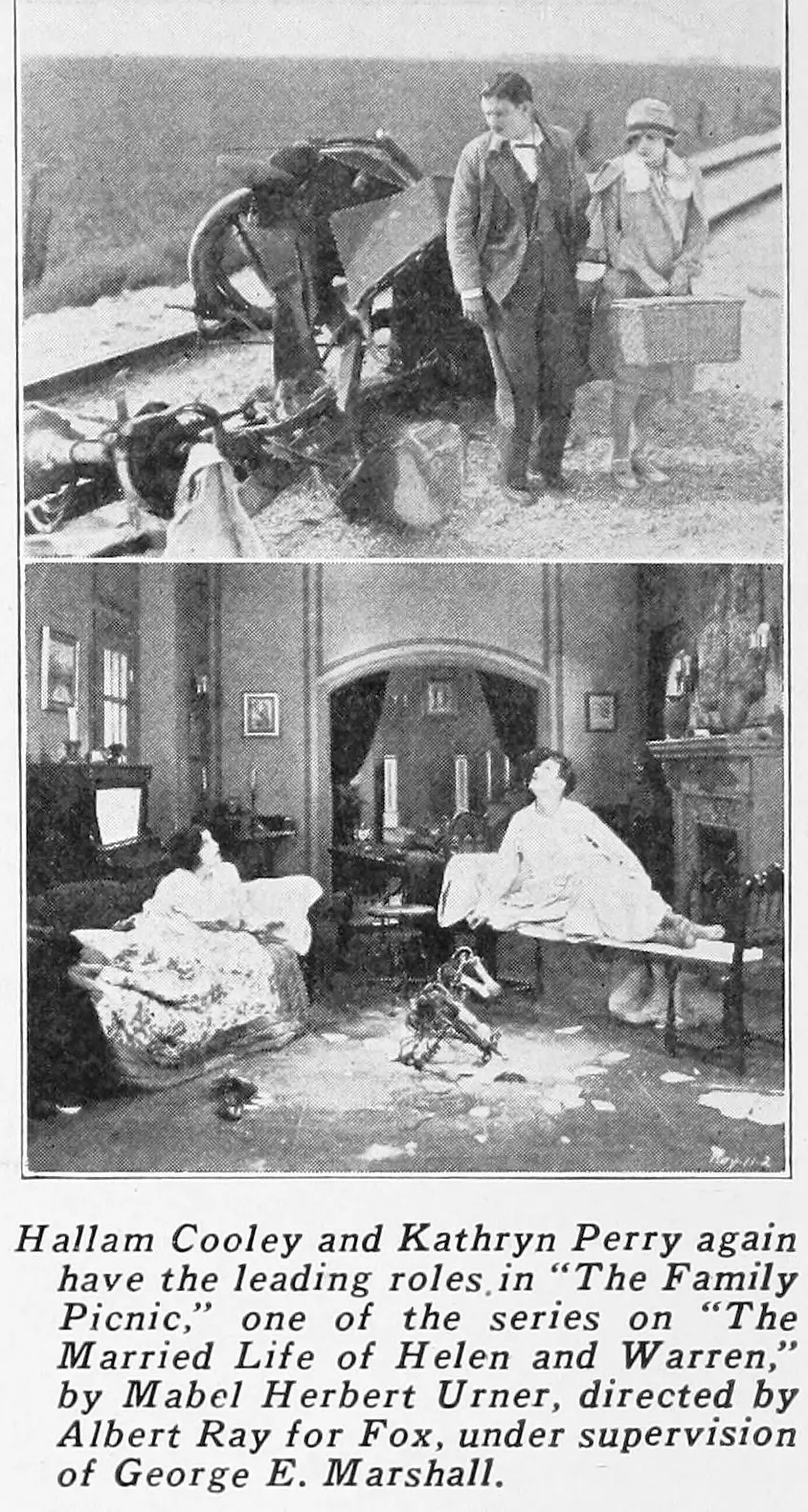
There is a recurring shot of the hallway that becomes increasingly ominous as the film progresses. It represents the only path to the bedroom—the last bastion of Helen and Warren's privacy. Every time an in-law blocks that hallway, the tension spikes.
The lighting is flat and domestic, which reinforces the 'everyman' quality of the story. There are no expressionist shadows here, just the harsh light of reality. It’s an aesthetic choice that demands the viewer focus on the performances rather than the spectacle.
If you are looking for a historical document of how 1920s society viewed marriage and family obligations, the answer is a resounding yes. The Family Picnic offers a window into the 'quiet desperation' of the era. However, if you find domestic squabbles more exhausting than entertaining, you might find yourself checking the clock.
The film succeeds as a character study, but it struggles as a narrative. It is a collection of moments rather than a cohesive journey. But those moments are sharp. They are recognizable even a century later. That is the film's greatest strength.
Pros:
- Exceptional lead performances that bypass silent film tropes.
- A screenplay that prioritizes psychological realism over slapstick.
- The inclusion of Pal the Dog provides a much-needed perspective shift.
- Relatable themes that have not aged a day.
Cons:
- The pacing is intentionally, but painfully, slow.
- Limited locations can lead to a sense of visual fatigue.
- The resolution feels a bit too tidy for the mess that preceded it.
The Family Picnic is a fascinating, if occasionally grating, look at the friction of the nuclear family. It avoids the easy out of making the in-laws 'evil.' Instead, it makes them merely human, which is far more terrifying. It doesn't have the grand scale of Spartacus, but it possesses a different kind of intensity. It is the intensity of a cold cup of coffee and a conversation that won't end. It’s a film that understands that sometimes, the greatest battle is just trying to survive the weekend with your relatives. It works. But it’s flawed. It is a minor key masterpiece of the mundane.
IMDb —
1920
Community
Log in to comment.