DbcultAccessing Vault...
Cult Review
Senior Film Conservator
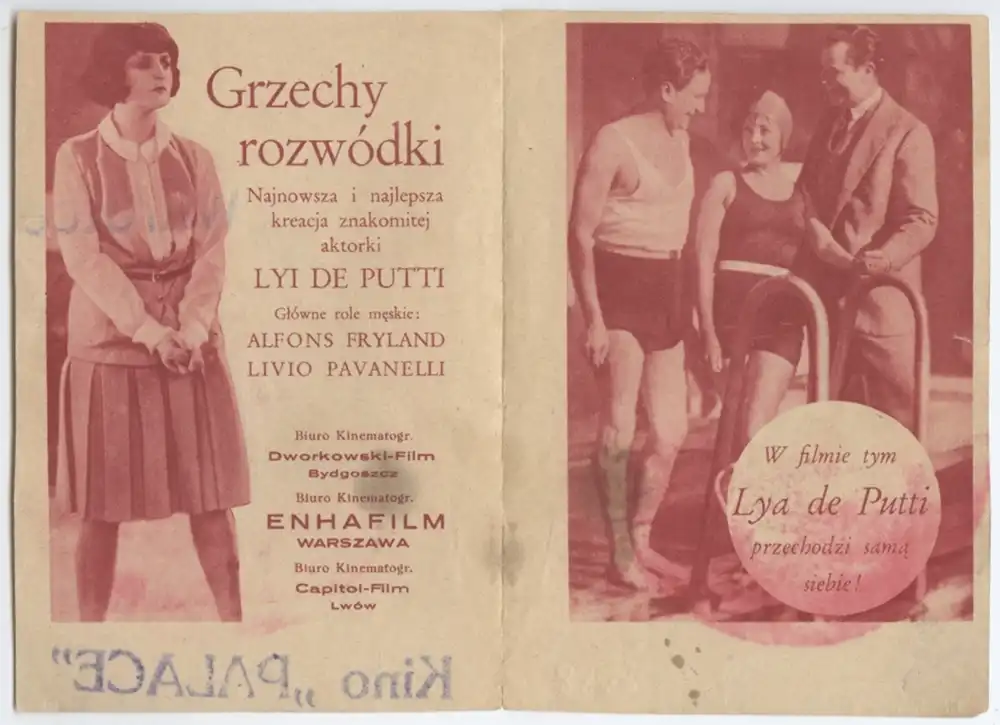
If you’re the kind of person who finds late-silent era Weimar comedies a bit exhausting, Charlott etwas verrückt isn’t going to change your mind. It’s a movie that relies almost entirely on Lya De Putti being a 'handful,' and whether you enjoy it depends on how much of her frantic energy you can take in one sitting. It’s worth watching if you’re a silent film completist or if you just want to see some of the most aggressive hat choices of 1928. If you want a tight plot or emotional depth, you’ll probably hate it.
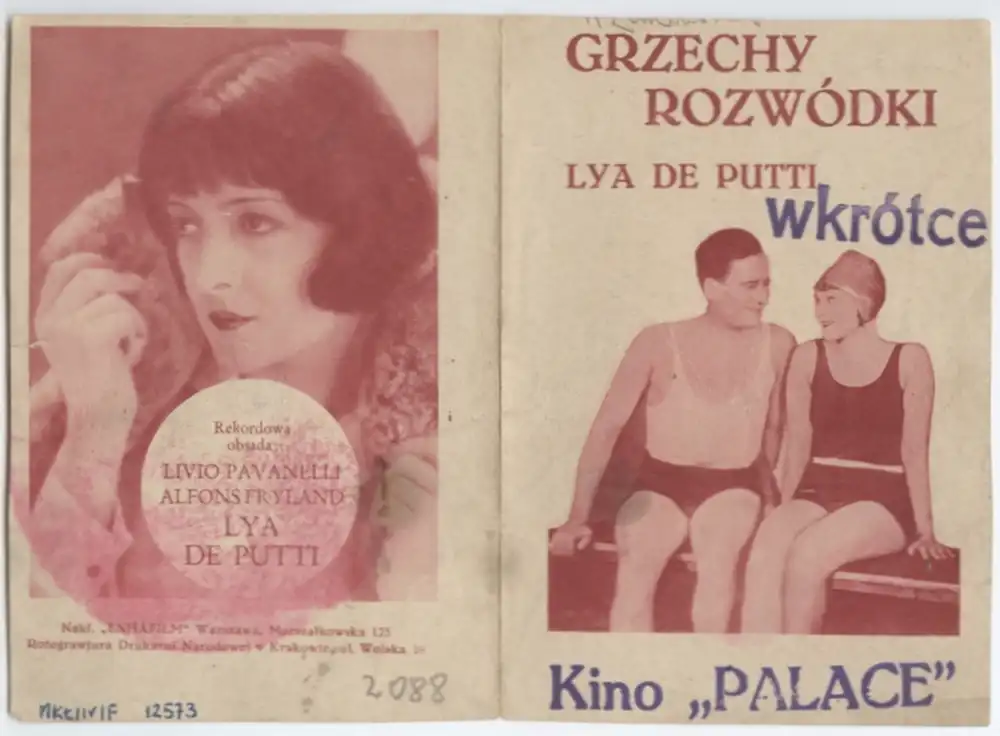
Lya De Putti is the whole show here. She plays Charlott, who is 'crazy' in that very specific 1920s way—meaning she has a bob, drives fast, and refuses to sit still while men talk about her. There’s this one shot where she’s leaning out of a car window, and her hair is just perfectly wind-whipped; you realize the movie is basically a high-budget fashion shoot for her. She has this way of looking at the other actors like she’s about to bite them, which is way more interesting than the actual story.
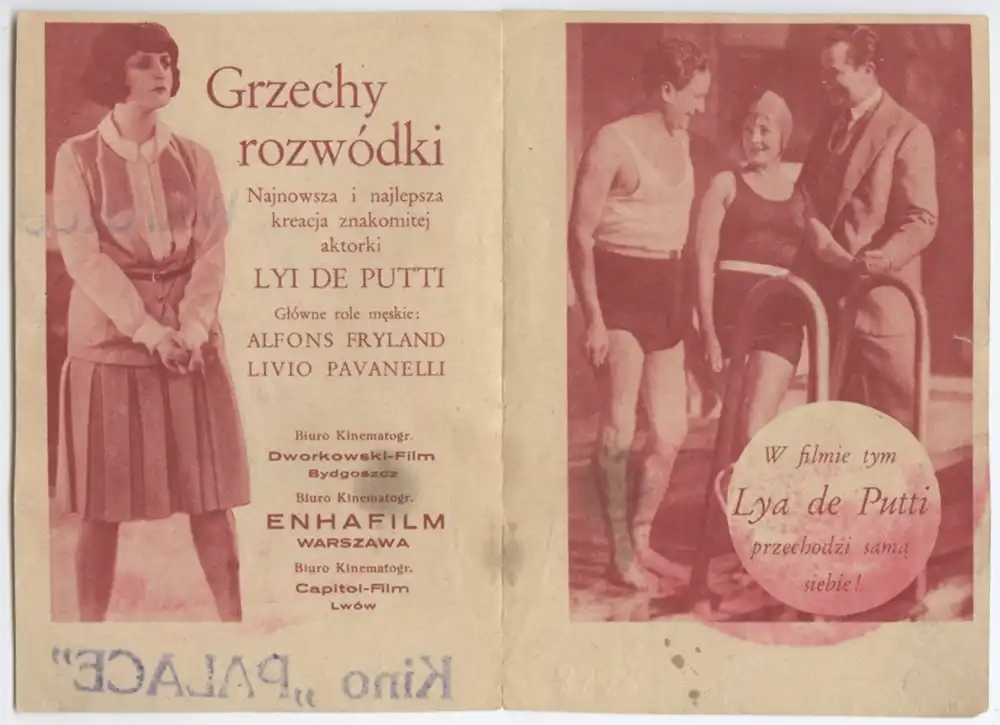
Speaking of the plot, it’s one of those 'marriage of convenience' things that feels old even for 1928. André Mattoni plays the male lead, and he mostly just looks confused. There’s a scene in a very large, very empty-looking drawing room where he’s trying to maintain some dignity while Charlott is basically bouncing off the furniture. The scale of the rooms is weird. They feel like airplane hangars decorated by someone who really liked velvet. It makes the intimate moments feel a bit swallowed up by the architecture.
The movie hits a wall in the middle. You know that feeling in a silent comedy where they’ve set up the premise, but they aren’t quite ready for the finale yet? We get a lot of walking in and out of doors. Some of the edits are a bit clunky, too. There’s a cut during a dinner scene that happens about two seconds too late, leaving a character just staring blankly at a plate of food for no reason. It’s not 'cinematic,' it’s just an awkward pause that stayed in the final cut.
It reminds me a little of Beverly of Graustark in how it treats its lead actress as a force of nature that the rest of the cast just has to survive. But where that movie feels a bit more grounded in its silliness, this feels like it’s trying to be a 'society' comedy and a slapstick movie at the same time. It doesn't always work. It certainly doesn't have the sharp, rhythmic writing you'd find in something like The Talk of the Town, though that's a different beast entirely.
Hertha von Walther shows up, and she’s always great, but she feels underused here. She has this one reaction shot when Charlott does something particularly annoying where her eyes just glaze over. I felt that. It’s the most relatable moment in the film.
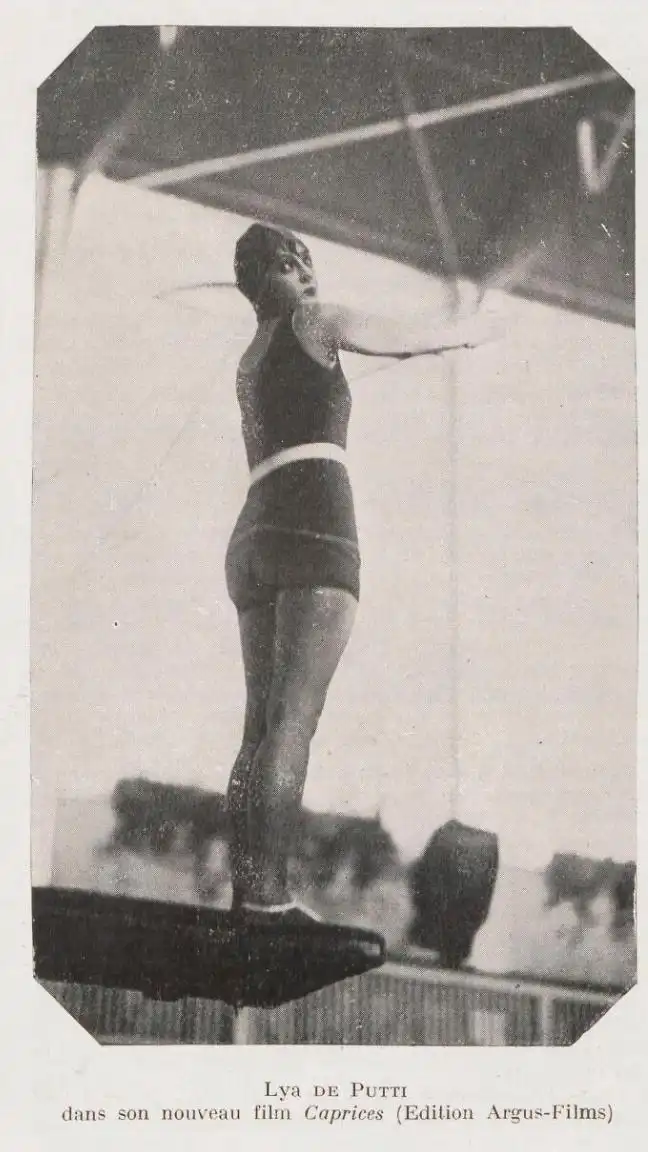
The costumes are the real winner. The hats alone deserve a separate review. There’s one that looks like a structural engineering project gone wrong, and Lya wears it with so much confidence you almost believe it’s normal. It’s those little details—the weirdly high collars, the way the extras in the background don't seem to know where to look—that keep it from being just another forgotten silent. One extra in a party scene is just staring directly at the camera for a solid three seconds before realizing they should be 'partying.'
The pacing gets weird toward the end. It feels like they had a great 40-minute idea and had to stretch it to feature length. You get these long stretches where people are just looking at letters or waiting for someone to enter a room. It’s not tension, it’s just padding. But then Lya will do something weird with her hands or make a face at a butler, and it pulls you back in. It’s not a masterpiece, but as a weird little time capsule of Weimar 'light' entertainment, it’s fine for a rainy afternoon.
IMDb 5.6
1936
Community
Log in to comment.