DbcultAccessing Vault...
Cult Review
Senior Film Conservator
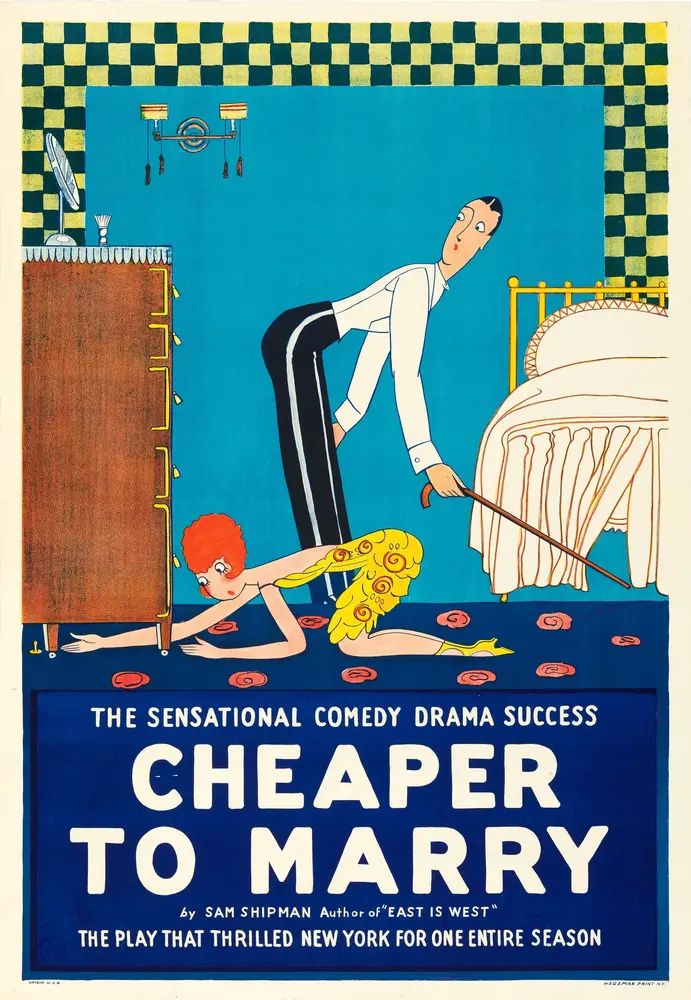
In an era saturated with immediate gratification and fleeting digital trends, one might wonder why a silent film from 1925, like Cheaper to Marry, merits attention. Let me be unequivocally clear: this film is absolutely worth watching today, especially for those with an appreciation for early cinema's nuanced storytelling and a critical eye for societal commentary that, perhaps unsettlingly, remains potent. It's a film for cinephiles, history buffs, and anyone intrigued by the timeless dance between love, money, and ego. However, if your cinematic palate demands rapid-fire dialogue, explosive action, or modern narrative conventions, this will likely feel like an exercise in patience rather than pleasure. It demands a particular kind of engagement, a willingness to lean into its visual language and slower pace, but for those who make the leap, it offers a surprisingly rich and often uncomfortable reflection on human nature.
At its core, Cheaper to Marry is a cautionary tale, thinly veiled as a romantic drama, about the perils of unchecked desire and the illusion of control. We are introduced to Dick Tyler, portrayed with a commendable blend of earnestness and exasperation, as the junior partner in the legal firm of Knight and Tyler. His mission, seemingly altruistic yet tinged with self-preservation, is to convince his senior partner, Jim Tyler, that the financially prudent path lies in matrimony rather than the costly pursuit of fleeting romance. This isn't just a friendly chat about dating habits; it's an intervention. Jim has fallen under the spell of Evelyn, a woman whose allure is matched only by her reputation as a gold-digger. Her presence in Jim’s life is not merely a drain on his personal coffers; it’s an existential threat to the very foundation of their law firm. The escalating expenditures on Evelyn are pushing Knight and Tyler perilously close to bankruptcy, transforming Dick's advice from a philosophical musing into a desperate plea for survival. The film masterfully builds this tension, showing how easily one man's personal indulgence can metastasize into a professional catastrophe, underscoring the era's anxieties about financial stability and social standing. It’s a narrative that, despite its silent origins, shouts volumes about the destructive power of infatuation and the often-fragile line between personal pleasure and professional responsibility.
Directed by a filmmaker clearly attuned to the visual poetry of the silent era, Cheaper to Marry exhibits a command of visual storytelling that transcends the absence of spoken dialogue. The pacing, while deliberate by modern standards, is expertly calibrated to build tension and reveal character. Consider the early scenes establishing Jim’s lavish spending; the camera often lingers on the opulent gifts or the extravagance of the settings, such as a particularly gaudy restaurant interior, not just to show wealth but to subtly imply its fleeting nature. These moments are punctuated by quick cuts to Dick’s increasingly worried expressions, creating a visual counterpoint that effectively communicates the growing chasm between Jim’s blissful ignorance and Dick’s mounting alarm. The director utilizes close-ups with particular efficacy. A tight shot on Evelyn’s calculating smile after receiving an expensive bauble, for instance, speaks volumes about her true intentions without a single intertitle needed. This is silent cinema at its most expressive, relying on the actors' physicality and the director's framing to convey complex emotional states and narrative advancements. The film avoids the melodramatic excesses often associated with the period, opting instead for a more grounded, almost naturalistic approach to its dramatic beats. There's a scene where Jim is seen signing a check, and the camera focuses on the pen scratching across the paper, then a quick cut to Dick’s face, etched with despair. This simple sequence, without a word, conveys the weight of Jim's financial recklessness and Dick's powerlessness, demonstrating a directorial sophistication that allows the audience to feel the impending doom rather than merely being told about it.
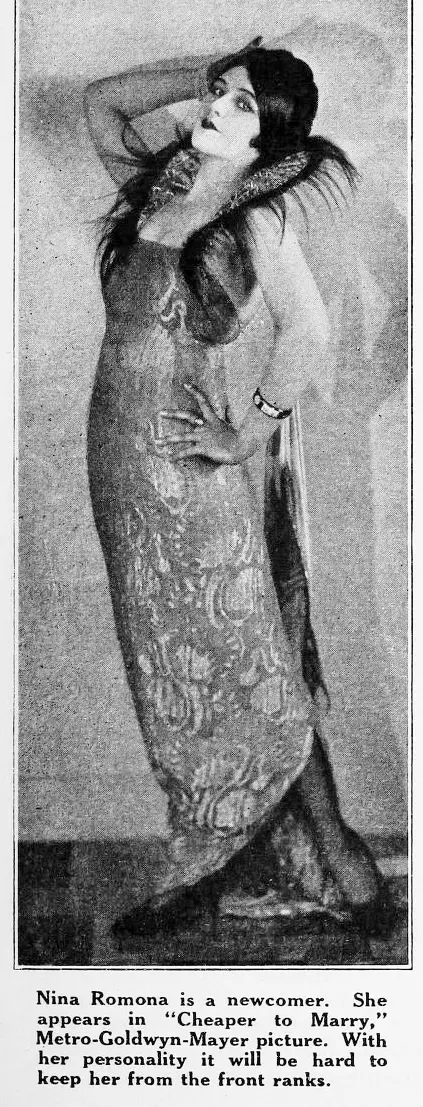
The cast of Cheaper to Marry delivers performances that are, for the most part, a masterclass in silent-era acting, relying on exaggerated yet precise gestures and facial expressions to convey inner turmoil and external motivations. Conrad Nagel, as Jim Tyler, is particularly compelling. He navigates the treacherous waters of infatuation with a believable blend of charm and blind foolishness. His transformation from a confident, successful lawyer to a man utterly enslaved by desire is gradual and heartbreaking. Watch his eyes in the scenes with Evelyn; initially sparkling with adoration, they slowly acquire a haunted, desperate quality as his financial situation deteriorates. It's a nuanced portrayal that makes his downfall all the more impactful. Paulette Duval, as the titular gold-digger Evelyn, is a revelation. She embodies the femme fatale archetype with an almost predatory grace. Her performance is less about overt villainy and more about a chilling pragmatism. Evelyn isn't a shrieking antagonist; she's a woman who understands the transactional nature of her world and plays it to her advantage. Her subtle smirks and calculated glances are far more menacing than any histrionics could be. One particular moment stands out: after a particularly expensive gift, Evelyn turns her head slightly, catching the light, and a fleeting, almost imperceptible look of triumph crosses her face before she resumes her demure façade. This blink-and-you'll-miss-it detail speaks volumes about her character. Louise Fazenda, often a comedic presence, here delivers a more restrained performance that grounds the drama, providing a moral counterpoint to Evelyn’s amorality. The ensemble works cohesively, allowing the narrative to unfold through their unspoken interactions. The dynamic between Nagel and Duval is especially strong, their scenes crackling with an unspoken tension that drives the central conflict forward. It's a testament to their craft that even without dialogue, the audience feels the emotional weight of their interactions, making it easy to understand why Jim is so utterly captivated, despite the evident danger.
Cheaper to Marry, despite its seemingly simple premise, is a surprisingly complex exploration of societal values, gender roles, and the corrosive power of unchecked desire. The film’s central argument, that marriage is 'cheaper,' is less a practical financial assertion and more a cynical indictment of male vanity disguised as pragmatism. It suggests that men, even successful ones, are susceptible to irrational impulses when confronted with beauty, and that societal structures, like marriage, are necessary not just for procreation or companionship, but to rein in these destructive tendencies. This is a genuinely debatable opinion embedded within the film: it presents marriage less as a union of love and more as a pragmatic financial and social contract, a way to stabilize a man's life and assets. Is this a critique of marriage itself, or merely a commentary on the transactional nature of relationships in the Roaring Twenties? I lean towards the latter, seeing it as a reflection of an era where economic security often dictated marital choices, especially for women. Evelyn, in her unapologetic pursuit of wealth, is perhaps the most honest character in her transactional approach to relationships. She doesn't pretend to love Jim; she leverages his infatuation for her gain, making her strangely admirable in a world where male pretense often masks similar, albeit less overt, self-interest. The film inadvertently highlights the limited options available to women seeking financial security, pushing them into roles that might be labeled 'gold-digger' but were, in many cases, a form of survival. The true villain, I'd argue, isn't Evelyn, but the societal pressure and male ego that allows such a destructive dynamic to flourish, enabling Jim's self-deception and Dick's desperation. This film, then, is a fascinating lens through which to view the economic anxieties and gender dynamics of the 1920s, a period often romanticized but here shown with its underlying tensions laid bare. It forces us to confront the uncomfortable truth that sometimes, the 'price' of a relationship isn't just monetary, but spiritual and professional. The firm's slow descent into financial peril, paralleling Jim's emotional unraveling, acts as a potent metaphor for how personal failings can ripple through one's entire professional and social fabric. It's a stark reminder that even in an age of prosperity, the shadow of ruin loomed large for those who failed to manage their desires.
The visual aesthetics of Cheaper to Marry are quintessential of its era, yet they are deployed with a discerning eye that elevates the film beyond mere period piece. The cinematography, while not groundbreaking, is consistently effective in establishing mood and character. The use of deep focus in certain interior shots, for example, allows the audience to take in the elaborate set designs, from the ornate furnishings of Jim's office to the lavish, almost suffocatingly decorated interiors of Evelyn's apartment. These detailed backgrounds aren't just decorative; they serve as visual cues to the characters' social standing and, in Jim's case, his deteriorating financial judgment. The lighting, too, plays a crucial role. Scenes depicting Jim's descent into financial despair often utilize harsher, less flattering light, casting shadows that mirror his inner turmoil. Conversely, Evelyn is frequently bathed in soft, alluring light, emphasizing her deceptive charm. The costume design is another subtle yet powerful element. Evelyn's gowns are consistently extravagant, reflecting her status as a high-maintenance socialite and visibly demonstrating the drain on Jim's resources. In contrast, Dick's attire, while sharp, remains understated, symbolizing his grounded, pragmatic nature. There's a particular scene at a bustling social gathering, likely a party, where the sheer volume of people, the opulent decor, and the rapid movement of the crowd visually underscore the superficiality and excess of the world Jim is trying so desperately to impress. This visual chaos acts as a stark contrast to the quiet, desperate conversations between Dick and Jim, highlighting the isolation of their predicament amidst a sea of oblivious revelers. These aesthetic choices collectively build a credible and immersive world, allowing the audience to engage with the drama on a purely visual and emotional level.
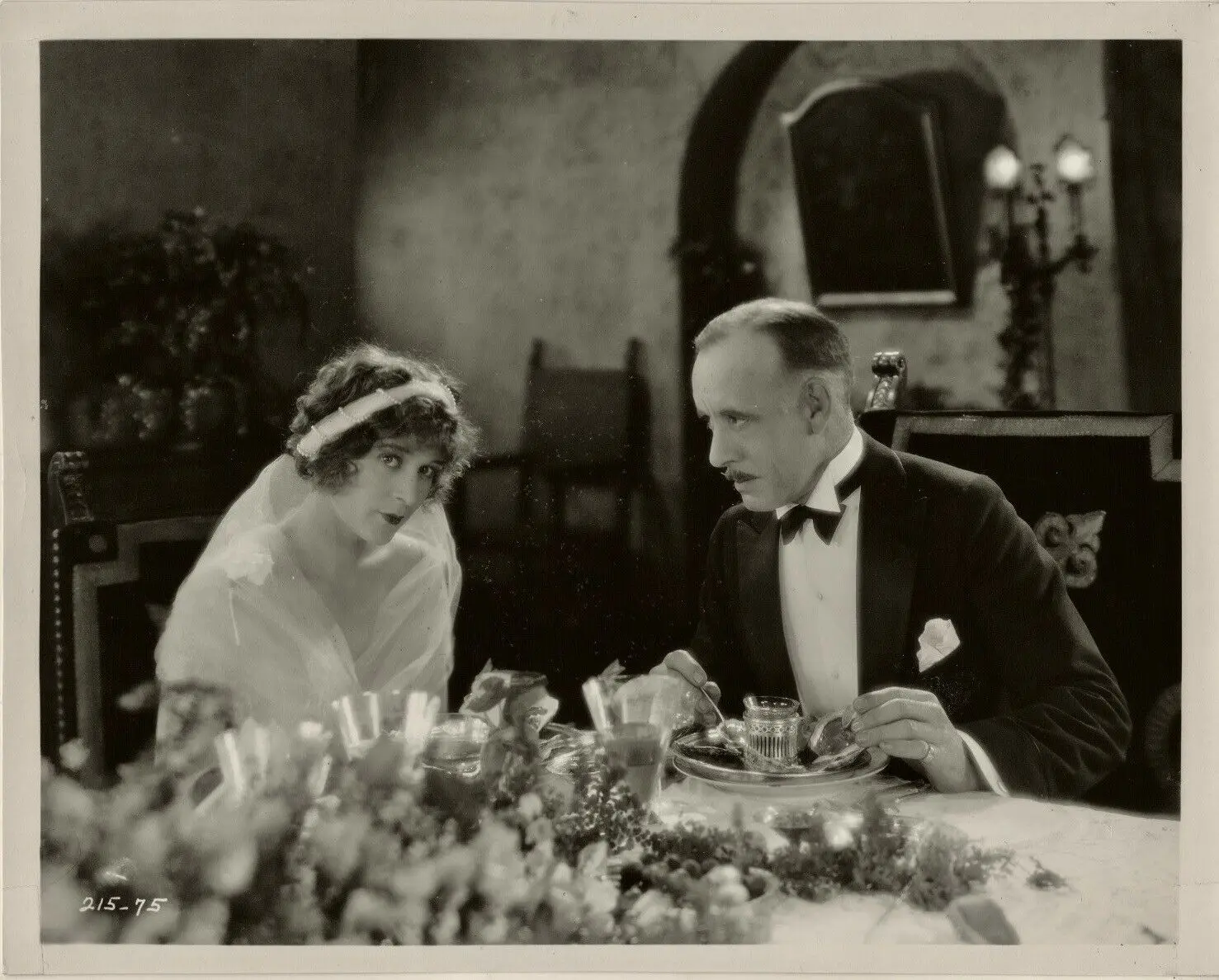
The pacing of Cheaper to Marry is a masterclass in controlled escalation. It begins with a relatively brisk introduction to the characters and their initial conflict, establishing Dick's concern and Jim's blissful ignorance. This initial momentum gradually gives way to a more deliberate, almost suffocating rhythm as Jim's obsession deepens and the financial stakes become dire. This slowdown isn't a flaw; it's a deliberate artistic choice that mirrors the tightening grip of Evelyn's influence and the encroaching shadow of bankruptcy. The film's tone is a delicate balance of light drama and underlying tension. While there are moments of levity, often provided by supporting characters or a touch of situational irony, the overall mood is one of impending doom. The unspoken commentary on societal values is particularly impactful. The film doesn't explicitly preach, but through its narrative choices, it critiques the superficiality of wealth, the dangers of unchecked male ego, and the precarious position of women in an economically driven society. The silence itself becomes a powerful narrative tool, forcing the audience to pay closer attention to every gesture, every facial expression, and every intertitle. This allows for a deeper, more personal interpretation of the characters' motivations and the film's broader themes. For example, the quiet desperation in Dick's eyes during a scene where Jim dismisses his concerns with a wave of his hand is far more poignant than any spoken argument could be. It's a film that trusts its audience to read between the lines, to infer the emotional weight of its characters' struggles. This deliberate pacing and nuanced tone ensure that the film's message, subtle yet profound, resonates long after the final frame.
What truly sets Cheaper to Marry apart, and makes it resonate almost a century later, is its unexpected relevance. While the societal conventions of 1925 are undeniably different, the core human foibles it explores—infatuation, financial recklessness, and the struggle between desire and responsibility—are timeless. It's an unconventional observation that the film, despite its period setting, functions almost as an early economic thriller. The tension isn't built around car chases or shootouts, but around the slow, agonizing depletion of a firm's assets, the mounting pressure of debt, and the desperate attempts to avert financial collapse. This makes it surprisingly gripping for modern audiences who understand the crushing weight of financial insecurity. The film also provides a fascinating glimpse into the legal and social norms of the era. The firm of Knight and Tyler, and the very concept of a junior partner trying to save the senior partner from himself, speaks to a particular kind of professional hierarchy and personal entanglement that feels both alien and familiar. It's a stark contrast to films like The Heart of a Child, which might focus more on domestic sentimentality, or even The Slave Auction, which tackles more overt social injustices. Cheaper to Marry instead zeroes in on the insidious, self-inflicted wounds of personal folly within the gilded cage of prosperity. Its legacy isn't built on groundbreaking cinematic techniques, but on its enduring capacity to hold a mirror up to human nature's enduring flaws. It reminds us that obsession, whether with a person or with money, can be a destructive force, regardless of the technological advancements or social progress that mark the passage of time. The film's message about the true cost of chasing ephemeral pleasures over stable, if less exciting, realities is as pertinent today as it was when audiences first watched Jim Tyler's ill-fated pursuit unfold on screen.
Cheaper to Marry is far more than a dusty relic of the silent era; it is a compelling, surprisingly relevant drama that expertly navigates themes of love, money, and societal pressure. Its strength lies in its confident direction, evocative performances, and a narrative that, despite its age, speaks to universal human experiences. While it demands a certain patience from modern viewers, the rewards are substantial for those willing to engage with its silent eloquence. It's a film that might not revolutionize your understanding of cinema, but it will certainly enrich your appreciation for the storytelling prowess of early Hollywood. A definite recommendation for those seeking depth and historical insight in their cinematic diet.
Ultimately, this isn't just a story about a man's foolish infatuation, but a shrewd, understated commentary on the transactional nature of relationships and the enduring cost of hubris.
IMDb —
1923
Community
Log in to comment.