DbcultAccessing Vault...
7.2/10
Senior Film Conservator
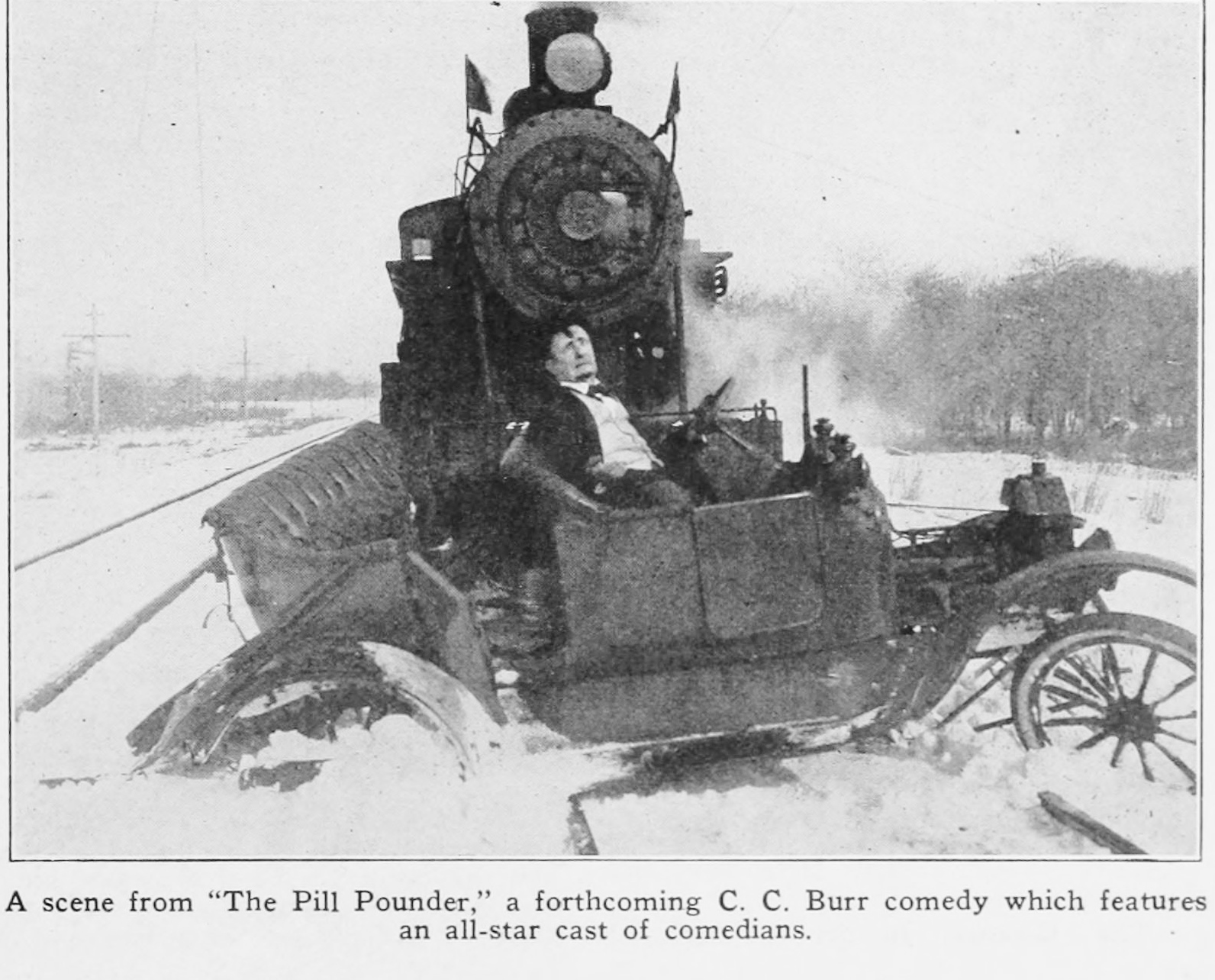
A definitive 7.2/10 rating for a film that redefined the boundaries of cult cinema. The Pill Pounder remains a cornerstone of transgressive art.
The year 1923 was a seminal moment in the architectural development of cinematic comedy, a period where the primitive slapstick of the previous decade began to undergo a sophisticated metamorphosis. Within this transition, The Pill Pounder emerges not merely as a relic of the silent era, but as a fascinating microcosm of the era's social anxieties and recreational diversions. Directed with a kinetic energy that borders on the manic, the film showcases Charles Murray in a role that demands both physical dexterity and a nuanced grasp of the 'everyman' archetype—a druggist caught between the grinding gears of capitalism and the seductive reprieve of the backroom gamble.
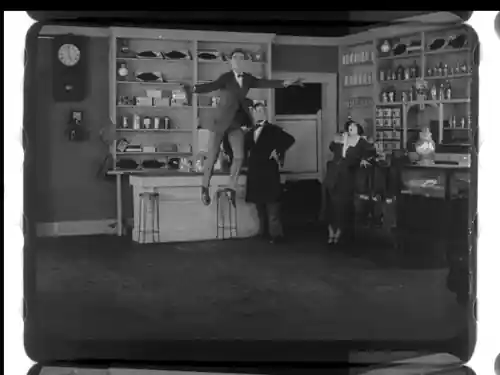
The setting of the pharmacy provides a rich, tactile environment for the unfolding drama. In an era before the homogenization of retail, the local druggist was a figure of immense communal trust, a purveyor of health and a silent witness to the town's ailments. Murray’s portrayal of Charlie subverts this sanctity. He treats his pharmaceutical duties with a distracted, almost perfunctory dismissal, his mind clearly anchored to the clandestine card game occurring just out of sight of his customers. This juxtaposition of the medicinal and the recreational creates a friction that fuels the film’s comedic engine. Unlike the more somber explorations of duty found in The Man from Home, The Pill Pounder chooses to find the absurdity in the collapse of professional decorum.
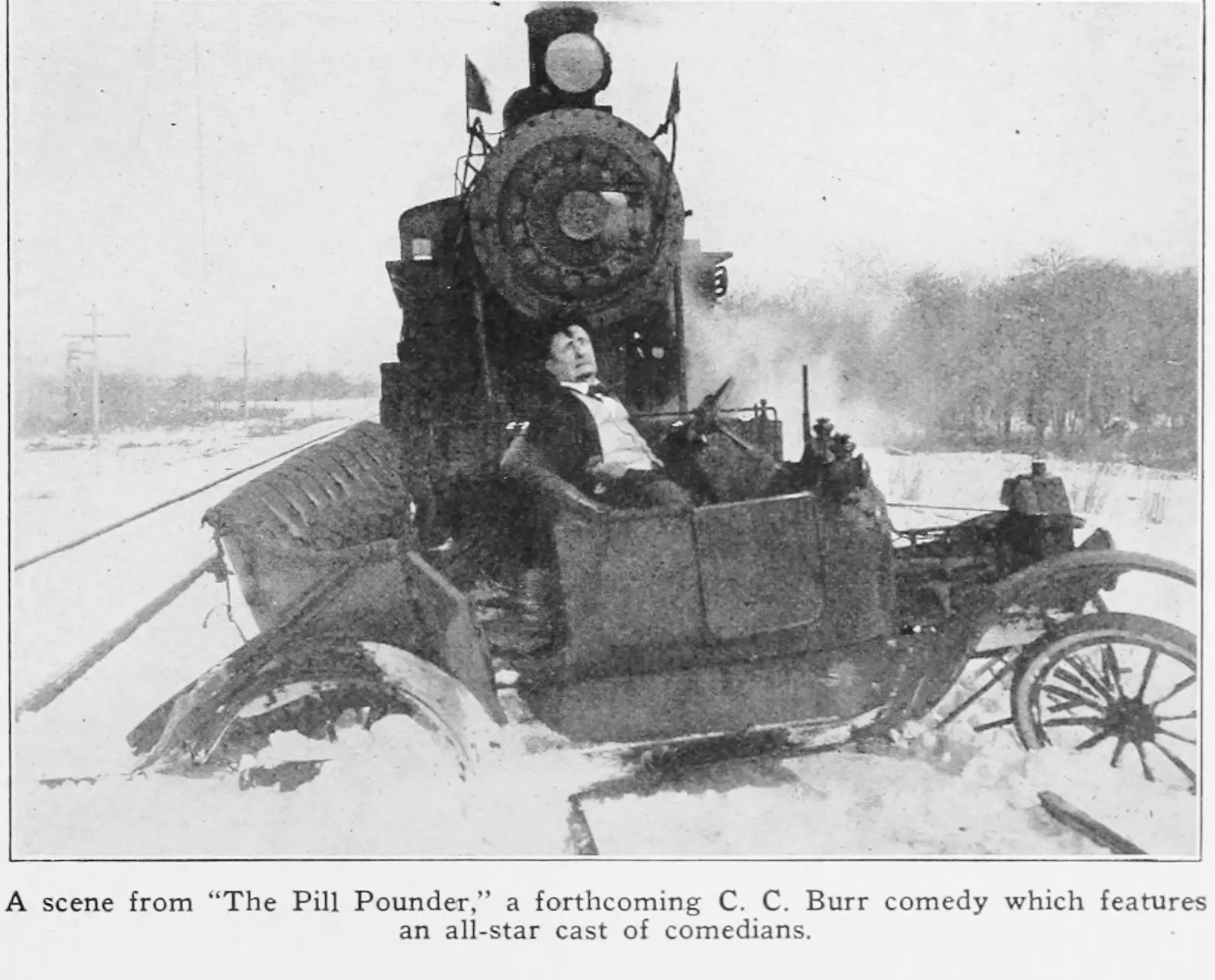
The visual language of the film utilizes the cramped quarters of the shop to enhance the sense of impending chaos. Every time a customer enters, the bell above the door acts as a rhythmic interruption to the poker game, forcing Charlie to transition from a gambler to a healer in a matter of seconds. This 'shuttling' between two identities is a masterclass in silent film pacing. It lacks the grand scale of The Phantom Buccaneer, yet it achieves a similar level of suspense through domestic stakes rather than high-seas adventure.
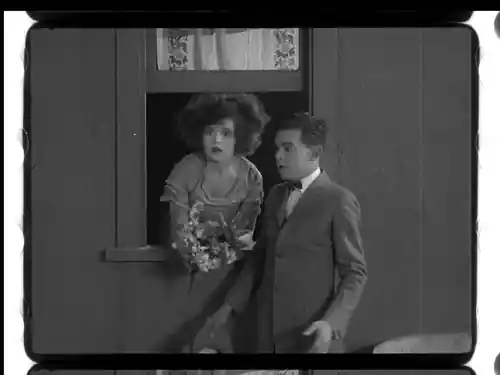
While Charles Murray provides the film’s comedic skeleton, it is the presence of a young Clara Bow that provides its soul. Even at this early stage of her career, Bow possesses an effervescence that the camera captures with startling clarity. She represents a new kind of screen presence—one that is less theatrical and more visceral. Her interactions within the shop provide a necessary counterpoint to the masculine energy of the poker game. While the men are preoccupied with the static, calculated nature of cards, Bow moves through the frame with a fluidity that hints at the 'It Girl' persona that would soon captivate the world. Her role here, while perhaps not as complex as the narratives found in The Family Honor, serves as a crucial historical marker for her development as an actress.
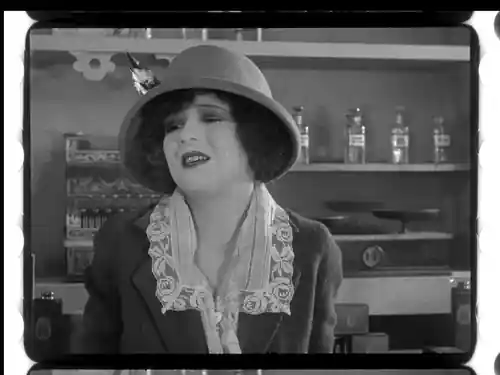
The film functions as a bridge between the Victorian sensibilities of the late 19th century and the burgeoning liberation of the Roaring Twenties, using the pharmacy counter as the literal and metaphorical dividing line.
The cinematography in The Pill Pounder relies heavily on medium shots to capture the ensemble nature of the poker game, while utilizing tighter framing for Charlie’s expressions of panic. There is a specific visual gag involving the 'pounding' of pills that serves as a recurring motif—a rhythmic, percussive element that echoes the heartbeat of the protagonist as the stakes of the game rise. This use of repetitive action to build tension is a hallmark of the era, though here it is executed with a precision that rivals the technical sophistication of The Prince and the Pauper.
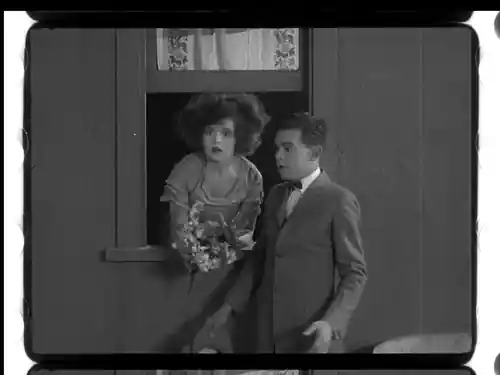
The editing, too, deserves scrutiny. The cross-cutting between the front of the shop and the backroom creates a dual narrative thread that must eventually collide. This collision is the film’s climax, a cacophony of spilled tonics and revealed bluffs. It lacks the predatory intensity of The Panther Woman, opting instead for a lighthearted dissolution of order. The film understands that the audience is not there for a moral lesson, but for the catharsis of seeing a rigid social structure temporarily dismantled by human vice and clumsiness.
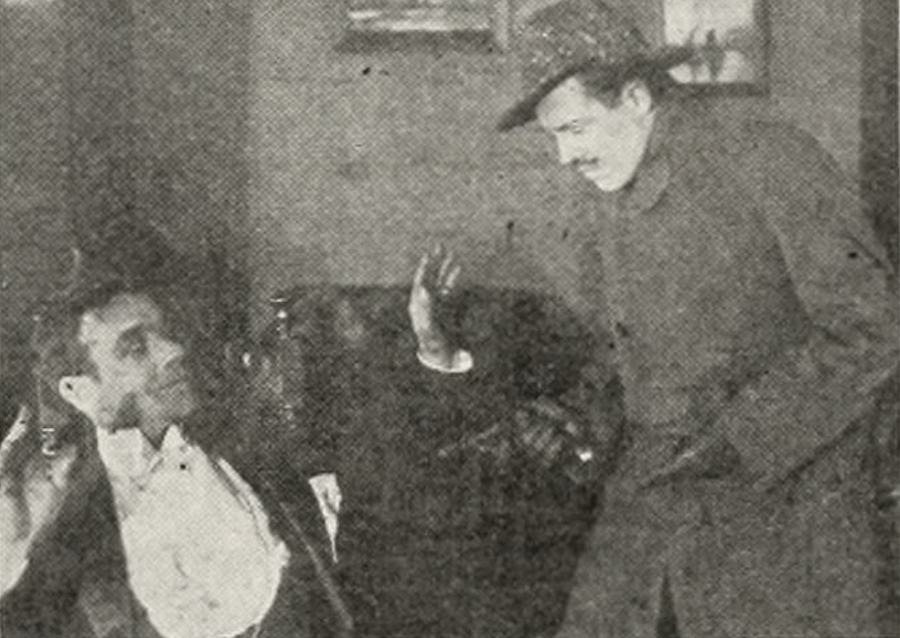
When placed alongside its contemporaries, The Pill Pounder occupies a unique niche. It avoids the regal pretensions of From Broadway to a Throne and the urban artifice of The Broadway Bubble. Instead, it leans into a rural realism that is heightened for comedic effect. There is a grit to the pharmacy setting—the stained wood, the dusty jars, the heavy coats of the players—that grounds the slapstick in a recognizable reality. It shares a certain mischievous DNA with animated shorts like Bobby Bumps in Their Master's Voice, particularly in its fascination with the disruption of authority.
Furthermore, the film’s preoccupation with clandestine activities mirrors the era's fascination with the hidden self, a theme explored with far more darkness in Hypnose. While Charlie is not under a hypnotic spell, his addiction to the game of poker functions as a similar loss of agency. He is a slave to the cards, just as the characters in The Eleventh Commandment are bound by their own rigid social codes. Yet, The Pill Pounder remains buoyant, refusing to succumb to the tragic weight that defines The Triumph of Love or the sentimentalism of The Romantic Journey.
Beneath the surface of the jokes lies a subtle commentary on the economic pressures of the small-town merchant. Charlie’s 'pill pounding' is a labor of necessity, but the poker game represents a gamble for a different life—a shortcut to wealth that bypasses the slow accumulation of pennies at the counter. This theme of the 'get-rich-quick' scheme was prevalent in the 1920s, reflecting a nation on the brink of a speculative boom. The pharmacy, usually a place of scientific certainty, becomes a site of chance. This thematic inversion is as striking as the floral motifs in Black Roses or the burning metaphors in Smoldering Embers.
The film also touches upon the isolation of the small town. The backroom poker game is not just about money; it is about male camaraderie in a world that demands constant professional performance. In this sense, the film is a distant cousin to Under Southern Skies, though it replaces the sweeping vistas of the South with the intimate, tobacco-stained corners of a New England apothecary. The camaraderie is fraught with the tension of the game, yet it is the only genuine social interaction we see Charlie engage in.
In the final analysis, The Pill Pounder is a masterwork of economy. In its brief runtime, it manages to establish a vivid world, a compelling conflict, and a resolution that is both satisfying and hilarious. Charles Murray’s performance is a reminder of the power of facial acting—the way a furrowed brow or a darting eye can convey more than a page of dialogue. James Turfler provides a solid anchor for the ensemble, and Clara Bow’s presence is a luminous harbinger of the stardom to come.
The film stands as a vibrant example of the 'short' format's potential. It does not need the sprawling runtime of a modern feature to convey its message or its humor. It is a sharp, distilled shot of 1920s life, as potent as any of the elixirs Charlie mixes in his shop. For the modern viewer, it offers a window into a world where the local pharmacy was the heart of the community, and where, if you knew the right password, you might just find a game of cards waiting in the back. It is a piece of celluloid history that deserves to be pounded into the consciousness of every silent film enthusiast, a reminder that even in the most mundane of professions, there is always room for a little bit of chaos.
IMDb —
1921
Community
Log in to comment.