DbcultAccessing Vault...
6.2/10
Senior Film Conservator
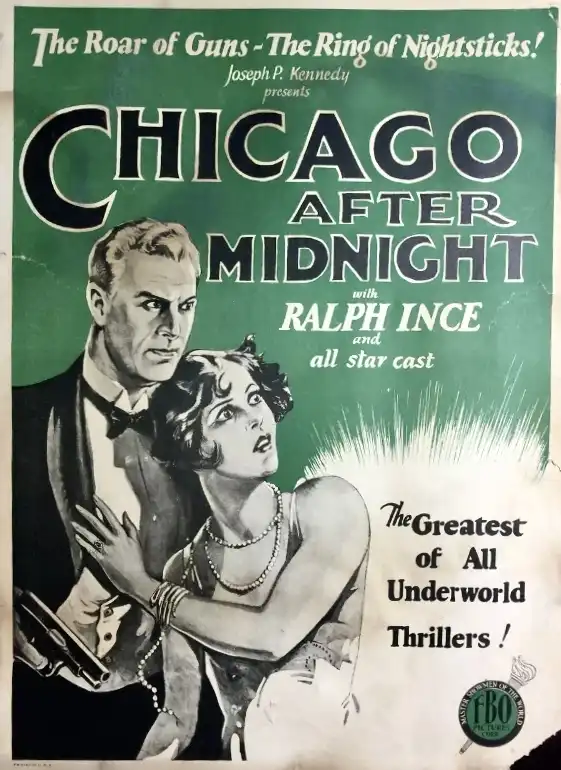
A definitive 6.2/10 rating for a film that redefined the boundaries of cult cinema. Chicago After Midnight remains a cornerstone of transgressive art.
If you’re the type who likes to watch men in oversized coats look menacingly at each other through thick layers of cigarette smoke, Chicago After Midnight is probably going to work for you. It’s a movie for people who appreciate the specific texture of late silent-era grime. If you’re looking for a fast-paced thriller that respects your time, you might find yourself checking your watch by the forty-minute mark. It’s slow, but it’s the kind of slow that feels intentional, like the movie is trying to soak you in its own gloom.
Ralph Ince has a face like a crumpled paper bag that’s been stepped on a few times, and I mean that in the best way possible. As Jim Boyd, he carries this weight that makes the whole 'reformed gangster' trope actually believable. He doesn't just look tired; he looks like he’s forgotten what it feels like to sleep in a bed that isn't in a cell. Because he’s also the director, he gives himself a lot of long, lingering close-ups. Sometimes they work. Other times, you’re just sitting there wondering if the camera operator forgot to stop cranking.
The nightclub scenes are where the movie really lives. There’s a specific energy to the way the extras move—half of them look like they’re having the time of their lives and the other half look like they were pulled off the street five minutes before the cameras started rolling. It lacks the polished choreography of something like Stage Struck, but that’s why I kind of liked it. It felt less like a movie set and more like a real, sweaty room where people are drinking bad gin.
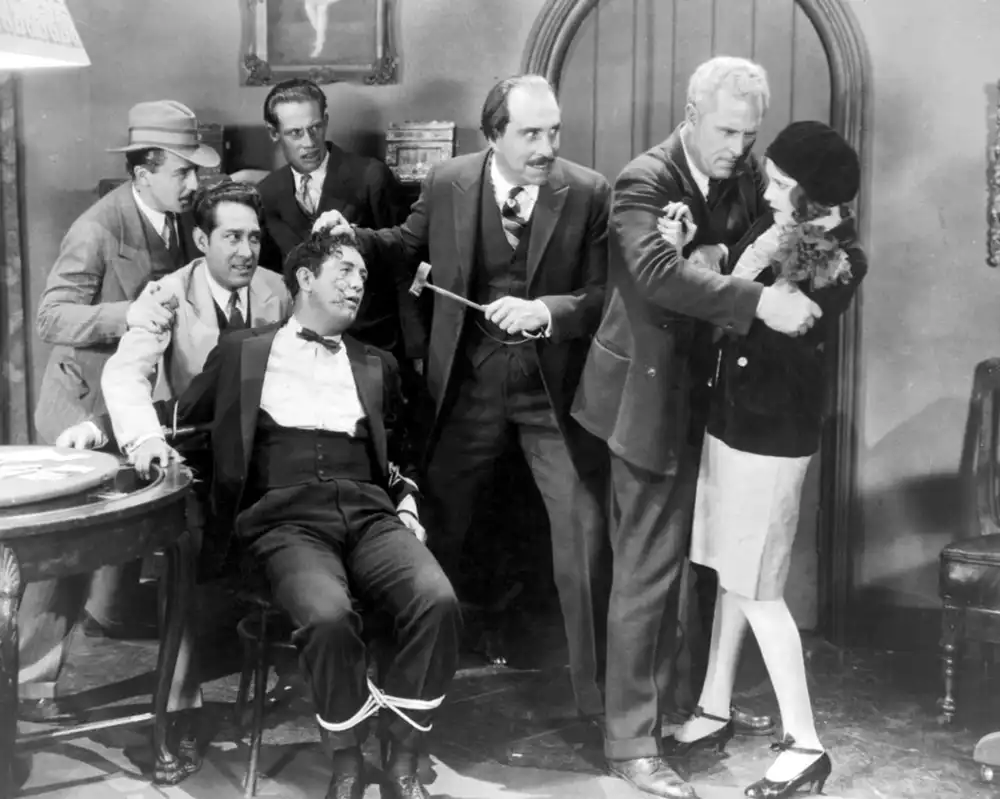
There is a weird bit of editing in the second act where a character walks through a door and seems to teleport across the room. It’s one of those tiny technical hiccups that reminds you how experimental these productions still felt. The lighting, though, is surprisingly sophisticated. There are these long shadows cast across the walls that feel like they belong in a much more expensive film. It has more visual DNA in common with Sealed Lips than some of the lighter crime fare from the same year.
Jola Mendez plays the daughter, and she’s… fine. She has this way of widening her eyes during the emotional beats that feels a bit like she’s trying to signal a plane. It’s very much 'Silent Movie Acting 101.' When she and Ince finally have their big confrontation, the silence starts to feel awkward rather than emotional. The title cards are doing a lot of heavy lifting there, trying to explain feelings that aren't quite making it onto the actors' faces.
I noticed a background detail in the scene where they’re in the hideout: there’s a poster on the wall that’s peeling off, and for some reason, the camera keeps framing it. I spent five minutes trying to figure out if it was a plot point. It wasn't. It was just a peeling poster. But that’s the kind of movie this is—it lets you look at the walls. It doesn't rush you.
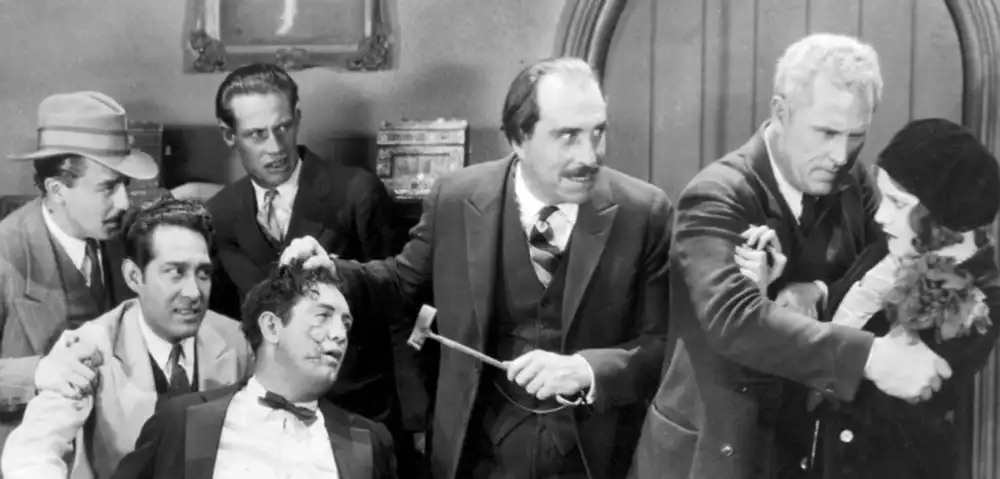
The pacing is the real hurdle. The middle section drags significantly. There’s a subplot involving a stool pigeon that feels like it could have been handled in three minutes, but it takes ten. You can almost feel the movie trying to convince you this moment matters more than it actually does. It lacks the tighter narrative grip you see in something like The Man Who Played God, which knows exactly when to cut away.
One thing that unexpectedly worked for me was the costume design for the villains. They don't look like movie bad guys; they look like guys who bought their suits two sizes too large and haven't brushed their hats in a month. It adds a layer of realism that the melodramatic plot almost ruins. When the guns finally come out, the action is brief and a little clumsy, which feels right. Real fights are rarely graceful.
By the time the ending rolls around, it feels like the production just ran out of steam. Everything wraps up with a suddenness that makes you wonder if they lost a reel of film. It’s not a perfect movie by any stretch. It’s uneven, the acting is a mixed bag, and the story is something you’ve seen a hundred times before. But there’s a mood here—a genuine, dark, Chicago-at-night mood—that stays with you after the lights come up. It’s worth a look if only to see Ralph Ince’s face one more time.
IMDb 5
1926
Community
Log in to comment.