DbcultAccessing Vault...
Cult Review
Senior Film Conservator
The Chicken Hunting film is a masterpiece of storytelling that delves into the intricacies of human relationships, presenting a complex yet profoundly relatable narrative. The storyline, while simple at its core, is enriched by the depth of its characters, each grappling with their own demons and seeking solace in the connections they make with others. This theme of connection and the quest for understanding is reminiscent of classic films such as Inside the Lines and The Only Son, which also explored the human condition with sensitivity and depth.
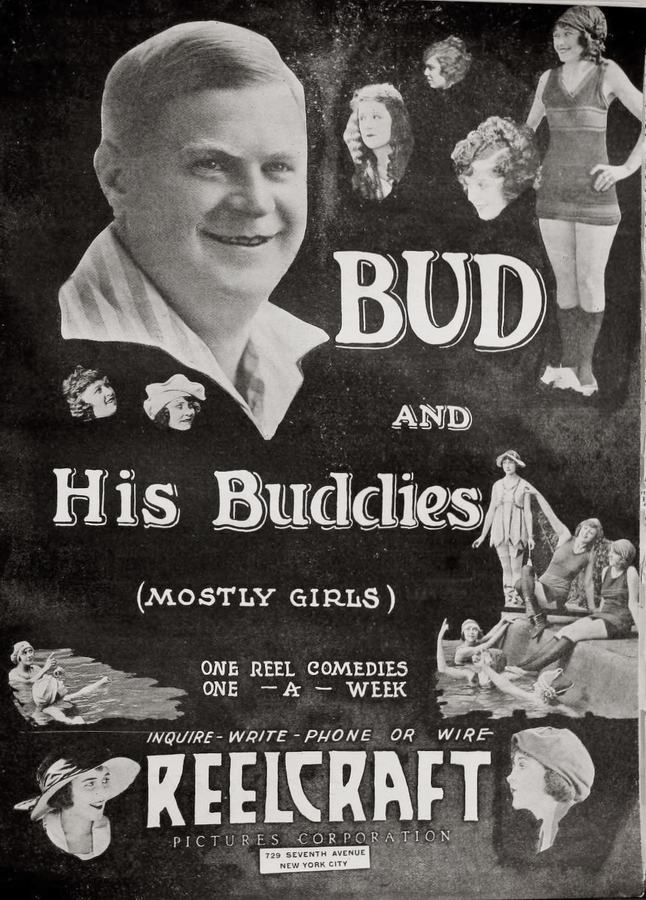
The cast, led by the incomparable Bud Duncan, brings to life a tapestry of characters that are as flawed as they are fascinating. Each character's journey, intertwined with the others, contributes to the rich narrative that is both a testament to the human spirit and a poignant reminder of our vulnerabilities. The performances are nuanced, capturing the subtleties of human emotion with a precision that is both captivating and heartbreaking. The chemistry between the actors is palpable, making the relationships depicted on screen feel genuinely lived-in and authentic.
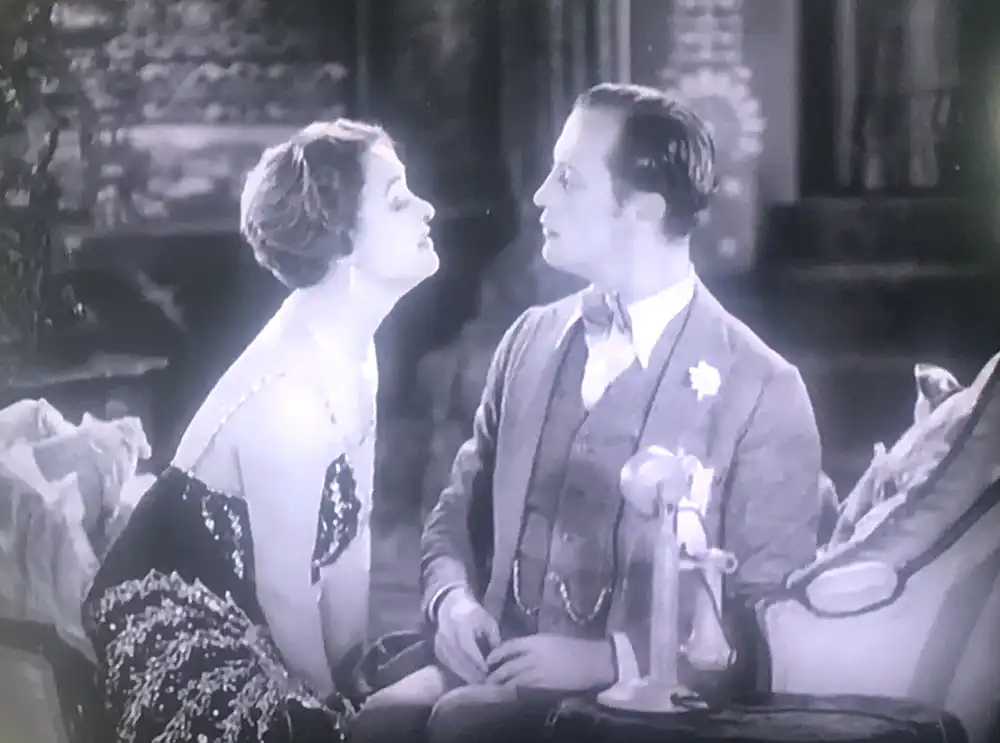
Visually, Chicken Hunting is a treat, with cinematography that paints a picture of the world that is both stark and beautiful. The use of light and shadow adds depth to each scene, underscoring the emotional state of the characters and drawing the viewer into their world. The score, subtle yet evocative, complements the visual elements perfectly, enhancing the emotional impact of key moments without overwhelming the dialogue or the inherent drama of the scenes.
In comparison to other films of its ilk, such as A Lady's Tailor and Dockan eller Glödande kärlek, Chicken Hunting stands out for its unflinching yet compassionate portrayal of its characters. It does not shy away from the harsh realities of life but instead chooses to illuminate them, using the darkness as a backdrop against which the resilience and beauty of the human spirit can shine through. This approach is also seen in films like The Man Trail and La forza della coscienza, which, though differing in subject matter, share a common thread of exploring the depths of human emotion and experience.
The historical context in which Chicken Hunting is set adds another layer of complexity to the narrative, touching on themes of societal change and the impact of external events on personal lives. This is a theme that has been explored in various forms of cinema, from the early days of film with Jeffries-Johnson World's Championship Boxing Contest, Held at Reno, Nevada, July 4, 1910 to more contemporary works like The Beggar Prince and Les grands. Each of these films, in its own way, contributes to a broader conversation about the human condition, society, and the enduring power of cinema to reflect, comment on, and influence our understanding of the world and ourselves.
In its portrayal of family dynamics and the challenges of maintaining relationships in the face of adversity, Chicken Hunting also finds common ground with films such as The Family Honor, A Bit o' Heaven, and Brothers Divided. These films, each unique in its approach and setting, share a concern with exploring the intricacies of human relationships and the ways in which they are tested by internal and external forces. The resilience of family bonds, the struggle for personal identity within a familial context, and the quest for understanding and forgiveness are all themes that are woven into the narrative of Chicken Hunting, making it a compelling addition to the canon of films that explore the human experience.
Furthermore, the film's ability to balance light-hearted moments with deeper, more profound reflections on life is a testament to its well-crafted narrative. This balance is reminiscent of films like On Our Selection and The Haunted Bedroom, which also manage to blend elements of comedy and drama to create a rich and engaging viewing experience. The inclusion of such contrasting elements not only adds depth to the story but also makes Chicken Hunting a film that appeals to a wide range of audiences, each able to find something within its narrative that resonates with their own experiences and emotions.
The cinematographic choices in Chicken Hunting are equally noteworthy, with a keen eye for detail that captures the essence of each scene. The use of color, or the lack thereof, adds a layer of emotional depth to the film, drawing the viewer into the world of the characters. This attention to visual detail is something that is shared with films such as Dolly's Vacation, where the visual elements play a crucial role in setting the tone and atmosphere of the narrative. In Chicken Hunting, this visual storytelling complements the performances of the cast, creating a cinematic experience that is both aesthetically pleasing and emotionally resonant.
IMDb —
1926
Community
Log in to comment.