DbcultAccessing Vault...
6.6/10
Senior Film Conservator
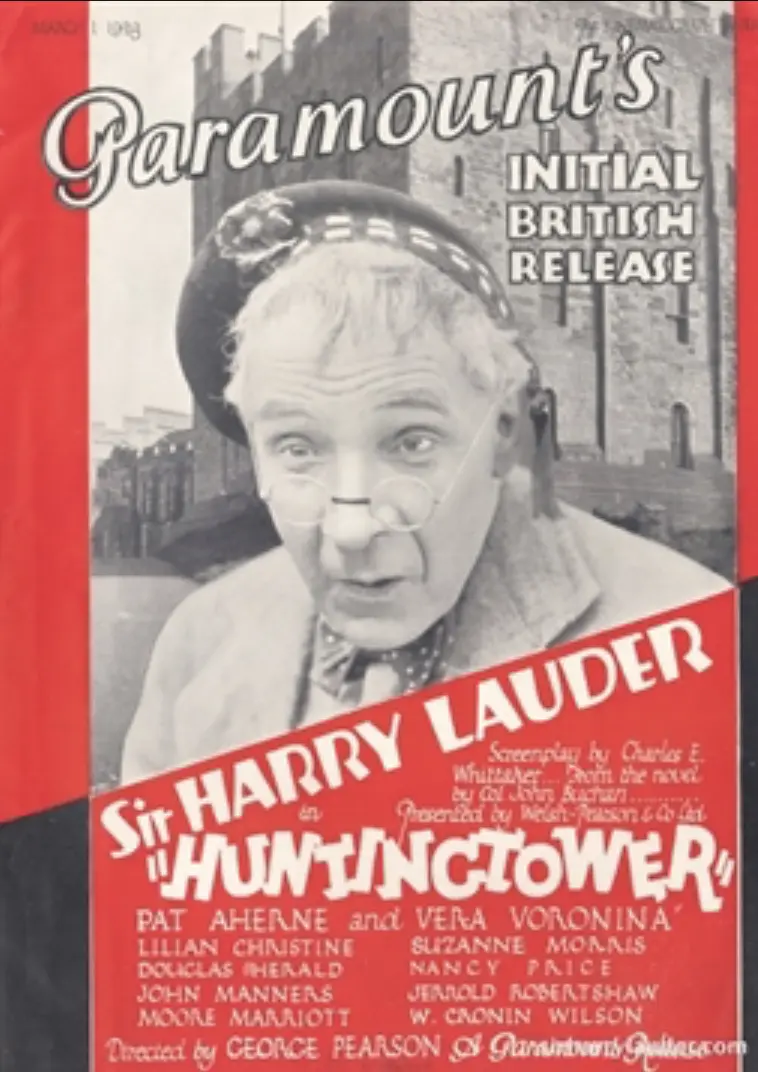
A definitive 6.6/10 rating for a film that redefined the boundaries of cult cinema. Huntingtower remains a cornerstone of transgressive art.
Is "Huntingtower" worth watching today? Short answer: yes, but with significant caveats that speak to its age and the era it represents. This silent adaptation of John Buchan’s novel is a fascinating historical artifact and a surprisingly engaging adventure for those willing to meet it on its own terms, but it is certainly not for everyone.
This film works because of its charmingly earnest performances and its pioneering spirit in adapting a popular adventure novel for the screen, capturing a sense of genuine peril and plucky heroism. This film fails because its pacing can feel glacial by modern standards, and some of its narrative conveniences strain credulity even for the silent era, leaving certain character motivations underdeveloped. You should watch it if you have a keen interest in silent cinema, adaptations of classic adventure literature, or enjoy films that offer a unique window into early 20th-century storytelling and cultural anxieties.
In the annals of British silent cinema, certain films stand out not just for their technical prowess, but for their sheer ambition in bringing beloved literary works to life. "Huntingtower", a 1927 adaptation of John Buchan's 1922 novel, is precisely one such endeavor. It arrives on screen with the considerable weight of its literary heritage, attempting to translate Buchan’s distinctive blend of espionage, adventure, and patriotic fervor into a visual medium still finding its voice.
Directed by George Pearson, this film represents a particular strand of British filmmaking that sought to capture the zeitgeist of post-Great War anxieties and the enduring appeal of the amateur hero. Buchan's work, often characterized by its blend of high adventure and geopolitical intrigue, provided fertile ground for cinematic exploration, even in the nascent days of the moving picture. "Huntingtower" is more than just a period piece; it’s a blueprint for the British adventure film, showcasing themes and archetypes that would echo through decades of cinema.
At the heart of "Huntingtower" lies Dickson McCunn, portrayed with a delightful blend of earnestness and burgeoning bravery by Moore Marriott. McCunn is no dashing secret agent; he's a retired grocer, a man whose greatest adventures previously involved stock rotation and customer satisfaction. This grounded, everyman quality is crucial to the film's appeal, immediately drawing the audience into a scenario where an ordinary individual is thrust into extraordinary circumstances. Marriott’s performance, relying heavily on subtle facial expressions and body language characteristic of the silent era, effectively communicates McCunn's initial bewilderment and his gradual steeling of resolve.
His transformation is not a solitary one. McCunn finds his most unexpected allies in the 'Gorbals Die-Hards,' a spirited gang of Glasgow street boys. This contingent, led by the charismatic Harry Lauder (a rather surprising appearance from the famous Scottish entertainer), injects a vibrant, almost slapstick energy into the narrative. Their boisterous camaraderie and street-smart resourcefulness provide a stark, yet effective, contrast to the more conventional espionage elements. The film leverages their youthful exuberance and loyalty, portraying them not as mere comic relief, but as integral, capable participants in the rescue mission. Their scenes are often the most dynamic, showcasing a kinetic energy that belies the film's age. It's an unconventional pairing that, against all odds, works.
The object of their rescue, the young Russian Prince Paul, played by John Manners, and the mysterious 'Princess' (Lillian Christine), provide the emotional core of the intrigue. Christine, in particular, carries a quiet dignity and a palpable sense of desperation, her wide, expressive eyes conveying more than any intertitle could. Her presence elevates the stakes, grounding the adventure in a human struggle for survival against a ruthless political machine.
George Pearson’s direction in "Huntingtower" demonstrates a commendable grasp of silent film techniques, particularly in building suspense. He understands the power of visual storytelling, often relying on close-ups to emphasize emotional states or crucial plot details. A particularly effective moment involves a sequence where the Bolshevik agents, shadowy figures in trench coats, are first glimpsed lurking in the background, their presence a silent, chilling threat that immediately elevates the tension. Pearson doesn't overplay their menace, instead allowing their calculated movements and grim expressions to do the heavy lifting.
The action sequences, while perhaps less explosive than modern thrillers, are choreographed with a clear sense of purpose. The climactic confrontation within the titular Huntingtower itself is a masterclass in spatial tension, with characters moving through confined spaces, using shadows and unexpected entrances to create a sense of cat-and-mouse. Pearson makes excellent use of the Scottish coastal setting, integrating the rugged landscape and the isolated tower into the narrative as both a refuge and a trap. The way the camera often frames the tower against the stormy skies, for example, is a simple yet effective visual metaphor for the perilous situation unfolding within its walls.
However, there are moments where the direction feels a little too stage-bound, betraying its theatrical roots. Some scenes, particularly those involving extensive dialogue conveyed through intertitles, tend to halt the visual momentum. This is a common challenge for silent films, but in "Huntingtower", the transition between dynamic action and static exposition can occasionally feel abrupt, disrupting the flow that Pearson so carefully builds elsewhere.
The cinematography in "Huntingtower", while not groundbreaking, is certainly effective. The use of natural light in the Scottish outdoor scenes lends an authentic, almost documentary feel to the coastal landscapes, contrasting sharply with the more stylized, often darker interiors of the tower and the Bolshevik hideouts. There’s a noticeable effort to create atmosphere through lighting; shadows are frequently employed to denote villainy or impending danger, a classic trope that still resonates. For instance, the conspirators are almost always introduced in dimly lit rooms, their faces obscured, immediately signaling their sinister intent.
Production design, within the constraints of the era, is commendable. The Huntingtower itself feels appropriately ancient and imposing, a character in its own right that serves as both a fortress and a prison. The contrast between the quaint, almost idyllic Glasgow streets where McCunn resides and the stark, windswept Scottish coast is visually striking, effectively transporting the audience between different worlds. The costuming, too, plays a vital role, from McCunn’s unassuming grocer attire to the more formal, yet practical, clothing of the Russian exiles, all contributing to the film’s sense of historical realism and narrative distinction.
One surprisingly effective visual element is the depiction of the Gorbals boys. Their ragged, individualistic clothing immediately establishes their streetwise identity, setting them apart from the more polished or sinister adult figures. The camera often lingers on their determined faces, capturing their youthful spirit and unwavering loyalty, adding a layer of visual texture to their collective portrayal.
The pacing of "Huntingtower" is undeniably a product of its time. Modern audiences accustomed to rapid-fire editing and constant narrative propulsion might find the early exposition somewhat languid. The film takes its time establishing McCunn’s character and his quiet life, building a foundation before the adventure truly kicks off. This deliberate approach allows for a deeper immersion into the world, but it demands patience. Once the plot gears begin to turn, however, the pace quickens, particularly during the sequences involving the hunt for the prince and the subsequent siege of the tower. These moments are filled with genuine suspense, driven by clever cross-cutting between the various factions.
The tone is a fascinating blend of adventure, lighthearted camaraderie, and genuine peril. There’s a distinct sense of British pluck, an almost quaint patriotism that underpins the narrative. The 'Gorbals Die-Hards' provide much of the film's levity, their antics offering a welcome counterbalance to the grim determination of the Bolsheviks. Yet, the film never shies away from the real threat posed by the antagonists, ensuring that the stakes feel substantial. This tonal balance is one of the film's strengths, allowing it to be both an exciting thriller and a charming character study.
The use of intertitles, while essential for conveying dialogue and plot points in a silent film, is handled with varying degrees of grace. Some are pithy and impactful, advancing the story efficiently. Others, particularly those explaining complex political motivations or backstory, can feel a little cumbersome, momentarily breaking the visual spell. It’s a testament to the actors’ performances and Pearson’s visual direction that the film largely transcends these textual interruptions, maintaining an emotional connection even when the screen is filled with words.
The ensemble cast of "Huntingtower", despite the limitations of silent film acting, delivers performances that are largely compelling. Moore Marriott, as Dickson McCunn, is the undeniable anchor. His transformation from a slightly bumbling, well-meaning grocer to a resourceful, determined leader is thoroughly believable. One particular scene where he first confronts the reality of the danger, his face shifting from confusion to a focused resolve, is a testament to his nuanced silent performance. He avoids caricature, grounding McCunn in a relatable human experience.
Lillian Christine as the 'Princess' (though later revealed to be the Prince's sister) brings a quiet strength and vulnerability to her role. Her expressions of fear, hope, and determination are poignant, making her plight genuinely affecting. She doesn’t need extensive dialogue to convey the weight of her situation; her eyes and posture communicate volumes. Her performance is a standout, providing the emotional urgency that drives much of the plot.
The 'Gorbals Die-Hards', a collective force, are truly memorable. Harry Lauder, in a role that perhaps plays on his public persona, leads them with an infectious energy. Their collective dynamism, whether in their boisterous camaraderie or their surprisingly effective strategizing, adds a unique flavor to the film. They represent a working-class heroism that is both charming and effective, a refreshing departure from typical adventure sidekicks. The authenticity of their youthful mischief and loyalty is genuinely surprising for a film of this period.
The villains, while broadly drawn, are effectively menacing. Jerrold Robertshaw and Douglas Herald as the Bolshevik agents manage to be genuinely sinister without resorting to overly theatrical villainy. Their cold, calculated demeanor, often conveyed through subtle sneers or narrowed eyes, makes them credible threats, emphasizing the gravity of the political stakes.
"Huntingtower", like much of John Buchan’s work, is steeped in themes that reflect the anxieties and values of early 20th-century Britain. At its core, it’s a story about ordinary people rising to extraordinary challenges. The juxtaposition of the retired grocer and the street urchins saving a Russian prince from Bolsheviks speaks volumes about class and heroism. It posits that courage is not the sole preserve of the aristocracy or the military elite, but can be found in the most unexpected corners of society. This democratic view of heroism is a powerful undercurrent, making the film resonate beyond its adventure plot.
The film also touches upon the political turbulence of the time, particularly the fear of Bolshevism and its perceived threat to established order. While the portrayal of the Bolsheviks is undoubtedly simplistic and serves primarily as a narrative device for villainy, it reflects a genuine geopolitical concern of the era. This adds a layer of historical context, transforming a simple adventure into a commentary on contemporary fears.
Ultimately, "Huntingtower" is a celebration of resourcefulness, loyalty, and the indomitable spirit of cooperation. It argues that disparate individuals, when united by a common cause, can overcome seemingly insurmountable odds. This message of collective bravery, particularly exemplified by the 'Gorbals Die-Hards,' gives the film a heartwarming quality that endures long after the credits roll.
Yes, "Huntingtower" is absolutely worth watching, especially for specific audiences. If you're a devotee of silent cinema, a fan of John Buchan's literary adventures, or simply curious about the evolution of the thriller genre, this film offers a unique and rewarding experience. It provides valuable insight into the filmmaking techniques and storytelling conventions of the 1920s, showcasing how suspense and character were built without dialogue.
However, it demands a certain level of engagement and patience. Those expecting the rapid-fire editing and complex character arcs of modern cinema might find its pace challenging. It’s a film that asks you to adjust your viewing habits, to appreciate the artistry of a bygone era. For those willing to make that adjustment, it reveals itself as a charming, surprisingly robust adventure that still holds a quiet power.
"Huntingtower" is a delightful relic, a testament to the enduring power of a good story and the ingenuity of early filmmakers. It works. But it’s flawed. Its charm lies in its earnestness, its unconventional heroes, and its surprisingly effective blend of suspense and lighthearted adventure. While it may require a shift in viewing expectations, the rewards are significant: a glimpse into a foundational piece of British cinema that still manages to entertain and inspire.
It's a film that proves heroism isn't just for the dashing spies or the powerful, but for the unassuming grocer and a band of spirited kids from the wrong side of the tracks. It’s a quiet triumph for its era, and a compelling watch for those who appreciate the rich tapestry of film history. Don't expect a modern blockbuster, but do expect a genuine adventure with a heart of gold. For fans of similar period pieces or silent era gems like The City, this is a must-see.
IMDb 5.4
1925
Community
Log in to comment.