DbcultAccessing Vault...
6.5/10
Senior Film Conservator
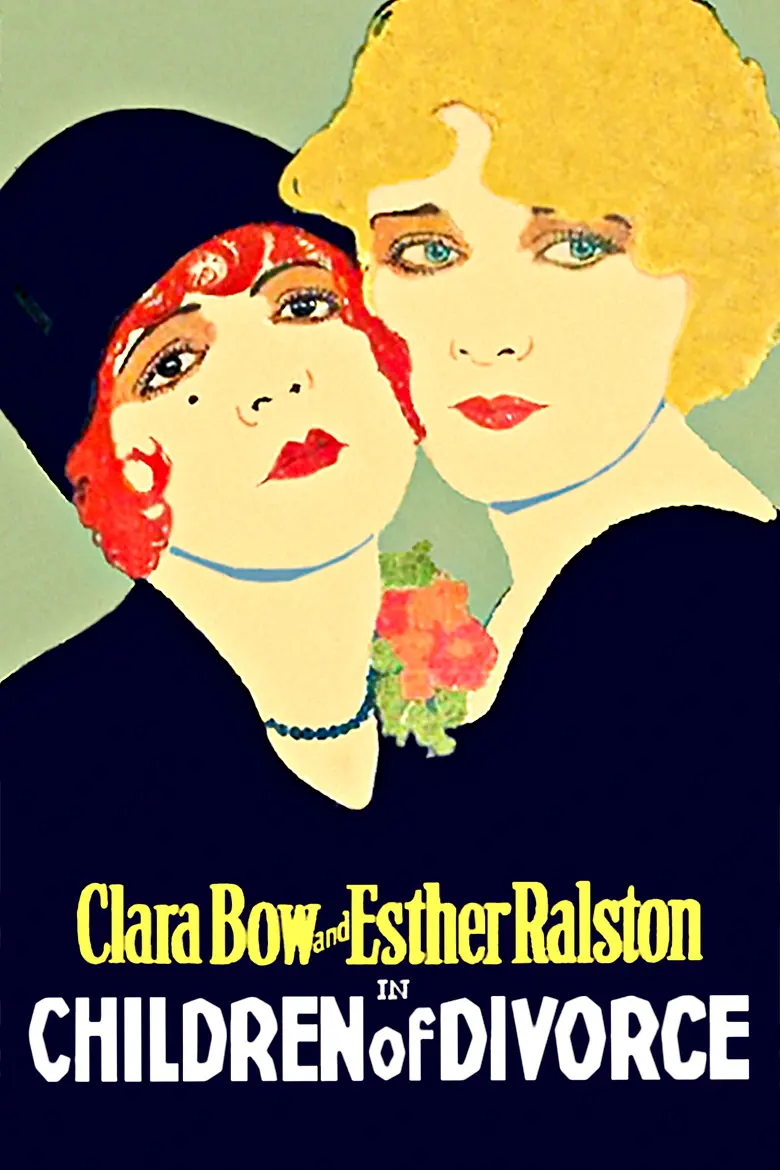
A definitive 6.5/10 rating for a film that redefined the boundaries of cult cinema. Children of Divorce remains a cornerstone of transgressive art.
Should you invest your time in a silent film about 1920s socialites and their marital woes? Short answer: yes, but only if you are willing to look past the surface-level melodrama to see the raw, jagged edges of early Hollywood social commentary. This film is a must-see for those fascinated by the transition of silent cinema into psychological realism, but it will likely frustrate viewers who demand logical character motivations or fast-paced modern editing.
This film works because it captures the genuine anxiety of a generation raised in the fallout of the first major wave of American divorce, using Clara Bow’s kinetic energy to mask a deep, underlying sadness. This film fails because its central plot point—a forced marriage born of a drunken prank—requires a level of suspension of disbelief that even the most romantic viewers might find taxing. You should watch it if you want to see the exact moment Gary Cooper transformed from a lanky extra into a legitimate screen presence, or if you want to see Josef von Sternberg’s uncredited influence on a Paramount potboiler.
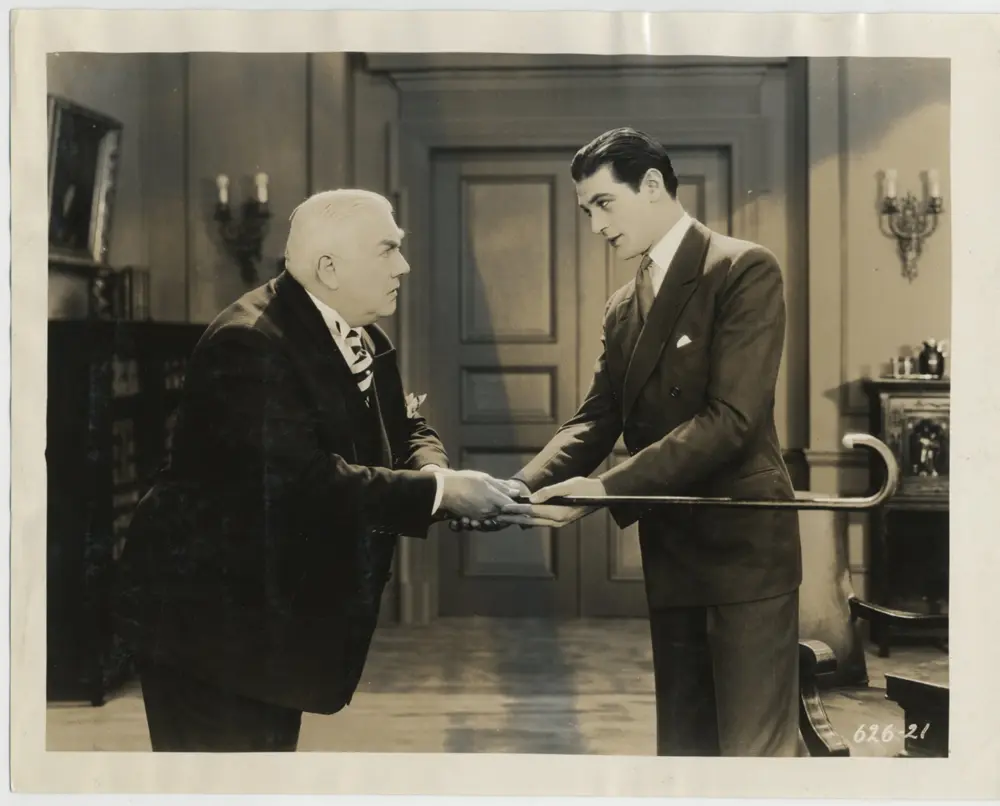
Yes, Children of Divorce is worth watching today because it serves as a fascinating time capsule of 1920s morality and cinematic evolution. Unlike many of its contemporaries that treated marriage as a fairy-tale ending, this film treats it as a potential prison. It offers a rare, cynical look at how parental trauma dictates the romantic failures of the next generation. It is a messy film, but it is an honest one.
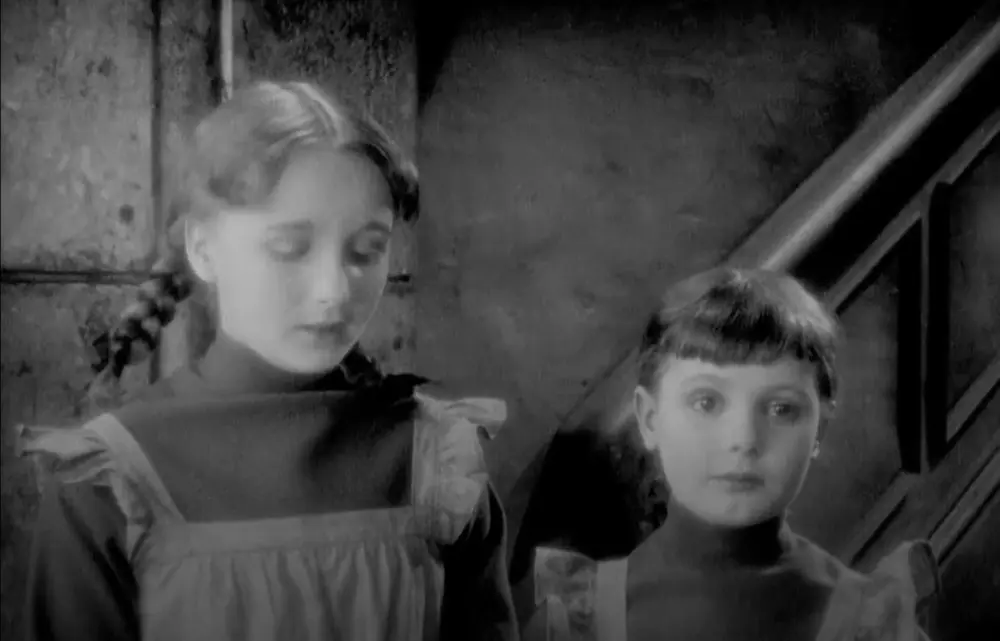
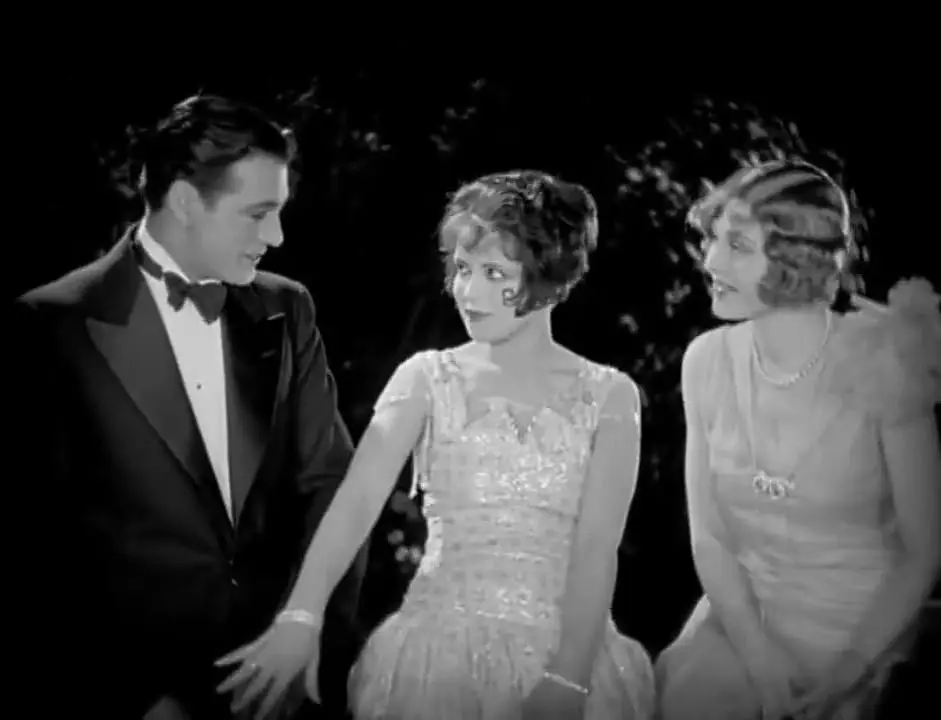
The film opens with a haunting prologue set in a 'divorce colony'—a boarding school for the children of wealthy, separating parents. This sequence is essential. It establishes the foundational wound shared by Kitty (Clara Bow), Jean (Esther Ralston), and Ted (Gary Cooper). We see them as lonely children, abandoned by parents more interested in their next flings than their offspring. This isn't just window dressing; it's the psychological blueprint for everything that follows.
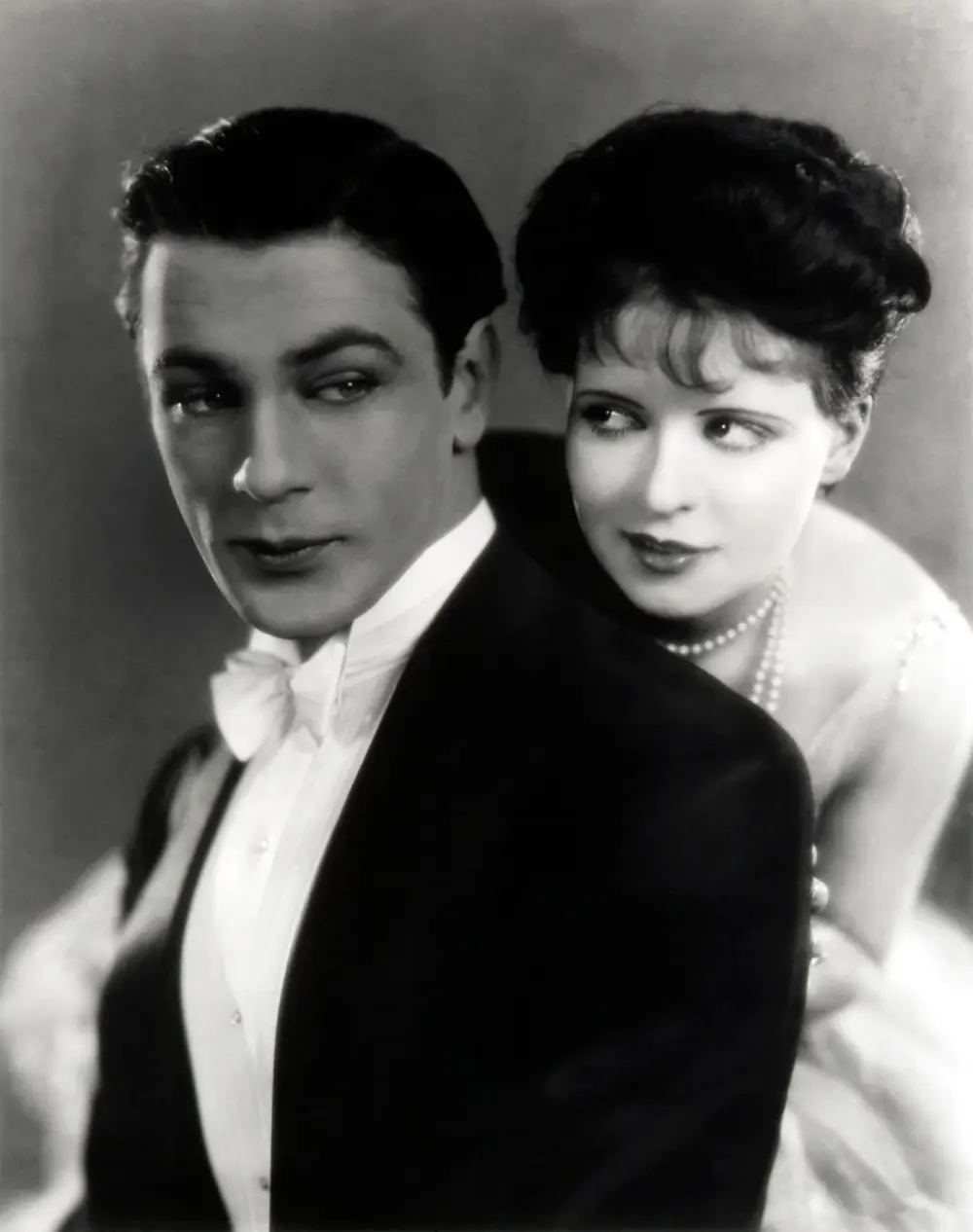
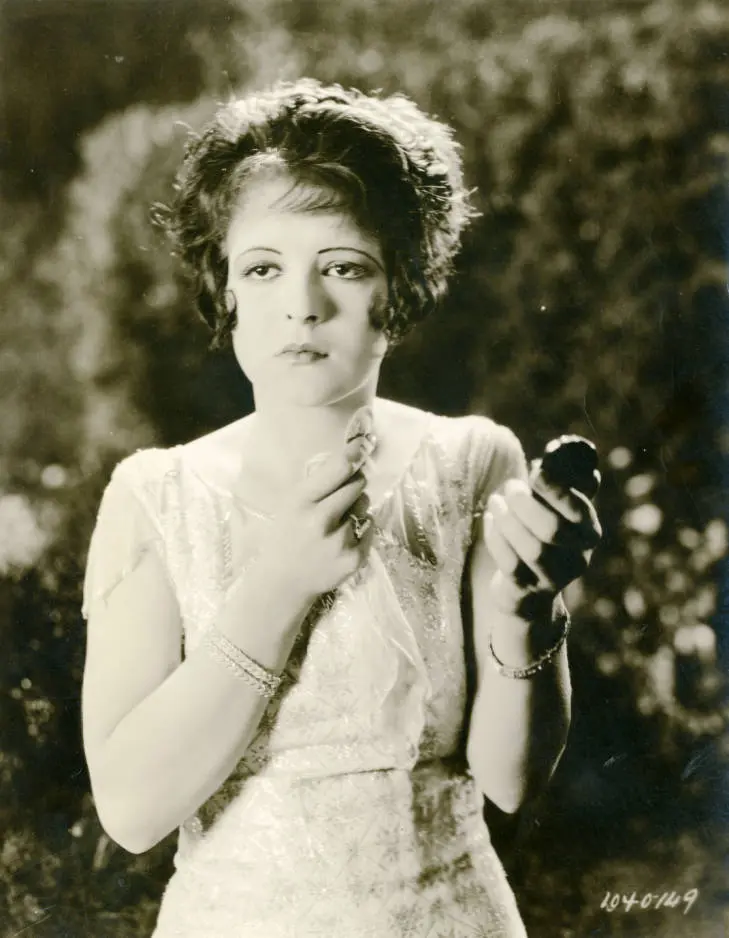
When the film jumps to their adulthood, the contrast is jarring. Kitty has become the quintessential flapper, a whirlwind of fringe and forced laughter. Bow plays her with a frantic desperation that feels remarkably modern. She isn't just 'fun'; she is running away from the vacuum of her upbringing. In one specific scene at a late-night party, the way Bow’s eyes dart around the room reveals a woman who is terrified of being alone with her own thoughts. It is a masterclass in silent acting that transcends the 'It Girl' persona.
Ted, played by a young Gary Cooper, is the weak link in the chain—not because of Cooper’s acting, but because of the character’s fundamental passivity. Ted loves Jean, but his fear of divorce is so potent that he refuses to marry her. This paradox is the engine of the tragedy. Cooper, in one of his earliest major roles, brings a soulful, puppy-like vulnerability to Ted. You can see the future icon struggling to emerge from the suit of a socialite. His chemistry with Ralston is sweet, which makes Kitty’s eventual intervention feel all the more predatory.
It is well-documented in film history that the original cut of Children of Divorce was considered a disaster by Paramount executives. They brought in Josef von Sternberg to reshoot nearly half the film in a matter of days. While Frank Lloyd is the credited director, the Sternberg influence is palpable in the film’s more atmospheric moments. The lighting becomes moodier, the shadows more aggressive, and the framing more claustrophobic as the marriage between Kitty and Ted begins to rot.
Consider the scene where Kitty realizes the depth of Ted’s misery. The camera lingers on the opulence of their home, but the lighting suggests a tomb. It’s a stark contrast to the breezy, outdoor light seen in films like The Flower Girl. Here, wealth is not a comfort; it is the bars of the cage. The cinematography tells the story of emotional bankruptcy far better than the title cards ever could.
The pacing of the film is its greatest enemy. The transition from the childhood prologue to the adult drama is smooth, but the middle act—the drunken marriage and its immediate aftermath—feels rushed. We move from a party to a wedding to a state of domestic war in what feels like minutes. This lack of breathing room prevents the audience from fully mourning the loss of Ted and Jean’s relationship before the new, toxic status quo is established.
The film is surprisingly cynical for 1927. It doesn't offer easy redemptions. Kitty’s decision to trick Ted isn't framed as a grand romantic gesture, but as a survival tactic. She wants his money and his status because she has never known the stability of a home. It’s a selfish, destructive act, and the film doesn't shy away from that. In a way, it shares the DNA of more grounded dramas like Journey's End, where the characters are victims of a system they didn't create.
Even the 'good' character, Jean, is complicit in her own misery. Her refusal to fight for Ted, and her subsequent martyr-like suffering, feels like a critique of the rigid social expectations of the time. She is the 'pure' woman, but her purity is a death sentence for her happiness. This thematic depth elevates the film above standard silent melodramas like The Third Kiss or The Crimson Runner.
"The tragedy of the film isn't that they don't love each other; it's that they don't know how to be loved without breaking it."
When compared to other films of the late 20s, such as The Climbers, Children of Divorce feels much more intimate and character-driven. While many films of the era focused on the spectacle of wealth, this film focuses on the rot beneath the gold leaf. It shares a certain grimness with Stolen Orders, though it swaps espionage for emotional warfare.
Even Gary Cooper’s performance here, while unpolished, shows a depth not seen in his more action-oriented early work like Whispering Smith. He is playing a man paralyzed by his own history, a theme that would resonate throughout his career. The film's willingness to end on a note of sacrifice and regret, rather than a forced happy ending, sets it apart from the populist fare of the time.
Children of Divorce is a flawed but essential piece of cinematic history. It works. But it’s flawed. The film’s greatest strength is its refusal to let its characters off the hook. It forces them to live with the consequences of their fear and their impulsivity. While the setup is pure soap opera, the execution is pure tragedy. It is a haunting reminder that the 'Roaring Twenties' were often just a loud way of screaming for help. If you can forgive the creaky plot mechanics, you will find a film with a surprising amount of soul.
IMDb —
1923
Community
Log in to comment.