DbcultAccessing Vault...
2.9/10
Senior Film Conservator
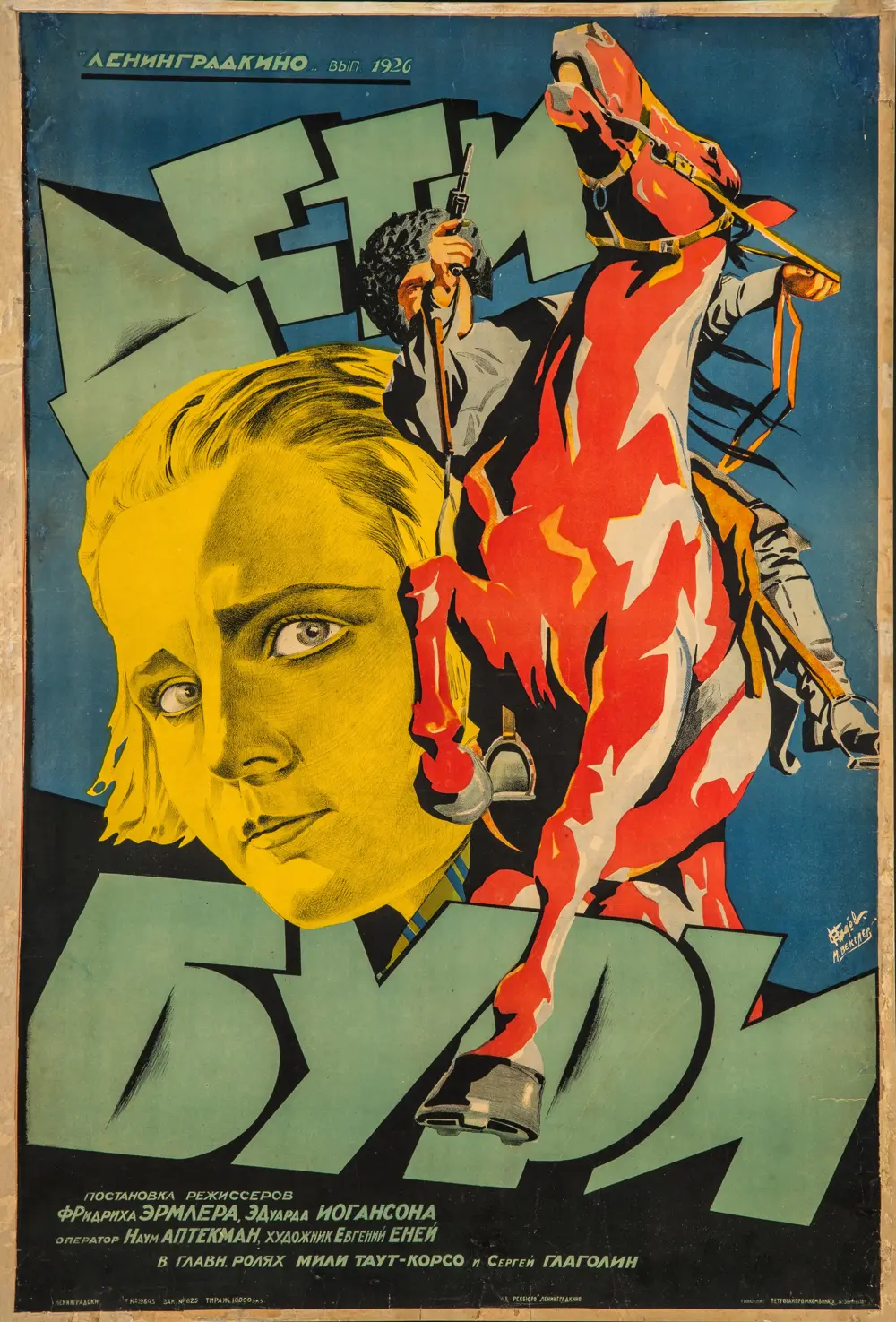
A definitive 2.9/10 rating for a film that redefined the boundaries of cult cinema. Children of the Storm remains a cornerstone of transgressive art.
Is Children of the Storm worth your time in the modern era? Short answer: yes, but only if you have a stomach for ideological intensity and a genuine interest in the evolution of film grammar. This isn't a popcorn flick; it is a raw, jagged piece of history that demands your full attention.
This film is for students of the Soviet montage era and those who appreciate cinema that captures the immediate, unpolished pulse of a nation in transition. It is absolutely not for anyone seeking escapism or a traditional narrative arc with a tidy emotional payoff. It is a difficult, demanding, and ultimately rewarding watch for the patient cinephile.
1) This film works because it captures the genuine, unsimulated exhaustion of the post-war Soviet youth, using faces that look like they've actually seen a trench.
2) This film fails because its narrative structure often buckles under the weight of its own didacticism, prioritizing the 'message' over character logic in the final act.
3) You should watch it if you want to see the bridge between the experimentalism of Kino-pravda no. 4 and the psychological realism that would later define Soviet masterpieces.
Children of the Storm arrives at a fascinating junction in cinema history. Directed by Fridrikh Ermler and Eduard Ioganson, it lacks the polished, almost operatic quality of Eisenstein, opting instead for a street-level grit that feels uncomfortably modern. The film doesn't just show you the revolution; it shows you the hangover that follows. The characters, played with a startling lack of vanity by Sergey Glagolin and Veronika Buzhinskaya, are not the chiseled icons of later Stalinist art. They are scruffy, tired, and occasionally lost.
Take, for instance, the early sequence where the youth brigade transitions from the front lines to the factory floor. There is no triumphant music here. Instead, Ermler uses rapid-fire editing to juxtapose the rhythm of the machine with the lingering trauma of the soldier. It’s a sequence that feels more akin to the psychological dread found in The Burning Soil than a typical patriotic anthem. The camera lingers on greasy hands and flickering eyes, making the industrialization process feel like a physical assault rather than a glorious achievement.
Veronika Buzhinskaya delivers a performance that anchors the film’s more chaotic moments. In a scene where her character must choose between a personal connection and her duty to the collective, her face becomes a landscape of conflicted loyalties. It’s a subtle piece of acting that stands in stark contrast to the broader, more theatrical styles prevalent in Western films of the same year, such as the melodrama found in Her Bargain Day.
Sergey Glagolin provides the necessary friction. He represents the restless energy of the 'storm' mentioned in the title. His performance is twitchy and unpredictable. He doesn't just walk into a room; he invades it. This energy is what keeps the film from becoming a dry lecture on Marxist principles. There is a palpable sense of danger in his presence, a reminder that the fire used to win a war is hard to extinguish once the shooting stops. The chemistry between the ensemble feels lived-in, likely a result of the directors’ insistence on casting actors who understood the social stakes of the material.
Fridrikh Ermler is a director who deserves more contemporary recognition. While contemporaries were obsessed with the 'attractions' of the montage, Ermler was interested in the 'man' within the montage. In Children of the Storm, he uses the camera to interrogate his characters. There are close-ups in this film that feel like they are trying to peel back the skin of the actors to see the politics underneath. It’s a brutal, invasive style that works perfectly for a story about internalizing a new social order.
The pacing, however, is where the film shows its age. It’s erratic. One moment you are swept up in a brilliantly choreographed sequence of industrial labor, and the next, you are bogged down in a static scene of political debate that feels like reading a pamphlet. This unevenness is common in 1920s Soviet cinema, where the line between art and education was intentionally blurred. Compared to the fluid, albeit simpler, storytelling of Three Jumps Ahead, Children of the Storm feels like a jagged rock—hard to swallow, but undeniably substantial.
Visually, the film is a masterclass in high-contrast lighting. The shadows aren't just black; they are oppressive. The use of natural light in the outdoor scenes gives the film a documentary-like quality that predates the Italian Neorealism movement by decades. There is a specific shot of a factory chimney silhouetted against a grey sky that perfectly encapsulates the film’s tone: it’s both an omen of progress and a tombstone for the past.
The cinematography doesn't try to beautify the poverty of the era. The sets are cluttered, dirty, and cramped. This honesty is the film’s greatest strength. When you see the characters living in these conditions, their commitment to the 'cause' feels more earned. It’s not a lifestyle choice; it’s a survival strategy. This level of environmental storytelling is something many modern period pieces, obsessed with clean aesthetics, fail to replicate. It reminds me of the stark realism found in Autour de la roue, where the setting is as much a character as the humans.
Yes, Children of the Storm is worth watching because it provides an unfiltered look at the psychological landscape of 1920s Russia. It is a rare artifact that manages to be both a tool of the state and a deeply personal exploration of youth. If you can look past the heavy-handed ideological messaging, you will find a film that is surprisingly human, technically ambitious, and emotionally resonant. It is a vital piece of the puzzle for anyone trying to understand the history of world cinema.
Pros:
- Exceptional use of high-contrast cinematography.
- A rare, gritty look at the Komsomol youth.
- Directorial techniques that prefigure neorealism.
- A powerful, unsentimental ending.
Cons:
- Overtly didactic in several key scenes.
- Pacing issues that may alienate modern audiences.
- Some supporting characters are mere caricatures of 'the enemy'.
Let’s be blunt: the film is propaganda. But to dismiss it on those grounds is to miss the point of 1920s cinema entirely. In the Soviet context of 1926, film was the 'most important of all arts' precisely because it could shape the consciousness of the masses. What makes Children of the Storm interesting is that it doesn't always succeed in its propaganda. There are moments where the human cost of the revolution seems to outweigh the benefits being preached on screen.
This tension—between what the directors were supposed to show and what they actually captured—is where the film’s true value lies. It’s a debatable point, but I would argue that Ermler was more interested in the struggle than the victory. The 'Storm' in the title isn't just the revolution; it's the internal chaos of a generation that has been told they are the future, but still feels like the debris of the past. It works. But it’s flawed.
Children of the Storm is a fascinating, if occasionally frustrating, relic. It lacks the polish of later Soviet works but more than makes up for it with raw energy and technical bravery. It is a film that demands to be seen in its historical context, yet its depiction of the burdens placed on the youth feels strangely timeless. It is a jagged, uncomfortable, and essential viewing for those who believe cinema should do more than just entertain. It should provoke, and nearly a century later, this film still does.
IMDb —
1915
Community
Log in to comment.