DbcultAccessing Vault...
6/10
Senior Film Conservator
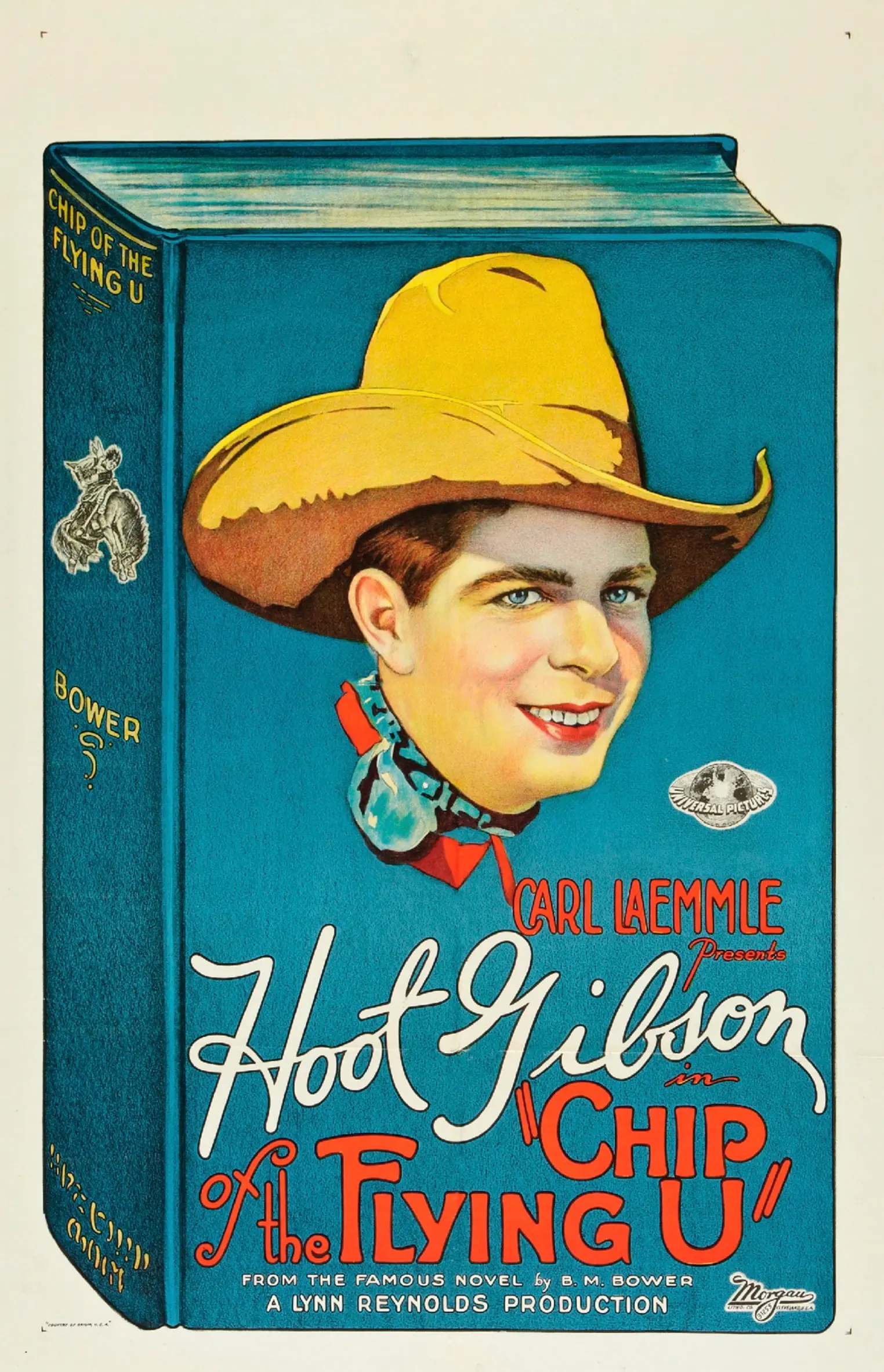
A definitive 6/10 rating for a film that redefined the boundaries of cult cinema. Chip of the Flying U remains a cornerstone of transgressive art.
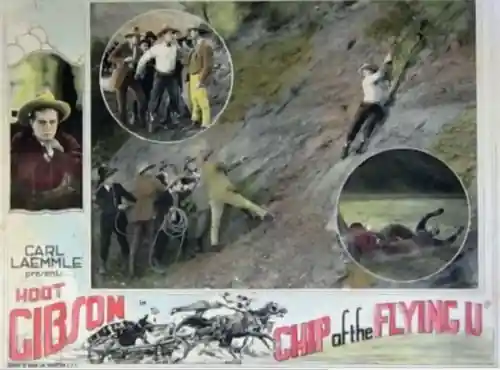
Is 'Chip of the Flying U' worth your time today? The short answer is a resounding 'yes,' but with significant caveats that demand a critical eye and a robust sense of historical context. This 1926 silent Western offers a fascinating, albeit deeply problematic, glimpse into early cinematic romance and the evolving norms of courtship on screen.
It's a film for those with an academic interest in silent cinema, fans of early Westerns, and viewers willing to engage with a narrative that challenges modern sensibilities. However, it is decidedly not for anyone seeking a feel-good romance, a morally straightforward hero, or those uncomfortable with themes of deception and non-consensual romantic resolution.
Lynn Reynolds’ 'Chip of the Flying U' is a curious artifact. On one hand, it’s a delightful showcase for the charismatic Hoot Gibson, a genuine cowboy star whose screen presence is undeniable. On the other, it presents a romantic plotline that, by contemporary standards, veers sharply from charmingly old-fashioned to outright disturbing. This duality is what makes the film such compelling viewing, not necessarily for its inherent quality as a 'great' film, but for its invaluable commentary on societal attitudes of its era.
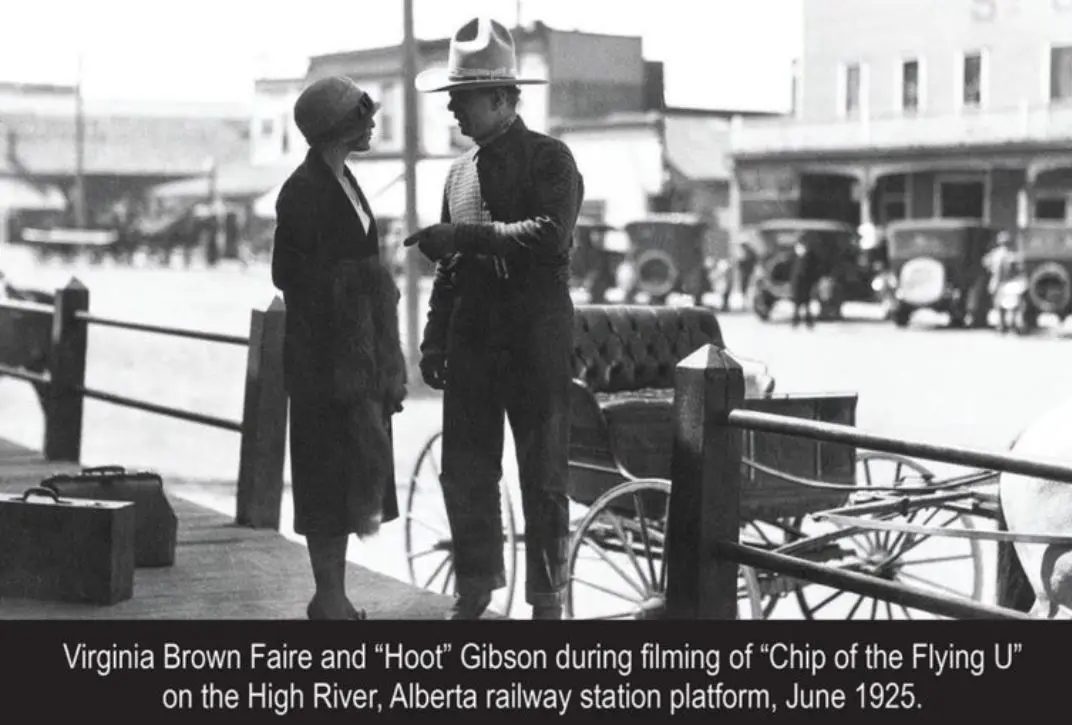
This film works because of Hoot Gibson's undeniable star power and the surprisingly engaging comedic setup of Chip's initial deception. It offers a rare, unfiltered look into the romantic ideals and problematic tropes of 1920s cinema.
This film fails because its central romantic resolution is built upon a foundation of deceit and ultimately culminates in an act that is, by any modern measure, deeply troubling and morally indefensible, undermining any goodwill built in earlier acts.
You should watch it if you are a film historian, a silent cinema enthusiast, or someone interested in the evolution of gender dynamics and romantic portrayal in early Hollywood, provided you approach it with a critical, historically informed perspective. If you're looking for an escapist, unproblematic love story, look elsewhere. Perhaps consider Wuthering Heights for a different kind of intense, albeit still complex, romance.
The narrative of 'Chip of the Flying U' unfolds with a disarming simplicity that quickly gives way to complex ethical questions. Chip Bennett, portrayed by Hoot Gibson, is introduced as a staunch misogynist, a character trait that immediately sets up an ironic trajectory for his inevitable capitulation to love. His target is Dr. Della Whitmore, the sister of his employer, whose arrival punctures Chip's self-assured bachelorhood.
What follows is not a gentle wooing, but a calculated campaign. Chip’s decision to fake an ankle injury to keep Della close is a testament to his manipulative resourcefulness, thinly veiled beneath a veneer of cowboy charm. This initial deception, played for laughs in a way that feels almost quaint today, forms the bedrock of their burgeoning relationship. It's during this period of enforced proximity that Della discovers Chip’s hidden talent for cartooning, a detail that adds a layer of unexpected artistic sensitivity to his rough-and-tumble persona.
The narrative takes a sharp turn when Della uncovers Chip’s carefully constructed lie. Her subsequent emotional withdrawal is entirely justified, stripping away the romantic illusion and exposing the moral hollowness of Chip’s methods. The film, however, does not allow this moment of moral clarity to persist. Instead, Chip, heartbroken but undeterred, resorts to an act of outright abduction, carrying Della off from a dance to a waiting parson. This final, jarring act of forced matrimony redefines the entire film, transforming a lighthearted romantic comedy into something far more unsettling.
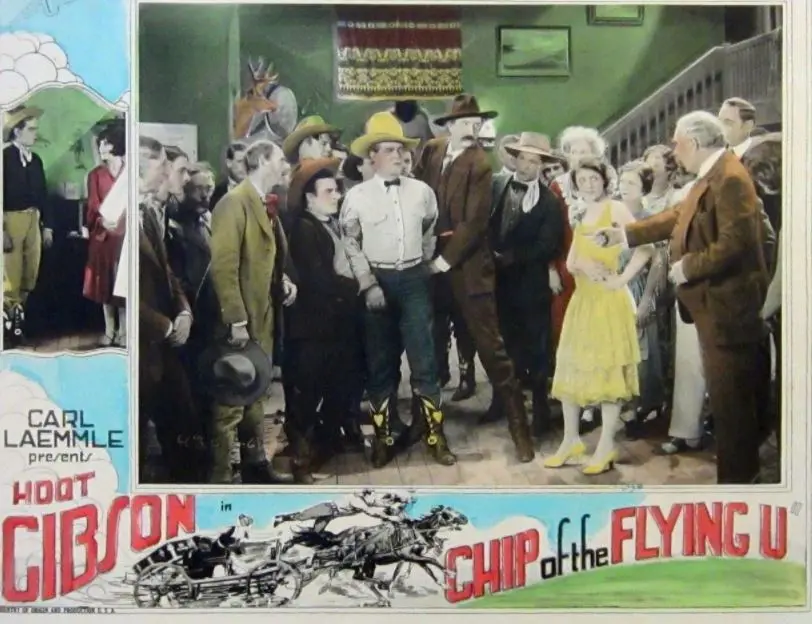
Hoot Gibson, a genuine rodeo champion turned movie star, brings an undeniable authenticity and charisma to the role of Chip Bennett. His performance is the film’s strongest asset, effortlessly blending physical comedy with a roguish charm that makes Chip, against all odds, somewhat watchable. Gibson’s ease in the saddle and his naturalistic screen presence were hallmarks of his career, and 'Chip of the Flying U' is no exception.
Consider the scenes where Chip feigns his injury. Gibson’s subtle grimaces and exaggerated limps are genuinely amusing, showcasing a comedic timing that transcends the silent film era's often broad physical humor. He manages to convey Chip's initial cynicism about women with a wry smirk, gradually softening into genuine affection for Della without losing that underlying spark of mischief. This transition is crucial, as it’s this very charm that makes the audience, for a time, root for him, despite his questionable tactics.
Virginia Brown Faire, as Dr. Della Whitmore, offers a spirited counterpoint to Gibson’s Chip. She imbues Della with intelligence and independence, making her discovery of Chip's deception feel earned and her subsequent cold shoulder entirely believable. Her portrayal is strong enough to convey Della's agency, which makes the film's ending all the more difficult to reconcile. Willie Fung, in a smaller role, provides some light comic relief, a common trope for supporting characters in Westerns of this period. The ensemble, while not groundbreaking, supports the central dynamic effectively, but it is Gibson's magnetic pull that truly anchors the film.
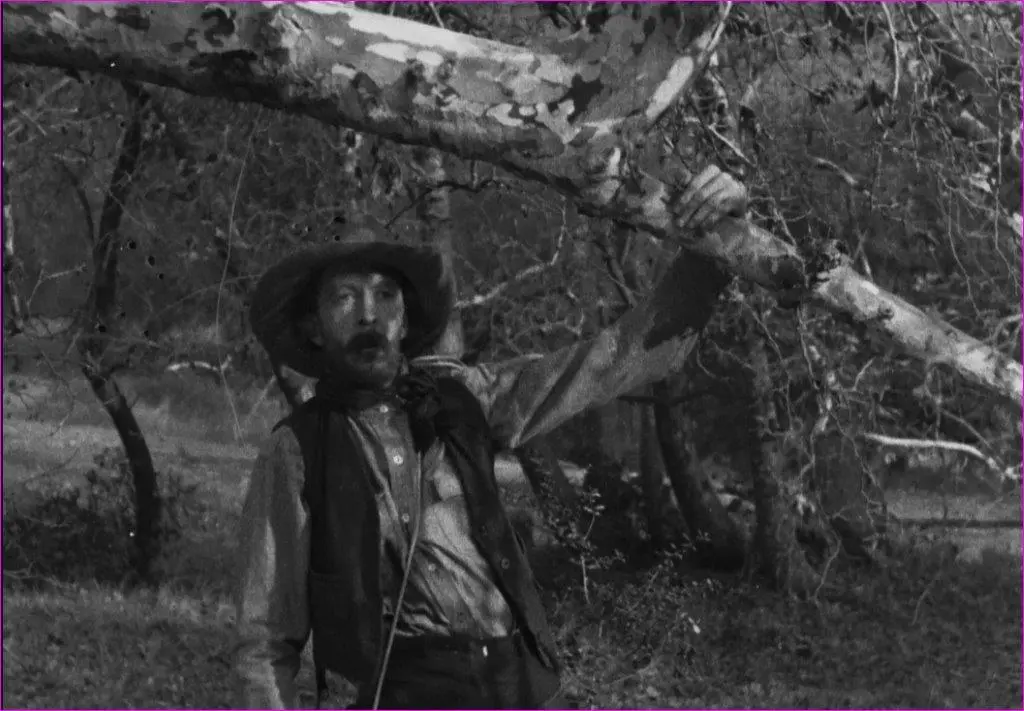
Lynn Reynolds, a prolific director of Westerns during the silent era, brings a straightforward, unpretentious style to 'Chip of the Flying U.' The direction prioritizes narrative clarity and character interaction over elaborate visual spectacle, though the Western setting provides its own natural grandeur. Reynolds understands how to frame Gibson to maximize his appeal, often utilizing medium shots that allow the actor's expressions and body language to carry the emotional weight.
The cinematography, while not as groundbreaking as something like Greed, is competent and effective. It captures the vastness of the ranch and the rugged beauty of the landscape, providing an authentic backdrop for the cowboy antics. The outdoor sequences are particularly well-shot, benefiting from natural light and the inherent visual appeal of horses and open plains. There’s a noticeable effort to use close-ups during key emotional moments, such as when Della discovers Chip's cartoons or confronts him about his lie, allowing the audience to connect directly with the characters' reactions.
Reynolds' pacing is generally brisk, keeping the story moving without lingering unnecessarily. The film avoids the sluggishness that can sometimes plague silent features, particularly in its comedic moments. The sequence of Chip faking his injury, for instance, is a masterclass in silent slapstick, efficiently conveying his motivations and Della's unwitting acceptance. The dance scene, leading up to the climax, is particularly well-staged, building a sense of communal joy before its abrupt and shocking interruption.
The pacing of 'Chip of the Flying U' is one of its more consistent strengths, at least in the first two acts. The narrative moves with a lighthearted energy, establishing Chip’s initial disdain for women and his subsequent, almost comical, infatuation. The development of his fake injury and Della’s unwitting care for him is handled with a comedic touch that makes the deception feel, for a while, like a harmless prank.
However, the tone shifts dramatically and jarringly in the final act. What begins as a charming, if ethically dubious, romantic comedy morphs into something far more troubling. The moment Della discovers Chip's deception is handled with appropriate gravitas, her hurt and anger palpable even without spoken dialogue. This could have been a turning point for Chip, a chance for genuine redemption through honest courtship.
Instead, the film leans into a problematic trope of the era: the 'taming' of the resistant woman through force. The kidnapping scene, where Chip literally carries Della away to be married, is not played for tension or drama, but as the ultimate romantic gesture, a decisive act by a man who knows what he wants. This tonal discord is the film’s biggest stumbling block for a modern audience. It works. But it’s flawed. The laughter it once elicited likely came from a very different societal understanding of romance and consent. This shift from playful deception to coercive resolution is an unsettling, yet historically significant, aspect of the film's viewing experience.
Yes, 'Chip of the Flying U' is absolutely worth watching today, but with a crucial caveat: approach it as a historical document rather than pure entertainment. It offers a rare window into the early days of Hollywood and the social mores of the 1920s.
For film scholars, it’s invaluable. For fans of silent films, it showcases Hoot Gibson's enduring appeal. However, for a casual viewer expecting a heartwarming romance, its problematic ending will undoubtedly be a barrier. Its value lies in its ability to spark discussion and provide context for how far cinematic storytelling, and societal views on romance, have evolved.
'Chip of the Flying U' is not a film to be enjoyed uncritically. It’s a silent Western that demands engagement, not passive viewing. Hoot Gibson’s effervescent performance and the initial lighthearted deception offer genuine moments of entertainment, showcasing the charm and appeal of early Hollywood cowboy stars. However, the film ultimately collapses under the weight of its profoundly troubling climax, where a 'romantic' kidnapping and forced marriage negate any goodwill built earlier.
My stance is clear: watch this film, but watch it with a critical lens. It serves as an excellent case study for understanding the evolution of cinematic romance, consent, and hero archetypes. It’s a compelling, if uncomfortable, piece of film history that reminds us how much our cultural narratives have shifted. It’s a film that should provoke thought and discussion, not just nostalgic sighs. It's a testament to the fact that even seemingly simple stories from the past can hold complex, often unsettling, truths about the societies that produced them. For a truly unproblematic romantic comedy, you might try The Belle and the Bill, but for a challenging historical experience, 'Chip of the Flying U' delivers.
IMDb 5.7
1936
Community
Log in to comment.