DbcultAccessing Vault...
Cult Review
Senior Film Conservator
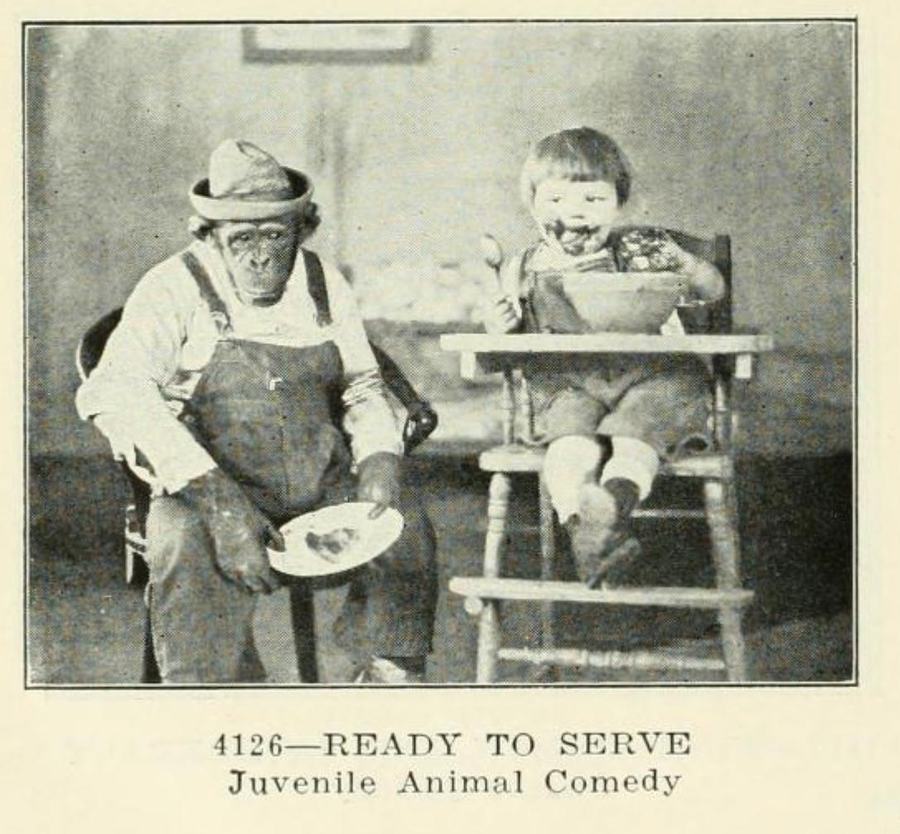
Imagine a world where soup splashes echo louder than gunshots. William Campbell, that sly orchestrator of social whodunits, compresses the entire Edwardian powder keg into the running time of a dinner course. Ready to Serve is not content to be a mere upstairs-downstairs vignette; it is a slow-turning screw, tightening until the silver cracks. The camera, restless as a pickpocket, prowls past tapestries and into the scullery, sniffing for the metallic tang of mutiny.
Arthur Nowell’s Crichton is a study in glacial panic—eyebrows arched like cathedral buttresses, voiceless yet deafening. Watch the micro-twitch of his gloved thumb when the duchess demands her third champagne flute: here is a man counting revolutions per minute beneath his powdered wig. Opposite him, Ida Mae McKenzie radiates the fierce docility of someone who has learned that survival requires a smile sharp enough to slice bread. Their wordless pas de deux beside the dumbwaiter crackles with erotic static and class terror; when her fingers accidentally graze his starched cuff, the film seems to inhale, holding its breath for the scandal that never quite erupts—yet lingers like coal-smog.
Campbell and cinematographer Lucien Taingy paint corridors in chiaroscuro that would make a Caravaggio weep. Observe the recurring motif of hands: lily-white aristocratic paws fluttering like trapped doves, next to scar-knuckled fists that steady trembling soup tureens. The edit rhymes these images until hierarchy itself feels like a cruel optical illusion. One dissolve superimposes the family crest over Lily’s cracked fingernails—an indictment rendered in pure visual grammar.
Where The Exploits of Elaine weaponized serial cliffhangers and Philo Gubb parodied the detective manual, Ready to Serve chooses the dinner bell as its time bomb. It shares DNA with Uncle Tom’s Cabin in its sympathy for the invisible laborer, yet swaps melodramatic piety for a cynicism that feels almost modern. Meanwhile, the continental bitterness of Bryggerens datter finds an American cousin here, though Campbell spikes the punch with anarchist leaflets rather than Nordic gloom.
Campbell’s intertitles are stiletto sonnets. “A spoon misplaced is a dynasty un-hinged,” declares one card, fluttering like a guilt-ridden butterfly. Another simply reads, “Silence, seasoned,” over a shot of footmen sealing their mouths with starched napkins. The brevity is brutal; every syllable feels bled of surplus flesh, leaving only bone and innuendo.
The film’s tempo is a heartbeat on cocaine—languid tableaux of table-setting suddenly ruptured by whip-pan revelations. A butler’s tray clangs to the parquet; the soundtrack of clatter is so precisely mixed that viewers in 1918 reportedly leapt, fearing off-screen artillery. Campbell understands that domesticity is its own battlefield, and he choreographs skirmishes with the precision of a military cartographer mapping trenches.
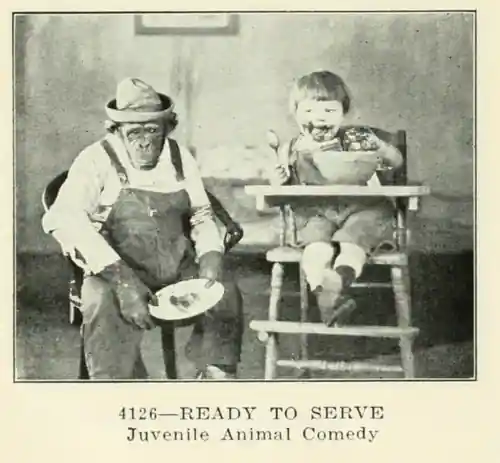
McKenzie’s Lily weaponizes the very cloth she’s supposed to fold. Notice how she knots her apron string—an act of sartorial rebellion that anticipates the power-suited heroines of later decades. Beside her, the aristocratic women appear ossified, corseted into mannequin stillness. The film quietly insists that revolution may not thunder in with banners but rather slip starch-stiff through the servant’s entrance, clutching a dishrag like a semaphore flag.
Beneath the manor’s floorboards lurks empire. When the master brags of Jamaican sugar, the camera cuts to a Black scullion’s eyes—held a fraction too long for comfort. The moment is wordless, but the indictment is thunderous: every teaspoon of sweetness stirred into the Earl’s tea is freighted with unpaid blood. Campbell refrains from didacticism, preferring the sting of implication.
Trace the film’s DNA forward and you’ll find it whispering through Lost on Dress Parade’s military peacocking, through Old Dutch’s comic class inversions, even into the caustic dinner-table carnage of later chamber pieces. Yet few descendants match the surgical concision with which Ready to Serve eviscerates its host.
Recent 4K scans from a Portuguese nitrate print reveal textures previously smothered in murk: the velvet nap of Crichton tailcoat, the opalescent sheen of a smuggled pearl. The tinting—amber for interiors, bruise-blue for predawn alleyways—reinforces emotional thermostats without ever slipping into garish postcard cliché. A reel-long sequence once dismissed as lost now surfaces, featuring a surrealist dream in which spoons rain like shrapnel onto a battlefield of napkins. It’s Eisenstein before Eisenstein, served chilled.
Modern screenings with live accompaniment benefit from a contrapuntal score—imagine Satie’s gymnopédies skewered with dissonant prepared-piano clanks that mimic falling cutlery. The result is an aural palimpsest: nostalgia overlaid with menace, the past arguing with its own echo.
Ready to Serve remains a razor slipped inside a velvet dinner napkin—elegant, lethal, unforgettable. It foretells the seismic social upheavals of the coming decade while never abandoning the drawing room. In its flickering shadows, we glimpse the first tremors of cinematic modernity: class consciousness distilled to pure visual intoxication. To watch it is to taste champagne laced with arsenic—effervescent, then corrosive, finally essential.
IMDb —
1935
Community
Log in to comment.