DbcultAccessing Vault...
Cult Review
Senior Film Conservator
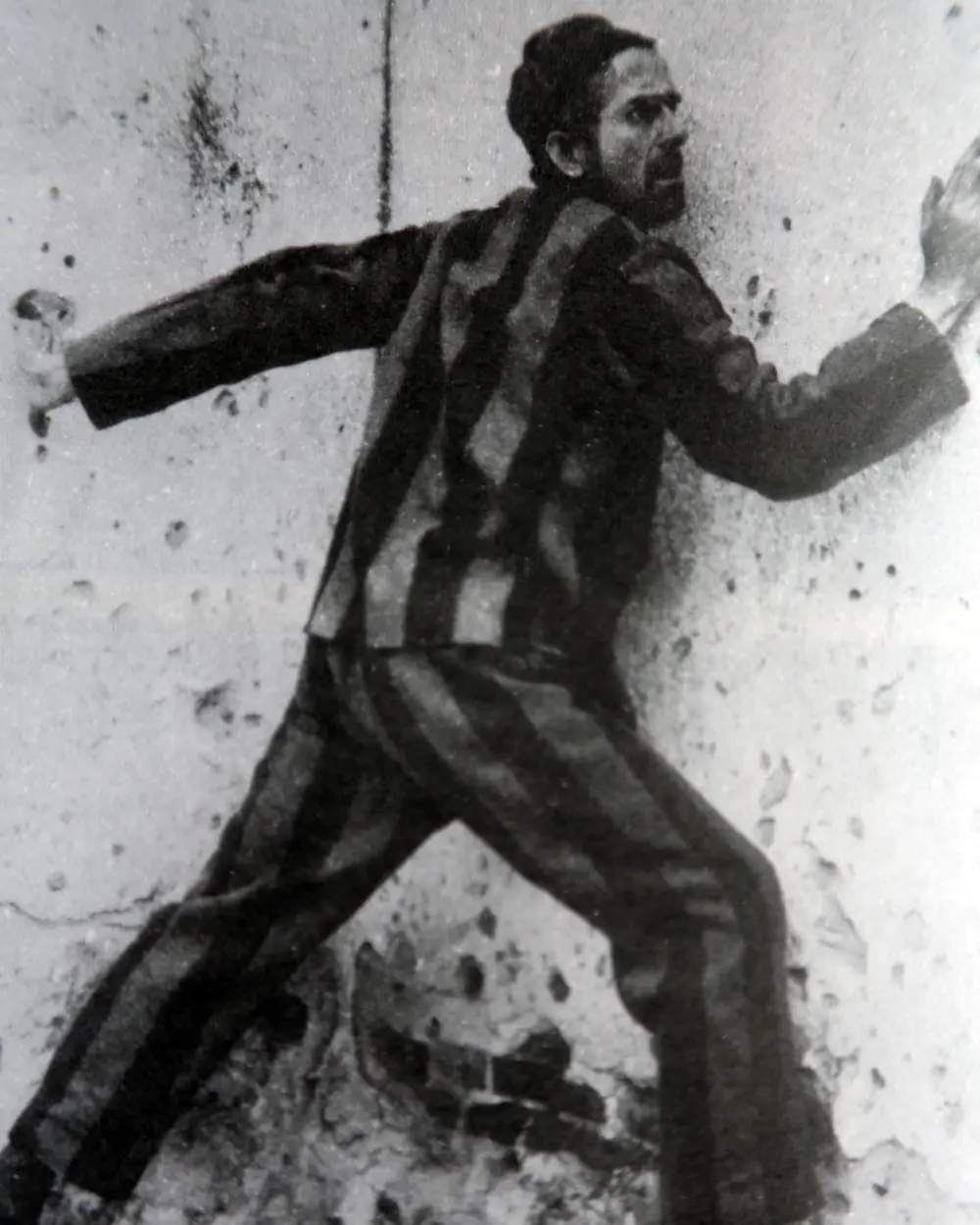
Unless you are a scholar of early Balkan cinema, Chovekat, koyto zabravi boga is a difficult sit. It is a film that operates on the logic of a Sunday school sermon, where every character is a vessel for either pure suffering or sudden, miraculous redemption. It is not a subtle experience, and for many modern viewers, the aggressive moralizing will be more exhausting than engaging.
For the average moviegoer, the answer is no. The film is a collection of silent-era tropes that were already feeling tired by 1927. However, if you have an interest in the development of Bulgarian narrative structure or the work of Vassil Gendov, it serves as a clear example of how early filmmakers used melodrama to communicate social and religious values. It is a film for the curious historian, not the casual viewer looking for entertainment.
This film works because: The climactic scene on the railway tracks provides a genuine jolt of physical tension that the rest of the domestic drama lacks.
This film fails because: The plot relies entirely on absurd coincidences—like a mother happening to find her long-lost son working at a random bakery—that strip the story of any grounded reality.
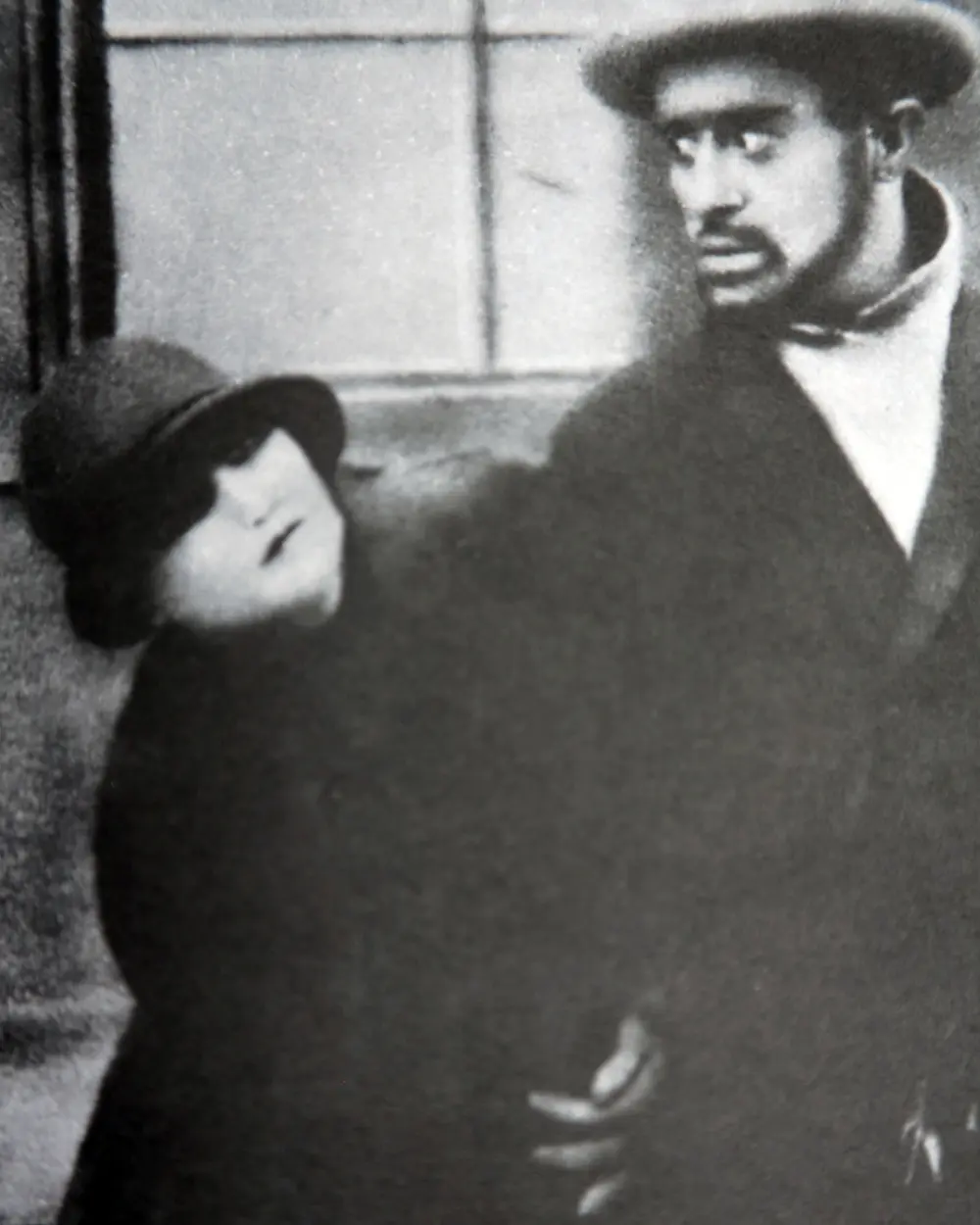
You should watch it if: You want to see the literal roots of Bulgarian cinema or you enjoy high-stakes silent melodramas like The Broken Violin.
Vassil Gendov didn't just direct this; he starred in it alongside his wife, Zhana Gendova, and their relatives. This gives the film a strange, insular energy. Gendov plays Pavel Simov with a sneering intensity that leaves no room for nuance. He is a bad man because the script says he is, and his transition from a gambling thief to a child-endangering arsonist happens with very little internal logic. He is a caricature of vice.
Zhana Gendova fares slightly better as Rinka, though she is forced to spend 90% of her screen time in a state of perpetual victimhood. There is a specific scene where she discovers her son by recognizing a cross around his neck. It’s played with such over-the-top theatricality that it loses its emotional punch. It feels like a stage play captured on a static camera, lacking the fluid visual storytelling found in Western films of the same year like Innocence.
The most effective parts of the film are the grittier, wordless moments. The sequence in Zoya’s bakery, where the young Pepi is beaten for showing kindness to a beggar, has a cold, cruel reality to it. It shows a side of poverty that feels more honest than the later religious platitudes. When the film sticks to the dirt and the struggle, it has teeth. But Gendov is too eager to get to the "lesson."
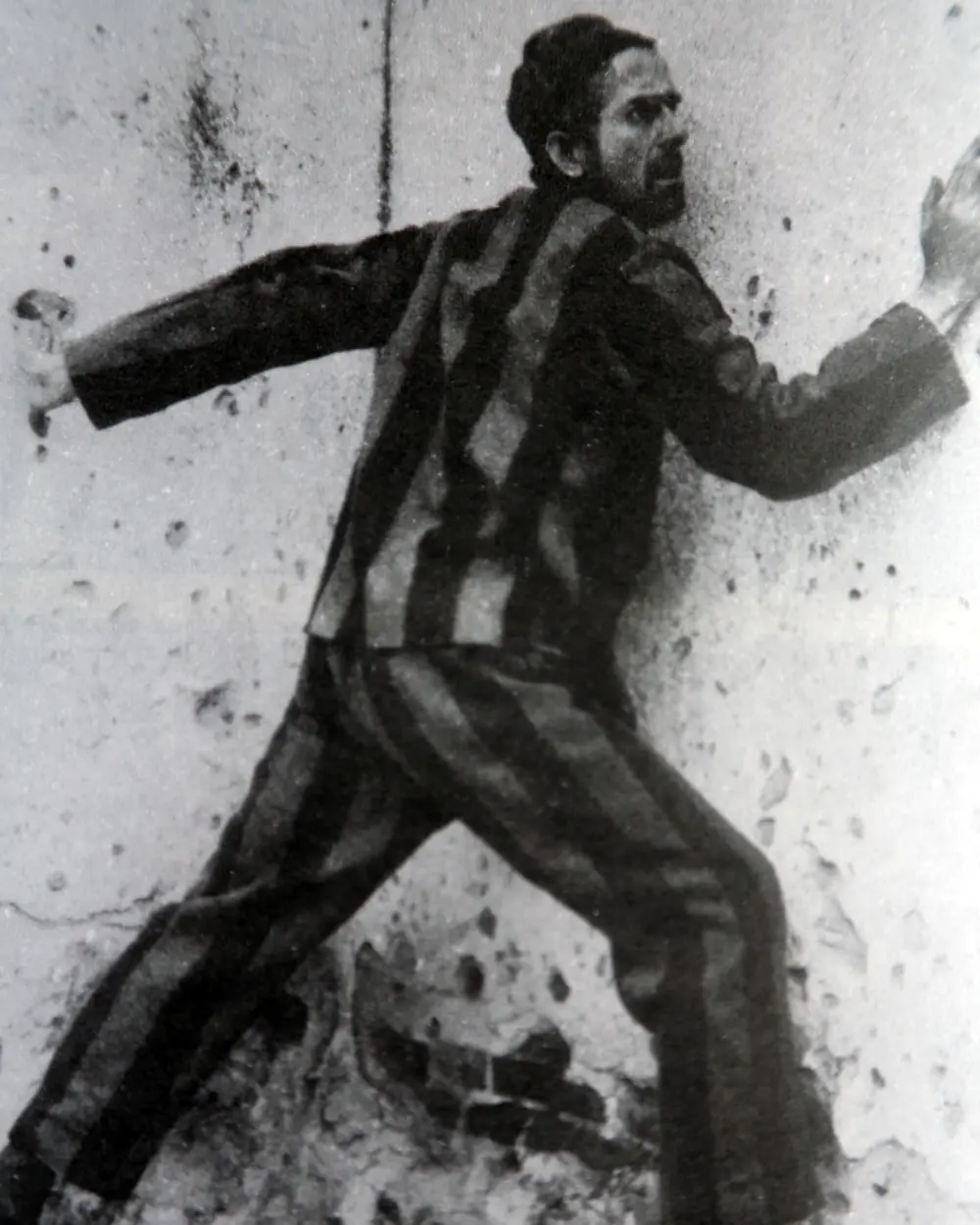
The introduction of the priest in the final act is a classic deus ex machina. We are expected to believe that a man who abandoned his family, framed his wife, and nearly burned his child alive can be completely transformed by a few conversations in a jail cell. It’s a tidy ending that feels unearned. The film isn't interested in the psychology of reform; it just wants a clean resolution where the family unit is restored, regardless of how toxic that unit actually is.
Pacing is a major issue. The middle section, involving Rinka’s release from prison and her search for Pepi, drags significantly. There are long stretches where the camera sits back and watches characters walk in and out of frames with very little editorial rhythm. It lacks the punchy cutting seen in contemporary works like The Spy.
However, the fire sequence involving the primus stove is legitimately chaotic. It’s one of the few moments where the film feels dangerous. The use of the railway tracks for the finale is a blatant rip-off of common serial tropes of the era, but it works because it forces the characters into a physical space where they can't just talk about their feelings. The sight of a child dragging a grown man off the tracks is the film's only truly memorable image.
Pros:
• Strong sense of atmosphere in the bakery and factory scenes.
• Zhana Gendova provides a few moments of genuine pathos.
• The railway climax is well-staged for its time.
Cons:
• The religious redemption arc feels forced and hollow.
• Absurd plot coincidences break immersion.
• Vassil Gendov’s performance is distractingly theatrical.
Chovekat, koyto zabravi boga is a blunt instrument. It wants to scare you into being a good person, but it forgets to build a believable world in the process. While it holds historical value as a surviving piece of Gendov’s filmography, it is a slog of a movie that prioritizes its moral message over its characters. Watch it for the history, but don't expect to be moved.

IMDb 6.7
1927
Community
Log in to comment.