DbcultAccessing Vault...
8/10
Senior Film Conservator
A definitive 8/10 rating for a film that redefined the boundaries of cult cinema. The Crowd remains a cornerstone of transgressive art.
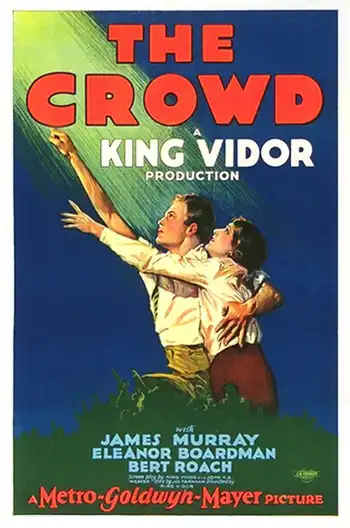
If you have ever felt like a tiny, replaceable gear in a massive corporate machine, King Vidor’s 1928 silent classic The Crowd will feel uncomfortably modern. It is absolutely worth watching today, not as a historical curiosity, but as a biting, emotionally raw critique of the 'American Dream' that hasn't aged a day. It’s for anyone who appreciates visual storytelling that favors psychological depth over melodrama. If you prefer the escapist, sensationalist fluff found in contemporary serials like La secta de los misteriosos, the grounded misery of The Crowd might feel like a cold shower. But for everyone else, it’s essential cinema.
The film opens with the birth of John Sims in 1900. His father, fueled by patriotic fervor and the turn of the century, declares his son will be 'somebody.' This sets the stage for a lifelong delusion. James Murray, as John, gives a performance that is startlingly understated for the silent era. He doesn't rely on the theatrical pantomime common in 1920s comedies or thrillers like Bungalow Boobs; instead, his face carries a quiet, simmering arrogance that slowly curdles into desperation.
When John arrives in New York, Vidor uses one of the most famous shots in film history: the camera tilts up a massive skyscraper, moves through a window, and glides over a sea of identical desks until it lands on John at desk number 137. It is a visual gut-punch. John thinks he’s the protagonist of New York; the camera reminds us he’s just a statistic. The sheer scale of the set—a vast, open floor of clattering typewriters—creates a sense of agoraphobic dread that most modern office dramas fail to replicate.
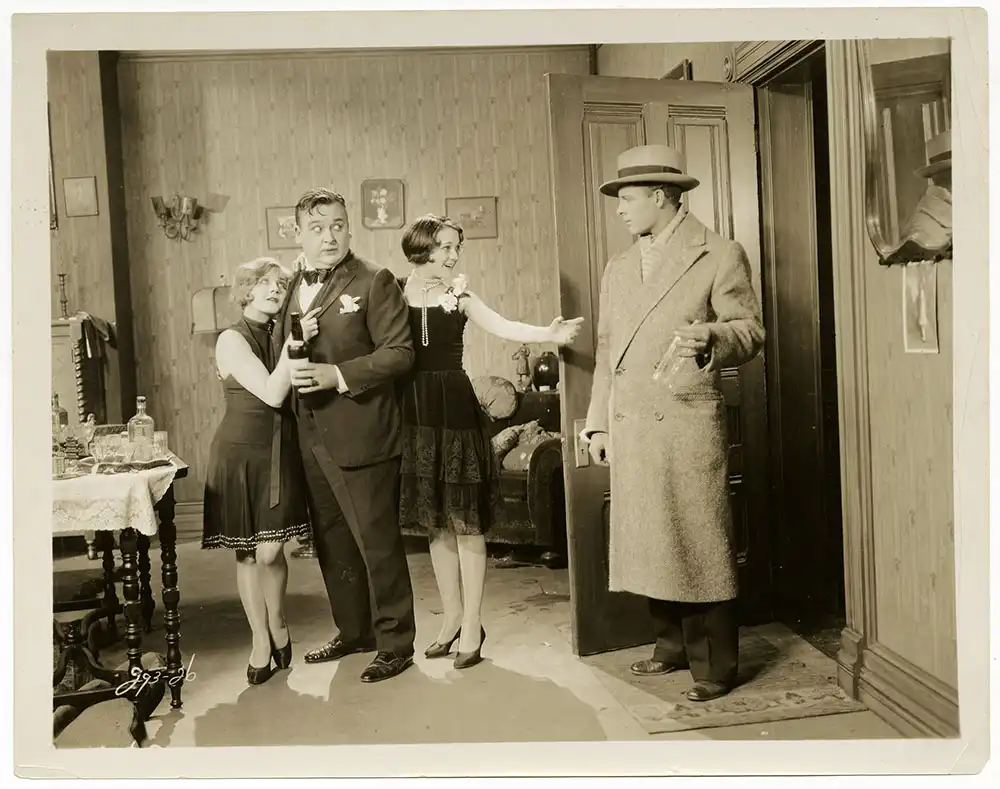
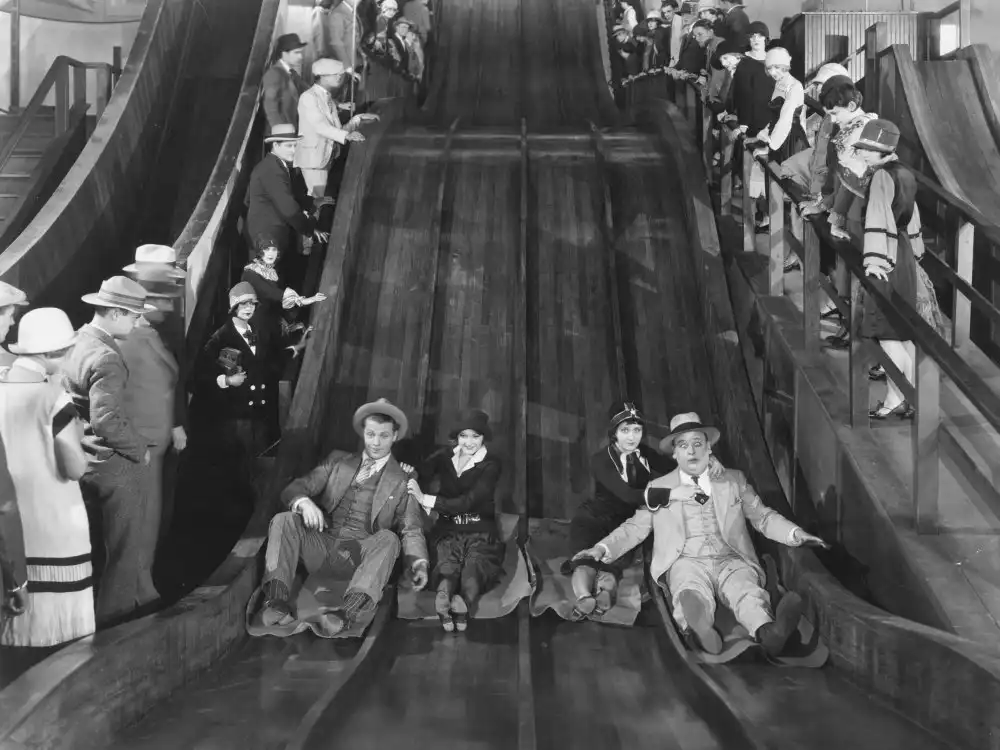
The middle act of the film focuses on John’s marriage to Mary (Eleanor Boardman). Their relationship isn't a Hollywood romance; it’s a series of negotiations and small disappointments. There is a fantastic, gritty sequence involving a broken bathroom pipe on their honeymoon that feels more like 1970s kitchen-sink realism than 1920s glamour. You see the grime on the walls and the genuine frustration in Mary’s eyes as John fails to be the provider he promised he’d be.
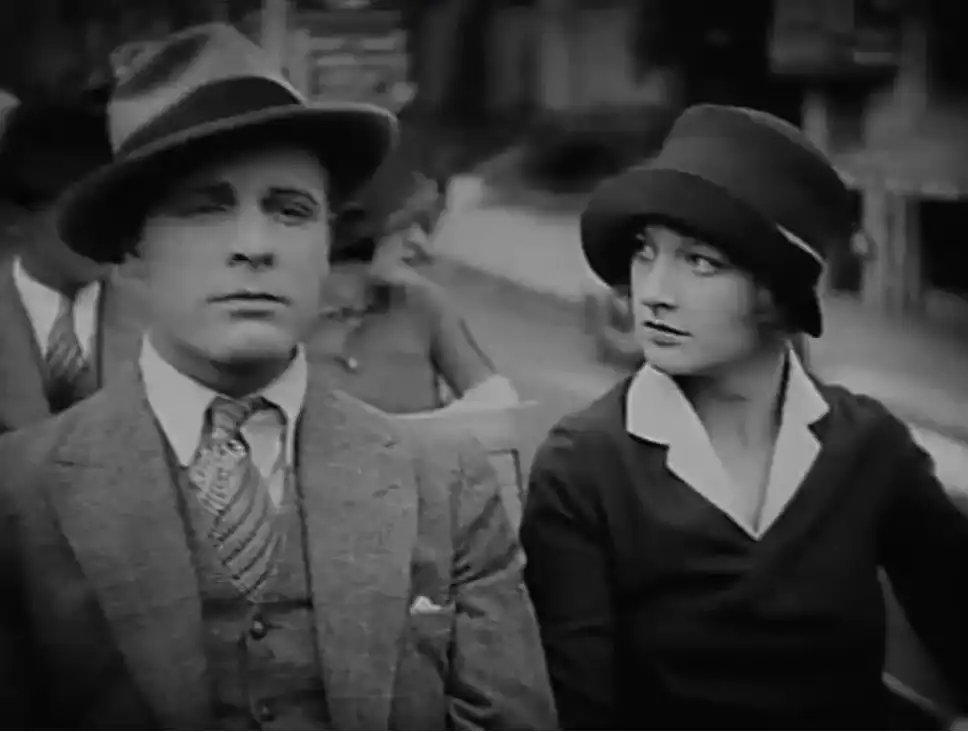
The pacing here is deliberate. Vidor isn't in a rush to get to the tragedy. He wants us to feel the repetitive nature of their lives—the Sunday outings that are ruined by crowds, the cramped apartment, the noise of the neighbors. Boardman is exceptional here. While Murray plays the dreamer, she plays the person who has to live in the reality he’s failing to navigate. Her performance is the emotional anchor that keeps the film from feeling like a cynical exercise in misery.
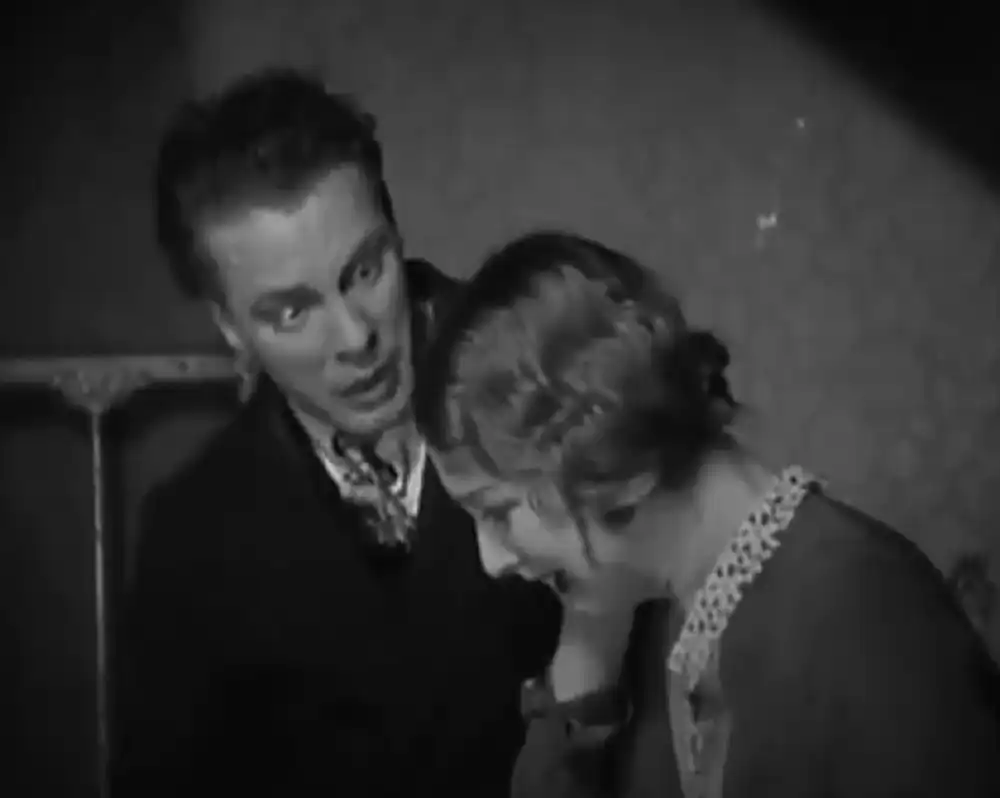
Technically, The Crowd is a marvel. Vidor uses expressionistic lighting and forced perspective to make the city feel like a monster. There is a scene in a hospital where John is waiting for the birth of his child; the hallway is impossibly long, stretching out like a nightmare, emphasizing his helplessness. The editing rhythm also shifts brilliantly between the chaotic energy of the New York streets and the suffocating stillness of the Sims' apartment.
One of the most haunting sequences involves John trying to stop the noise of the street while his daughter is dying upstairs. He stands in the middle of the traffic, a tiny figure waving his arms at a world that doesn't care. It’s a sequence that only someone who has truly observed the indifference of a big city could direct. The way the crowd just flows around him, annoyed by his presence, is more heart-breaking than any over-the-top deathbed scene.
The film’s conclusion is often debated. John finally finds work as a sandwich man—literally wearing an advertisement—and ends up in a theater with Mary and their son. They are laughing at a clown, lost in a sea of other laughing people. Some see this as a happy ending, but Vidor’s camera tells a different story. As the camera pulls back, John disappears into the audience. He has finally accepted his place as a face in the crowd. It’s a surrender, not a victory. He has traded his soul for the comfort of anonymity.
The Crowd is a heavy film, but it’s not a slog. It’s vibrant, inventive, and deeply human. It avoids the easy sentimentality of its era and refuses to give John a miraculous break. Its flaws are few—perhaps a few too many title cards explaining John’s internal state when Murray’s face was doing the work just fine—but as a whole, it remains a towering achievement. It is a film about the 99% made before that phrase existed, and it remains the definitive cinematic portrait of the loneliness of the modern world.
IMDb —
1928
Community
Log in to comment.