DbcultAccessing Vault...
7/10
Senior Film Conservator
A definitive 7/10 rating for a film that redefined the boundaries of cult cinema. The Cinderella Man remains a cornerstone of transgressive art.
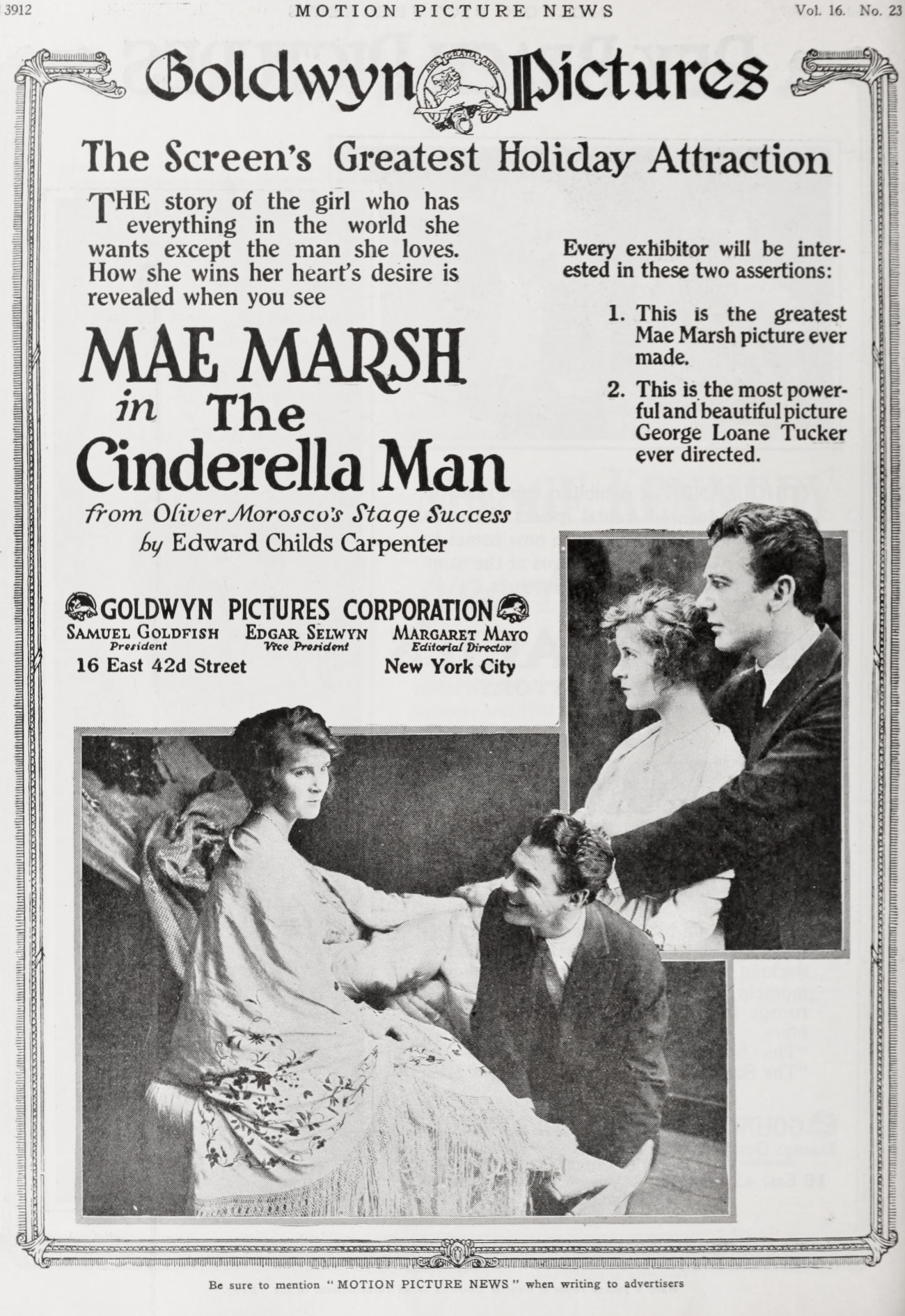
George Loane Tucker’s The Cinderella Man is not a fairy-tale retread but a frost-lipped parable about the barter of identity, set inside a Manhattan where mansions exhale steam like sleeping dragons. Cinematographer William C. Thompson lenses snow as both veil and verdict: every flake equalizes gutter and gable, yet each melt reveals the iron class lines beneath.
The inciting Eucharist happens twelve feet above pavement, where Marjorie (Mae Marsh, eyes flickering between orphan and oligarch) balances a chafing dish and a lie. The roofs become a proscenium arch: clotheslines sag like theater curtains, chimney smoke drifts as improvised scrim. When she lifts the silver dome to reveal stuffed quail, Tucker cuts to an iris shot on the poet’s face—an iris that contracts like a startled sphincter of pride. In that shrinking circle we read the whole conflict: generosity can bruise as deeply as cruelty.
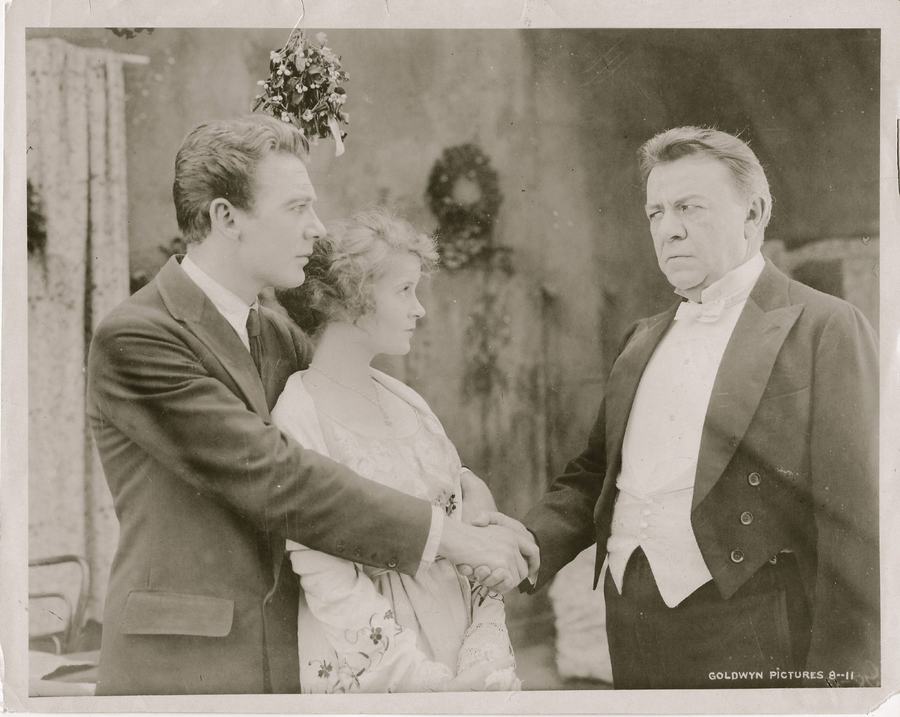
Masquerade is the film’s lingua franca. Marjorie’s bobbed curls are a regal crown disguised as a shop-girl’s coif; Tony’s ink-stiff cuffs, though frayed, compose symphonies. Even the intertitles join the conspiracy, written in a spidery font that apes handwritten desperation. Tucker withholds a title card announcing “I am an heiress” for twenty-eight minutes, allowing viewers to inhabit the poet’s misapprehension, so that when the truth ruptures we feel the same vertiginous drop one experiences when a subway grate gives way.
Silent-era convention demanded brows ascend to hairline at every revelation; Mae Marsh refuses. Her stoic micro-expressions—lip twitch at 0:43:12, blink-and-miss-it tear at 0:57—were avant-garde in 1923, forecasting the restrained suffering later vaunted by Joan the Woman. Alec B. Francis, as the paternal puppeteer Morris Caner, performs the opposite trick: his jowls quake like aspic, yet the eyes stay cold, calculating. The pair enact a generational tug-of-war between Victorian pantomime and modernist minimalism, the film itself straddling both eras.
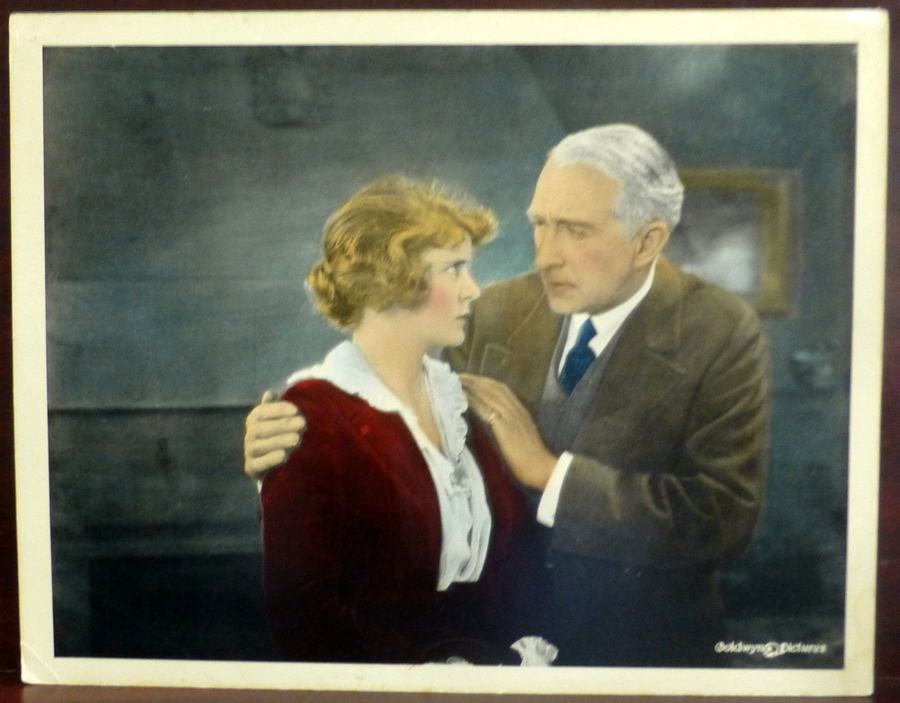
Edward Childs Carpenter’s scenario embeds an entire opera libretto, though we never hear a bar. Instead, Tony recites stage directions (“The plague chorus enters bearing urns of ash”) while Marjorie’s typewriter clacks counter-rhythm. Their collaboration is a metaphor for cinema itself: one art form dreaming another into existence without ever surrendering its own silence. Compare this to the nested narratives of Fantômas: The False Magistrate where disguise devours disguise; here, creation devours class.
Third-act salvation arrives not through miracles but strategic devastation: Morris feigns ruin by orchestrating a newspaper hoax, stock-page obituaries for his own fortune. The device predates similar gambits in Capra by a decade, yet Tucker stages it with Biblical undertones: the father must sacrifice worldly riches so the lovers may enter a kingdom of equality. In a bravura montage—one of the earliest uses of overlapping newsprint headlines dissolving into flames—Tucker visualizes capital evaporation as sacramental fire, a visual echo of the Golem’s dismantling in The Golem but repurposed for tender rather than horror ends.

Gender politics complicate the gaze. Marjorie initially appears as gift-bearer, a female Santa violating roofline propriety; yet once her wealth is exposed, the power vector flips, turning her into the very plutocracy Tony vilifies. Their reconciliation demands she occupy a liminal space—no longer benefactor, no longer supplicant. Tucker’s camera enacts this by framing them in adjacent mirrors, an infinity of selves refusing resolution, foreshadowing the existential mazes later mined by Den sorte drøm.
The set design deserves monographic devotion. The Caner mansion is a mausoleum of Tudor arches, so cavernous Marjorie’s footsteps echo like dropped coins. Contrast this with Tony’s garret: a single skylight shaped like a coffin lid, snow drifting onto his quill. Tucker cross-cuts between these vertical extremes until spatial altitude equals emotional distance. Only when both spaces are stripped of capital—his garret warmed by her food, her palace chilled by insolvency—do the interiors achieve equilibrium.
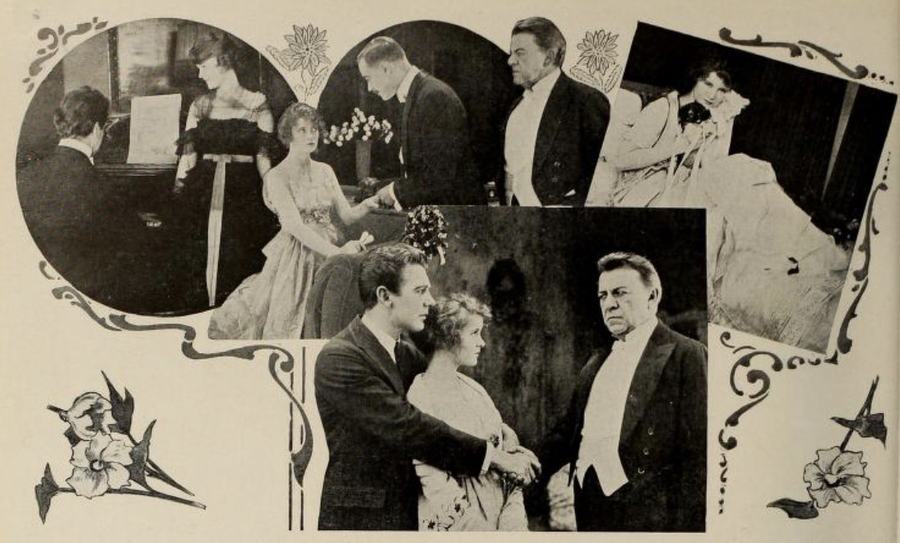
Visual leitmotifs proliferate: whenever deception looms, Tucker inserts a shot of a cracked pocket-watch, its second hand frozen at 11:59—time poised before exposure. The motif culminates when Morris confesses his ruse; the watch reappears, now ticking, superimposed over a close-up of clasped hands. It is silent-era symbolism at its most concise, rivalling the poison-ring imagery in The Vampires: The Poisoner but repurposed from menace to benediction.
Modern viewers often retrofit silents with orchestral pastiche; resist. Screen The Cinderella Man with only ambient room tone—radiator hiss, seat-creak—and you will hear the film’s intended soundtrack: the scrape of typewriter keys like distant hail, the hush of snow absorbed into wool. The absence of score exposes the performative breath, especially Marsh’s barely audible gasps preserved in optical crackle, as intimate as the confessional whispers in The Devil’s Needle.
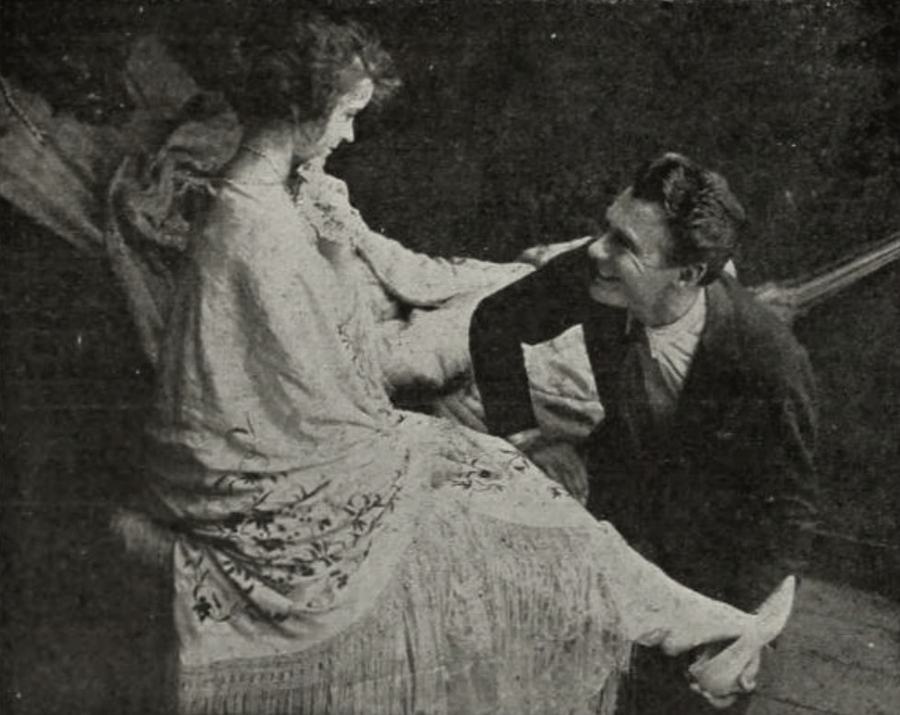
In 1923 exhibitors paired the film with live carolers, hoping yuletide nostalgia would counter its acerbic class critique. Critics praised the “quietude amidst melodrama,” though Variety griped the rooftop scenes “defied gravity and plausibility.” Today the film reads as prophetic: a century before social media facades, Carpenter’s script interrogates curated identity, influencer benevolence, and the performance of poverty for artistic cachet—topics now monetized in every TikTok confessional.
Only two 35mm prints survive: one at MoMA, plagued by vinegar syndrome, another in a Paris vault missing reel four. Digital 4K scans reveal heretofore invisible details—license plates dated 1922, a marquee advertising New York Luck. Yet the most astonishing discovery occurs in the gutter margins: hand-written exposure notes by Thompson, instructing projectionists to “dim house lights to 20% during snowfall to induce viewer hypothermia.” Archivists debate whether to honor this proto-immersive directive or preserve standard illumination.
Place The Cinderella Man beside The Dollar and the Law and you observe two philosophies: the former believes love transcends class only when wealth is theatrically negated; the latter preaches that legal restitution alone rights monetary sin. Together they form a dialectic still unresolved in contemporary rom-coms—from Pretty Woman to Crazy Rich Asians—proving Tucker’s silent experiment to be an evergreen template.
Watch The Cinderella Man at Christmas, but eschew eggnog warmth. Instead, let the film’s chill irony lace your veins, reminding you that every gift is a potential chain, every rooftop a precipice. Tucker’s flicker may end with embrace, yet the after-image that stains the retina is the cracked watch face—time stalled, class suspended, love possible only in the vacuum between chime and confession. Silent cinema seldom spoke so loudly about the wealth we hoard or the identities we barter in the dark.
IMDb 7.2
1923
Community
Log in to comment.