DbcultAccessing Vault...
5.8/10
Senior Film Conservator
A definitive 5.8/10 rating for a film that redefined the boundaries of cult cinema. Civilization remains a cornerstone of transgressive art.
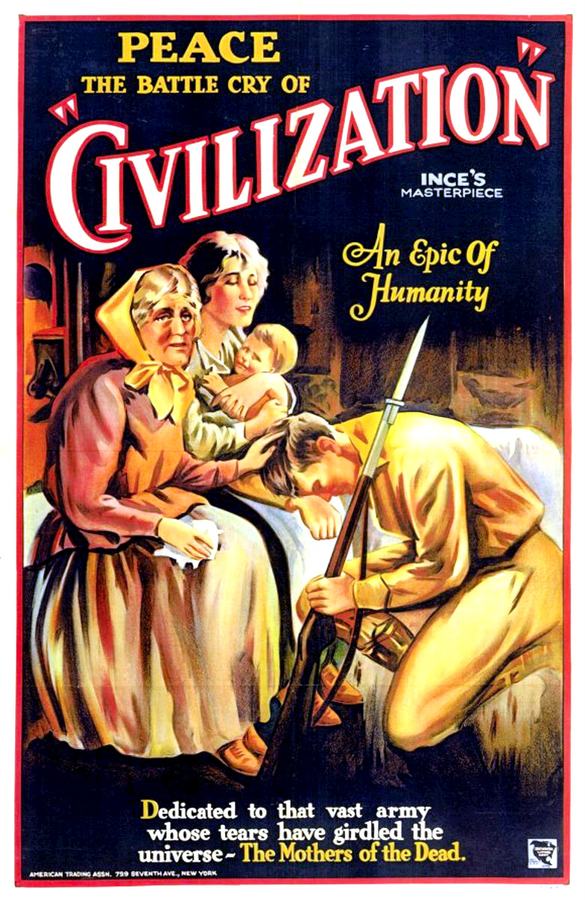
Stepping back into the cinematic landscape of 1916, one encounters a film that, even a century later, reverberates with an urgency that feels eerily contemporary. Maurice Tourneur's Civilization isn't merely a silent film; it's a sprawling, audacious philosophical treatise disguised as a gripping narrative, a bold cinematic sermon delivered at the height of a global conflagration. It dares to ask fundamental questions about the nature of humanity, the morality of conflict, and the elusive quest for peace. This isn't a mere historical curiosity; it's a profound statement, an artistic endeavor that sought to heal a world tearing itself apart.
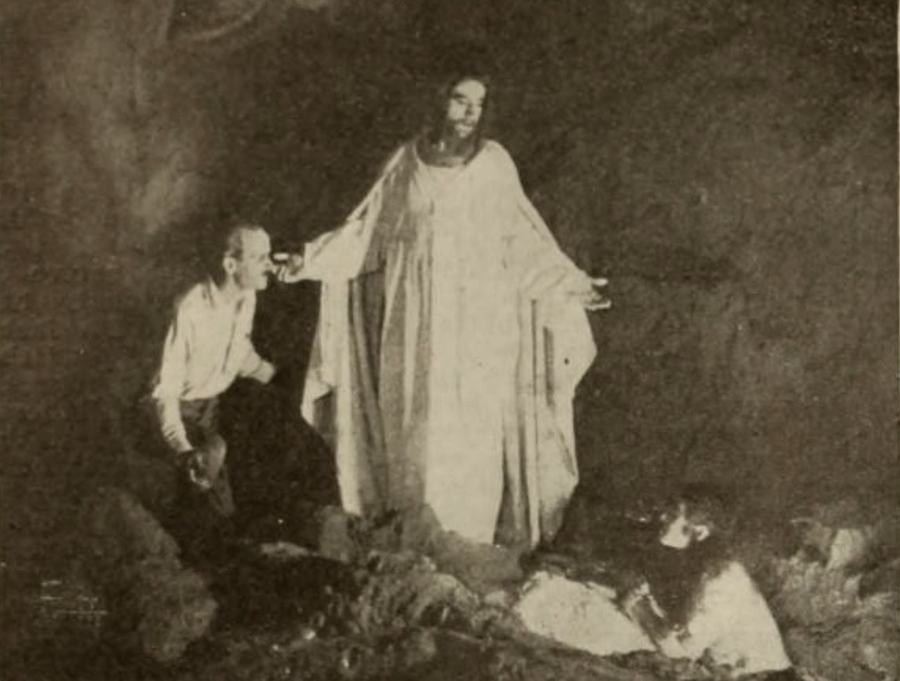
The premise itself is nothing short of revolutionary: in a war-torn nation, the spirit of Christ descends, choosing not a prophet or a king, but a humble, pacifist count, played with remarkable pathos by Jerome Storm. This isn't the Christ of biblical spectacle, but a quiet, suffering presence, imbued with an earthly vulnerability that makes his divine mission all the more poignant. His task? To end a senseless war, to awaken the dormant conscience of a populace consumed by jingoism and despair. It's a narrative that eschews the simplistic heroics of many wartime dramas, opting instead for a deeply allegorical and introspective journey into the heart of human suffering and the potential for redemption. The film's writer, C. Gardner Sullivan, deserves immense credit for crafting such a daring and spiritually charged screenplay, one that challenges the very foundations of accepted societal norms during a period of intense nationalism.
The film unfolds with a deliberate, almost dreamlike pace, juxtaposing the brutal realities of the battlefield with the ethereal mission of its protagonist. We witness the devastation through the eyes of various characters, each representing a facet of society caught in the grinder of war. There's the young, idealistic soldier, the grieving mother, the cynical politician. Enid Markey, as the count's love interest, brings a tender human element to the spiritual drama, her performance grounding the more abstract themes in relatable emotion. The ensemble cast, including Lola May, Claire Du Brey, Lillian Reade, and
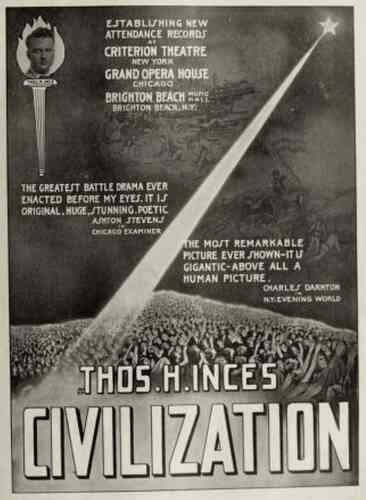
The visual language of Civilization is particularly striking. Tourneur, a master of atmospheric composition, uses light and shadow to great effect, creating stark contrasts between the grim reality of war and the hopeful, albeit faint, glimmer of peace. The battlefield sequences, while limited by the technology of the era, convey a visceral sense of chaos and despair. Yet, it's in the quieter moments, the intimate gazes, the subtle gestures, that the film truly shines. The spiritual essence of the count's mission is often conveyed through visual metaphor rather than explicit dialogue, a testament to the power of silent cinema. This reliance on visual storytelling sets it apart from more conventional melodramas of the time, aligning it more with the artistic sensibilities of European cinema that would later flourish. One might draw a parallel to the profound emotional depth achieved in a film like Anna Karenina (1914), where the internal turmoil of characters is often expressed through nuanced visual cues and powerful, unspoken moments.
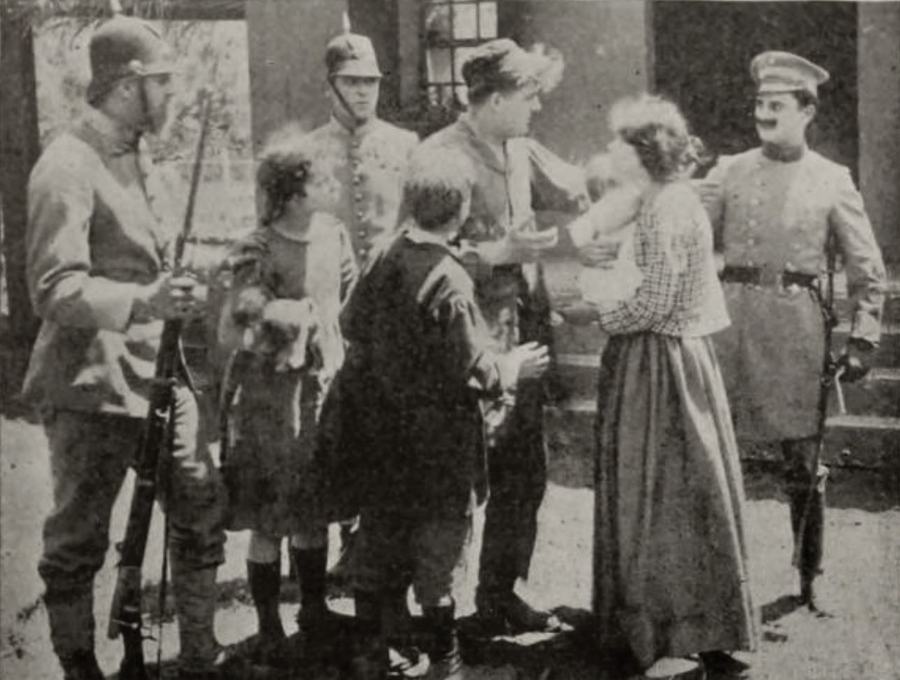
What truly elevates Civilization beyond a mere historical curiosity is its unwavering commitment to its central thesis: that war, regardless of its purported justifications, is a monstrous folly. The film doesn't shy away from depicting the horrors, but its true power lies in its exploration of the psychological and spiritual toll. The count's journey, fraught with skepticism and resistance from those in power, embodies the struggle of any pacifist voice in a world geared for conflict. The performances by veteran actors like Herschel Mayall and J. Barney Sherry, often portraying figures of authority, provide a formidable counterpoint to Storm's gentle resolve, creating a dramatic tension that is both intellectual and emotional. The film critiques the very notion of 'civilization' when it descends into barbarity, forcing viewers to confront the hypocrisy of a society that claims enlightenment yet embraces mass destruction.

The film's impact during its initial release must have been considerable, offering a starkly different perspective from the patriotic fervor often propagated by other wartime media. It asked audiences to consider an alternative, a path of peace guided by empathy and understanding, rather than vengeance and conquest. This radical message, delivered through the powerful medium of cinema, undoubtedly sparked debate and introspection. It's a testament to the film's courage that it dared to present such a counter-narrative, risking controversy in pursuit of a higher moral truth. One can imagine the discussions it provoked, much like the social commentary found in films such as The Marked Woman, which also tackled uncomfortable societal truths, albeit in a different era and genre.
The casting, particularly the decision to portray Christ in such a human form, was a stroke of genius. It allowed for a more accessible and relatable exploration of divine intervention, stripping away the grandeur to reveal the core message of love and forgiveness. The supporting roles, even those with limited screen time, contribute significantly to the film's overall texture. The presence of future stars like John Gilbert and Alice Terry in early roles adds a layer of historical interest, showcasing the nascent talents that would soon define an era of Hollywood. Their contributions, alongside those of Howard Hickman, Ethel Ullman, J. Frank Burke, Virginia Getchell, and Fanny Midgley, collectively build a believable world, even as the narrative veers into the overtly spiritual.
The thematic depth of Civilization is truly remarkable. It grapples with the eternal dichotomy of good and evil, the individual's power to effect change against overwhelming odds, and the enduring hope for a better world. The film doesn't offer easy answers; instead, it presents a mirror to humanity, reflecting both its destructive tendencies and its profound capacity for compassion. The count's struggle is not just against the external forces of war, but also against the internal cynicism and despair that war engenders. In this regard, it shares a spiritual kinship with films that explore moral quandaries and the struggle against overwhelming adversity, like perhaps Saints and Sorrows, which delves into the human spirit's resilience amidst suffering. The film's message resonates with a timeless quality, reminding us that the pursuit of peace is an ongoing, often arduous, endeavor.
From a technical perspective, Tourneur's direction is masterful. He handles the large-scale sequences with an impressive scope for the time, yet never loses sight of the intimate human drama at the core of the story. The editing is fluid, guiding the viewer through complex narrative shifts without confusion, a skill not always present in early silent features. The use of intertitles is judicious, providing necessary exposition without overwhelming the visual storytelling. This careful balance ensures that the film remains engaging and emotionally impactful, even for modern audiences unaccustomed to the rhythms of silent cinema. The pacing, while slower than contemporary films, allows for contemplation, a deliberate choice that enhances the film's philosophical weight. Unlike the frantic pace of a film like Double Trouble, Civilization invites the audience to ponder, to absorb its message rather than merely consume its plot.
The film's legacy lies not just in its pioneering special effects or impressive scale, but in its uncompromising moral stance. It is a powerful anti-war statement, delivered with conviction and artistry. It challenges the viewer to look beyond the immediate justifications for conflict and to consider the broader human cost. The depiction of Christ as a pacifist, actively intervening in human affairs, is a bold theological statement, one that emphasizes compassion and non-violence as the ultimate virtues. This spiritual dimension sets it apart from many other films of the period, giving it a unique place in cinematic history. One might consider how films like Temptation or Her Atonement explore individual moral struggles, but Civilization elevates this to a global, existential crisis.
In conclusion, Civilization remains a monumental achievement of early cinema. It’s a film that speaks to the better angels of our nature, a plea for peace and understanding in a world often consumed by discord. Its narrative, though overtly spiritual, transcends religious dogma to deliver a universal message about the sanctity of life and the futility of violence. For anyone interested in the history of film, the evolution of storytelling, or simply a powerful human drama, Civilization is an essential viewing experience. It's a reminder that even in the darkest hours, the light of hope and the voice of reason can, and must, prevail. Its message, delivered with such conviction and artistry over a century ago, is perhaps more pertinent today than ever before, urging us to reflect on our own capacity for both destruction and, ultimately, for a genuine, enduring peace.
IMDb —
1919
Community
Log in to comment.