DbcultAccessing Vault...
Cult Review
Senior Film Conservator
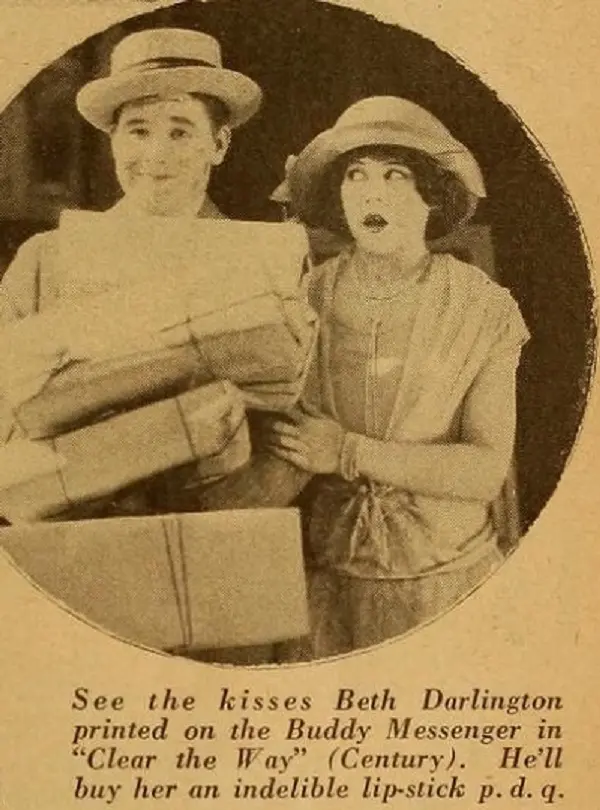
Is 'Clear the Way' worth watching today? Short answer: yes, but with a significant caveat. This 1919 silent drama offers a fascinating glimpse into early cinematic storytelling, brimming with the earnest charm and dramatic flourishes characteristic of its era. It’s a film that resonates most deeply with cinephiles, historians, and those with a genuine appreciation for the foundational works of cinema, rather than casual viewers seeking modern pacing or complex narratives.
For anyone curious about the evolution of film or a devotee of classic romance, 'Clear the Way' provides a surprisingly engaging experience. However, if you're accustomed to the rapid-fire editing and nuanced character arcs of contemporary movies, you might find its deliberate pacing and straightforward morality a challenging adjustment. It’s a historical artifact that still manages to tell a compelling story, but its appeal is undeniably niche.
Charles Lamont, as both writer and director, crafts a narrative that is, at its core, a testament to perseverance against adversity. 'Clear the Way' is not merely a romance or a melodrama; it’s a foundational piece that showcases the nascent power of visual storytelling. The film’s strength lies in its simplicity, allowing the raw emotions and grand gestures to take center stage, a quality often lost in today’s intricate plots.
The story of Buddy, the ambitious railway worker, is archetypal. His journey from an overlooked underdog to a heroic figure is designed to elicit immediate sympathy and admiration. This isn't a film that delves into psychological depth; instead, it focuses on external conflicts and clear-cut moral choices, which, for its time, was highly effective in captivating audiences.
In the silent era, an actor's physicality and facial expressions were paramount. Buddy Messinger, as the protagonist Buddy, embodies the energetic, slightly naive hero with remarkable conviction. His wide-eyed optimism and determined posture convey his character's aspirations without a single spoken word. There's a particular scene where he gazes longingly at the tracks, then at Beth, a silent declaration of his dual ambitions that is genuinely affecting.
Beth Darlington, playing the station master's daughter, Beth, brings a charming vivacity to her role. Her character arc, from being initially swayed by the foreman’s superficial charm to recognizing Buddy’s true worth, is communicated through subtle shifts in her demeanor and expressions. Her moments of doubt and eventual realization are portrayed with a grace that elevates the standard damsel-in-distress trope.
The antagonist, the cynical foreman, is perhaps the film’s weakest link, largely due to the era's tendency towards caricatured villains. While effective in driving the plot, his motivations feel one-dimensional, a clear foil rather than a complex character. This simplicity, however, serves the narrative’s moral clarity, ensuring the audience knows exactly who to root against.
Charles Lamont’s direction, while perhaps not groundbreaking, is certainly competent. He understands the visual language necessary for silent film. The framing often emphasizes the scale of the railway setting, making the trains themselves feel like powerful, almost sentient characters. There’s a palpable sense of the industrial age shaping the lives of these characters, a detail that adds an unexpected layer of social commentary.
The cinematography, though limited by the technology of the time, effectively conveys mood and urgency. Close-ups are used sparingly but effectively to highlight emotional beats, such as Buddy’s determined expression as he works to clear the tracks or Beth’s worried glance as the train approaches. The use of natural light in many outdoor scenes lends an authentic, almost documentary-like quality that grounds the fantastical elements of the melodrama.
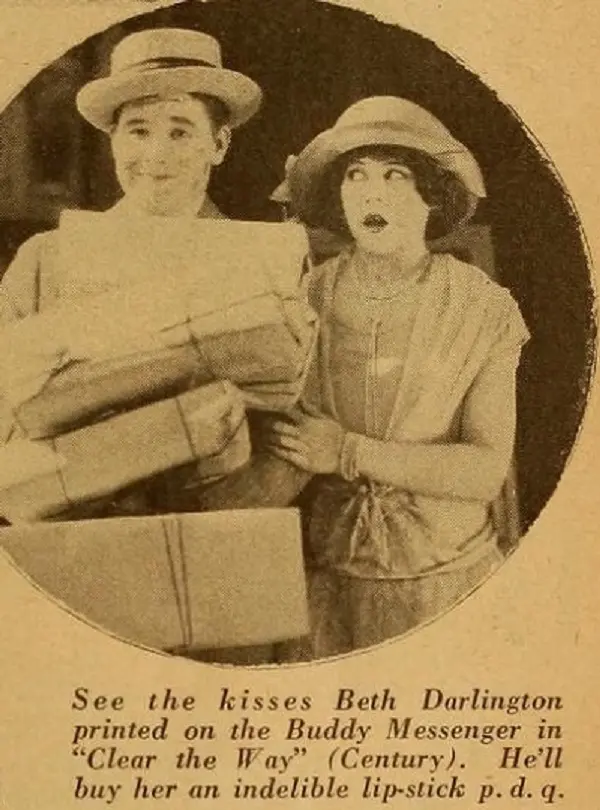
One particularly striking sequence involves the looming train disaster. The cuts become quicker, the angles more dramatic, building suspense in a way that feels surprisingly modern. It’s a masterclass in how to build tension without dialogue, relying purely on visual cues and the inherent danger of the situation.
The pacing of 'Clear the Way' is deliberate, a stark contrast to the rapid-fire editing prevalent in contemporary cinema. Scenes unfold with a measured rhythm, allowing the audience to absorb the visual information and emotional beats. This slower pace can be a hurdle for modern viewers, but it’s also an opportunity to appreciate the sustained gaze that early filmmakers invited.
The tone oscillates between earnest romance and high-stakes melodrama. There's an innocence to the romantic elements that feels genuine, while the moments of peril are imbued with a sense of urgent danger. The film never shies away from its dramatic intentions, embracing the theatricality inherent in silent storytelling. This embrace of heightened emotion is, in my opinion, one of its greatest strengths; it commits fully to its genre without apology.
However, this commitment also means that some scenes, particularly those involving the foreman’s villainy, can feel overly simplistic. The dramatic irony is often laid on thick, leaving little room for subtlety. This isn’t a flaw of the film itself, but rather a characteristic of the storytelling conventions of the period. It works. But it’s flawed.
Absolutely, for the right audience. 'Clear the Way' serves as an invaluable historical document, showcasing the narrative techniques and acting styles that defined early cinema. It’s a film that demands patience and an open mind, rewarding those willing to immerse themselves in its unique cinematic language. It offers a refreshing break from the sensory overload of modern blockbusters, inviting a more contemplative viewing experience.
'Clear the Way' sits comfortably among other dramatic silent films of its era, such as the earnest My Dog, Pal or the more elaborate A Small Town Idol. It shares the common thread of focusing on relatable human struggles, often set against specific societal backdrops, in this case, the burgeoning industrial landscape of the railway. While it doesn't possess the grand scale of some epic silent films, its intimate focus on Buddy's personal journey makes it no less impactful.
The film’s portrayal of a young man striving for success and love against a backdrop of professional rivalry is a theme that echoes through countless stories, both then and now. It might not be as overtly comedic as Henpecked and Pecked Hens, nor as dramatic as Evangeline, but it strikes a balance that feels authentic to its own modest ambitions. It’s a testament to the fact that even without complex dialogue or special effects, a good story well-told can endure.
“The earnest simplicity of 'Clear the Way' is both its greatest charm and its most significant challenge for contemporary audiences. It's a window, not a mirror, reflecting a different era of cinematic language.”
'Clear the Way' is not a film that will redefine your perception of cinema, nor is it a forgotten gem that rivals the greatest works of its era. What it is, however, is a solid, honest piece of filmmaking that perfectly encapsulates the spirit and technical capabilities of 1919. It’s a charming, if somewhat unsophisticated, narrative of ambition, rivalry, and blossoming love. Its value today lies less in its capacity to entertain a broad modern audience and more in its ability to transport us to a pivotal moment in film history.
For those willing to engage with its unique rhythm and appreciate its historical context, 'Clear the Way' offers a surprisingly heartfelt and engaging experience. It's a reminder that even in cinema's infancy, the power of a simple, well-told story could move audiences. It’s a film worth preserving, and for the discerning viewer, worth watching. Just remember to adjust your expectations, and you might find yourself surprisingly invested in Buddy’s journey to clear his way, both on the tracks and in life.
IMDb —
1919
Community
Log in to comment.