DbcultAccessing Vault...
Cult Review
Senior Film Conservator
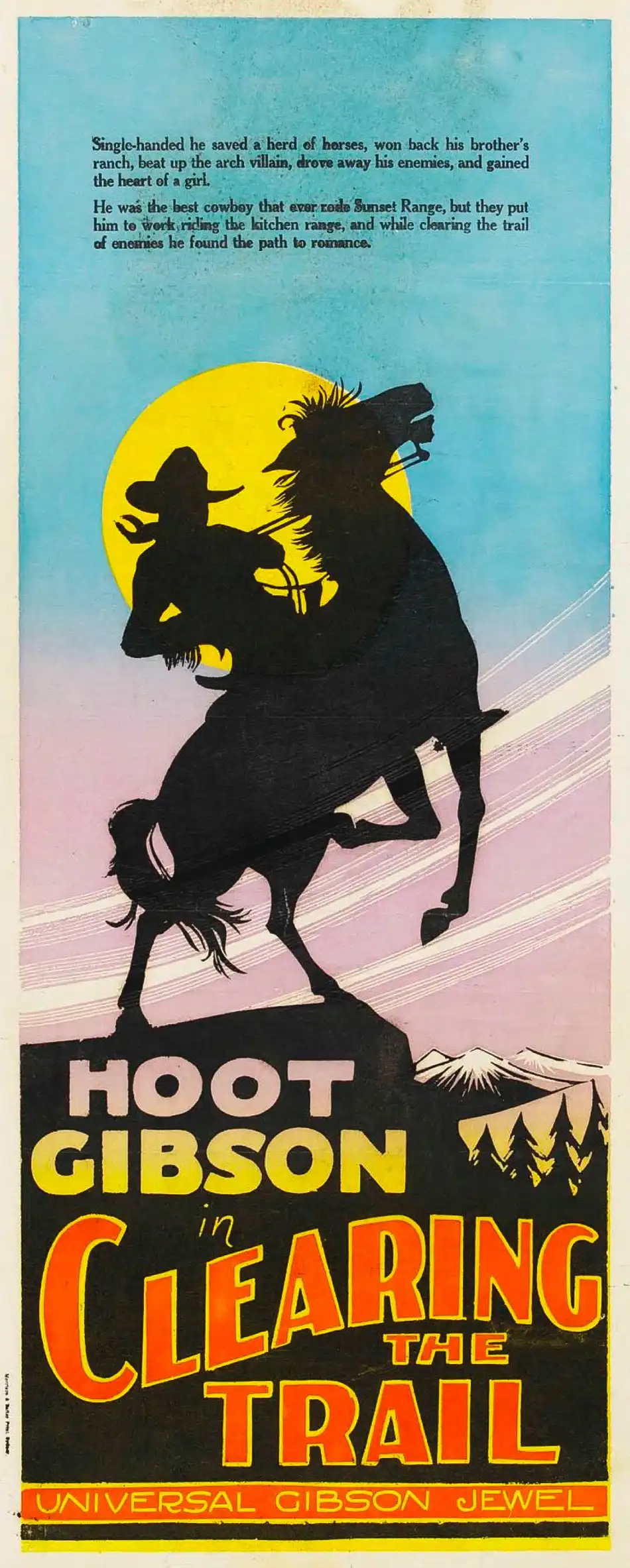
Okay, so Clearing the Trail is a solid little ride if you're into the old-school westerns. We're talking 1928, silent, black and white. If you go in expecting a modern epic, you'll probably bounce right off it. But for anyone who appreciates a simple, honest cowboy story, especially fans of Hoot Gibson, this one's definitely worth checking out. It’s a nice evening watch, no big commitments. 🤠
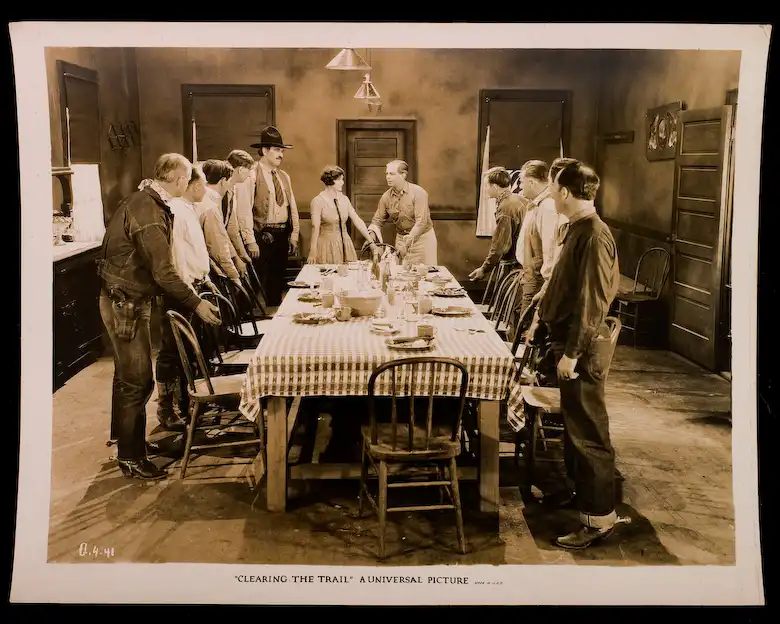
The story itself is as straightforward as it gets: a lawman and a rancher teaming up against a gang of horse thieves. And honestly, that's all you really need. No fancy twists, no deep psychological dives into the motivations of the bad guys. Just good guys, bad guys, and a whole lot of galloping across dusty landscapes.
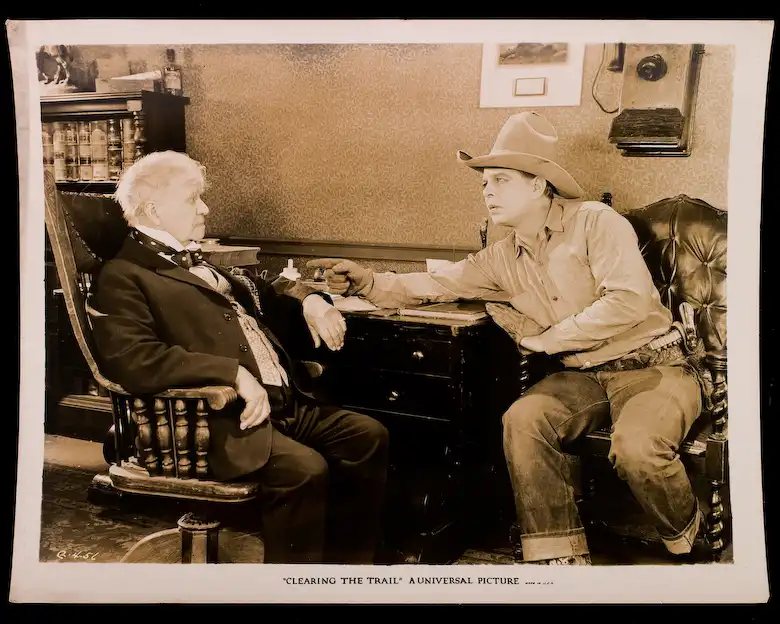
Hoot Gibson, as expected, is the star here, and he just owns the screen. His riding is something else; he moves with the horses like they're one being. There's this one shot where he's riding alongside a train, just effortless. You can tell he spent his life in the saddle. He's got this easy charm, a kind of knowing grin that makes you root for him right away.
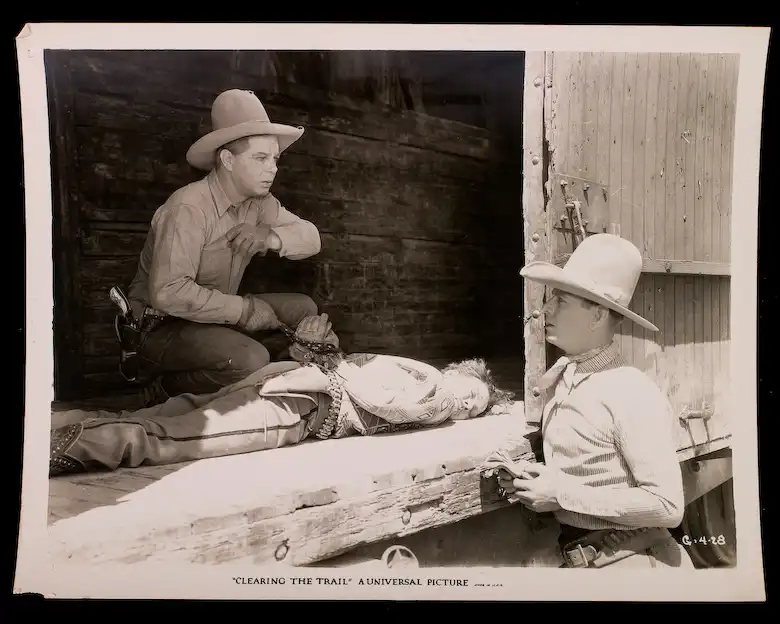
The action sequences, for a film of this age, are pretty impressive. The stunt work is surprisingly raw. You can almost feel the dust kicking up. During one chase scene, a horse takes a fall that looks genuinely dangerous. My jaw kinda dropped. These guys really risked it all.
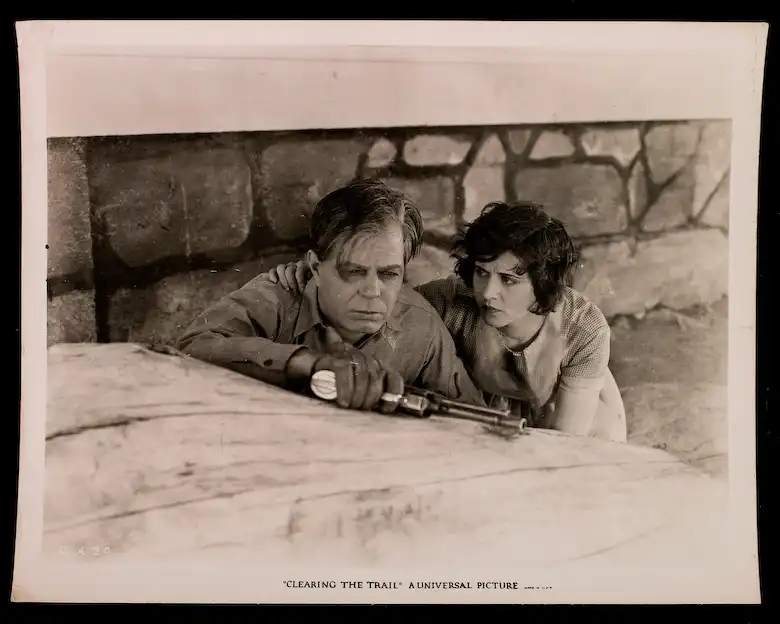
And the horse thieves, led by Monte Montague, they're exactly what you'd expect. Scruffy, shifty, and always looking over their shoulders. One of them, I think it was C.E. Anderson, had this really distinctive mustache. It was almost a character in itself. They don't try to make them complex; they're just the obstacle, and that's perfectly fine.
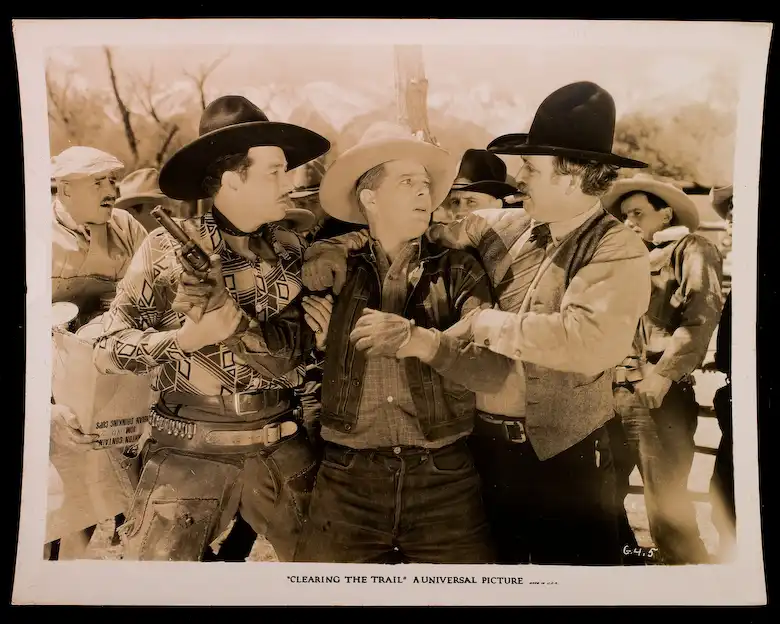
Dorothy Gulliver plays the rancher's daughter, and she's got that classic damsel-in-distress vibe, but with a bit of spunk. She's not just waiting to be rescued. There's a scene where she tries to sneak around the thieves, and you really feel her tension. It's a small moment, but it lands.
The pacing feels… right for the era. It's not lightning fast, but it never drags. The intertitles move things along without getting in the way. They're mostly just dialogue or quick plot points, which I appreciated. No big philosophical statements, thank goodness.
What really stands out is the authenticity of the setting. The Universal Ranch Riders, whoever they were, make the whole thing feel lived-in. When they ride, it feels like a real posse, not just a bunch of actors. You get a sense of the vast, open West. It’s pretty immersive, even without color or sound.
There’s a moment near the end where Hoot corners a couple of the thieves in a barn. The way he just saunters in, knowing he’s got them, it's classic cowboy confidence. The tension builds just with his posture. Then, boom, a quick fistfight. Nothing too fancy, but effective. 💥
It’s not trying to reinvent the wheel, and that’s its biggest strength. It knows what it is: a good old western with a hero who can ride and villains who are clearly, unequivocally bad. Sometimes you just want that simple pleasure. It certainly delivered on that front.
I mean, comparing it to something like The Isle of Lost Ships or So Big, which are totally different beasts, it holds its own for what it is. It's just a different kind of movie-watching experience. A straightforward gallop. 🐎
IMDb 5.8
1916
Community
Log in to comment.