DbcultAccessing Vault...
5.6/10
Senior Film Conservator
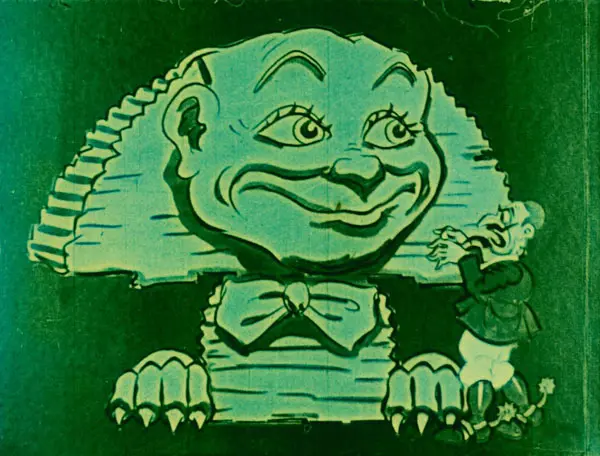
A definitive 5.6/10 rating for a film that redefined the boundaries of cult cinema. Cleopatra and Her Easy Mark remains a cornerstone of transgressive art.
The opening frame of Cleopatra and Her Easy Mark greets the audience with a rain‑drenched boulevard, neon reflections flickering on puddles like broken promises. The camera lingers on a solitary figure, Cleopatra (George S. Jeffrey), whose eyes glint with a mixture of mischief and melancholy. The mise‑en‑scene instantly signals a film that will oscillate between seductive allure and stark realism, a tonal duality reminiscent of the chiaroscuro in He Fell in Love with His Wife.
From the outset, the screenplay—though credited anonymously—exhibits a razor‑sharp wit that pierces the veneer of 1940s melodrama. Cleopatra’s introduction is not a grand entrance but a modest slip into a charity gala, where she dons a borrowed emerald dress that catches the light like a moth’s wing. Her dialogue, peppered with double‑edged compliments, showcases a lexical dexterity that feels both period‑appropriate and startlingly modern. When she first encounters Arthur Whitaker (the film’s quiet, earnest protagonist), the exchange is a masterclass in subtext: she offers a glass of champagne, he offers a smile, and the audience senses an invisible ledger being balanced.
Arthur, portrayed with understated sincerity, embodies the archetype of the ‘easy mark’ without ever seeming caricatured. His world is rendered in muted tones—soft greys and washed‑out blues—that contrast sharply with Cleopatra’s flamboyant palette of dark orange (#C2410C) accents and golden highlights (#EAB308). This visual dichotomy is more than aesthetic; it underscores the thematic tension between illusion and authenticity that courses through the film’s veins.
The narrative architecture is meticulously layered. Cleopatra’s first con—pretending to be a struggling actress—unfolds in a smoky jazz club where the saxophone wails like a lament for lost innocence. The club’s interior, drenched in sea blue (#0E7490) lighting, becomes a crucible where Cleopatra tests Arthur’s generosity. She feigns a desperate need for a loan, and Arthur, moved by a fabricated story of a sick mother, hands over a modest sum. The transaction is captured in a close‑up of hands exchanging cash, the camera lingering on the trembling of Arthur’s fingers, a subtle cue that his naiveté is not born of stupidity but of a deep‑seated empathy.
As the plot spirals, the film introduces Mr. Marlowe (a shadowy figure whose motives remain opaque until the final act), whose presence evokes the looming menace found in Shadows of the Past. Marlowe’s brief appearances—always framed through a half‑lit doorway—serve as visual punctuation marks, reminding the viewer that every flirtation, every whispered promise, is part of a larger, more sinister ledger.
The screenplay’s pacing is deliberately uneven, mirroring Cleopatra’s own oscillation between confidence and doubt. Early scenes glide with the languid rhythm of a waltz, while later sequences—particularly the warehouse showdown—accelerate into a frantic, almost breathless tempo. This shift is accentuated by the film’s sound design: the gentle clink of crystal glasses gives way to the metallic screech of a freight door, a sonic metaphor for the collapse of Cleopatra’s carefully constructed façade.
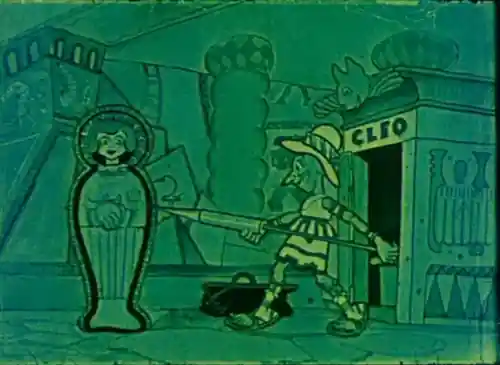
One cannot discuss the film’s craftsmanship without acknowledging its cinematographic choices. The director employs a series of long takes that linger on Cleopatra’s reflective moments, allowing the audience to peer into the cracks of her armor. In one notable sequence, she stands before a cracked mirror, the fragmented reflections casting a kaleidoscope of identities—a visual echo of the fragmented self that the film explores.
Comparatively, the film’s tonal balance finds kinship with the darkly comic sensibility of The Seventh Sin, yet it diverges by embedding a more profound character study within its con‑artist framework. Where The Seventh Sin revels in overt satire, Cleopatra and Her Easy Mark opts for a quieter, more introspective satire that invites the viewer to contemplate the moral elasticity of both con‑woman and victim.
The supporting cast, though limited, provides essential texture. A bartender named Lila (a cameo that feels like an homage to the classic femme‑fatale trope) offers Cleopatra a cryptic warning in a hushed tone, her words drenched in the same sea blue hue that colors the film’s night scenes. This subtlety reinforces the notion that the city itself is a character—its shadows whispering counsel to those who dare listen.
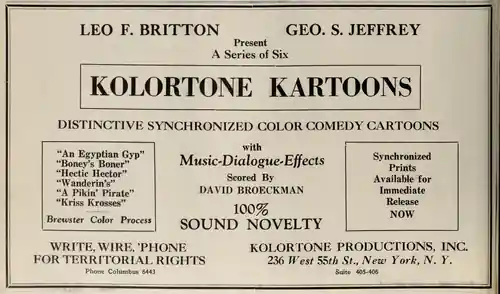
The film’s climax, set in an abandoned warehouse illuminated by a single, swinging bulb, is a masterstroke of visual storytelling. Cleopatra, now stripped of her silk gowns and jeweled accessories, confronts Arthur amid crates of contraband cash. Their dialogue, sparse yet charged, oscillates between accusation and confession. Arthur’s revelation—that he suspected the con all along but chose to continue for the thrill of being part of a larger narrative—adds a layer of tragic irony. Cleopatra’s reaction is not one of triumph but of quiet resignation, a moment captured in a lingering shot where her face is half‑lit by the bulb’s amber glow, the other half swallowed by darkness.
The denouement does not resolve with a tidy moral verdict. Instead, it leaves Cleopatra at a crossroads: the syndicate’s leaders have vanished, her financial empire crumbling, yet a faint smile hints at a renewed resolve. Arthur, now financially depleted, walks away with a newfound sense of agency, his earlier passivity transformed into a quiet strength. This ambiguous closure mirrors the film’s overarching theme—that identity and destiny are fluid, shaped as much by choice as by circumstance.
From an analytical perspective, the film excels in its subversion of genre conventions. While the narrative adheres to the classic con‑artist arc—setup, execution, fallout—it interweaves a nuanced exploration of gender dynamics, class disparity, and the performative nature of truth. Cleopatra’s manipulation of Arthur is not merely a financial scheme; it is a commentary on how societal expectations can be weaponized, a motif that resonates with contemporary discourses on power and consent.
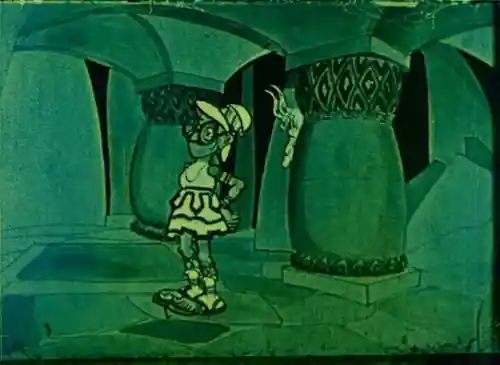
The screenplay’s dialogue, rich with period slang yet surprisingly timeless, avoids the trap of melodramatic exposition. Each line feels earned, each revelation a natural progression of the characters’ internal logics. This restraint is especially evident when comparing the film to the more overtly theatrical The Discarded Woman, whose dialogue often leans into melodrama. Here, the restraint lends credibility, allowing the audience to invest emotionally without feeling manipulated.
Musically, the score—an understated blend of jazz motifs and low‑frequency strings—underscores the film’s emotional undercurrents without overwhelming the narrative. The recurring leitmotif, a plaintive trumpet solo, surfaces during Cleopatra’s solitary moments, reinforcing her internal conflict.
In terms of production design, the contrast between the opulent interiors of Cleopatra’s staged performances and the stark, utilitarian spaces of Arthur’s life accentuates the film’s thematic dichotomy. The use of the dark orange hue in set pieces—such as a velvet curtain or a lacquered desk—acts as a visual cue for moments of deception, while the sea blue lighting often accompanies scenes of revelation or vulnerability.
The film’s pacing, though occasionally languid, never succumbs to tedium. The deliberate tempo allows the audience to savor the intricacies of each con, akin to watching a masterful chess player contemplate each move. This measured rhythm also provides space for the film’s subtle humor to surface—particularly in moments where Cleopatra’s flamboyant swagger collides with Arthur’s earnest clumsiness, generating a gentle, almost affectionate comedy.
When placed within the broader cinematic landscape, Cleopatra and Her Easy Mark stands as a compelling hybrid of film noir, romantic comedy, and psychological drama. Its ability to weave these strands together without diluting any single element is a testament to both the director’s vision and the cast’s disciplined performances.
The film also invites comparison to the narrative structure of One Arabian Night, where storytelling itself becomes a form of enchantment. In Cleopatra’s case, each fabricated tale serves as both a lure and a mirror, reflecting the audience’s own susceptibility to charm.
Overall, the film’s strengths lie in its character-driven storytelling, its meticulous visual language, and its willingness to challenge conventional moral binaries. While some may argue that the resolution feels intentionally ambiguous, this openness is precisely what elevates the work from a simple caper to a resonant study of human desire.
In the final analysis, Cleopatra and Her Easy Mark offers a richly textured experience that rewards attentive viewing, inviting repeated examinations of its layered motifs and its deft interplay of light, shadow, and moral ambiguity.
IMDb —
1918
Community
Log in to comment.