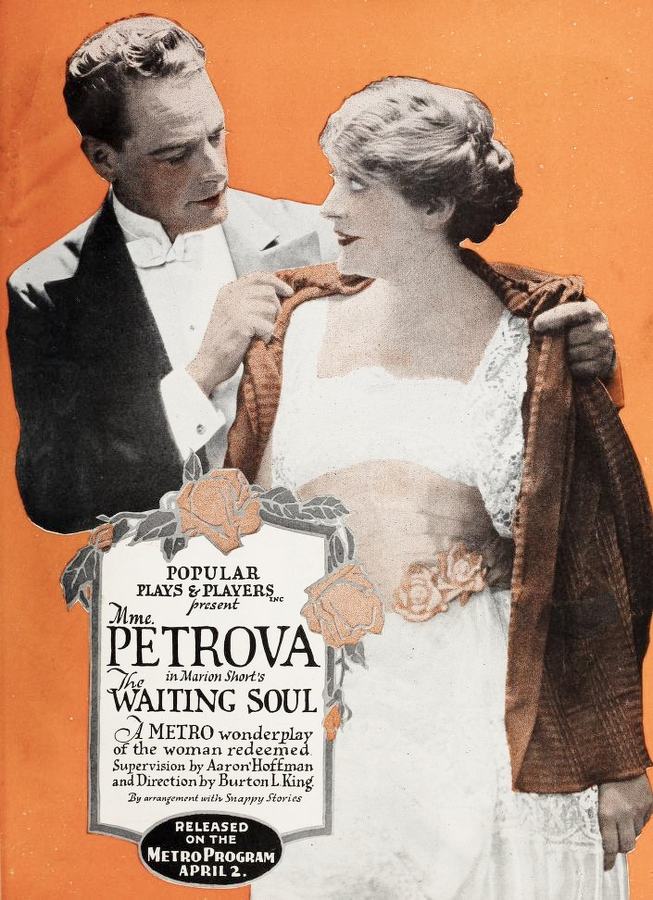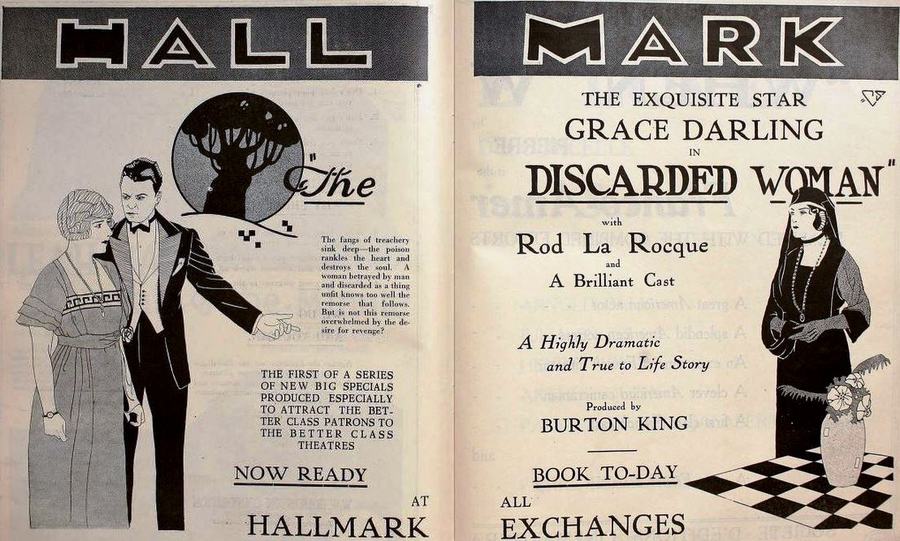
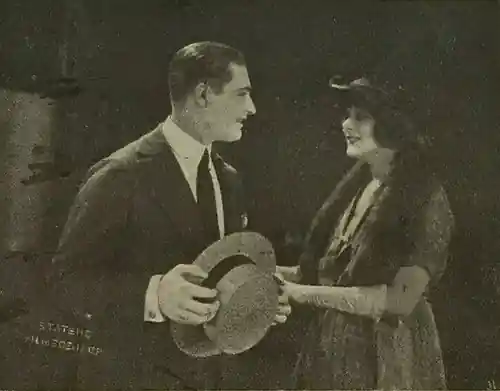
When Martin Wells tires of his wife Esther, he boards a train with her and then deserts her. When Esther discovers that she has been "discarded," she leaves the train and comes upon the cabin of Samuel Radburn, who soon returns home drunk and attacks her.
Melodrama has always been cinema’s way of laundering dirty linen in public, but few early silents scrub as viciously—or as vulnerably—as The Discarded Woman. If you believe the 1920s only offered flappers and Keystone chaos, this staggeringly obscure gem will rewire your retinas. Picture a locomotive slicing through...
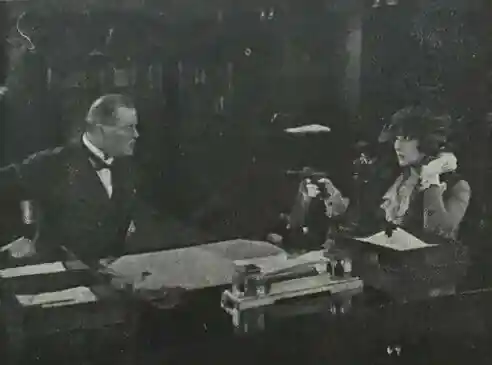
publicity
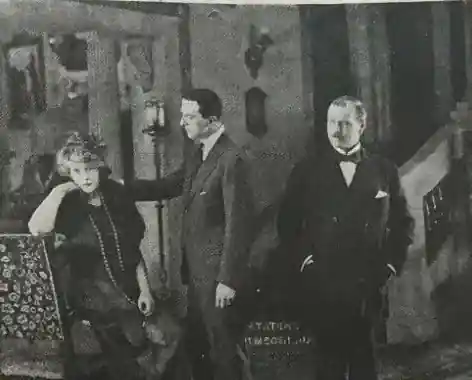
publicity
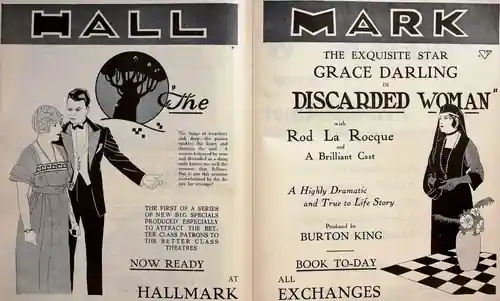
production_art
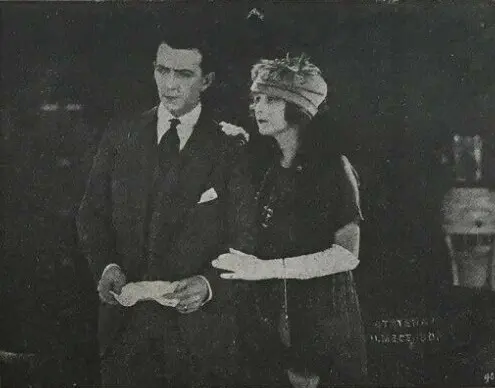
publicity
publicity
Comparing the cinematic DNA and archive impact of two defining moments in cult history.
Burton L. King
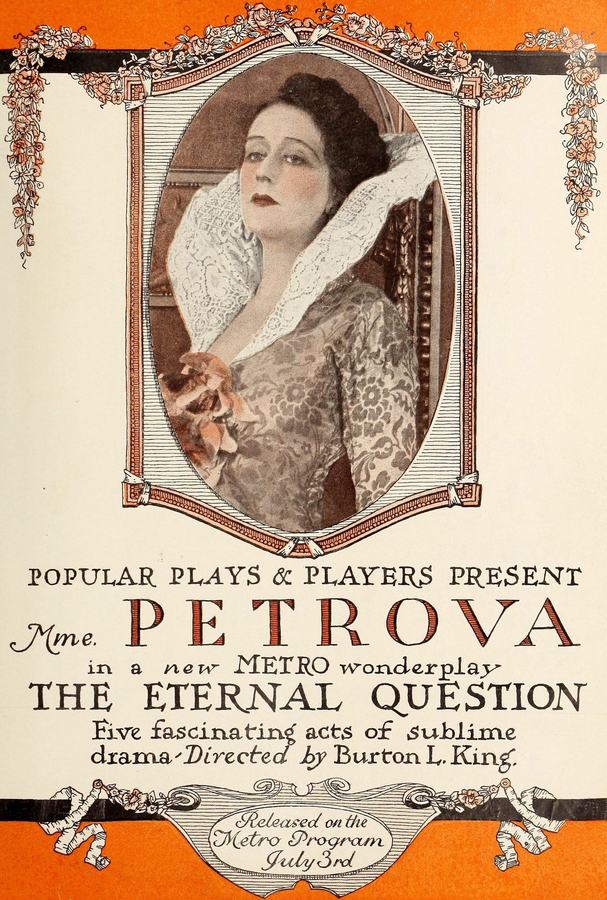
Burton L. King
Community
Log in to comment.
" Melodrama has always been cinema’s way of laundering dirty linen in public, but few early silents scrub as viciously—or as vulnerably—as The Discarded Woman. If you believe the 1920s only offered flappers and Keystone chaos, this staggeringly obscure gem will rewire your retinas. Picture a locomotive slicing through bruised violet dusk, steam curling like cigar smoke around the marital death-spiral of Martin and Esther Wells. In the first reel alone, the film stages an act of desertion so cas..."
A.W. Tillinghast, Lawrence McCloskey
United States

Deep dive into the cult classic
Discover similar cinematic experiences
A Directorial Spotlight on Burton L. King