DbcultAccessing Vault...
6.4/10
Senior Film Conservator
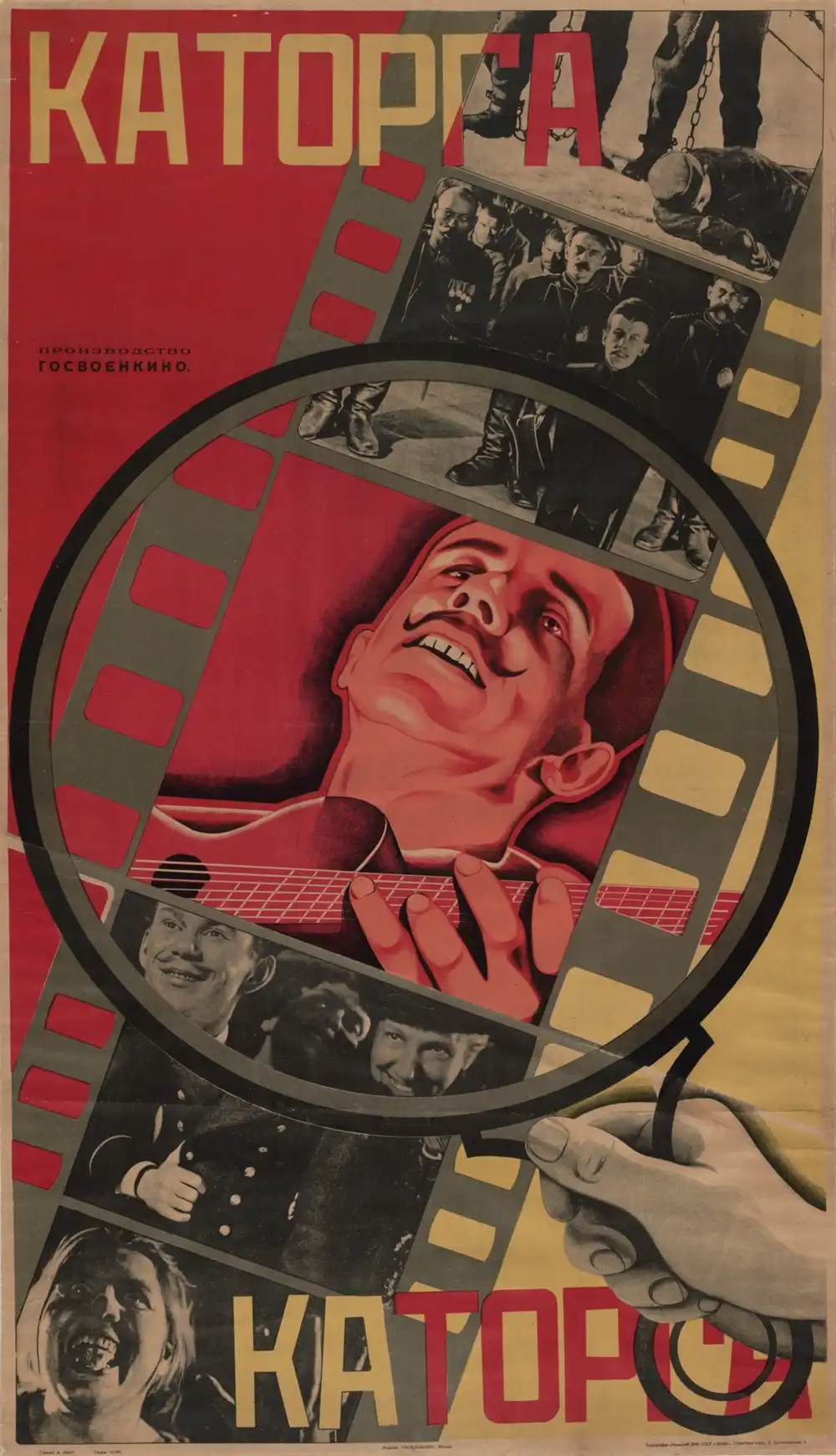
A definitive 6.4/10 rating for a film that redefined the boundaries of cult cinema. In Old Siberia remains a cornerstone of transgressive art.
If you’re looking for a movie that makes you want to wrap yourself in three blankets and check that your front door is locked, In Old Siberia is probably the one. It’s not exactly a 'fun' watch. If you want something lighter from the era, you’re better off finding a copy of It's a Bear. This, however, is a movie about people being broken down by cold and boredom, and then deciding to break things back.
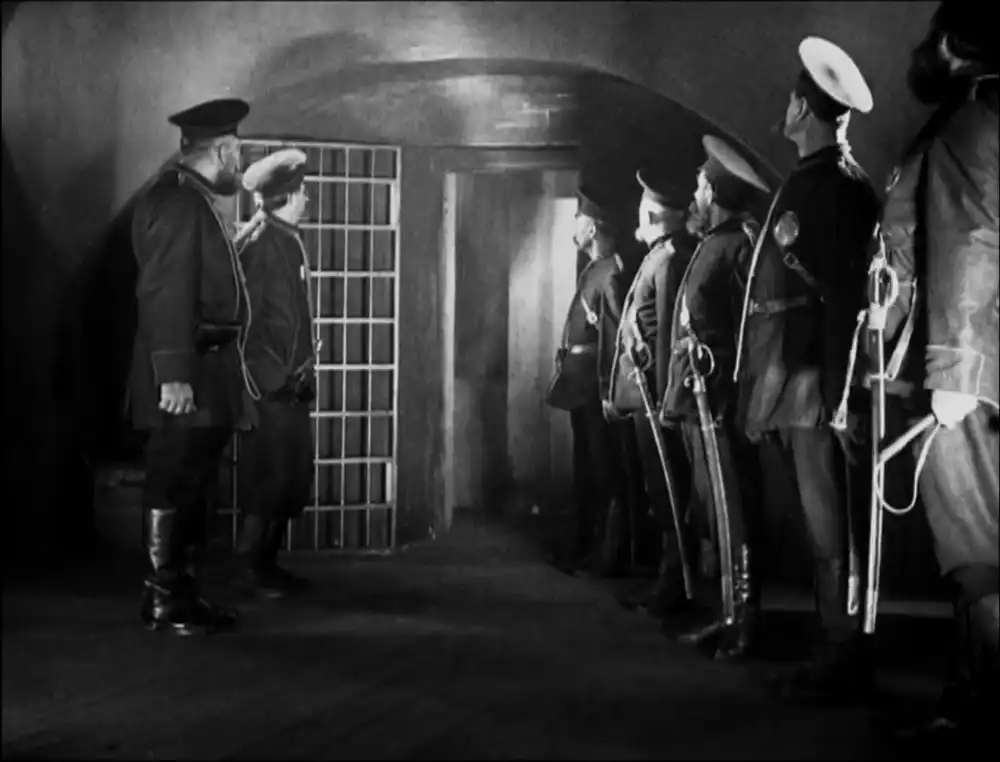
It’s worth watching if you have a thing for early Soviet cinema that hasn't been polished into a perfect propaganda piece. It feels a bit more jagged than that. People who hate slow, silent dramas where the plot is basically 'everything is bad and then it gets worse' should stay far away. There is no last-minute rescue here.
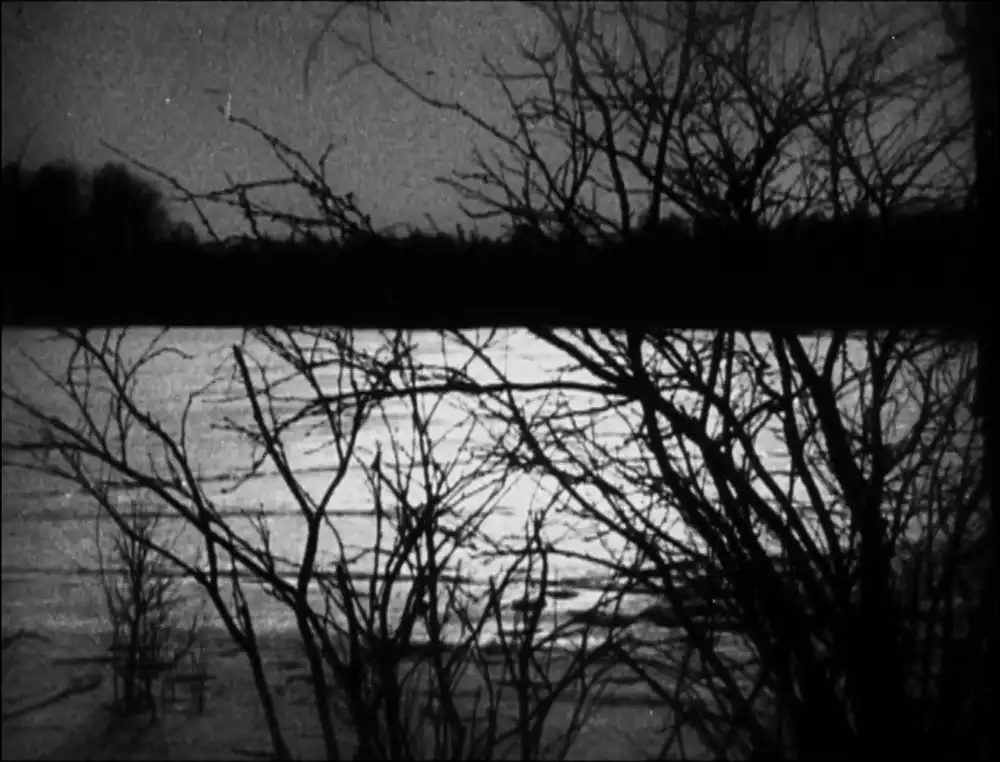
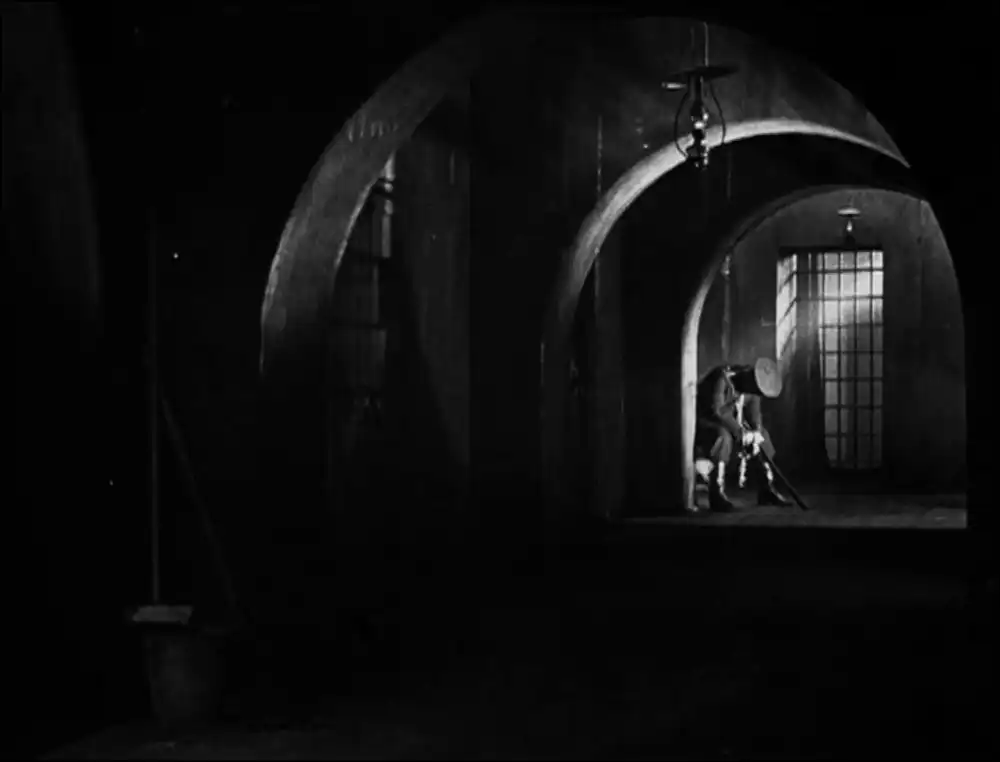
The first thing that hits you is how wet everything looks. I know it’s a black and white silent film from 1928, but you can practically smell the damp wool and the melting slush. The set design for the prison camp isn't just bleak; it feels cramped in a way that makes the wide-open Siberian landscape behind the fences look even more insulting. There’s a shot early on where the camera just sits behind a barbed wire fence for a few seconds too long, watching the wind blow some trash around. It’s not 'cinematic' in the way people usually mean it. It just feels lonely.
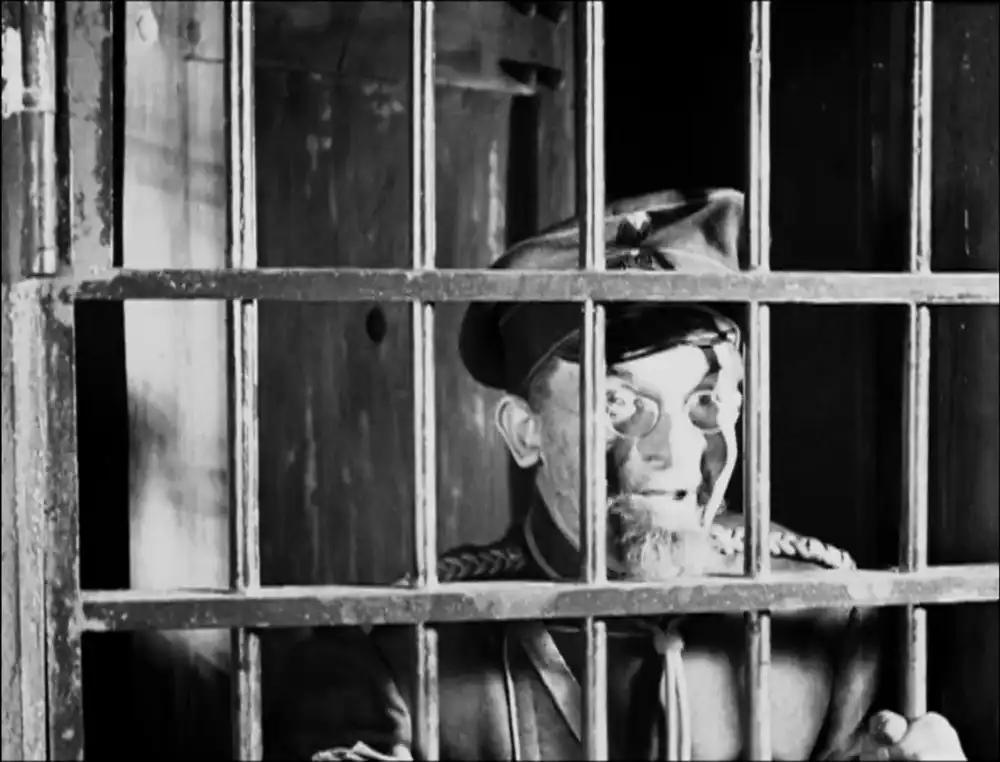
Vladimir Taskin plays the warden, and he is genuinely unsettling. He doesn't do the mustache-twirling villain thing. He plays it with this weird, quiet entitlement. There’s a scene where he’s sitting at his desk, meticulously cleaning his fingernails while a report of a prisoner's illness is being read to him. He doesn't look up once. It’s that casual disregard for life that makes the eventual revolt feel necessary, even if you know it’s going to end badly.
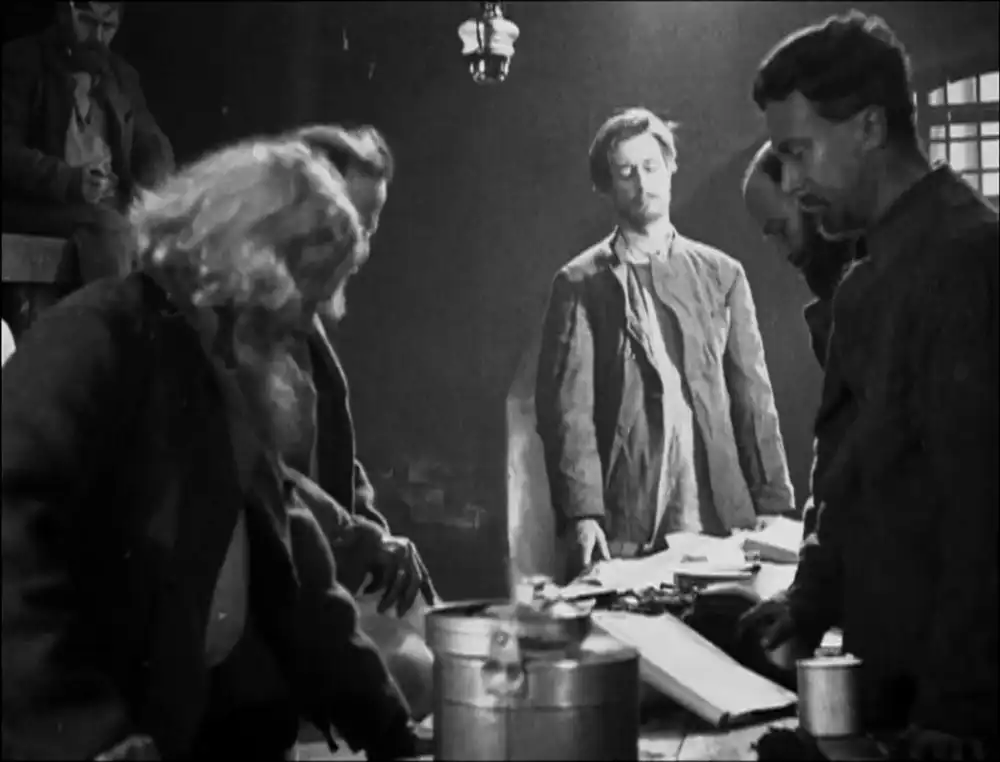
The acting from the prisoners is a bit of a mixed bag. Andrei Zhilinsky has a very intense face—lots of forehead—and he spends a lot of time staring into the middle distance. Sometimes it works, and you feel the weight of his character’s history. Other times, he just looks like he’s trying to remember if he left the stove on. There’s a younger prisoner, played by someone I didn't recognize, who has this nervous habit of tugging at his ear. It’s a small detail, but it’s one of the few things that makes these guys feel like real people rather than just 'The Oppressed Masses.'
The revolt itself is messy. I liked that it wasn't a clean, choreographed action sequence. It’s mostly just men falling over in the mud and swinging pieces of wood. It’s chaotic and confusing, which is probably what a real prison riot feels like. There’s a moment where a guard trips over a bucket and just stays down for the rest of the scene. I couldn't tell if that was scripted or if the extra actually hurt himself, but they kept it in, and it adds to the sense that everything is falling apart.
The pacing drags in the middle. There’s a long sequence involving a letter being smuggled that could have been cut by five minutes. We see the letter go from a boot, to a loaf of bread, to a pocket, then back to a different boot. We get it. It’s a secret. By the time the letter actually gets to where it’s going, I had almost forgotten why it mattered. It felt like the director, Alexander Martsykan, was trying to build tension, but he just ended up building a lot of footage of people looking at footwear.
I noticed some weird editing choices during the climax. There’s a cut from a very emotional close-up of a dying prisoner to a wide shot of a dog barking at a fence. It’s a strange tonal shift that almost made me laugh, which I don’t think was the intention. It’s those kinds of rough edges that make these old films interesting, though. You can see them figuring out how to tell a story visually, and sometimes they just trip over the equipment.
One thing that really stuck with me was the costume design. The coats look heavy. Not 'movie heavy,' but actually heavy. You see the actors straining under the weight of these massive, fur-lined things that look like they haven't been cleaned since the 19th century. In the barracks scenes, you can almost see the steam coming off them as they dry. It makes the environment feel like a character in a way that a lot of modern period pieces fail to do because everything looks too new.
Is it a masterpiece? Probably not. It’s a bit too repetitive for that. But there’s a grit to it that you don't find in something like Paris Lights. It doesn't try to be beautiful. It just tries to be cold. By the time the credits roll—well, the final title card—you feel a little bit colder yourself. It’s a grim, honest piece of filmmaking that doesn't care if you're having a good time.
The ending is the real kicker. It doesn't give you the satisfaction of a big explosion or a grand speech. It just sort of... stops. The revolt fails, the snow keeps falling, and the warden goes back to his fingernails. It’s frustrating, but it feels right for the story they were telling. If you’re in the mood for something that feels like a long, grey afternoon, this is your movie.

IMDb 5.6
1925
Community
Log in to comment.