DbcultAccessing Vault...
Cult Review
Senior Film Conservator
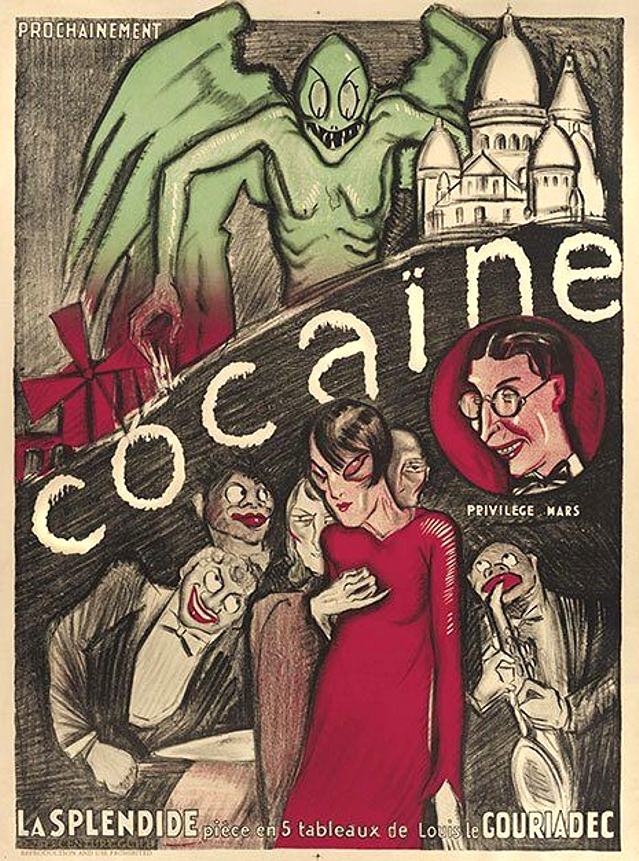
The film opens with a bleak, rain‑slicked street where a lone figure—Harald Bredow's character—emerges from the shadows, his eyes reflecting a weary resolve. The city, a character in its own right, drips with melancholy, its neon signs flickering like dying hopes. From the outset, the audience is drawn into a world where every alley seems to whisper secrets, and every reflection in puddles offers a glimpse of a past too heavy to bear.
Bredow's portrayal is a study in restraint and intensity. He moves with a measured gait, each step a silent plea for something he can no longer name. The camera lingers on his hands, trembling as they clutch a small vial of cocaine, the weight of which seems to carry the weight of a thousand unspoken regrets. The sound design—low, throbbing bass undercut by distant sirens—creates a sonic backdrop that mirrors the protagonist's internal turmoil.
Enter Erna Rehberger’s character, a woman whose beauty is laced with vulnerability. She is both a beacon and a trap, a paradox that Bredow's hero cannot escape. Their encounters unfold like a dance, each step tightening the noose of fate. Rehberger's performance is a delicate balance between seduction and sorrow, her eyes betraying a depth that suggests she has walked a similar path of loss.
The supporting cast—Ernst Pittschau, Ursel Renate Hirt, and Gustav Adolf Semler—add layers of complexity to the narrative. Pittschau embodies the archetypal dealer, a man whose moral compass is as distorted as the city itself. Hirt, playing the desperate sister, offers a glimmer of hope that is quickly snatched away. Semler, the cynical journalist, provides a cynical commentary that grounds the film's fantastical elements in a harsh reality.
The film's cinematography is a masterclass in chiaroscuro. The interplay of light and shadow is used not merely for aesthetic appeal but to underscore the protagonist's psychological descent. Each frame feels like a painting, with the director's hand guiding the viewer through a labyrinth of emotions. The use of close‑ups on Bredow’s face—especially the subtle widening of his pupils—conveys a narrative that words could scarcely capture.
Musically, the score is sparse but effective. The recurring motif—a mournful violin line—echoes the protagonist's yearning for redemption. It is juxtaposed with dissonant strings during scenes of drug use, creating a sonic representation of the duality between hope and despair.
The film's structure is non‑linear, weaving between past and present in a manner reminiscent of Ultus 5: The Secret of the Night. Flashbacks are employed to reveal the protagonist's wartime trauma, adding depth to his current addiction. This narrative choice invites the viewer to consider how history shapes present choices, a theme that resonates across the genre.
When comparing 'Cocain' to contemporaneous works like Sahara, one notices a shared obsession with the desert of human emotion. However, while 'Sahara' leans into exoticism, 'Cocain' remains grounded in the grim reality of urban decay. The film's bleakness is a deliberate contrast to the more hopeful tones found in Red Blood and Yellow, where protagonists find solace in love rather than vice.
The screenplay, crafted by Erich Kraft and Robert Heymann, is tight and purposeful. Dialogue is sparse but potent, each line weighted with subtext. The script's economy mirrors the film's thematic focus: less is more, and silence often speaks louder than words. This restraint is evident in scenes where the camera lingers on a single, unspoken glance between Bredow and Rehberger, allowing the audience to fill the void with their own interpretations.
Cinematographer's use of color palette is particularly striking. The dominant hues—dark orange, yellow, and sea blue—are not merely decorative but serve as visual metaphors. Dark orange (#C2410C) dominates the urban landscape, symbolizing the heat of desperation. Yellow (#EAB308) flashes in moments of fleeting hope, while sea blue (#0E7490) permeates scenes of introspection, hinting at the depths of the protagonist's subconscious.
The film's editing is deliberate, with each cut designed to maintain tension. The pacing is uneven, mirroring the protagonist's erratic journey. In moments of crisis, the editing accelerates, creating a sense of disorientation. Conversely, in quieter scenes, the cuts are elongated, allowing the audience to absorb the gravity of the narrative.
A pivotal moment occurs when Bredow confronts the dealer, played by Pittschau. The dialogue here is a masterclass in tension, each line delivered with a calculated pause that heightens the stakes. The confrontation culminates in a dramatic revelation that forces the protagonist to confront the root of his addiction—a trauma that has been suppressed for years.
The climax of the film is both cathartic and tragic. As the city erupts in a riot of neon and rain, Bredow must decide whether to surrender to his addiction or to rise above it. The decision is ambiguous, leaving the audience in a liminal space between hope and despair. The final shot—a close‑up of Bredow's face as he exhales a breath of smoke—conveys the weight of his choice.
In terms of visual storytelling, the film excels. The use of practical effects—such as the tactile texture of the drug in hand—grounds the fantastical elements in a tangible reality. The mise‑en‑scène is meticulously crafted, with each prop serving a narrative purpose. For instance, the broken mirror on Rehberger's desk reflects the fractured nature of her character.
The film's thematic core revolves around the paradox of addiction: the desire for escape versus the longing for connection. This duality is explored through recurring motifs—rain, mirrors, and shadows—each symbolizing different facets of the human psyche. The director's decision to film in black and white enhances the moral ambiguity, stripping away the distraction of color and forcing the viewer to confront the stark realities presented.
The film's influence can be traced in later works such as Hearts in Exile, where characters grapple with the lingering effects of trauma. 'Cocain' paved the way for a new cinematic language that prioritizes psychological depth over action spectacle.
The performances are the film's backbone. Bredow's subtlety is matched by Rehberger's nuanced portrayal of a woman caught between love and self‑destruction. The supporting actors bring authenticity, each delivering lines with a rawness that feels earned. Their chemistry is palpable, and the emotional stakes are never overstated.
The film's narrative arc is reminiscent of the structure found in Men of the Desert, where characters must confront their inner demons in a hostile environment. However, 'Cocain' distinguishes itself by focusing on the internal landscape rather than external conflict, offering a more intimate look at the human condition.
From a technical standpoint, the film's sound design is meticulous. The ambient noise of city life is interwoven with the protagonist's internal monologue, creating a layered auditory experience. The subtle use of silence in key moments amplifies the emotional impact, making the audience feel the weight of unspoken truths.
The film's pacing, while deliberate, never feels sluggish. Each scene is carefully crafted to move the story forward, whether through dialogue, action, or visual cues. The director's eye for detail ensures that no moment feels superfluous, and the narrative remains tightly focused.
Ultimately, 'Cocain' is a testament to the power of cinema to explore complex emotional landscapes. Its blend of visual artistry, compelling performances, and thematic depth creates an immersive experience that lingers long after the credits roll. The film invites viewers to confront uncomfortable truths about addiction, redemption, and the human capacity for change.
For those who appreciate films that challenge conventional storytelling, 'Cocain' offers a profound journey into the heart of darkness. The film's legacy endures, influencing future generations of filmmakers who seek to portray the human experience with honesty and nuance.
IMDb 6.7
1933
Community
Log in to comment.