DbcultAccessing Vault...
7/10
Senior Film Conservator
A definitive 7/10 rating for a film that redefined the boundaries of cult cinema. Cohen on the Telephone remains a cornerstone of transgressive art.
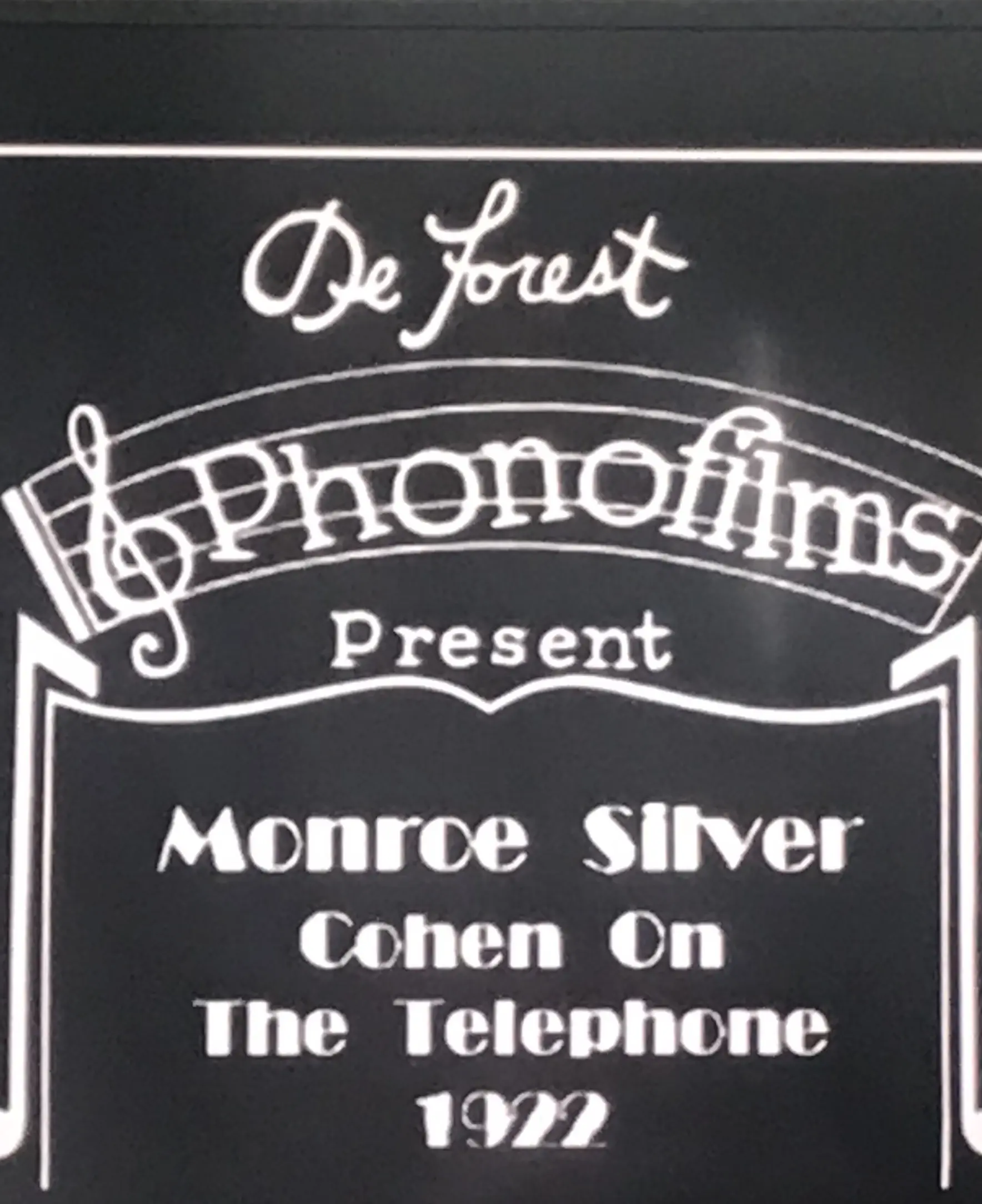
When Lee DeForest unveiled his Phonofilm process in the early 1920s, the cinematic world was on the cusp of a seismic shift. The ability to record synchronized sound directly onto film stock promised to dissolve the silent era’s reliance on live orchestras and caption cards. Cohen on the Telephone stands as a quintessential artifact of this transition, marrying the novelty of recorded dialogue with a performance that feels simultaneously theatrical and intimate.
Silver, already renowned for his rapid‑fire monologues, brings a layered sensibility to the role of Cohen. His vocal timbre, a blend of guttural inflection and clipped consonants, mirrors the linguistic dissonance experienced by many first‑generation immigrants confronting the burgeoning telecommunication landscape. Rather than relying on slapstick pratfalls, Silver employs a nuanced choreography of hand‑to‑ear gestures, frantic foot shuffles, and a lingering stare at the receiver that conveys both desperation and a yearning for connection.
The short’s narrative economy is striking. Within a span of merely a few minutes, the film establishes Cohen’s occupational monotony, his cultural dislocation, and the intrusive presence of technology. The telephone, rendered as a brass‑capped contraption, becomes a metonym for modernity’s double‑edged sword: it promises immediacy yet delivers incomprehension. Each missed call escalates Cohen’s frustration, culminating in a climactic tirade that is as much a lament about linguistic barriers as it is a comedic crescendo.
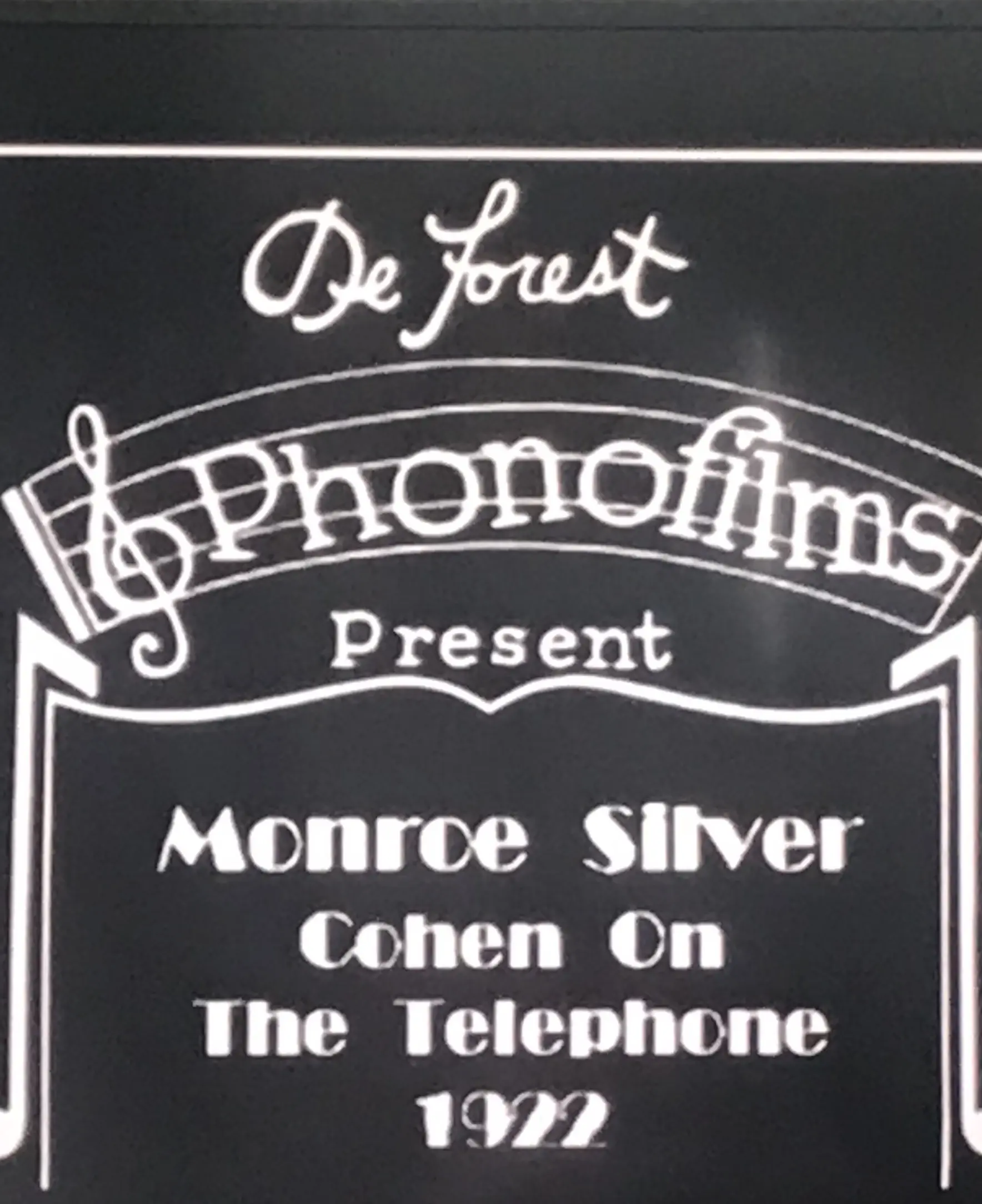
While Sun Dog Trails explores the mythic West through sweeping vistas, and The Cigarette delves into the intimate drama of a single prop, Cohen on the Telephone distinguishes itself through its focus on auditory dissonance. The film’s reliance on sound as narrative driver aligns it more closely with The Painted World, which also utilizes the Phonofilm medium to foreground dialogue over visual spectacle. Yet, unlike the latter’s poetic abstraction, Silver’s piece is grounded in sociocultural realism, making its comedic beats all the more poignant.
Visually, the short embraces a stark, almost theatrical set—a wooden desk, a solitary chair, and a wall-mounted telephone. The chiaroscuro lighting, achieved with a single key light positioned at a low angle, casts deep shadows that accentuate Silver’s expressive face. This minimalist mise‑en‑scene forces the audience to attend to the aural texture; the crackle of the receiver, the hiss of background studio noise, and Silver’s breathy exhalations become integral components of the storytelling.
DeForest’s Phonofilm, though primitive by contemporary standards, captures a surprisingly rich frequency range. The recorded dialogue retains a warm mid‑tone, while the occasional metallic ring of the telephone punctuates the scene with a jarring clarity. This sonic fidelity enables Silver’s rapid diction to be intelligible, a feat that would have been impossible in a live‑theater setting of the era. Moreover, the intentional inclusion of background hiss serves as a reminder of the technology’s infancy, subtly reinforcing the film’s thematic preoccupation with the growing pains of modernization.

Beyond its comedic veneer, the short offers a window into the immigrant experience of the 1920s. Cohen’s struggle to be understood mirrors the broader societal pressure on newcomers to assimilate linguistically. The telephone, a symbol of American progress, becomes a barrier rather than a bridge for Cohen, underscoring the paradox of technology as both liberator and oppressor. This tension resonates with later works such as An Unwilling Hero, which also interrogates the cost of adaptation in a rapidly changing world.
Silver’s portrayal prefigures the later comedic stylings of performers like Jerry Lewis and Mel Brooks, who would similarly exploit linguistic miscommunication for humor. The rhythmic cadence of his monologue, punctuated by physical comedy, anticipates the vaudevillian roots of early talkies. Moreover, the short’s emphasis on a single actor’s vocal prowess foreshadows the star‑driven vehicles of the 1930s, where dialogue became a primary vehicle for character development.
Upon its 1923 release, the short was lauded for its novelty and Silver’s magnetic presence. Contemporary reviewers praised the seamless integration of sound, noting that the telephone’s audible presence “adds a layer of realism seldom seen in moving pictures.” Modern scholars, however, have revisited the piece through the lens of post‑colonial theory, interpreting Cohen’s frantic attempts as a metaphor for the erasure of ethnic identity under the homogenizing pressure of American capitalism.
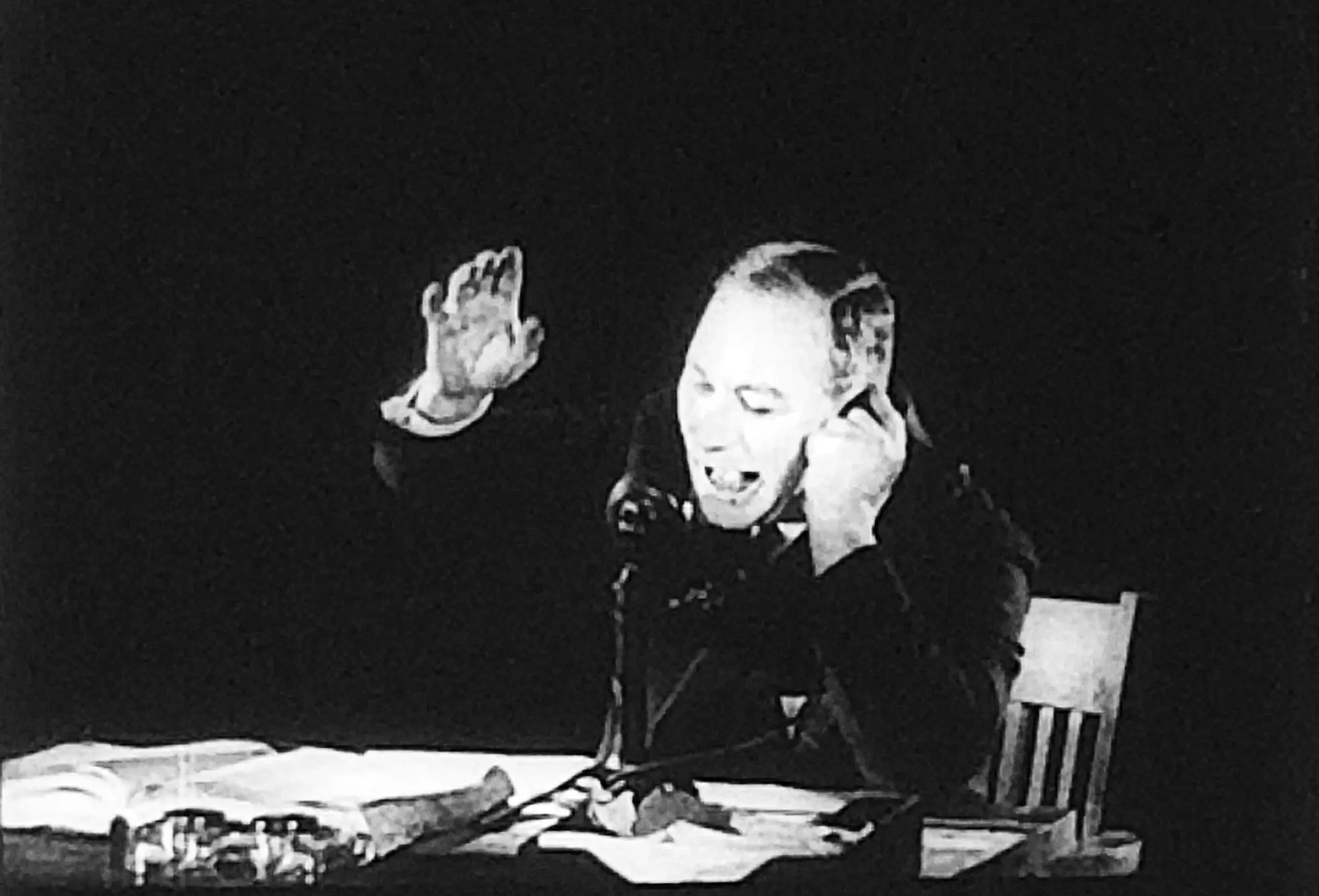
When juxtaposed with The Kickback, which employs early synchronized sound for a crime narrative, Cohen on the Telephone demonstrates a more nuanced use of audio as a narrative engine rather than a mere embellishment. The Phonofilm’s limited dynamic range is leveraged to amplify Cohen’s emotional arc; the crescendo of his voice mirrors his escalating frustration, while the sudden drop to near‑silence after the final outburst underscores a moment of resigned defeat.
The static camera work, reminiscent of early German Expressionist cinema, aligns the viewer’s gaze directly with Cohen’s face, creating an intimate, almost confessional atmosphere. This technique can be compared to the framing in Titanenkampf, where the camera remains largely unmoving, forcing the audience to focus on the actors’ physicality and vocal expression.
The short’s influence extends beyond its immediate era, informing the development of dialogue‑driven comedies in the late 1920s and early 1930s. Its successful marriage of sound and performance demonstrated that the spoken word could carry narrative weight without reliance on intertitles, paving the way for the talkie boom that would soon dominate Hollywood.
In less than ten minutes, Cohen on the Telephone encapsulates a pivotal moment in cinematic history: the uneasy marriage of technology and humanity. Monroe Silver’s masterful embodiment of Cohen renders the film both a period piece and a timeless meditation on the anxieties that accompany every new wave of innovation. For scholars of early sound cinema, the short remains an indispensable study in how auditory fidelity can deepen character, amplify theme, and ultimately transform the very language of film.
IMDb —
1927
Community
Log in to comment.