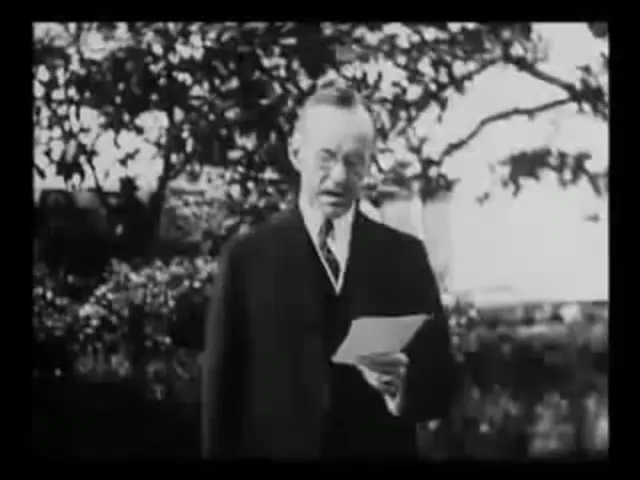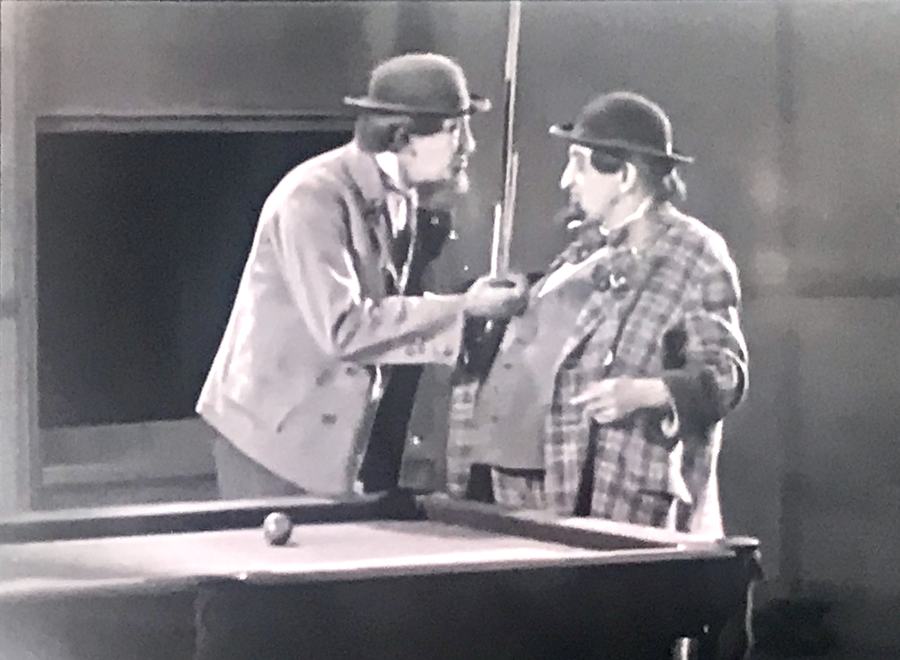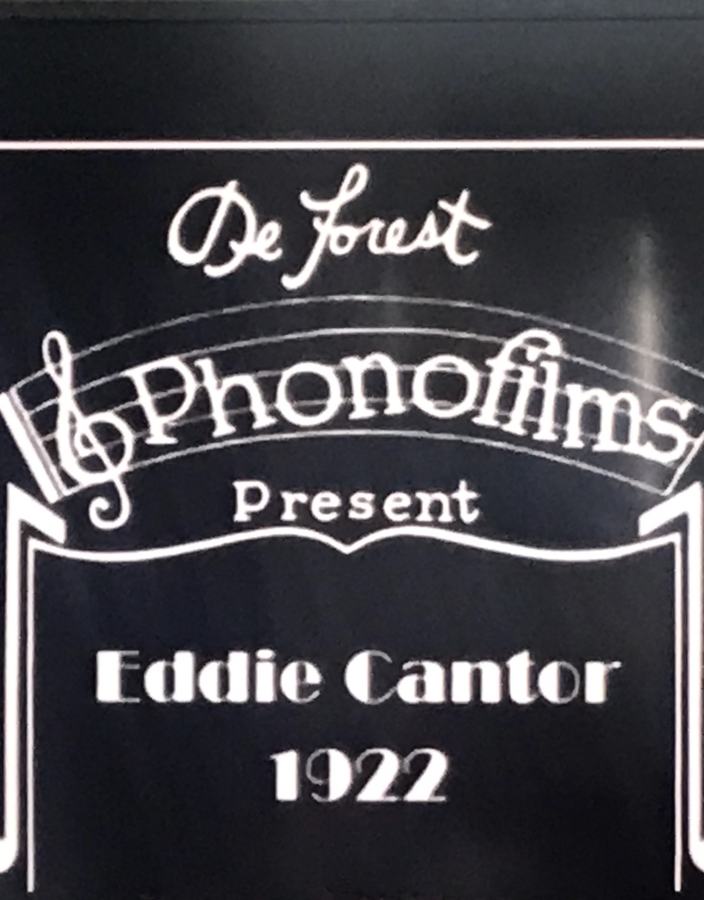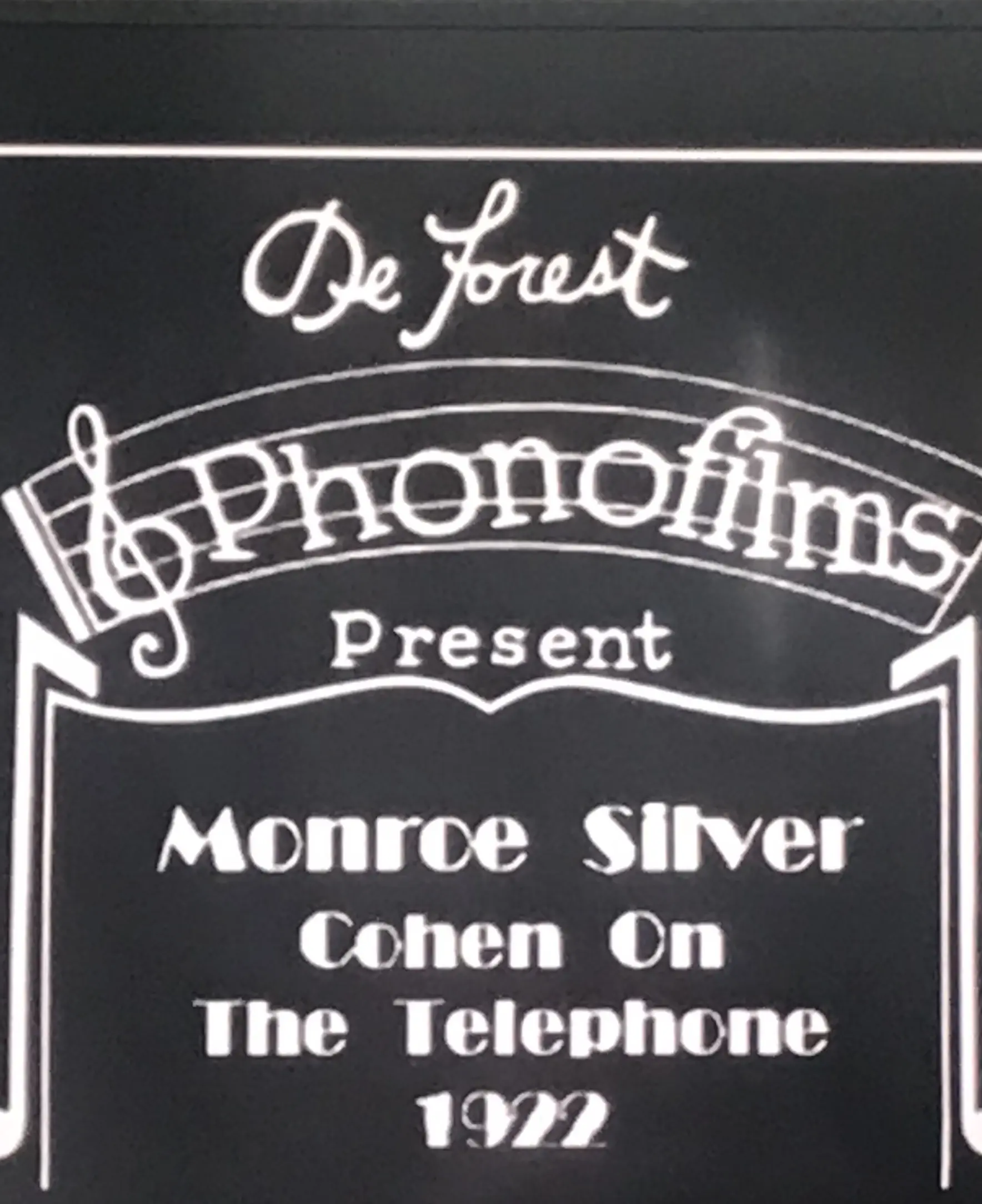
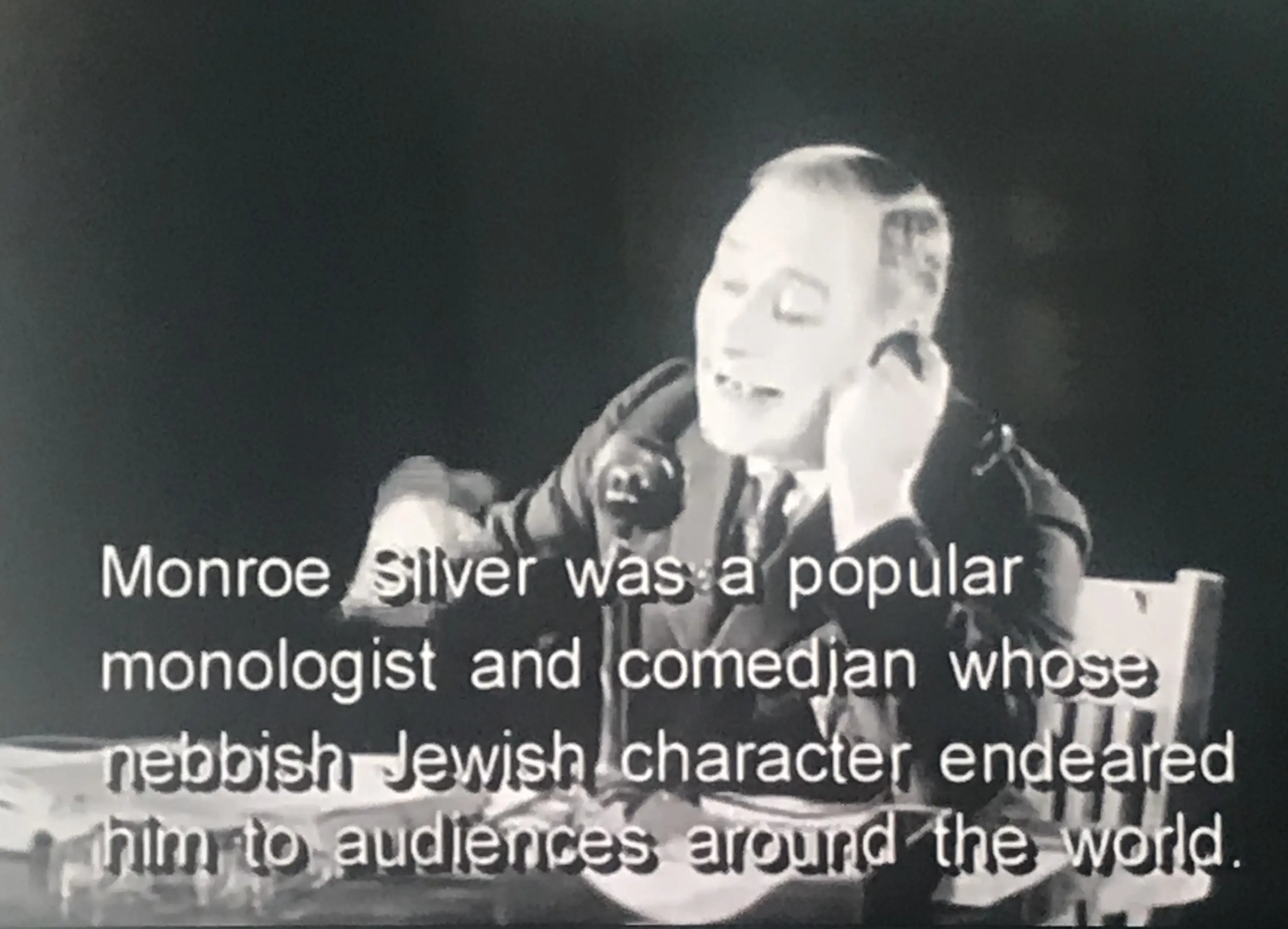
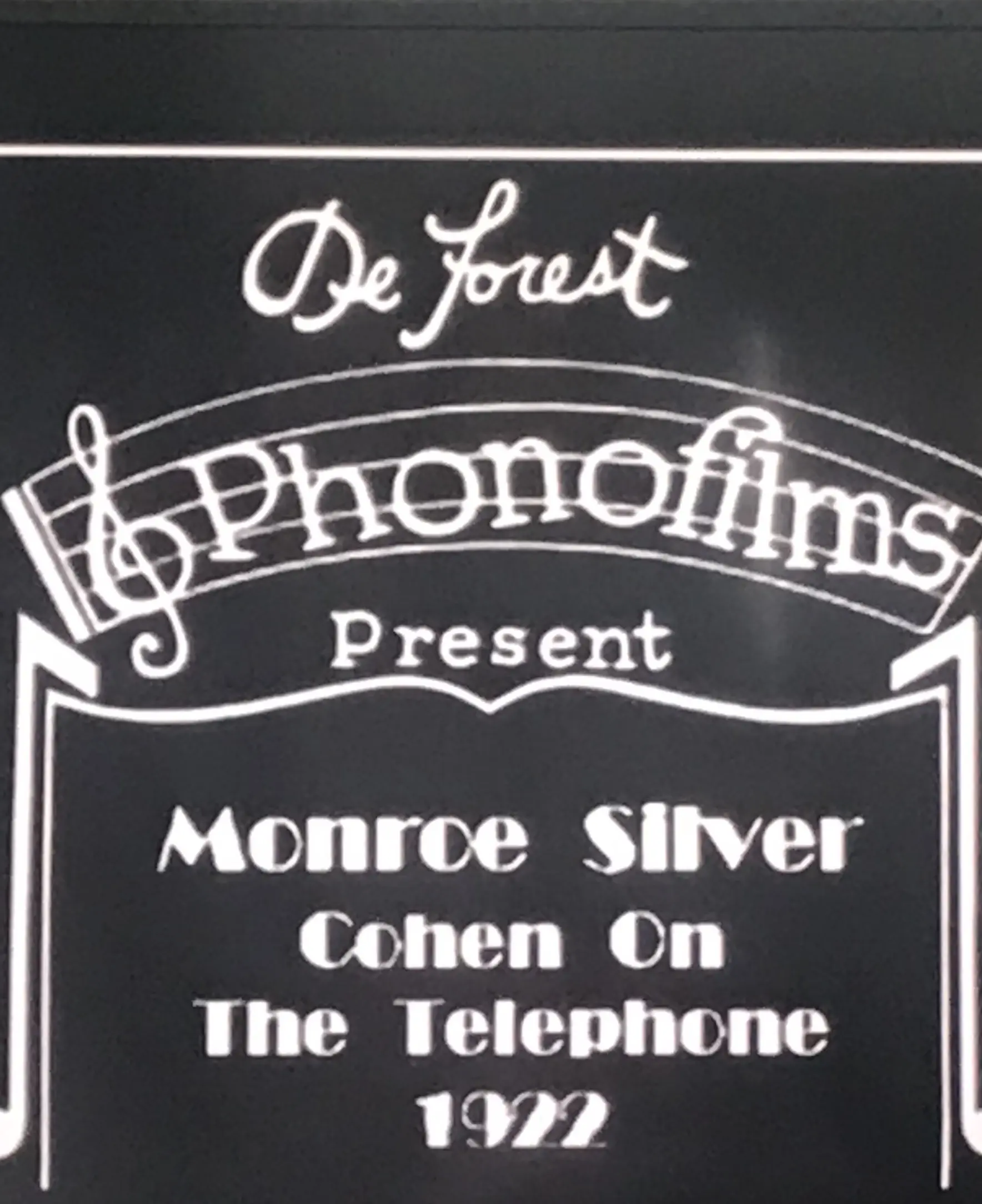
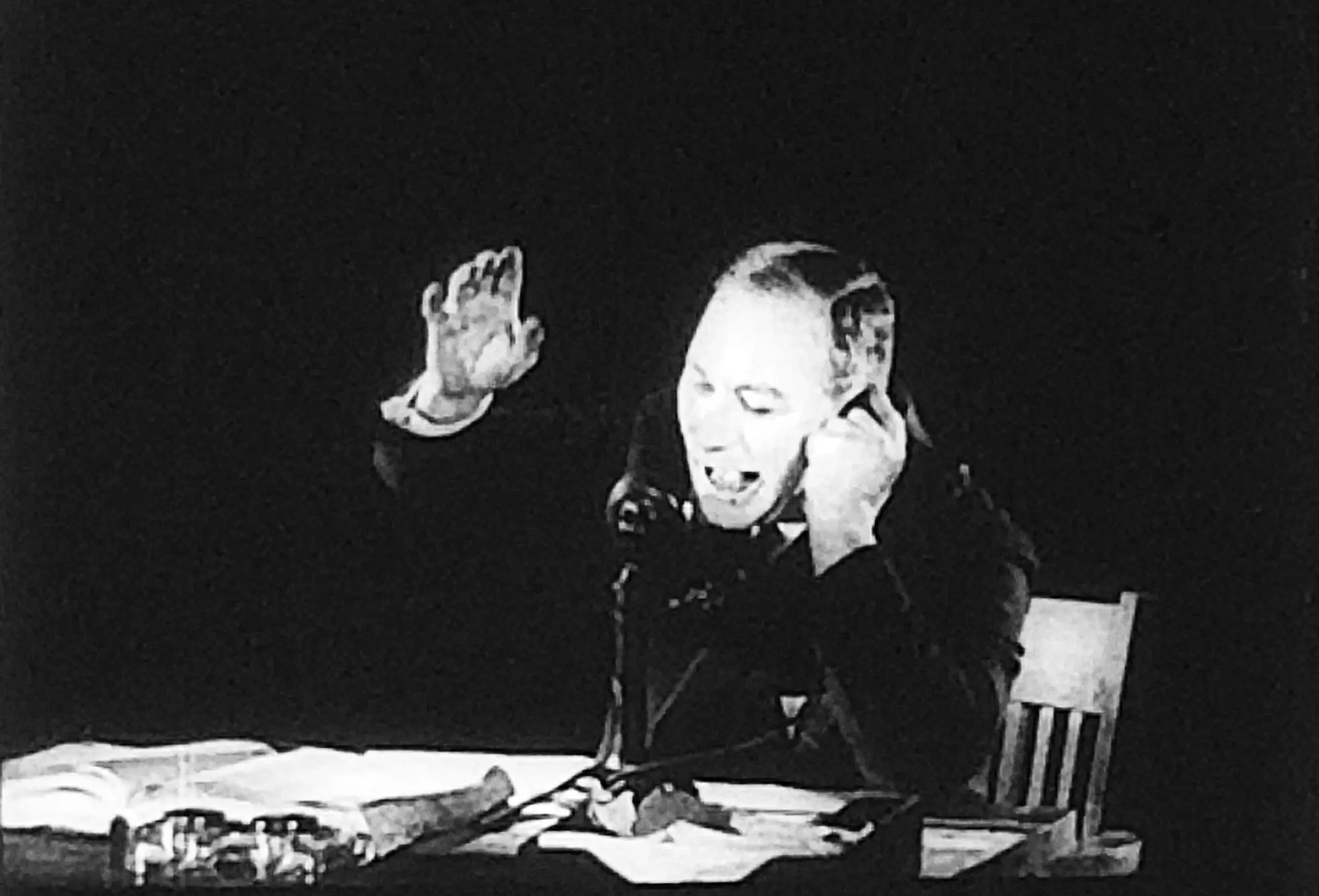
Monroe Silver, famed monologue writer and performer, gives his version of "Cohen on the Telephone" in a short film produced in the DeForest Phonofilm sound-on-film process..
United States
Historical Context and Technical Innovation When Lee DeForest unveiled his Phonofilm process in the early 1920s, the cinematic world was on the cusp of a seismic shift. The ability to record synchronized sound directly onto film stock promised to dissolve the silent era’s reliance on live orchestras and caption ca...
still_frame
still_frame
still_frame
Comparing the cinematic DNA and archive impact of two defining moments in cult history.
Lee De Forest
Reggie Morris
Community
Log in to comment.
" Historical Context and Technical Innovation When Lee DeForest unveiled his Phonofilm process in the early 1920s, the cinematic world was on the cusp of a seismic shift. The ability to record synchronized sound directly onto film stock promised to dissolve the silent era’s reliance on live orchestras and caption cards. Cohen on the Telephone stands as a quintessential artifact of this transition, marrying the novelty of recorded dialogue with a performance that feels simultaneously theatrica..."
Deep dive into the cult classic
Discover similar cinematic experiences
A Directorial Spotlight on Lee De Forest