DbcultAccessing Vault...
Cult Review
Senior Film Conservator
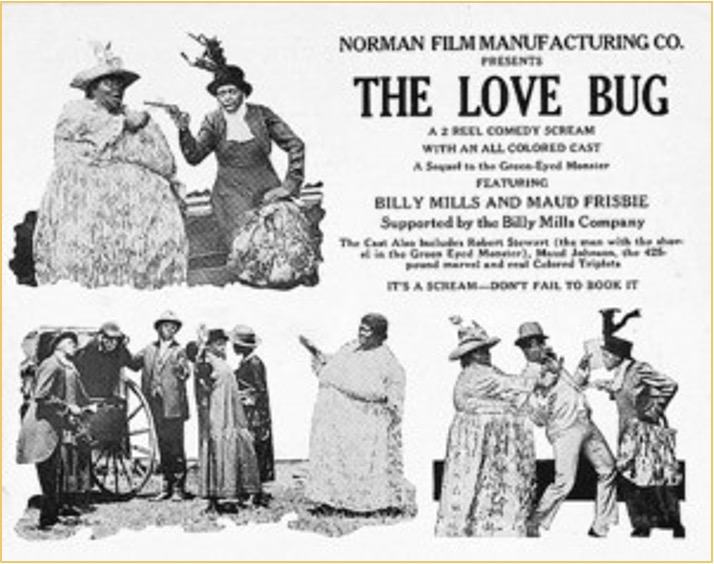
Stepping back into the flickering glow of early cinema, one often encounters narratives that, despite their age, resonate with a surprising contemporary charm. Such is the case with The Love Bug, a delightful confection from a bygone era that masterfully blends scientific curiosity with the timeless universalities of romantic entanglement. This film, a testament to the ingenuity of silent-era storytelling, invites us into a world where a rare beetle can upend the carefully constructed social order and ignite the most unexpected of passions. It’s a delicate dance of wit and physical comedy, a testament to how effectively filmmakers of the period could convey intricate emotional landscapes without the benefit of spoken dialogue.
At the narrative's core is Dr. Alistair Finch, portrayed with an endearing blend of intellectual fervor and social awkwardness by Robert A. Stuart. Stuart crafts a character who is utterly absorbed in his entomological pursuits, his world a precise universe of specimens and Latin names. His latest discovery, a rare, bioluminescent beetle he dubs 'The Love Bug,' becomes not merely a scientific marvel but a whimsical harbinger of romantic destiny. This titular creature, imbued with an almost mythical power, serves as the perfect macguffin, propelling the plot forward with an infectious energy that belies the film's silent nature. Stuart's performance relies heavily on expressive physicality, a hallmark of silent acting, conveying Finch's earnestness and occasional bewilderment with palpable charm.
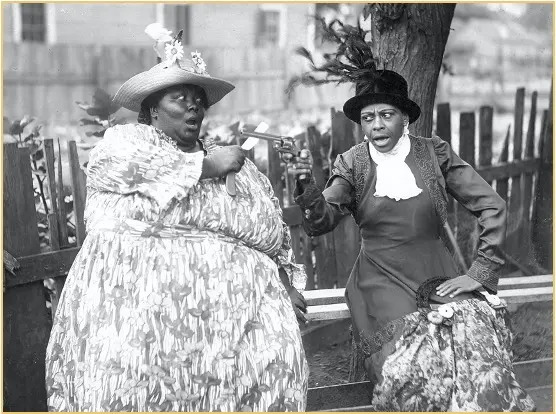
Opposite Finch is the spirited Miss Beatrice 'Bea' Harrington, brought to vibrant life by Maud Frisbie. Frisbie's Bea is no demure damsel; she possesses a sharp wit and an independent streak that makes her a captivating foil for Finch's scholarly detachment. Her initial amusement at the doctor's eccentricities gradually blossoms into a genuine affection, a transformation that Frisbie conveys with nuanced gestures and sparkling glances. The chemistry between Stuart and Frisbie is understated yet potent, a testament to their ability to communicate complex emotions through the subtle language of silent film. Their interactions form the emotional bedrock of the film, providing a relatable human core amidst the comedic chaos. One might draw a parallel to the spirited heroines found in films like Merely Mary Ann, where strong female characters navigate societal expectations with a delightful blend of resilience and charm.
The comedic relief, and indeed much of the plot's propulsion, comes from Billy Mills as Barnaby 'Buzz' Jenkins. Mills embodies the archetypal bumbling rival suitor, his every attempt to sabotage Finch or win Bea's affection backfiring in increasingly elaborate and hilarious ways. His physical comedy is superb, reminiscent of the great slapstick artists of the era, yet tempered with a touch of pathos that prevents him from becoming a mere caricature. Jenkins's antics, often involving him getting tangled in unexpected romantic mishaps himself, underscore the film's central theme: love, like a mischievous insect, has a way of finding its own path, regardless of human interference. His presence adds a layer of delightful unpredictability, echoing the kind of chaotic fun seen in films like The Mischief Maker, where well-intentioned plans often go gloriously awry.
Further complicating matters is Mrs. Agatha Harrington, Bea's formidable aunt, portrayed by Maud Johnson. Johnson delivers a wonderfully stern and disapproving performance, her every glare and pursed lip conveying a rigid adherence to social convention. Her attempts to steer Bea towards a more 'suitable' match provide a constant source of dramatic tension and comedic opportunity, as the Love Bug's chaotic influence continuously thwarts her carefully laid plans. Johnson's portrayal adds a layer of societal commentary, highlighting the generational clash between traditional expectations and the emerging desire for personal freedom in matters of the heart.
The film's visual language is particularly noteworthy. The use of intertitles is judicious and effective, providing necessary exposition without bogging down the pacing. The cinematography, while perhaps not groundbreaking for its time, is competent and often artful, capturing the bustling energy of the city and the intimate moments between characters with equal skill. There are moments of genuine visual poetry, particularly in the depiction of the Love Bug itself, which, through clever trick photography, seems to glow with an otherworldly luminescence, justifying its mythical status within the narrative. The director (uncredited, but undoubtedly skilled) demonstrates a keen understanding of comedic timing, allowing gags to unfold naturally and build to satisfying climaxes.
One of the film's enduring strengths lies in its thematic exploration of the tension between scientific rationality and the unpredictable forces of emotion. Dr. Finch, the man of science, initially approaches the Love Bug with detached academic interest, but its influence, and Bea's presence, gradually dismantle his intellectual defenses. This juxtaposition is handled with a light touch, never resorting to heavy-handed moralizing, but rather allowing the audience to delight in the charming absurdity of it all. It subtly suggests that some mysteries, especially those of the heart, defy purely scientific explanation, a sentiment that resonates even in our hyper-rational modern age. This thematic depth elevates The Love Bug beyond mere slapstick, lending it a certain philosophical weight without sacrificing its entertainment value.
The pacing of The Love Bug is remarkably spry, a characteristic often found in the better silent comedies. The narrative never lingers unnecessarily, constantly introducing new complications and comedic set-pieces. From the Love Bug's initial escape during a high-society garden party to its final, climactic appearance at a grand ball, the film maintains a brisk, engaging rhythm. This dynamic tempo ensures that the audience remains invested in the unfolding chaos, eagerly anticipating what fresh romantic imbroglio the mischievous beetle will orchestrate next. It’s a masterclass in how to build comedic momentum through a series of escalating events, a technique that many contemporary filmmakers could still learn from.
The performances are uniformly strong, with each actor contributing meaningfully to the film's overall success. Stuart and Frisbie anchor the story with their believable, if unconventional, romance. Mills provides the necessary physical comedy and villainous (but ultimately harmless) foil, while Johnson grounds the proceedings with her stern, societal disapproval. Even the minor characters, through their reactions to the Love Bug's antics, help to flesh out the vibrant world of the film, making it feel populated and alive. The ensemble work here is commendable, particularly given the constraints of silent filmmaking, where communication relied so heavily on exaggerated expressions and gestures.
Comparisons to other films of the era are inevitable and often illuminating. While The Love Bug leans into romantic comedy, its playful subversion of expectations and its focus on a central, almost magical object could be seen as a lighter cousin to the more dramatic and fantastical narratives found in films like Filibus, which also features an extraordinary element driving its plot. The film's emphasis on social gatherings and the complications arising from them might echo the societal critiques found in films like The Church and the Woman, albeit with a far more humorous bent. Even the grand gestures of affection, though comical here, recall the earnest romanticism of films like The Love Net, demonstrating a shared language of silent storytelling despite genre differences.
The climax of the film, set against the backdrop of a glittering social event, is a tour de force of comedic timing and narrative resolution. As the Love Bug finally settles upon Bea, prompting a dramatic, heartfelt declaration from Dr. Finch, the audience is treated to a satisfying culmination of the various plot threads. Barnaby Jenkins's final, desperate attempt to intervene results in his ultimate humiliation, providing a cathartic release of tension and ensuring that the protagonists' path to happiness is clear. It's a classic silent film ending, full of grand gestures and triumphant smiles, leaving the audience with a warm, contented feeling.
What truly elevates The Love Bug is its ability to transcend its simple premise. It’s not merely a story about a bug causing trouble; it’s a gentle exploration of how love often arrives when least expected, disrupting our carefully ordered lives and forcing us to embrace a little chaos. The film suggests that perhaps a touch of irrationality, a dash of the whimsical, is precisely what’s needed to open our hearts to genuine connection. This nuanced message, delivered through a vehicle of lighthearted comedy, is a testament to the sophistication of early cinematic narratives.
The legacy of films like The Love Bug is crucial for understanding the evolution of cinematic storytelling. They laid the groundwork for future romantic comedies, establishing tropes and comedic structures that continue to be refined and reinterpreted today. The film’s focus on character-driven humor, its reliance on visual storytelling, and its ability to evoke genuine emotion without dialogue are all elements that remain fundamental to the art form. It reminds us that even in the nascent stages of cinema, filmmakers were already mastering the complex interplay of narrative, performance, and visual spectacle to create engaging and enduring works.
In conclusion, The Love Bug is a charming, often hilarious, and surprisingly insightful film that deserves a place in the pantheon of classic silent comedies. Its delightful premise, strong performances, and clever direction make it a joy to watch, even a century after its initial release. It’s a testament to the power of a simple, well-told story, proving that the universal themes of love and human connection transcend the limitations of time and technology. For anyone with an appreciation for the artistry of early cinema, or simply a desire for a heartwarming and genuinely funny romantic tale, The Love Bug is an absolute treasure, a whimsical whisper from the past that continues to captivate and amuse. It’s a film that proves, unequivocally, that sometimes the smallest creatures can have the biggest impact on our hearts, leaving us with an indelible feeling of warmth and joy long after the final fade-out.
IMDb 6.2
1931
Community
Log in to comment.