DbcultAccessing Vault...
5.2/10
Senior Film Conservator
A definitive 5.2/10 rating for a film that redefined the boundaries of cult cinema. Colonel Heeza Liar's Forbidden Fruit remains a cornerstone of transgressive art.
Stepping back into the nascent days of animation, one encounters a peculiar breed of cinematic experience, often marked by a charmingly unhinged narrative logic and a pioneering spirit that defied the conventional strictures of storytelling. Among these early trailblazers, Colonel Heeza Liar's Forbidden Fruit stands as a vibrant, if delightfully nonsensical, testament to the boundless imagination of its era. This isn't merely a film; it's a whimsical time capsule, a fleeting glimpse into a period where the very act of bringing drawings to life was a spectacle in itself, and the stories they told were often as spontaneous and free-associative as a jazz improvisation.
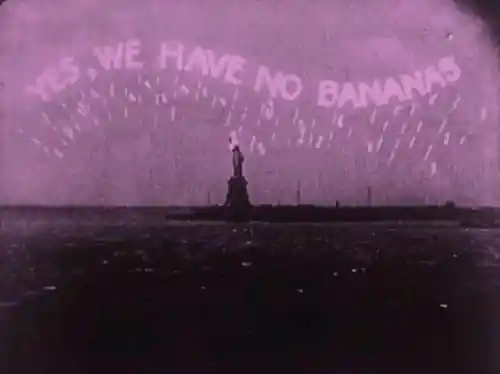
The film commences not with a grand overture or a dramatic exposition, but with the disarmingly domestic scene of Walter Lantz, the celebrated animator himself, serenely plucking away at his guitar, a melancholic rendition of 'Yes We Have No Bananas' filling the air. This immediately establishes a meta-narrative layer, blurring the lines between creator and creation, an ingenious touch that predates much of what we now consider postmodern commentary. Lantz, a titan in the burgeoning world of animated shorts, presents himself here not as a distant artistic deity but as an approachable, almost vulnerable figure, a musician lost in his melody. This candid introduction sets a tone of intimate, almost casual absurdity, preparing the viewer for the delightful disjunctions to come.
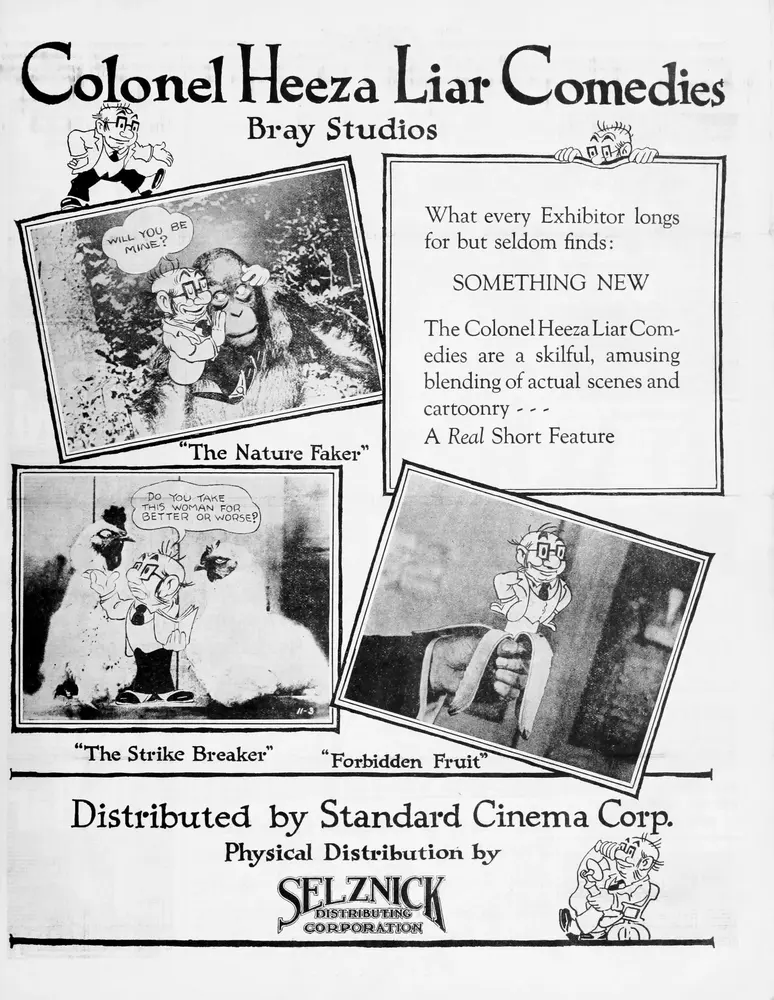
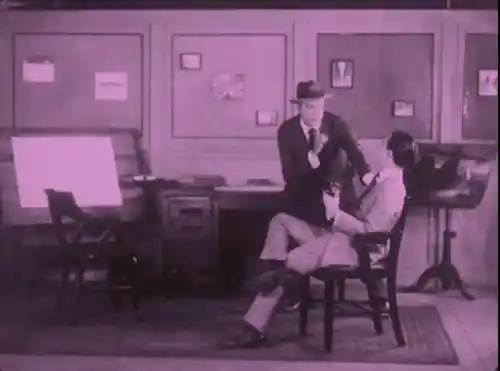
The narrative pivot, if one can truly apply such a formal term to this free-form fantasia, arrives with the entrance of a co-worker, who presents Lantz with a banana. Yet, this is no ordinary fruit. In a moment of pure, unadulterated surrealism that would make Buñuel nod in approval, the banana undergoes a miraculous transmogrification, shedding its yellow peel to reveal the diminutive, dapper, and utterly distinct Colonel Heeza Liar. This transformation is not explained, nor does it require explanation; its very occurrence is the point. It’s a testament to the early animators' freedom from realist constraints, a playful embrace of the impossible. One might even draw a parallel to the fantastical elements occasionally woven into early live-action comedies, where the absurd was often a punchline in itself, though rarely with such a direct, magical realism as seen here. Consider the whimsical, almost dreamlike sequences in films like The French Doll, where reality often bends to the will of romantic fancy, but rarely with the abrupt, physical metamorphosis witnessed in Lantz’s creation.
The Colonel, a figure of established animated notoriety, immediately launches into his grand narrative, promising to enlighten Lantz (and by extension, us) on how he single-handedly brought an end to 'the great banana famine in 1923.' This declaration, delivered with an air of self-importance bordering on the theatrical, instantly plunges the viewer into a world where historical accuracy is secondary to heroic bluster. The year 1923 itself, a period of post-war economic flux and cultural shifts, becomes a canvas for this unlikely, anachronistic tale of dietary scarcity. It's a delightful subversion, anchoring a completely preposterous claim in a specific historical context, lending it an air of mock-credibility.
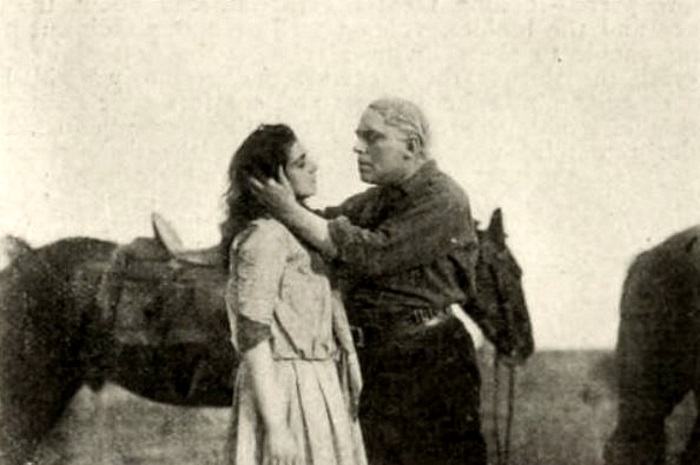
The genius behind such an audacious premise undoubtedly lies with Vernon Stallings, the film’s writer. Stallings understood that the nascent medium of animation thrived on exaggeration and flights of fancy. His script, if one can call it that, is less a tightly plotted story and more a framework for a series of escalating absurdities. The 'banana famine' itself is a brilliant conceit, simultaneously mundane and catastrophic, providing a low-stakes crisis that allows for maximal comedic impact. This narrative approach contrasts sharply with the more grounded, character-driven storytelling prevalent in live-action features of the time, such as A Daughter of the City, which sought to explore urban realities through dramatic arcs. Stallings, instead, revels in the cartoon's inherent ability to defy reality, creating a world where a fruit shortage can be a global catastrophe averted by a pint-sized hero.
The Colonel's recounting of his exploits is a masterclass in unreliable narration, a hallmark of the character's appeal. He is a self-aggrandizing fabulist, and the audience is invited to revel in his hyperbolic tales. This narrative device, where the narrator's veracity is openly questioned, adds another layer of sophisticated humor, anticipating techniques that would become commonplace in later comedic forms. One might compare the Colonel's earnest, yet clearly embellished, storytelling to the charming rogues and tricksters found in some silent-era comedies, albeit amplified by the visual elasticity of animation. The sheer audacity of his claims, presented with unwavering conviction, is the source of much of the film's enduring charm.
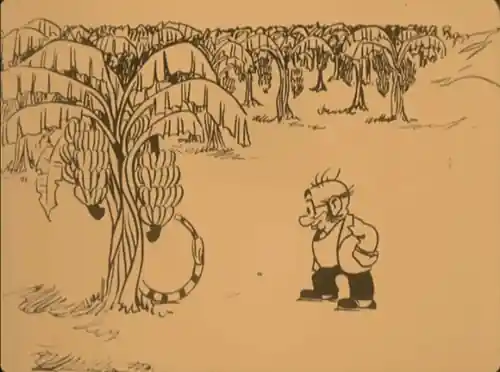
Visually, Colonel Heeza Liar's Forbidden Fruit embodies the aesthetic of early 20th-century animation: clean lines, fluid (for its time) motion, and a focus on character expression. The animation, while rudimentary by today's standards, possesses an undeniable vitality. The transformation of the banana, in particular, is executed with a delightful visual ingenuity, demonstrating the animators' skill in depicting metamorphosis. Lantz's own character design is simple yet effective, allowing for a range of reactions to the Colonel's outlandish claims. The backgrounds are sparse, ensuring that attention remains firmly on the animated figures and their actions, a common characteristic of animation from this period. This minimalist approach was often a necessity, given the labor-intensive nature of hand-drawn animation, but it also contributed to a visual clarity that remains engaging.
The use of music, particularly the recurring 'Yes We Have No Bananas,' is more than just a sonic backdrop; it’s an integral part of the film's comedic fabric. The song, popular at the time, serves as an ironic counterpoint to the Colonel's tale of scarcity, highlighting the absurdity of the situation. Its upbeat, slightly melancholic tune perfectly complements the film’s blend of whimsical fantasy and understated humor. This careful integration of popular culture and narrative device showcases the foresight of Lantz and Stallings, demonstrating an understanding of how to leverage contemporary references for maximum audience engagement. Unlike the often somber or grand orchestral scores of dramatic films like The Enemy, this short film uses music to enhance its inherent lightness and playful tone.
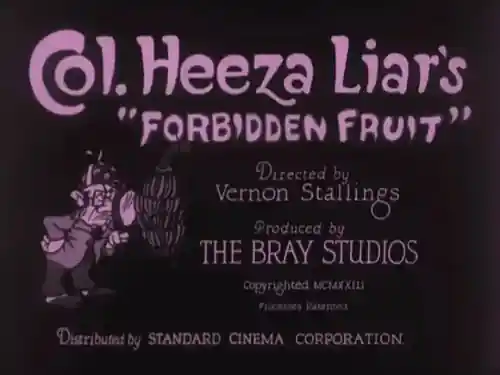
Walter Lantz's contribution to animation is immeasurable, and this short film, while perhaps not as widely known as his later Woody Woodpecker creations, is a crucial piece of his early portfolio. It demonstrates his willingness to experiment, to play with meta-narratives, and to embrace the inherent silliness that animation could so effectively convey. Colonel Heeza Liar himself, one of animation's earliest recurring characters, represents a foundational archetype: the boastful adventurer, whose tales are far grander than his actual stature. He paved the way for countless animated heroes and anti-heroes who would follow, embodying a spirit of audacious individualism.
The film also serves as a fascinating historical document, offering insight into the cultural zeitgeist of the early 1920s. The 'banana famine' itself, while fictitious, playfully taps into broader anxieties about scarcity and the comforts of modern life. It's a lighthearted take on themes that more serious productions might have explored with somber gravitas. In an era that was still grappling with the aftermath of a global war, as evidenced by films like Allies' Official War Review, No. 3, such animated escapism offered a much-needed respite, a chance to laugh at a fabricated crisis rather than dwell on real ones. This ability to provide whimsical diversion was a powerful aspect of early cinematic entertainment.
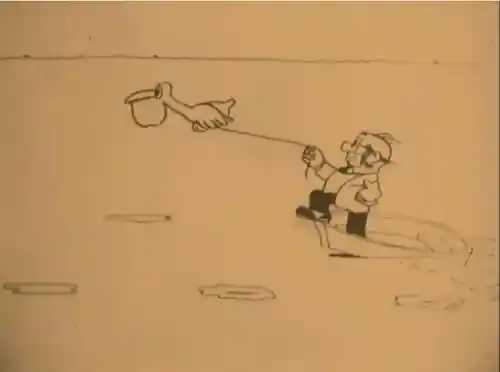
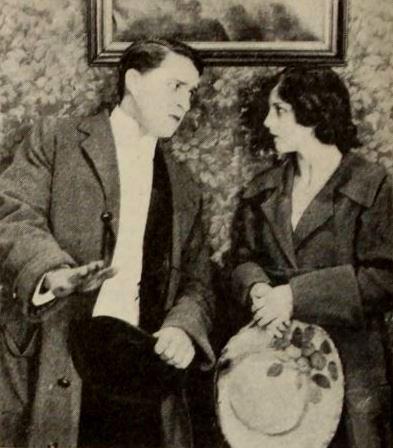
One cannot discuss the surreal and whimsical without considering the broader landscape of entertainment at the time. Vaudeville acts and early slapstick comedies often relied on improbable situations and exaggerated characters, much like Heeza Liar. Films such as Tramps and Traitors, while live-action, shared a similar spirit of physical comedy and outlandish scenarios. The abrupt shifts in reality, the personification of inanimate objects, and the general air of joyous chaos in Colonel Heeza Liar's Forbidden Fruit were not entirely alien to audiences of the period, but animation offered a unique canvas for these ideas to flourish without the constraints of physical possibility. The medium itself was a form of magic, allowing for impossibilities to become visual realities.
Ultimately, Colonel Heeza Liar's Forbidden Fruit is more than just a historical curio; it is a vibrant, engaging piece of early cinematic art. It encapsulates the playful spirit of innovation that defined the animation industry in its formative years. The film doesn't seek to impart profound wisdom or explore complex psychological depths; rather, its ambition lies in pure, unadulterated entertainment and the joy of imaginative storytelling. It’s a testament to the idea that sometimes, the most profound experiences come from the simplest, most unexpected places – or in this case, from a banana that transforms into a boastful colonel.
Its charm lies precisely in its unpretentious absurdity, its willingness to embrace the fantastical without apology. It reminds us that at its heart, animation is about bringing dreams, however silly, to life. For anyone fascinated by the origins of the animated medium, or simply in search of a delightful, historically significant oddity, this film offers a fascinating and thoroughly enjoyable excursion into the whimsical mind of Walter Lantz and the fertile imagination of Vernon Stallings. It's a reminder that even in the earliest days of cinema, artists were already pushing boundaries, experimenting with form and narrative, and creating works that, despite their age, still resonate with a timeless, effervescent spirit of fun. This film, much like a well-preserved antique, offers both aesthetic pleasure and a window into a bygone creative landscape, a delightful artifact of a time when the possibilities of the moving image felt limitless and wonderfully strange.

IMDb —
1934
Community
Log in to comment.