DbcultAccessing Vault...
Cult Review
Senior Film Conservator
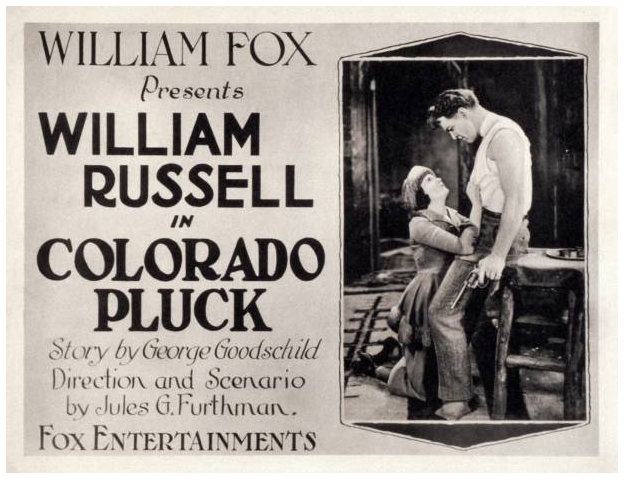
A bullet, a bankroll, and a brittle English rose
The opening iris-in on Colorado Pluck lands us not amidst sagebrush but inside a gilded New York ballroom where William Buckley’s Colorado Jim swaggers in ten-gallon bravado, pockets jangling with freshly minted millions. Director Jules Furthman—years before he penned the acid repartee of Shanghai Express
Enter Bertram Johns’s Reggie Featherstone, a walking sketch of Edwardian decay: gloves immaculate, smile mortgaged, debts astronomical. Their meet-cute is a brawl at a poker table where Jim’s pile of chips towers like a claims office; Reggie’s family crest is reduced to a cigarette case pawned for buy-in. Furthman cross-cuts between Jim’s calloused fingers riffling cards and Reggie’s twitching eye—a silent promise that transatlantic class collision is only one ocean liner away. Once the narrative anchors in London, the film’s palette—tinted amber interiors, steel-blue Thames exteriors—mirrors the moral temperature. Angela Featherstone (Helen Ware) first appears framed within a cracked family-portrait oval, as though even the house’s walls regret their own bankruptcy. She accepts Jim’s sudden proposal with the resignation of a woman fastening her own manacle, yet her eyes flick toward the horizon as if already calculating escape velocity. Their wedding breakfast is shot from a cavernous high angle, rendering the couple small, cake-topped figurines amid silver tureens that will soon be sold to settle grocer’s bills. What follows is a montage of extravagance that rivals Stroheim: roulette wheels spin like buzz-saws slicing banknotes; dress-shop mirrors fragment Angela into a kaleidoscope of silk and self-loathing. Credit intertitles vanish—Furthman trusts the audience to feel the purse-strings tighten by the simple expedient of shrinking chandeliers; each successive ballroom grows shabbier, until Angela’s final London soirée occurs beneath gas-jets that hiss like serpents. The moment she boards the westbound liner, the film’s tint warms from slate to honey, as though America itself exhales a welcome of molten bullion. The return to Colorado detonates the picture’s heart. Cinematographer Rae Berger swaps velvet drapes for vertiginous skies, letting the landscape loom like moral reckoning. Jim’s ranch is no pastoral haven but a wooden palisade carved into a butte, winds howling like creditors. The confrontation with three claim-jumpers plays out in real cliff-edge depth: figures inch along a precipice, their silhouettes swallowed by canyon shadow. When the bullet rips Jim’s shoulder, the intertitle—white letters on black—merely reads “GUTS,” as if language itself has been scalped down to survival. Angela’s bedside vigil becomes the film’s emotional apotheosis. Helen Ware’s face, once marble, liquefies; a single tear halts at the bow of her lip, gleaming like a nugget too pure to assay. She peels off her silk negligee, dons calico, and hoists buckets with reddened hands—an unspoken baptism. Furthman lingers on a close-up of her cracked reflection in a tin basin, the distortion implying that identity, like ore, must be crushed before it yields metal. William Buckley, often dismissed as a sturdy action lead, here accesses surprising registers: his eyes in the fever scenes flicker between boyish bewilderment and mineral-hard resolve. Watch the way his good hand clutches Angela’s rag-doll wrist—possession, gratitude, and terror braided into one gesture. Meanwhile, Margaret Livingston as a ranch-house half-breed enamored of Jim provides foil; her cigarette glows like a tiny sunset of resignation each time Angela enters the frame. George Fisher’s Philip Meredith arrives too late to be true antagonist; he functions more as cultural hangover, a reminder that London’s drawing-rooms can stalk even sagebrush kingdoms. Yet his final standoff—shot amid aspens turned blood-orange by tinting—delivers a kinetically satisfying pistol whip that sends him tumbling into a snow-patch, crimson waistcoat staining the white like a dropped rose. The screenplay, adapted by George Goodchild from his own novelette, streamlines the moral arithmetic: love equals solvency squared, redemption requires haemoglobin. Still, Furthman salts enough ambiguity to elevate the yarn above contemporaneous marital dramas such as White and Unmarried or The Woman Michael Married. Where those films treat marriage as trap or trophy, Colorado Pluck treats it as crucible—wealth is flux, pride is slag, only the fused heart remains. Credit titles boast “shot on location in the Uncompahgre National Forest,” and Berger’s glass-plate grandeur holds up against the era’s outdoor spectacles. Compare it with the back-lodge fakery of The Island of Intrigue, and you appreciate the thunderous authenticity of hooves kicking actual dust. An early two-strip Technicolor sequence of a sunset over the Gunnison River—brief, wordless—floods the screen with tangerine and indigo, a harbinger of the emotional dawn awaiting the couple. Yet the film is not without blemish. Comic-relief stablehand Rae Berger (playing a role named after himself) indulges in eye-rolling minstrel bits that sour modern palates. And the climactic conversion of Angela’s feelings, while elegantly lensed, rushes past in a single reel—one wishes Furthman had allowed her thaw the same spacious patience he grants her freeze. Still, these are scars on an otherwise muscular hide. Viewed today, Colorado Pluck resonates as a cautionary tale of asset bubbles and emotional solvency. Jim’s mined millions evaporate faster than 1929 stock; Angela’s dowry of selfhood must be bartered back coin by coin. The film whispers that real wealth lies not in lodes but in the daily arithmetic of mutual tending—whether that be irrigating alfalfa or swabbing a suppurated wound. Silent-era aficionados will prize the picture’s pictorial élan and psychologically nuanced performances; casual viewers may discover a western that is less about shootouts than about the perilous commerce of intimacy. Restoration prints screened by the Pordenone Silent Film Festival reveal negligible nitrate decay, the tints still singing like canyon wrens. Seek it out before it slips once more into the ore-bin of obscurity, for Colorado Pluck is that rare nugget—rough, radiant, and—if you rub it—genuinely warm.
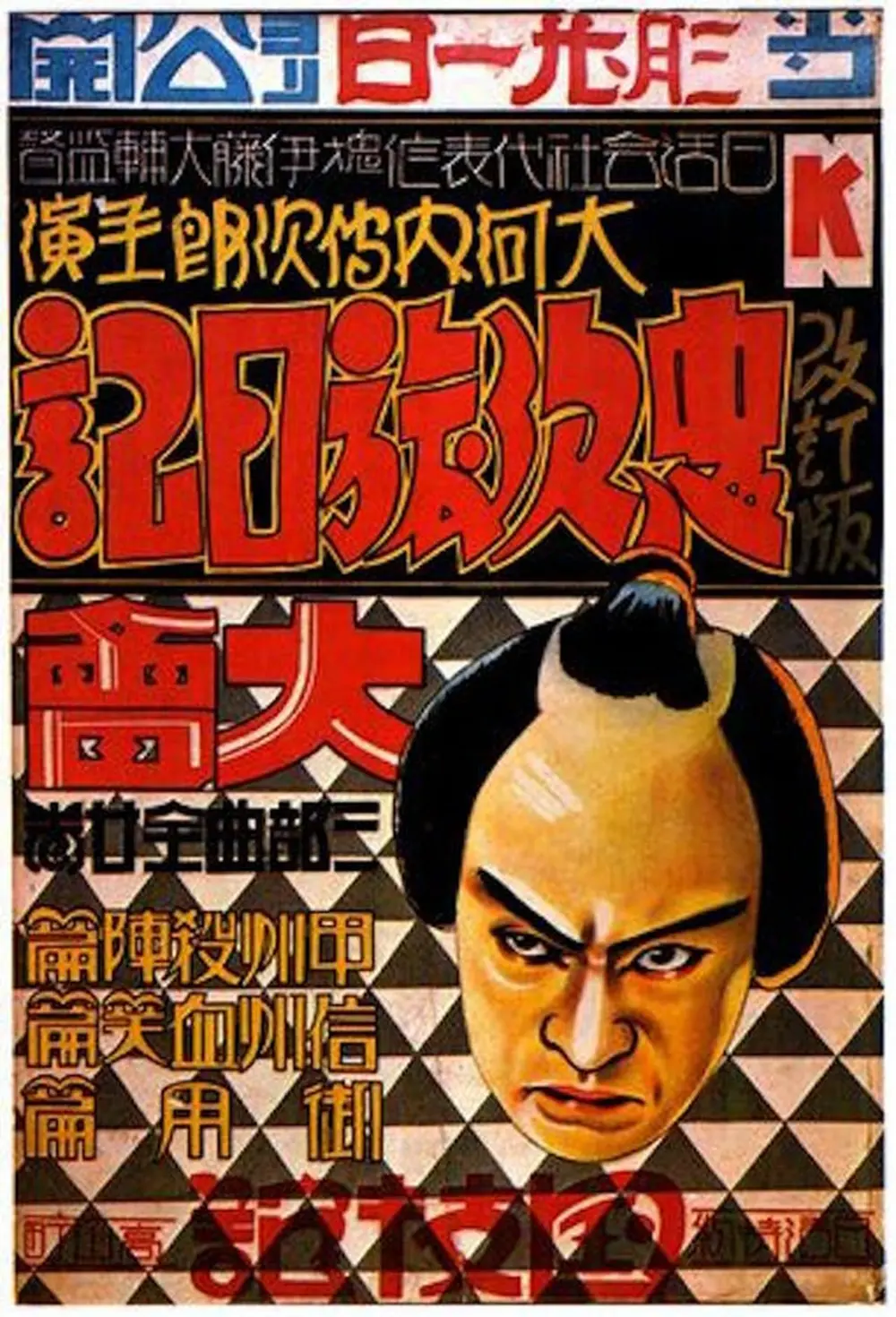
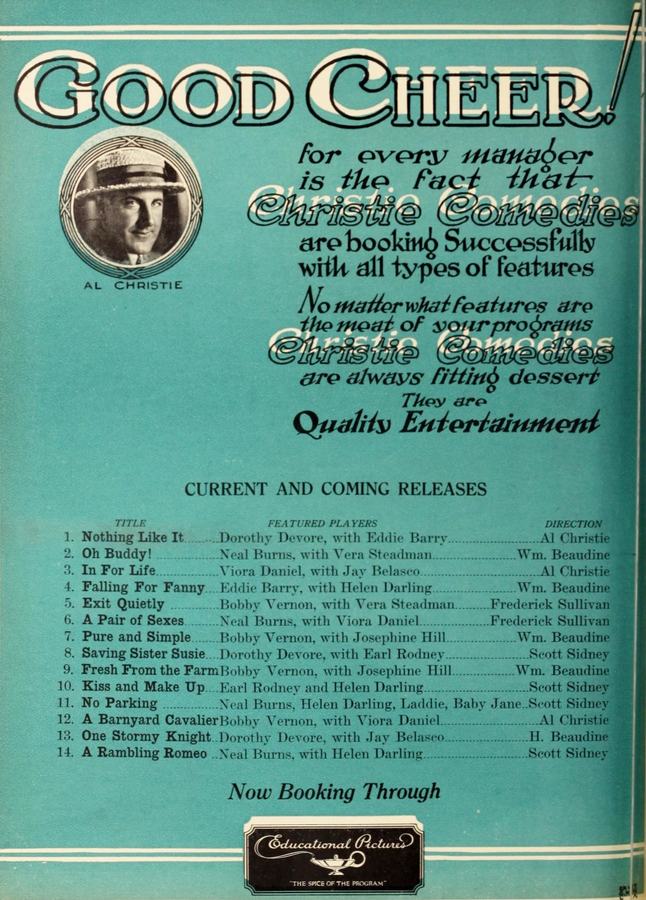
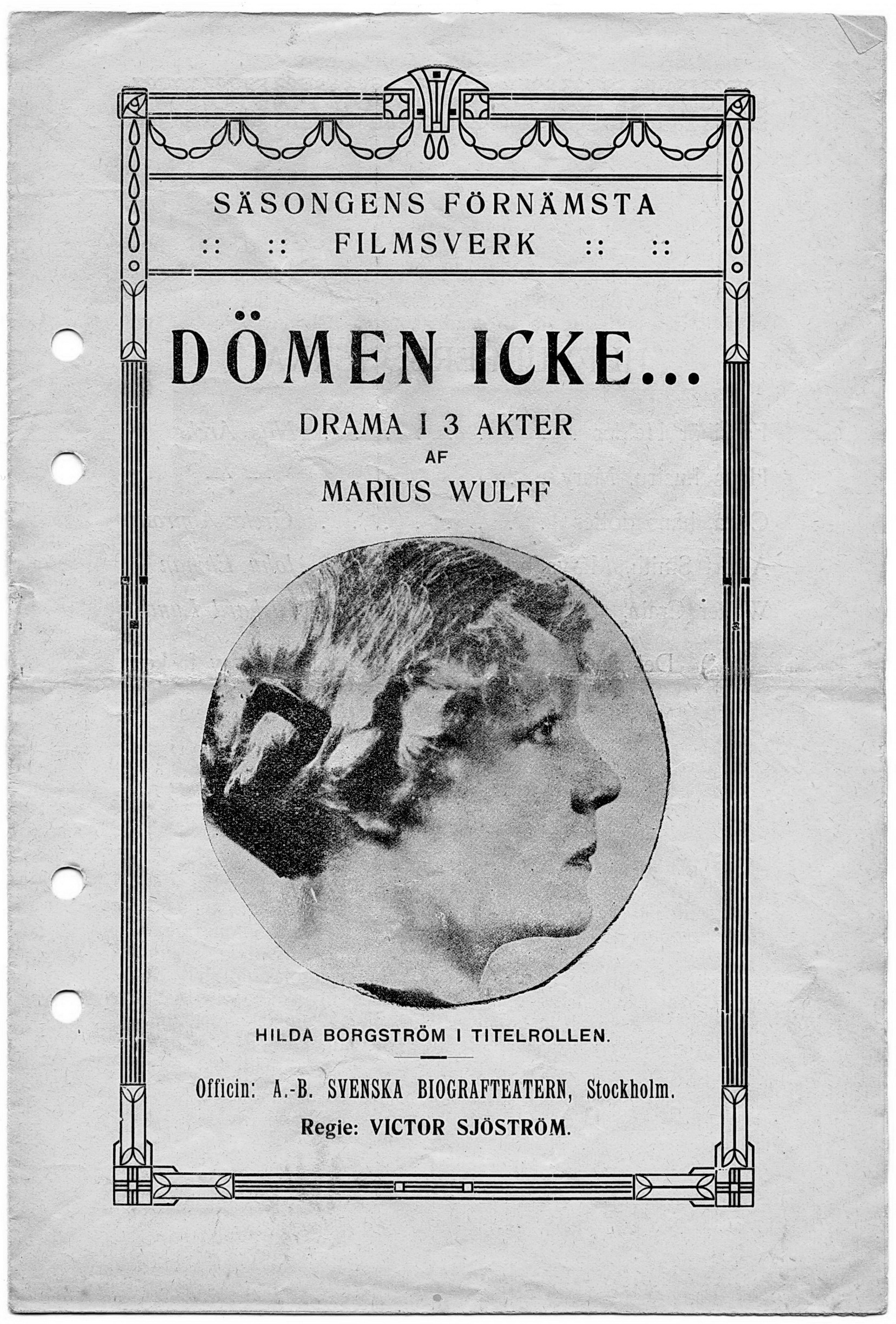
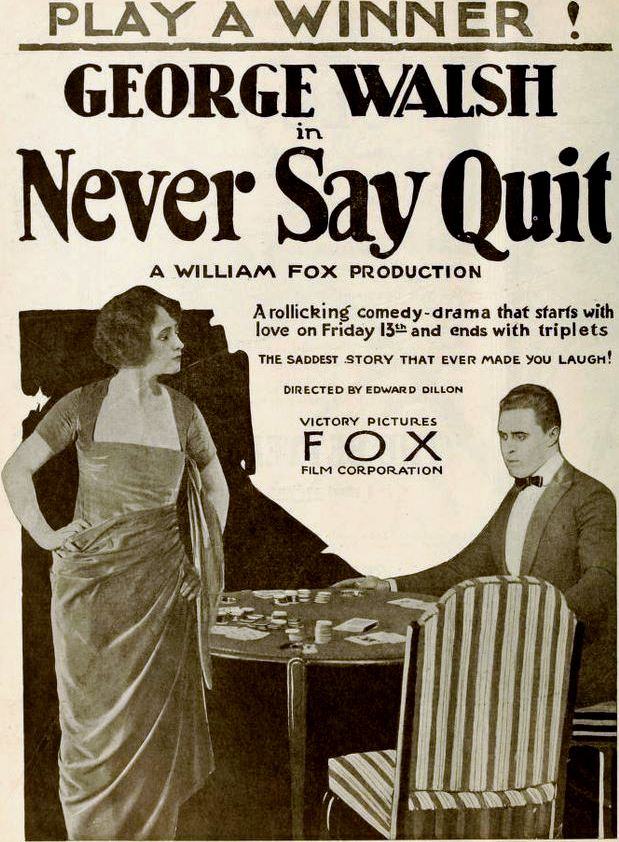
 Cinematic perspective: Exploring the visual vocabulary of Colorado Pluck (1921) through its definitive frames.
 Cinematic perspective: Exploring the visual vocabulary of Colorado Pluck (1921) through its definitive frames.
 Cinematic perspective: Exploring the visual vocabulary of Colorado Pluck (1921) through its definitive frames.
 Cinematic perspective: Exploring the visual vocabulary of Colorado Pluck (1921) through its definitive frames.
 Cinematic perspective: Exploring the visual vocabulary of Colorado Pluck (1921) through its definitive frames.
IMDb 6.1
1919
Community
Log in to comment.