DbcultAccessing Vault...
Cult Review
Senior Film Conservator
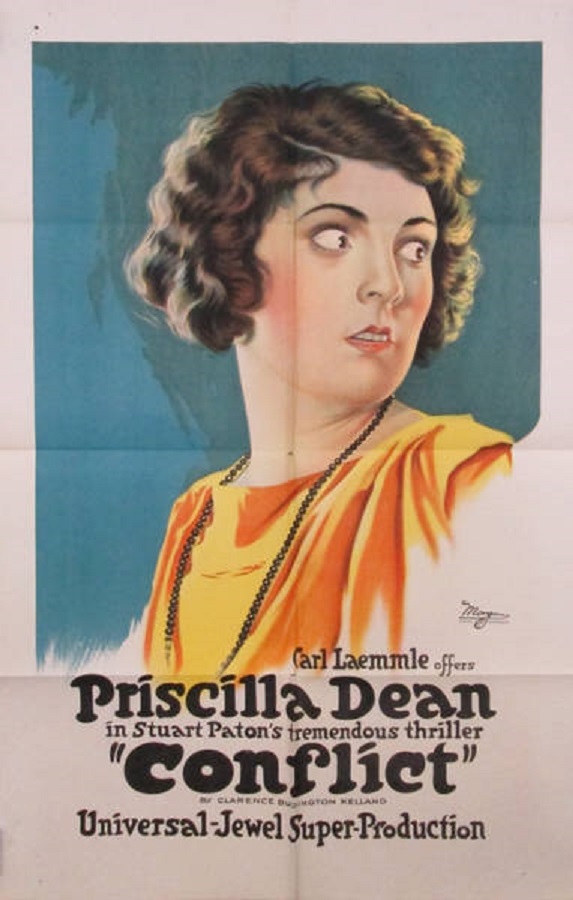
The film opens with a stark contrast: a bright, bustling cityscape dissolving into a dense, mist‑laden forest. This visual metaphor foreshadows the protagonist’s plunge from social polish into primal uncertainty. The camera lingers on the protagonist’s face—an expression that shifts from bemused curiosity to dawning terror—before she steps onto the threshold of the uncle’s mansion, a stone edifice that feels more like a tomb than a home.
The narrative is driven by a relentless psychological exploration rather than conventional plot twists. The uncle, portrayed with a menacing calm by Edward Connelly, embodies a patriarchal authority that is both charismatic and predatory. His housekeeper, played by Martha Mattox, adds a layer of sinister domesticity, her gestures slow and deliberate, as if orchestrating a macabre ballet within the house’s dim corridors.
Edward Connelly delivers a performance that balances subtle menace with a chilling charisma. His eyes, often the only thing that break the heavy set of his face, seem to hold a secret that the audience cannot quite read. Martha Mattox’s portrayal of the housekeeper is a masterclass in understated terror; her movements are almost hypnotic, and she never speaks, letting silence become her most potent weapon.
The young protagonist, played by Priscilla Dean, is a study in vulnerability. Dean’s body language—her hesitant steps, her trembling hand—conveys a palpable sense of fear, yet her eyes reveal a stubborn spark of defiance. The interplay between Dean and Connelly’s uncle is a dance of dominance and resistance, each exchange a silent dialogue that speaks volumes about class, gender, and power.
Supporting cast members such as Fred Kohler, Herbert Rawlinson, and Knute Erickson add texture to the film’s world. Fred Kohler’s role as the uncle’s loyal but morally ambiguous servant provides a subtle layer of intrigue, while Herbert Rawlinson’s portrayal of a distant relative brings a touch of aristocratic disdain that contrasts sharply with the forest’s rawness. Knute Erickson’s brief but memorable appearance as a local hunter injects a sense of outside perspective, hinting at the world beyond the forest’s grasp.
The forest itself is a character, a living, breathing entity that mirrors the protagonist’s psychological state. The trees, tall and unyielding, serve as silent witnesses to the unfolding horror. The film’s use of light and shadow—sharp contrasts that reveal and conceal—creates an atmosphere where reality is constantly in flux, echoing the theme of perception versus truth.
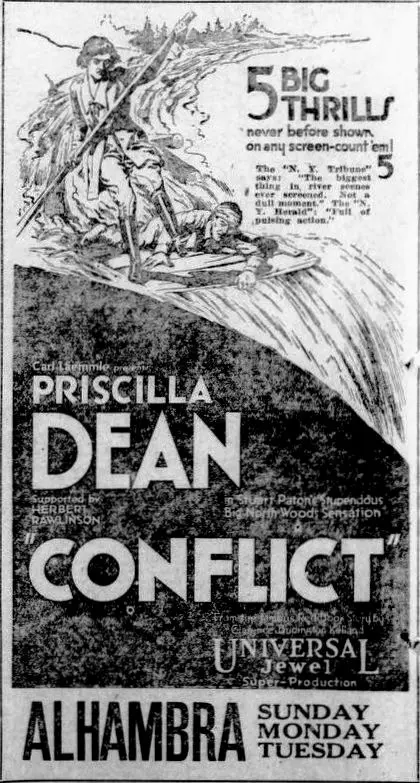
One of the most compelling motifs is the recurring motif of water. A hidden stream, a sudden downpour, and a river that cuts through the forest all symbolize both cleansing and drowning. The protagonist’s attempts to cross the stream are fraught with danger, suggesting that confronting her inner demons may cost her life.
The narrative also critiques the patriarchal structures that dominate the protagonist’s life. The uncle’s cruelty is not just personal; it reflects a broader societal disdain for women who dare to break free from prescribed roles. The housekeeper’s manipulation of the environment—her control over the household’s limited resources—mirrors the societal manipulation that keeps women in subservient positions.
The film’s cinematography is a testament to the silent era’s creative ingenuity. The use of chiaroscuro lighting, where light is as much a character as any actor, creates a dreamlike quality that blurs the line between reality and hallucination. The camera often lingers on close‑up shots of the protagonist’s face, capturing the subtle tremors of fear that words cannot convey.
The director’s choice to employ long, uninterrupted takes allows the audience to immerse themselves in the oppressive atmosphere. These sequences build tension gradually, creating a slow burn that culminates in a crescendo of dread. The editing style, which favors continuous motion over rapid cuts, reinforces the sense of inevitability that pervades the film.
The set design is meticulous. Every room in the uncle’s house is crafted to evoke claustrophobia, with low ceilings, heavy drapes, and a palpable sense of decay. The forest’s undergrowth is dense, with tangled vines that seem to reach out of the frame, creating a feeling that the protagonist is being watched even when she is alone.
When placed alongside other silent masterpieces, Conflict stands out for its psychological depth. For instance, The Cabinet of Dr. Caligari uses expressionist sets to convey madness; Conflict, however, opts for naturalistic horror, grounding its terror in the believable. Similarly, What Becomes of the Children? explores innocence corrupted, but Conflict’s narrative focuses more on the adult’s internal battle against external oppression.
The film’s thematic concerns echo those found in Vanity Fair, where societal expectations crush individual aspirations. Yet Conflict’s approach is more intimate, focusing on the psychological impact of familial abuse rather than broad societal critique.
In terms of atmosphere, the film shares a kinship with The Rainbow Trail in its use of natural landscapes. However, whereas The Rainbow Trail celebrates the frontier’s promise, Conflict subverts it, turning nature into a malevolent force.
The screenplay, a collaborative effort between George C. Hull and Clarence Budington Kelland, is tightly woven. The dialogue—though limited by the silent format—uses intertitles that are both poetic and precise. Each intertitle feels like a stanza, adding depth to the narrative without breaking the film’s rhythmic flow.
The structure of the film follows a classic three‑act pattern, yet each act is infused with a sense of claustrophobia that keeps the tension high. The first act introduces the protagonist’s world and the inciting incident—her arrival at the forest estate. The second act delves into the psychological horror, with a series of escalating encounters that push her to the brink. The third act delivers a chilling climax that forces the protagonist to confront the ultimate truth: the forest is not just a backdrop but an active participant in her downfall.
At the time of its release, Conflict was met with mixed reviews. Some critics praised its atmospheric tension, while others found it too bleak. Over the decades, however, it has gained a cult following among enthusiasts of early horror cinema. Its influence can be traced in later works that emphasize psychological dread over gore, such as Marse Covington and The Men She Married.
The film’s legacy lies in its pioneering use of environmental horror. By making the forest a character in its own right, it paved the way for later nature‑centric thrillers like Tájfun and A Message from Mars (1921), which use alien landscapes to externalize internal fears.
Filming took place in a remote forest near Los Angeles, where the crew faced harsh weather conditions that added authenticity to the on‑screen atmosphere. The production design team, led by a visionary art director, employed practical effects such as fog machines and strategically placed mirrors to create disorienting visual distortions.
The film’s score, though not preserved in full, was reportedly composed of haunting piano melodies interwoven with natural sounds—wind, rustling leaves, distant animal calls. These auditory cues complemented the visual horror, making the film a sensory experience that transcended the limitations of silent cinema.
Today, Conflict resonates with contemporary audiences who are increasingly attuned to the psychological impact of oppressive environments. The film’s exploration of abuse, isolation, and the fight for autonomy mirrors modern discussions surrounding domestic violence and mental health.
Moreover, the film’s emphasis on environmental manipulation—how settings can become oppressive—parallels current conversations about how urban spaces can exacerbate mental health issues. The forest’s oppressive presence is a metaphor for any environment that feels inescapable, whether it be a toxic workplace or a suffocating social circle.
Conflict remains a testament to the power of psychological horror in silent cinema. Its meticulous craftsmanship, haunting performances, and evocative use of setting create a film that is as relevant today as it was a century ago. The story’s core—an individual’s struggle against a manipulative, oppressive force—continues to echo in modern narratives, making Conflict an essential viewing for anyone interested in the evolution of horror and psychological drama.
IMDb 7.5
1928
Community
Log in to comment.