DbcultAccessing Vault...
Cult Review
Senior Film Conservator
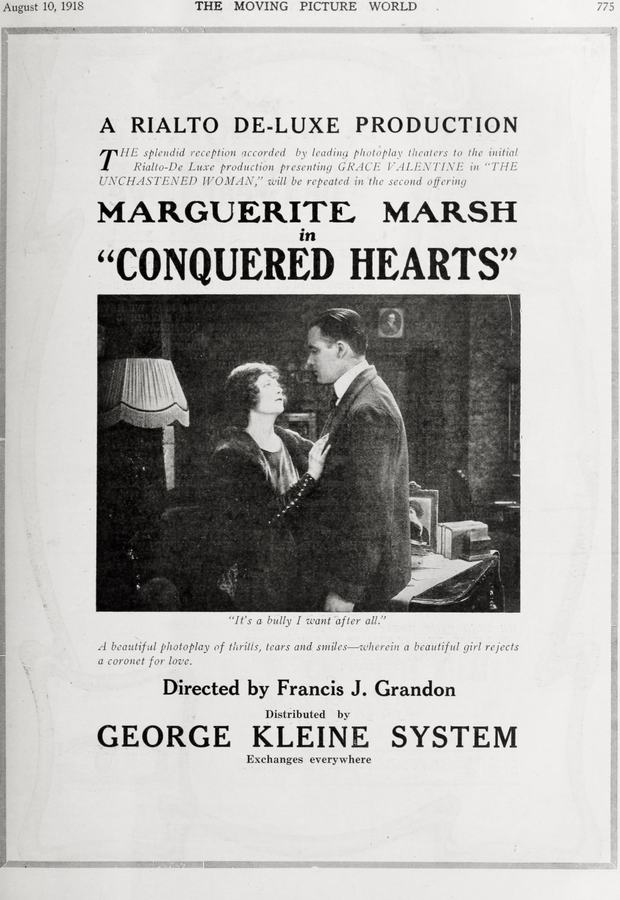
In the annals of early cinema, few narratives capture the tumultuous essence of human experience with the poignant dexterity of Conquered Hearts. This 1918 silent drama, penned by the insightful Emma Bell Clifton, transcends its era, offering a compelling exposé on the intricate dance between personal aspiration and relational sacrifice. It is a cinematic tapestry woven with threads of love, loss, jealousy, and the burgeoning dream of a new life found within the nascent, glittering world of motion pictures. The film doesn't merely recount a story; it plunges the viewer into the visceral emotional landscape of its protagonist, Nora, a woman whose journey from the bustling, often unforgiving streets of the Lower East Side to the dazzling heights of Hollywood stardom is as much an external odyssey as it is an internal wrestling match with identity and enduring affection.
The narrative commences with a vision of youthful optimism. Nora, a quintessential daughter of the dynamic Lower East Side, finds her heart captivated by a rising political star. Their union is portrayed as a beacon of hope, a testament to the American dream where humble origins can pave the way for upward mobility and domestic felicity. A child graces their lives, cementing what appears to be an idyllic existence, a small, vibrant family unit thriving amidst the societal currents of early 20th-century New York. This initial phase of the film is crucial; it establishes the foundation of happiness from which Nora's subsequent descent into despair will be measured. It allows the audience to invest in her joy before the inevitable shadows begin to creep in.
However, the very ambition that propelled her husband into Nora's life soon becomes the wedge driving them apart. His fervent campaign against an entrenched ward boss demands his evenings, his focus, and ultimately, his presence. The political arena, a stage for public triumph, ironically becomes a private battleground for Nora. The film deftly illustrates the insidious nature of neglect, even when unintended. As her husband’s star ascends, Nora’s world constricts. The bustling energy of his public life contrasts sharply with the growing quietude and isolation of her domestic sphere. This portrayal of a woman grappling with her husband's consuming career echoes the domestic anxieties prevalent in many silent dramas, exploring the societal expectations placed upon wives to support ambition while often being relegated to the background.
The seeds of jealousy, sown by her husband's prolonged absences and the spectral presence of 'a certain woman,' begin to germinate in Nora's heart. This emotional torment is depicted with a raw intensity characteristic of silent film acting, where exaggerated gestures and facial expressions convey the inner turmoil that words cannot. The audience witnesses Nora's descent, a slow, agonizing slide into suspicion and resentment. It's a testament to Marguerite Marsh's performance that this internal struggle feels so palpable, even without spoken dialogue. The film doesn't shy away from the ugliness of human emotion, presenting jealousy not as a mere plot device but as a destructive force that erodes trust and happiness.
Then, the ultimate tragedy strikes: the death of their child. This devastating blow shatters any remaining semblance of Nora's contentment. The loss is not merely an event; it's a cataclysm that redefines her existence. In the wake of this unspeakable grief, her husband's continued political engagements, however necessary, are perceived by Nora as unforgivable neglect. The film masterfully uses this confluence of personal tragedy and perceived abandonment to push Nora to her breaking point. The world, once full of promise, now feels like a prison, suffocating her with its memories and her husband's distant ambition. This period of intense suffering and the subsequent act of rebellion – Nora leaving her husband – resonates with the dramatic weight of other silent era tales of woe, such as The Struggle Everlasting, which often explored the profound impact of personal tragedy on the human spirit.
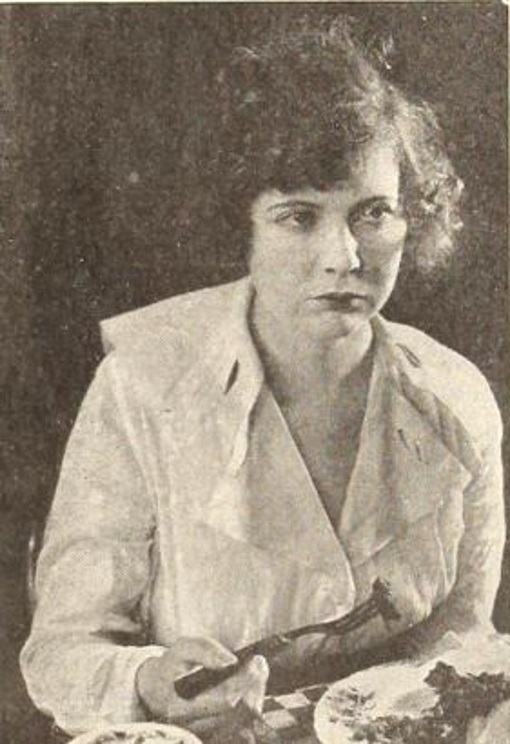
Nora's decision to leave is not an act of fleeting anger but a desperate bid for self-preservation. She seeks refuge in a new identity, becoming a model for a noted painter. This transition marks a pivotal moment, symbolizing her attempt to shed the vestiges of her former life and reclaim her agency. The artist's studio, a sanctuary of creativity and expression, offers a stark contrast to the stifling domesticity she abandoned. It is here that she begins to heal, finding a new purpose in contributing to art, even if only as a subject.
Intriguingly, her husband, despite his political triumphs, never ceases to love her. His discovery of her whereabouts is handled with a rare delicacy for the era. Instead of asserting his marital rights or attempting to force her return, he respects her autonomy, a subtle yet powerful portrayal of enduring affection transcending possessiveness. This nuanced depiction of his love adds depth to his character, preventing him from becoming a mere antagonist in Nora's journey. It sets the stage for a potential reconciliation, but one that must be earned, not demanded.
The true turning point in Nora's reinvention comes through a serendipitous encounter. An acquaintance of the painter, a magnate in the burgeoning motion picture industry, recognizes her inherent charisma and offers her an unprecedented opportunity. This moment is emblematic of the era's fascination with cinema as a new frontier, a democratic art form offering fame and fortune to those with talent and screen presence. Nora's rise to stardom is depicted as swift and dazzling, a testament to her innate abilities and the intoxicating allure of the silver screen. She transforms from a grieving wife into a celebrated actress, her image projected onto screens across the nation, a powerful symbol of female independence and professional triumph in a rapidly changing world. This arc, while perhaps romanticized, reflects the real-life stories of many women who found unprecedented careers in Hollywood's early days, a phenomenon also hinted at in films that explored societal shifts and new opportunities like The Road to the Dawn, if interpreted metaphorically as a journey towards a new societal landscape.
The narrative's climax hinges on Nora's internal struggle between the enduring embers of her old love and the intoxicating blaze of her newfound fame. This conflict is the beating heart of Conquered Hearts, elevating it beyond a simple melodrama into a profound exploration of human priorities. Is the glitter of celebrity enough to fill the void left by a broken past? Can professional accolades truly compensate for the warmth of genuine connection? The film poses these questions with an elegant simplicity, relying on visual storytelling to convey the depth of Nora's dilemma.
Crucially, Nora remains oblivious to her husband's own transformation. While she was ascending to cinematic heights, he was quietly forging a new path, evolving from a ward politician into a first-class lawyer. This parallel development highlights the theme of personal growth and resilience for both characters, albeit in different spheres. It suggests that while their paths diverged, both were independently striving for betterment, a subtle nod to the individual journeys that often unfold outside the immediate awareness of loved ones.
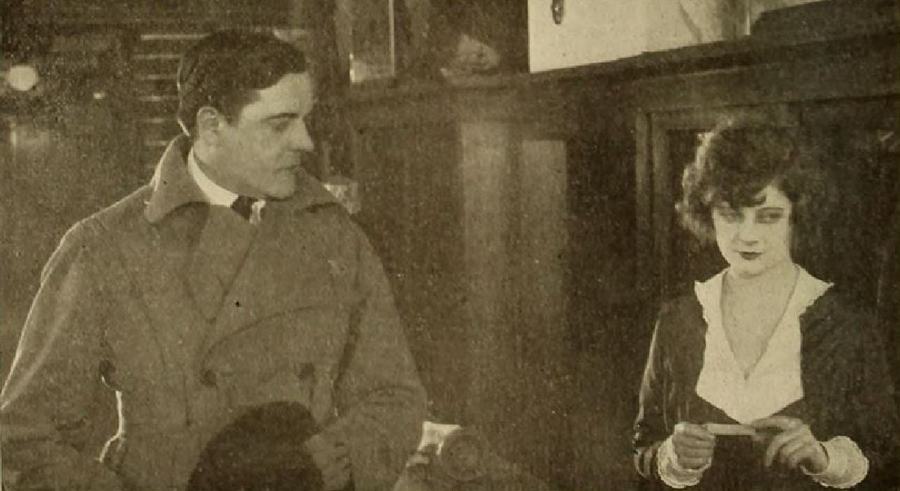
The resolution arrives not through a dramatic confrontation, but through a gradual, internal realization. Nora comes to understand that love and fame are not mutually exclusive, that the pursuit of personal ambition need not come at the expense of genuine human connection. This revelation is profoundly empowering, offering a nuanced perspective on women's roles in society. It challenges the binary choice often presented to women of the era – either domesticity or career – suggesting a more integrated path where both can coexist. The film's ultimate message is one of reconciliation, not just between two individuals, but between different facets of a woman's identity. The reunion with her husband is portrayed as a culmination of their respective journeys, a testament to a love that, though tested by immense tragedy and separation, ultimately triumphs.
Conquered Hearts, while a product of its time, resonates with surprisingly modern themes. It explores the perennial human struggle to balance personal ambition with the demands of intimate relationships. The film's depiction of Nora's journey from victim of circumstance to empowered woman navigating a new career path offers a fascinating glimpse into the evolving societal landscape of the early 20th century, particularly concerning women's roles beyond the domestic sphere. It subtly critiques the patriarchal structures that often marginalized women's emotional needs in favor of male career advancement, while simultaneously celebrating the opportunities that emerging industries like Hollywood offered for female self-determination.
The film's strength lies not only in its compelling plot but also in its emotional authenticity. The tragic loss of Nora's child is handled with a raw, unflinching honesty that would have undoubtedly resonated deeply with audiences of the period. This shared experience of grief, combined with the universal themes of love, jealousy, and forgiveness, ensures the film's enduring emotional power. While the acting styles and narrative conventions are distinctly of the silent era, the underlying human drama remains timeless. It speaks to the resilience of the human spirit, the capacity for transformation, and the enduring power of a love that can withstand the fiercest storms.
In comparing it to other works of the period, Conquered Hearts stands out for its intimate focus on a woman's psychological journey amidst grand societal shifts. Unlike the epic scope and historical commentary of a film like The Birth of a Nation, or the technological marvels showcased in Der Tunnel, Conquered Hearts delves into the interior landscape of its protagonist. It’s a character study first and foremost, using the external world as a backdrop for Nora's profound personal evolution. Emma Bell Clifton's writing crafts a narrative that is both deeply personal and universally resonant, reminding us that even in the grand sweep of history and societal change, the human heart remains the ultimate battleground for triumph and despair.
Ultimately, Conquered Hearts is more than just a historical artifact; it is a vibrant testament to the storytelling prowess of early cinema. It offers a rich, layered narrative that explores the complexities of human relationships, the corrosive nature of jealousy, the devastating impact of loss, and the transformative power of ambition and self-discovery. Nora's journey is a compelling testament to resilience, a narrative that finds its protagonist not merely surviving, but thriving, and ultimately, finding a harmonious balance between her past and her future, between love and professional fulfillment. The film's enduring appeal lies in its ability to tap into universal human emotions, presenting a story that, despite its silent era trappings, speaks volumes about the timeless struggles and triumphs of the human heart. It reminds us that sometimes, the greatest victories are won not on a political stage or a silver screen, but within the quiet confines of a reconciled heart.
IMDb —
1916
Community
Log in to comment.