DbcultAccessing Vault...
Cult Review
Senior Film Conservator
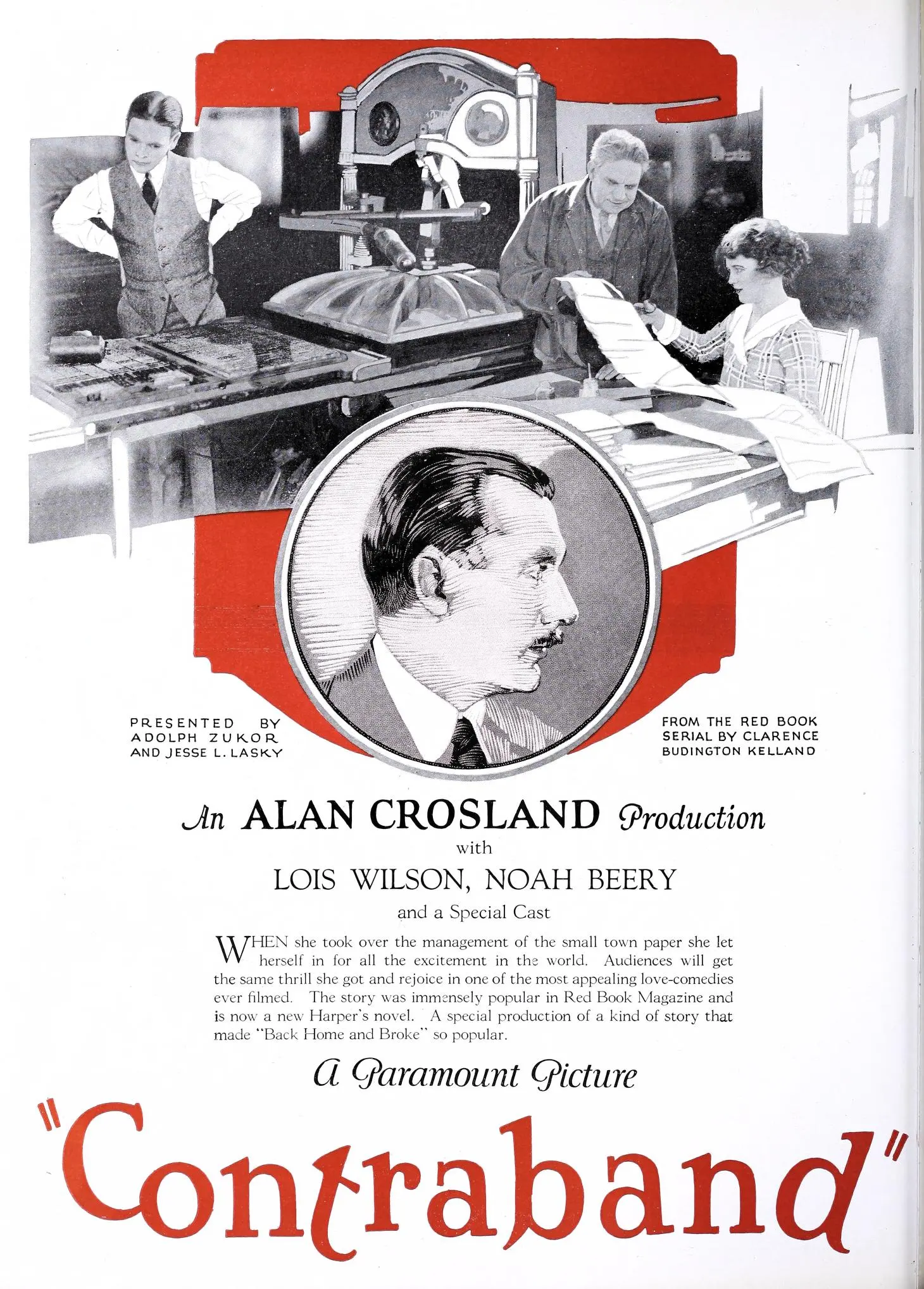
Ah, the silent era. A time when storytelling relied on grand gestures, expressive faces, and narratives that often, despite the lack of spoken dialogue, resonated with profound social commentary. Released in 1925, Contraband stands as a compelling testament to this period, offering a gripping tale of courage, corruption, and the unwavering power of the press. It's a film that, even today, offers a fascinating glimpse into the anxieties and moral struggles of its time, particularly concerning illicit trades and the insidious nature of local power structures. Far from a mere historical curiosity, this picture presents a potent drama, anchored by a protagonist whose journey from urban detachment to rural activism is both inspiring and deeply human.
Our story commences with Carmel Lee, portrayed with a compelling blend of metropolitan sophistication and burgeoning resilience by Lillian Leighton. She's a city woman, accustomed to the bustle and perhaps the relative anonymity of urban life, suddenly thrust into the unfamiliar, seemingly quaint confines of a small country town. This relocation isn't a leisurely escape; it's a matter of inheritance, as Carmel finds herself the unlikely proprietor of the local newspaper. This initial premise immediately sets the stage for a classic fish-out-of-water narrative, but Contraband quickly subverts expectations, transforming what could have been a gentle drama into a taut, suspenseful thriller. Carmel's arrival isn't met with idyllic charm, but with the palpable undercurrent of fear and the oppressive shadow of an organized criminal enterprise.
The initial disquiet Carmel senses soon crystallizes into stark reality. The town, far from being a peaceful haven, is in the suffocating grip of a ruthless band of bootleggers. This revelation is starkly underscored by the abduction and subsequent murder of the local sheriff, an act of brazen defiance that shatters any illusion of order. This event serves as Carmel's true initiation, forcing her to confront the grim realities lurking beneath the town's veneer. It's a moment of profound transformation, where her role as a mere newspaper owner evolves into that of an accidental crusader for justice. The film masterfully builds this tension, allowing the audience to feel Carmel's growing unease and eventual righteous indignation. This narrative arc, where an individual is forced to confront systemic evil, echoes in other powerful dramas, even those of different eras or genres, where ordinary people find extraordinary courage, perhaps in the spirit of a character like the determined protagonist in No Woman Knows, who navigates societal challenges with unwavering resolve.
Alone, Carmel might have faltered, but Contraband introduces a crucial ally in Professor Pell. Portrayed by Charles Ogle, Pell is a figure of intellectual integrity, recently dismissed from his position as school superintendent—a dismissal that hints at the pervasive reach of the town's corruption even before its full extent is revealed. His academic background and moral compass make him the perfect foil and partner for Carmel's journalistic zeal. Together, they form an unlikely but formidable duo, recognizing the power of truth, especially when amplified by the printed word. Carmel's newspaper, once a sleepy local bulletin, becomes a vital weapon in their arsenal. She begins editorializing fiercely, turning the sheriff's murder into a public issue, demanding justice and advocating for systemic reform. This courageous stance is a direct challenge to the bootleggers' authority, chipping away at their control by exposing their heinous acts to the light of public scrutiny.
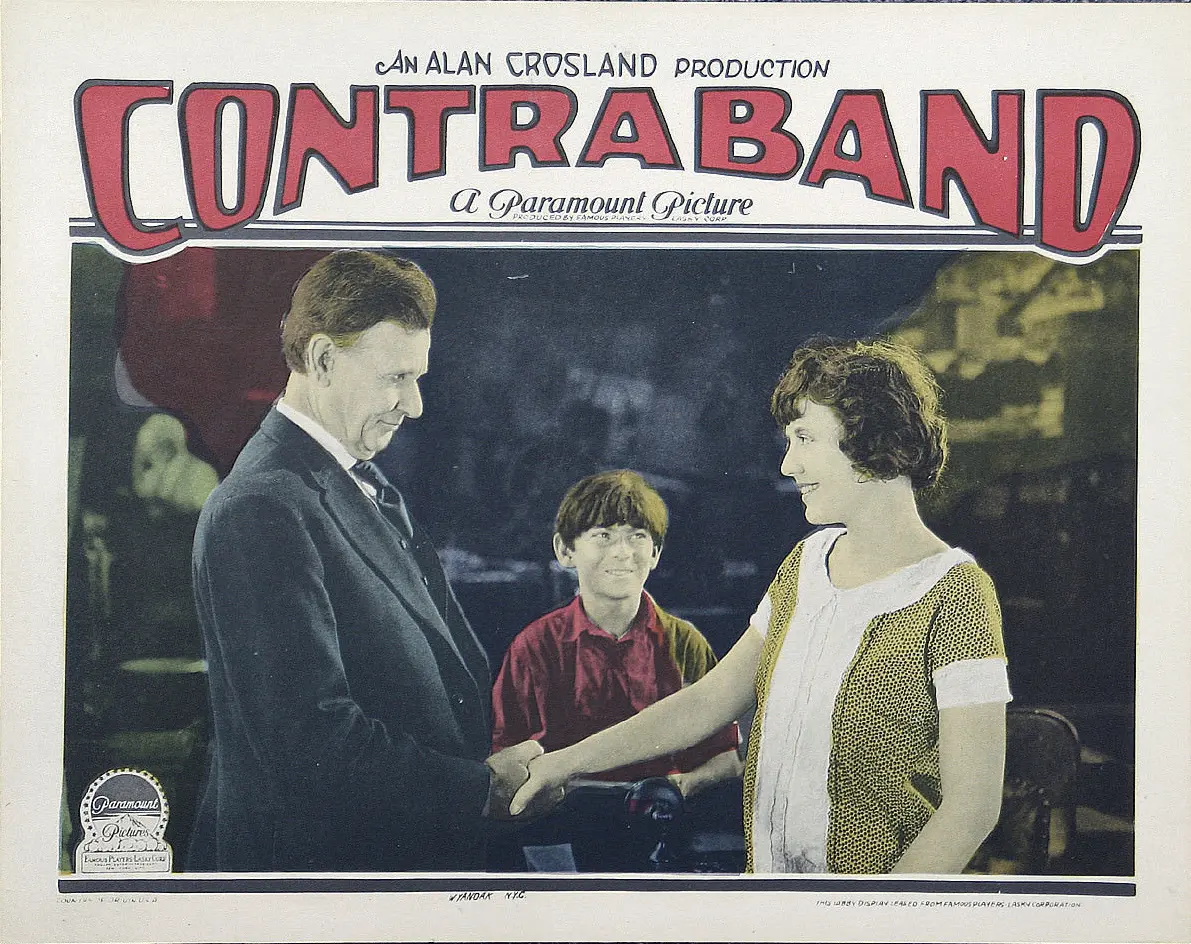
The film excels in portraying the escalating stakes of their battle. Each editorial, each public appeal, is a defiant act that pushes the bootleggers closer to desperation. The tension is palpable as Carmel and Pell refuse to be silenced, their voices growing louder even as the danger intensifies. This dynamic, where the power of information confronts brute force, is a timeless theme. One might even draw a thematic parallel to the spirit of uncovering hidden truths and challenging the status quo, albeit in a different context, seen in films like Sneakers, where a group of specialists delves into a world of secrets and conspiracies, albeit with far more advanced technology. In Contraband, the tools are simpler—a printing press and unwavering conviction—but the impact is no less profound.
Predictably, their audacious campaign against the bootleggers cannot go unanswered. The criminal element, desperate to silence their most vocal critics, retaliates with the ultimate threat: kidnapping both Carmel and Professor Pell. This sequence marks the film's dramatic crescendo, a moment where the protagonists face their gravest peril. However, it's also where Carmel's innate resourcefulness shines brightest. Displaying remarkable courage and quick thinking, she manages a daring escape. This pivotal moment is a testament to her character's development, showcasing her evolution from an initially out-of-place city dweller to a hardened survivor and a true heroine.
Her escape is not merely an act of self-preservation; it's the catalyst for the entire resolution. Alerting the police, Carmel sets in motion the final act of justice. The ensuing pursuit and arrests dismantle the bootlegging operation, bringing the culprits to justice for the sheriff's murder and their various other crimes. But the film has one more significant twist in store. The unmasking of the gang's leader is a masterstroke of dramatic irony, revealing Abner Fownes, a respected politician and one of the town's leading citizens, as the mastermind behind the criminal enterprise. This revelation underscores the film's commentary on the insidious nature of corruption, often cloaked in respectability, and the difficulty of discerning friend from foe in a morally compromised environment. The shock of this reveal would have resonated powerfully with audiences of the time, much like the unexpected turns in narratives of self-discovery or hidden identities found in films such as A Prince in a Pawnshop, albeit with a far more sinister undertone here.
The effectiveness of Contraband hinges significantly on its cast. Lillian Leighton, as Carmel Lee, delivers a nuanced performance. Her initial portrayal of an urbane woman adapting to a new environment is convincing, but it's her transformation into a fearless advocate that truly captivates. She conveys resolve and vulnerability without resorting to melodrama, a delicate balance crucial for silent film acting. Charles Ogle's Professor Pell provides a solid, intellectual anchor, his quiet determination a compelling contrast to the town's overt criminality. Noah Beery, a veteran of the silent screen, likely brought his characteristic intensity to the role of a villain, or a key henchman, contributing to the palpable threat faced by our heroes. The supporting cast, including Victor Potel, Luke Cosgrave, and Raymond Hatton, all contribute to the texture of the small town, populating it with believable characters who are either complicit, terrified, or bravely resistant.
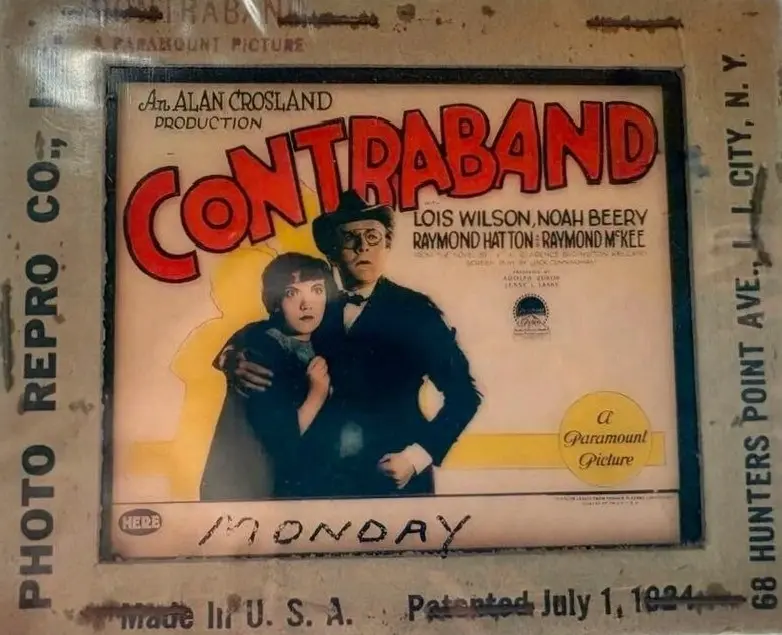
The direction, though uncredited in the provided details, would have been instrumental in crafting the film's suspenseful atmosphere. Silent films often relied heavily on visual storytelling, using dramatic lighting, expressive camera angles, and dynamic editing to convey emotion and drive the plot. The pacing of Contraband, particularly during the kidnapping and escape sequences, would have been crucial in maintaining audience engagement. The narrative unfolds with a keen sense of urgency, building momentum towards its thrilling climax. The writers, Jack Cunningham and Clarence Budington Kelland, deserve commendation for crafting a tightly plotted story that balances character development with genuine suspense. Their ability to weave a complex web of local politics and criminal enterprise, culminating in a satisfying reveal, speaks to their skill in crafting engaging narratives for the silent screen. This carefully constructed plot, where every detail eventually ties into the larger conspiracy, showcases a sophisticated storytelling approach for its era.
Beyond its surface as a crime thriller, Contraband delves into several resonant themes. The most prominent is the struggle between good and evil, specifically how entrenched corruption can permeate even the most seemingly idyllic communities. The film serves as a potent commentary on the dangers of unchecked power and the courage required to challenge it. It also champions the power of an informed public and a free press, illustrating how journalism can be a vital tool in holding power accountable. Carmel Lee's transformation embodies the idea that anyone, regardless of their background, can rise to meet extraordinary challenges when faced with injustice. This theme of an individual's impact against larger forces is a recurring motif in cinema, seen in various forms, from the personal struggles in Till We Meet Again to the more outwardly rebellious spirit of Tempest Cody Turns the Tables.
The film's setting during the Prohibition era, with its focus on bootleggers, grounds the narrative in a specific historical context that adds layers of authenticity and relevance. It reflects a period of societal upheaval and the moral ambiguities that arose from the ban on alcohol, creating fertile ground for criminal enterprises and challenging the very fabric of law and order. The unmasking of Abner Fownes, a pillar of the community, as the kingpin, speaks volumes about the hypocrisy and hidden depravity that can exist behind a facade of respectability. This exploration of duplicity and societal rot offers a stark mirror to any era where public trust is eroded by hidden agendas. The film's enduring appeal lies in its exploration of these universal themes: the fight for justice, the courage to speak truth to power, and the eternal vigilance required to safeguard a community from internal decay.
In conclusion, Contraband is more than just a silent-era crime drama; it's a compelling character study and a powerful social statement. It reminds us that heroism often emerges from unexpected places and that the fight against corruption, though daunting, is always worth undertaking. For enthusiasts of classic cinema and anyone interested in the social narratives of the 1920s, this film offers a richly rewarding experience, demonstrating the enduring power of silent storytelling to captivate, thrill, and provoke thought. It's a testament to the skill of its creators and the timeless resonance of its core message: that even in the darkest corners, the light of truth can ultimately prevail.
IMDb —
1921
Community
Log in to comment.