DbcultAccessing Vault...
7.4/10
Senior Film Conservator
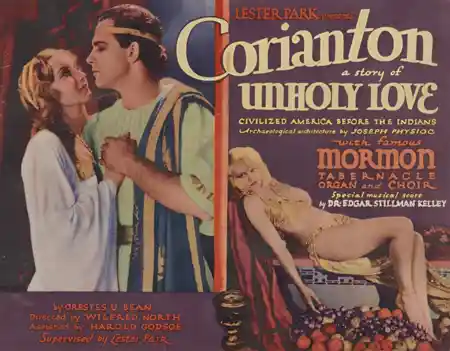
A definitive 7.4/10 rating for a film that redefined the boundaries of cult cinema. Corianton remains a cornerstone of transgressive art.
So, Corianton – is it worth digging up today? Well, if you’re into old-school silent films, especially those with a heavy dose of spiritual drama and a bit of a messy moral tale, then yeah, maybe. Folks who appreciate early cinematic attempts at big themes, even if they stumble, will find something here. But if you're expecting anything fast-paced or subtle, you'll probably just find yourself checking your watch. It’s certainly not for everyone.
The film starts with Corianton, played by Theo Pennington, looking kinda lost. His dad, Alma (William Joy), is all about the religious teachings, and Corianton just isn’t feeling it. Then, boom, a religious foe gets struck down by what we’re meant to understand as God’s wrath. It’s an abrupt moment, and Corianton’s sudden conversion afterward feels a little forced, like the script just needed him to get on board fast. He goes from 'eh' to 'Hallelujah!' in a blink. 🤷♂️
After that, he’s a missionary, and honestly, he seems pretty good at it. You see him talking to people, looking earnest. But then Isabel, the 'harlot' played by Rose Agnes Lane, shows up. And oh boy, does she steal the show. Her eyes have this knowing glint, and her whole demeanor just screams trouble. Every scene with her felt charged, even in a silent film. She doesn’t just tempt him; she practically dares him.
The seduction itself is pretty understated for a silent film, relying heavily on close-ups of their faces and the way Isabel leans in. Corianton’s struggle is visible, even if it’s a bit over-the-top acting for modern eyes. He succumbs, and the guilt hits him like a ton of bricks. You can almost feel the movie trying to convince you this moment matters.
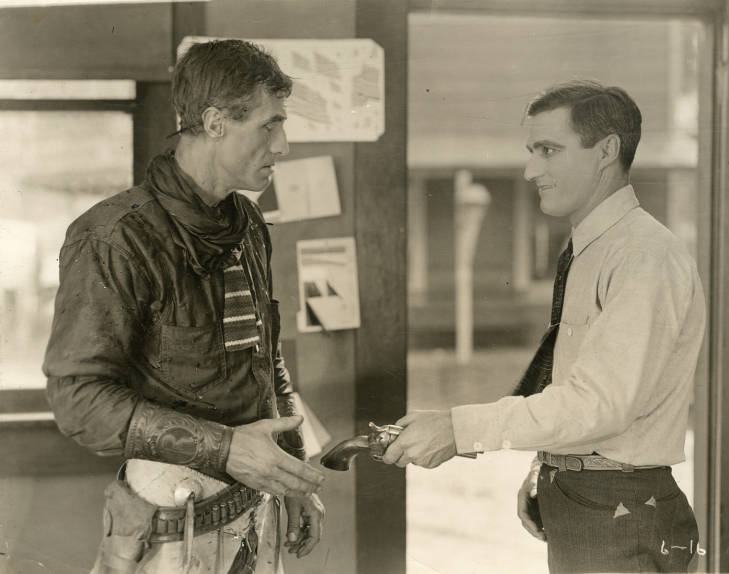
He runs away, consumed by guilt. It’s a bit of a mopey section, honestly. Then his brother, Shiblon (Emil Yousoff), tracks him down. Shiblon feels like the sensible one, trying to talk some sense into his wayward sibling. But then, in a blink, Shiblon is killed. It’s so sudden, almost jarring. One minute he’s there, the next he's gone, and the impact feels a little lost in the quick cut. It makes Corianton's grief seem a bit more for himself than for his brother, which is a weird vibe.
While mourning, Corianton has a vision of Jesus. This part is surprisingly quiet. No huge special effects, just a soft focus and Corianton looking suitably awestruck. It’s a moment that *could* have been really cheesy, but it plays out with a decent amount of sincerity. It makes you wonder about the filmmakers' intentions. Was it a budget thing, or a conscious choice for a more personal spiritual awakening?
Then, after all that personal drama, Corianton leads his people in a victorious battle. The shift from spiritual crisis to war leader is… a choice. The battle scenes are, well, typical for the era. Lots of people running around, waving swords that don't quite connect. It’s less 'epic' and more 'energetic local theater troupe.' But Corianton, looking resolute, guides them through.
The film has this odd habit of rushing through major plot points and then lingering on smaller, less crucial moments. Like, Isabel's introduction gets more screen time than Shiblon's entire character arc. And those wide shots of the desert? They go on for ages sometimes. It almost felt like they were padding for time.
One thing that kept catching my eye was the costumes. Corianton’s robes always looked so crisp, even when he was supposed to be in despair or on the run. You just know someone spent a lot of time ironing those things. And Isabel’s outfits were *always* designed to stand out, a stark contrast to the more somber tones of the other characters. It was a nice visual cue for her role in the story.
Overall, Corianton is a fascinating peek into early religious filmmaking. It’s clunky, sure, and some of the melodrama is unintentionally funny now. But there's an earnestness to it. The movie really tries to convey big ideas, even if its methods are a bit rough around the edges. It doesn't quite know what it wants to be at times – a morality play, an adventure, a tragedy – but it throws everything at the wall. And some of it, surprisingly, sticks. Particularly Isabel's performance; she truly gives the film a spark.
IMDb —
1919
Community
Log in to comment.