DbcultAccessing Vault...
5.7/10
Senior Film Conservator
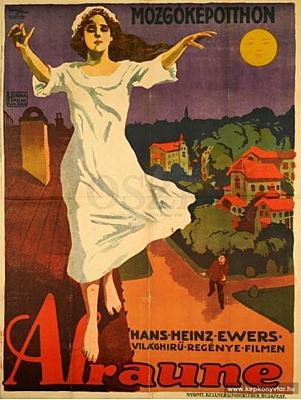
A definitive 5.7/10 rating for a film that redefined the boundaries of cult cinema. Alraune remains a cornerstone of transgressive art.
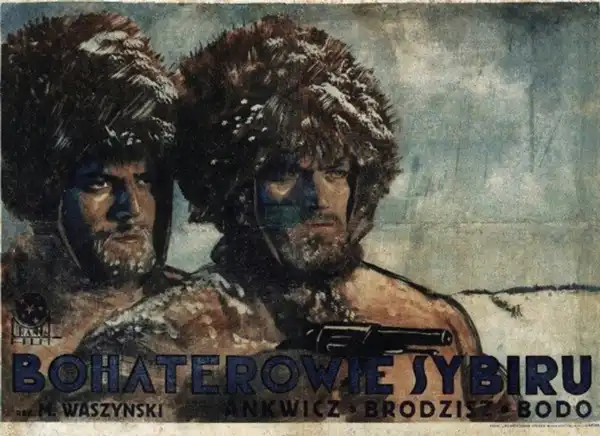
Emerging during Weimar Germany's cinematic golden age, Michael Curtiz's Alraune pulses with the fever-dream logic that characterized pre-Nazi German horror. Unlike the angular dystopias of The Phantom or the moralistic fervor of Heroes of the Cross, this adaptation of Hanns Heinz Ewers' novel presents a uniquely biological terror. The mandrake myth—rooted in medieval herbology where plants grew from hanged men's ejaculate—becomes a springboard for exploring creation myths gone rancid. Curtiz visualizes this through expressionist nightmares: distorted glassware reflecting warped faces, laboratory shadows stretching like accusatory fingers, and Alraune's first appearance swathed in umbilical vines that seem to cling with unnatural sentience.
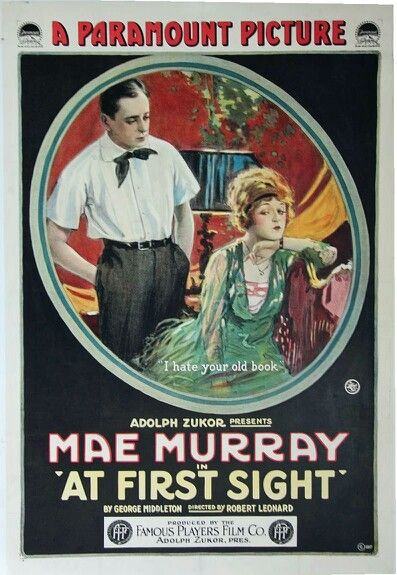
Violetta Szlatényi's performance as the titular demon-woman transcends silent film archetypes. Where Armstrong's Wife portrayed feminine manipulation as social climbing, Szlatényi embodies an ontological void. Her Alraune moves with the fluid grace of a Venus flytrap—every gesture simultaneously inviting and predatory. In the film's most chilling sequence, she kisses a besotted baron while staring directly into the camera, her eyes devoid of triumph or pleasure, only clinical curiosity. This isn't Romeo and Juliet's romantic tragedy but a vivisection of erotic power. Géza Erdélyi's Professor ten Brinken provides the perfect counterpoint; his descent from arrogant creator to trembling victim manifests in increasingly disheveled collars and wild-eyed close-ups, framing paternal authority as another illusion to be dismantled.
What separates Alraune from contemporaries like Triste crepúsculo is its ecological horror. The mandrake isn't merely magical but represents nature's retaliation against scientific violation. Cinematographer Gustav Ucicky lenses botanical specimens like dormant monsters—extreme close-ups of root hairs resemble nerve endings, while greenhouse sequences drown characters in vegetative shadows. This visual language anticipates eco-horror by decades, positioning Alraune not as a supernatural entity but as the inevitable byproduct of humanity's rape of the natural world. Her victims don't merely die; they decompose metaphorically, like the lawyer reduced to babbling madness among poisoned orchids—a sequence echoing the psychological collapse in Déchéance but with floral malevolence.
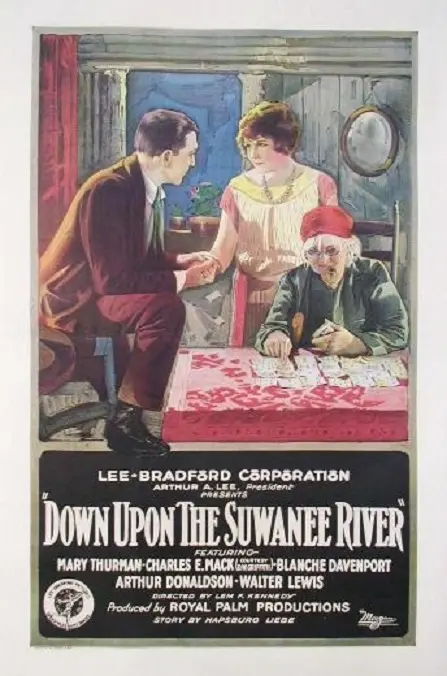
The film's subtext regarding Weimar Germany's sexual politics remains explosively relevant. Alraune's very conception—forced upon an unwilling sex worker—mirrors societal anxieties about female autonomy. Yet Curtiz avoids simplistic victimization. When Alraune destroys her "suitors," it's less feminist vengeance than the inevitable result of men projecting their desires onto a blank slate. Her final confrontation with ten Brinken crackles with Freudian electricity, their twisted father-daughter dynamic culminating in a gothic inversion of the Pietà—creator cradled by his creation as both recognize their shared damnation. This complexity surpasses the gendered punishments in The Men She Married, presenting destruction as cyclical rather than cathartic.
Curtiz's visual storytelling reaches its zenith in the morphing montage depicting Alraune's "growth." Time-lapse photography shows vines creeping across her nursery walls while intercut with decomposing animal carcasses—nature's relentless reclamation. The technique predates similar innovations in The Last Days of Pompeii by fifteen years, transforming biological processes into visceral horror. Production designer Julius von Borsody merges art nouveau with biomechanical dread: ten Brinken's laboratory features glass pipes pumping unnamed fluids, while aristocratic mansions crumble under floral invasions. This aesthetic bridges the gap between the industrial nightmares of Guldspindeln and the organic terror of later body-horror classics.
Supporting characters orbit Alraune like moths to a carnivorous bloom. Böske Malatinszky as Aunt Privy delivers the film's moral center through silent-film expressiveness—a single close-up of her crossing herself at Alraune's baptism speaks volumes about ancestral fears. Andor Kardos' doomed student character evolves from rationalist to raving mystic, his trajectory mirroring Germany's own slide into irrationalism. Even the comic relief servants, played by Rózsi Szöllösi and Kálmán Körmendy, serve as folkloric chorus, their superstitions validated by unfolding horrors. This ensemble approach creates a societal microcosm more nuanced than the heroic archetypes in The Lad and the Lion or The Chosen Prince.
Thematically, Alraune dissects the Promethean complex with surgical precision. Ten Brinken's sin isn't playing God but doing so without love—treating life as controllable matter. When Alraune asks, "Why did you make me?" in a pivotal intertitle, the question reverberates beyond the screen into eugenics debates then infecting Europe. Her subsequent actions—destroying lovers who seek to possess her—become a dark reflection of her creator's objectification. This elevates the film above sensational contemporaries like Behind the Door, transforming exploitation into philosophical inquiry. The famous climax—where Alraune cradles her dying creator amidst encroaching roots—isn't redemption but an ecosystem reabsorbing its contaminant.
Musically, contemporary screenings often underscore the film with atonal compositions that mirror its biomechanical dissonance. Discordant strings accompany Alraune's birth scene, while her seductions unfold to languid, deceptive waltzes—a sonic landscape light-years from the romantic scores accompanying Held for Ransom. This auditory unease complements the visuals: close-ups of shuddering mandrake roots seem to emit subsonic vibrations, and the absence of dialogue amplifies environmental sounds—dripping fluids, rustling leaves—into menacing signifiers.
Nearly a century later, Alraune's legacy persists in modern body-horror. David Cronenberg's "Rabid" and Julia Ducournau's "Titane" inherit its exploration of sexuality as biological weaponry, while Alex Garland's "Ex Machina" revisits the creator-creation power dynamic. Yet unlike these descendants, Curtiz's masterpiece retains a mythic potency rooted in folk tradition. The mandrake wasn't invented for the film but excavated from collective nightmares—a reminder that humanity's oldest fears grow in the soil beneath our feet. In an era of genetic engineering and AI ethics, Alraune's question—"Why did you make me?"—resonates with terrifying urgency. The film endures not as a relic but as a cautionary totem, its roots deep in our psychic substrata, flowering whenever we dare confuse mastery with understanding.
IMDb 6.2
1916
Community
Log in to comment.