DbcultAccessing Vault...
Cult Review
Senior Film Conservator
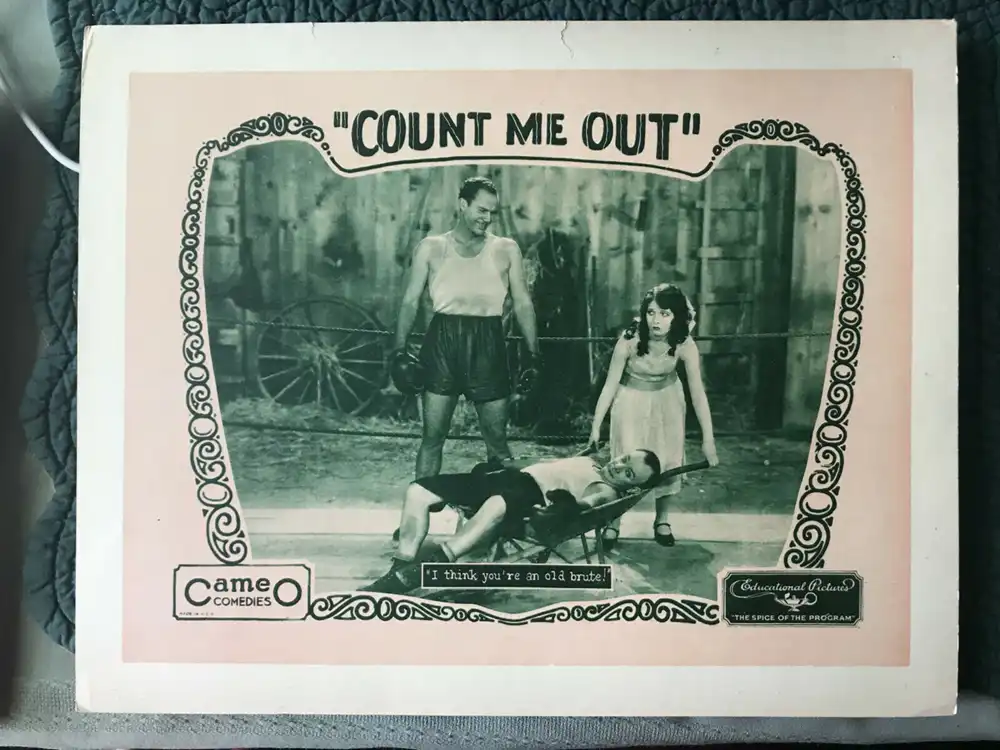
Is "Count Me Out" worth digging up? Well, if you like your films slow-burn, almost painfully real, and driven by a single, deeply internal performance, then maybe. It’s definitely not for folks who need a lot of plot, big explosions, or even much dialogue. You’ll probably hate it if you can’t stand watching someone almost connect for an hour and a half.
Barney Hellum, playing someone named Arthur, spends most of the runtime just… observing. There’s a scene early on, Arthur at a coffee shop. The camera holds on his face for what feels like forever while he watches a family laugh together. He doesn't move, just blinks. You can almost feel the weight of his unsaid thoughts. It's a heavy moment, yeah.
And the office setting? Oh, boy. It’s gray. So much gray. Arthur’s desk is right by the window, but he never actually looks out. He’s always looking in, at his colleagues, trying to catch someone’s eye. The way the fluorescent lights hum, it’s almost a character itself. A dull, constant companion.
There's this one shot where Arthur is standing by the water cooler. Everyone else is chatting, laughing, but he's just... there. Holding his cup, not drinking. Then he just puts it down, untouched. It feels like a moment that could've been cut, but it really nails the feeling of being present but invisible. Like, he’s just there, taking up space.
The director, whoever they are, really likes to linger. There’s this whole sequence where Arthur tries to put together some flat-pack furniture. It goes on and on. He drops a screw, can’t find it, sighs, picks up another. No music. Just the scrape of wood and his frustrated little grunts. It made me laugh, a little bit, but also felt very real. You know that feeling. 🛠️
Hellum’s performance here, it’s not flashy. It’s all in the eyes. Or the way he holds his shoulders. Kinda slumped. He has this peculiar habit of always smoothing his shirt, even when it’s already perfectly flat. A small thing, but it tells you a lot about Arthur's quiet anxiety.
The whole thing has this very specific color palette. Muted. Browns and grays mostly. Then, in one scene, his estranged daughter calls, and she's wearing this bright red scarf. It jumps out. A splash of actual color in Arthur’s otherwise beige world. It’s a very deliberate choice, I think. A little too obvious, maybe, but effective.
Sometimes the film just cuts, abruptly. No smooth transition. Like you’re flicking through channels and just land on Arthur’s life for a bit. It’s not jarring in a bad way, more like a casual observation.
I keep thinking about the sound design. Or the lack thereof. There’s a scene in a park. Kids playing, birds chirping. But it’s all just… understated. Almost like Arthur hears it all from behind a pane of glass. It’s a smart touch, really. 🌳
The film doesn't really build to anything big. It just… ends. Arthur is walking away, down a long street. The camera pulls back. He gets smaller and smaller. It’s not sad, not happy. Just… resigned. A lot of people will probably find this incredibly frustrating. Like, 'what was the point?' But I think that is the point.
It makes you think about all the Arthurs out there. The ones you don't notice. The ones who are, for whatever reason, just counted out. 👋
IMDb 7.1
1931
Community
Log in to comment.