DbcultAccessing Vault...
Cult Review
Senior Film Conservator
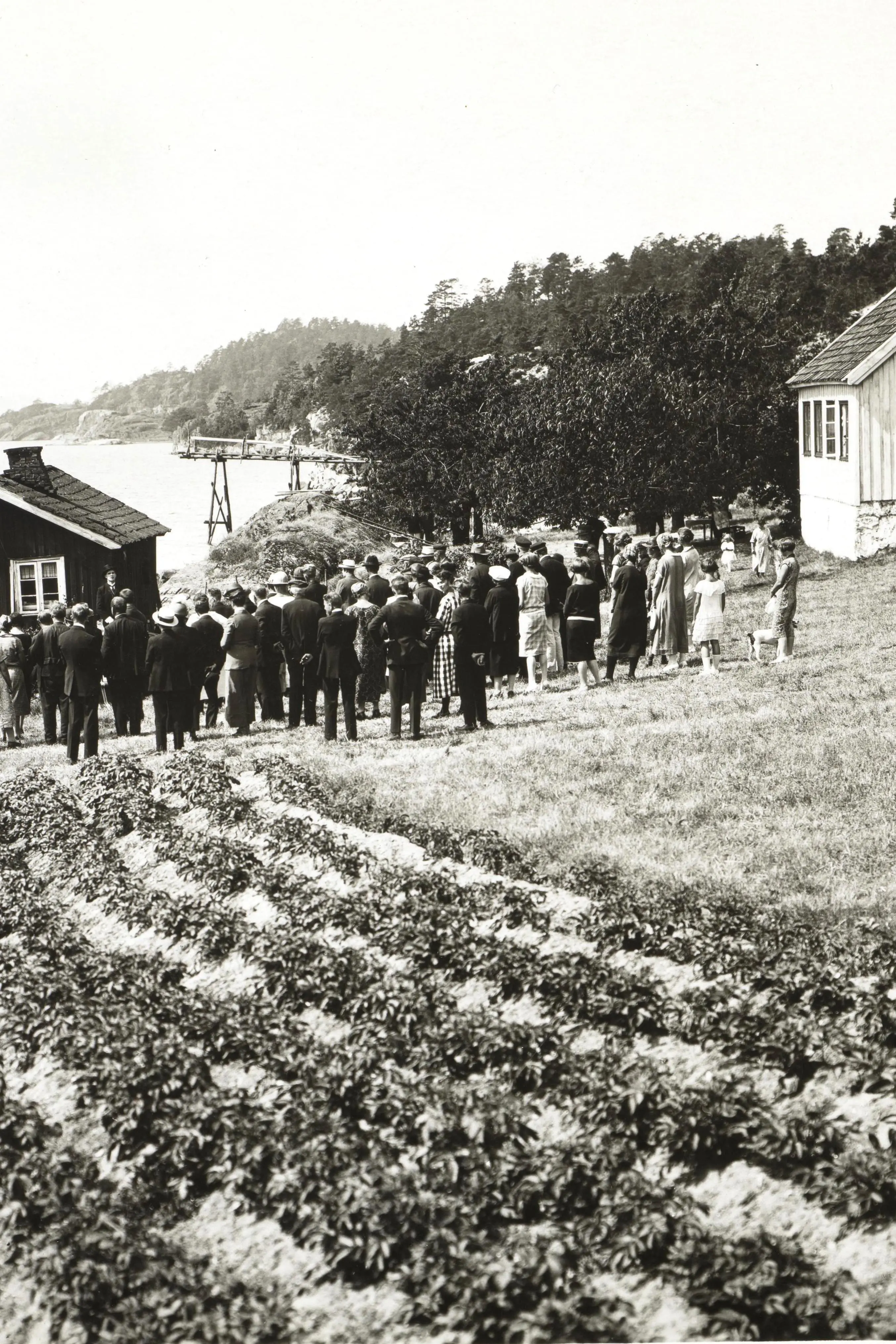
Is Himmeluret a cinematic treasure that demands a spot on your watchlist? Short answer: only if you have the patience of a Norwegian lighthouse keeper. This 1925 silent drama is a specific piece of cultural heritage that will resonate deeply with fans of Nordic history, but it will likely alienate anyone accustomed to the fast-paced narrative structures of the 21st century.
This film is for the patient cinephile, the historian of the silent era, and those who find beauty in the stark, monochromatic landscapes of the North. It is decidedly NOT for viewers who find the 'misunderstood letter' trope frustrating or those who require a film to move at a clip faster than a retreating glacier.
Before we dive into the technicalities of 1920s Norwegian production, let's address the core of the experience:
Directed by Amund Rydland and Leif Sinding, Himmeluret is a film that feels heavy. It carries the weight of the ocean and the even heavier weight of social expectation. In the small town of Rørland, every glance is a judgment and every silence is a sentence. Unlike the more visually poetic works coming out of Sweden at the time, such as Sången om den eldröda blomman, Himmeluret feels more grounded in the dirt and the docks.
The story of Nina and Salve is one we have seen a thousand times, yet the Norwegian setting adds a layer of frost to the melodrama. The ship monger, Nina’s father, isn't just a villain; he is a man of his time, obsessed with the preservation of a social standing that feels as fragile as the wooden hulls of his ships. His dislike of Salve isn't just personal—it's structural. In Rørland, you are where you are born, and trying to change that is seen as an affront to the natural order.
Lars Tvinde, who plays Salve, brings a rugged, stoic energy to the role that prevents the character from becoming a mere victim of circumstance. In the scenes where he is at sea, staring into the horizon waiting for a letter that never arrives, you can see the physical toll of his longing. It is a performance of restraint. He doesn't resort to the wild gesticulations common in many silent films of the era. He lets the camera catch the tightening of his jaw and the slump of his shoulders.
Contrast this with the performance of Ruth Brünings-Sandvik as Nina. She carries the emotional burden of the film's second act. Her descent from a hopeful young woman to a person hollowed out by silence is portrayed with a haunting clarity. One specific scene, where she watches the arrival of a mail ship only to be handed nothing, is a masterclass in silent heartbreak. The camera lingers on her face just long enough to make the audience uncomfortable. It is effective. It is brutal.
The cinematography in Himmeluret is functional but occasionally inspired. The way the filmmakers capture the scale of the Norwegian coast is impressive for 1925. The sea is not presented as a romantic gateway to adventure, as it might be in an American film like The Frame-Up. Instead, it is a thief. It steals the men of the town and returns only silence.
The lighting inside the ship monger’s house is particularly noteworthy. It is dark, cramped, and filled with shadows that seem to close in on Nina. This visual claustrophobia stands in stark contrast to the vast, open shots of the ocean. It reinforces the idea that while Salve is physically lost at sea, Nina is spiritually lost at home. The 'Heavenly Clock' of the title serves as a recurring visual motif, a reminder that time is ticking away for both of them, regardless of their station in life.
Let’s be honest: the pacing of Himmeluret is a challenge. The film takes its time—perhaps too much time—establishing the daily rhythms of Rørland life. While this build-up adds to the realism, it can feel like a slog for those used to modern narrative beats. There are sequences involving the town’s elders and secondary characters that feel disconnected from the central romance, almost like the film is trying to be a social documentary and a melodrama at the same time.
However, this slow pace is intentional. It mirrors the agonizing wait that defines the characters' lives. In an era before instant communication, waiting was a physical act. The film forces the audience to feel that duration. It is an endurance test. But for those who make it to the final act, the payoff carries a weight that a faster film could never achieve.
When placed alongside other films of the period like Lady Windermere's Fan or Her Silent Sacrifice, Himmeluret feels less like a polished piece of entertainment and more like a raw, localized expression of grief. It lacks the sophisticated wit of the former or the religious fervor of the latter. Instead, it offers a distinctively Norwegian sense of 'melankoli'—a deep, persistent sadness that is inseparable from the landscape itself.
Is Himmeluret worth a modern viewing? This is a question with two answers. If you are looking for a gripping story that will keep you on the edge of your seat, the answer is a resounding no. The plot is predictable and the 'lost letter' device is a cliché that hasn't aged particularly well. It can feel repetitive. It can feel dated.
However, if you view film as a window into the soul of a nation, then yes, it is absolutely worth watching. It provides a rare glimpse into the social anxieties of 1920s Norway—a country caught between its traditional maritime roots and the encroaching modern world. It is a film about the pain of being forgotten. In that sense, it is timeless.
Pros:
- Strong, understated performances by the lead cast.
- Excellent use of the Norwegian coastal landscape.
- A genuine sense of historical and social realism.
- The film avoids the hyper-theatricality of some silent era peers.
Cons:
- The pacing is glacial, even by silent film standards.
- The plot relies on a series of frustrating misunderstandings.
- Secondary characters are often underdeveloped and serve only as set dressing.
Himmeluret is a sturdy, if somewhat stiff, example of early Norwegian cinema. It doesn't have the visual flair of the German Expressionists or the editing innovation of the Soviet masters, but it has heart. It is a film that understands the specific pain of living in a small town where everyone knows your business but no one knows your heart. It is a somber, grey-toned experience that lingers in the mind like the smell of salt and old wood. It is not a masterpiece. But it is honest. And in the world of 1920s melodrama, honesty is a rare commodity.
"The sea is a vast, indifferent witness to the tragedies we weave for ourselves on land."
Ultimately, Himmeluret is a film about the silence that exists between people who should be speaking. Whether that silence is caused by the ocean, a father's pride, or a stolen letter, the result is the same: a life unlived. It is a sobering reminder that while the 'Heavenly Clock' may keep ticking, it doesn't wait for anyone to find their voice.

IMDb —
1930
Community
Log in to comment.