DbcultAccessing Vault...
Cult Review
Senior Film Conservator
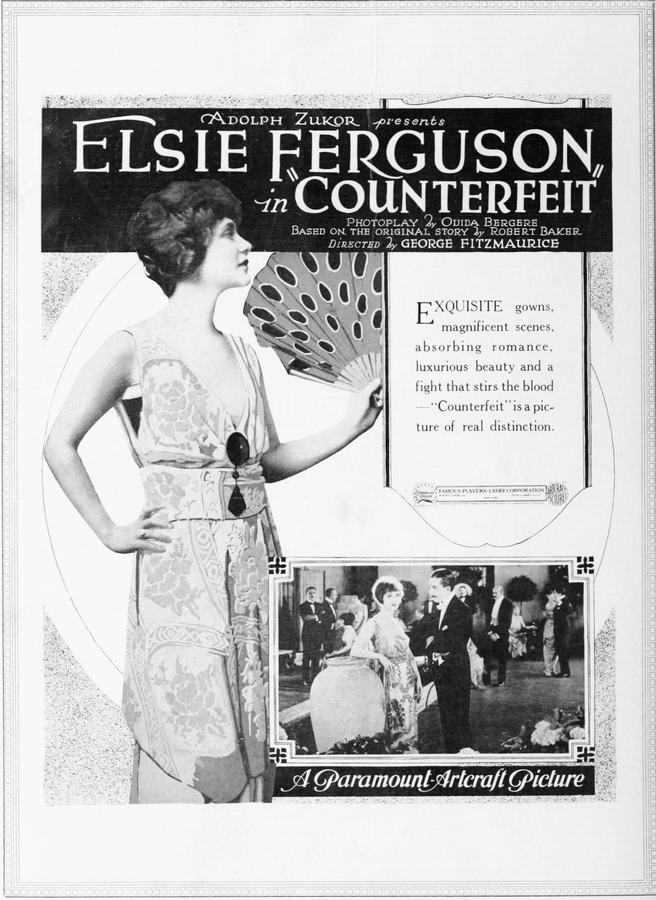
Stepping back into the nascent days of cinematic storytelling, before the roar of dialogue or the vibrant hues of Technicolor, we encounter the 1919 production of Counterfeit, a silent film that, even a century later, retains a compelling power in its narrative and thematic resonance. This is not merely a period piece, relegated to the dusty archives of film history; it's a vibrant testament to the enduring allure of a well-crafted thriller, where a woman's ingenuity and profound courage drive a high-stakes drama of espionage and deeply personal sacrifice. As an art critic and a chronicler of film's rich tapestry, I find myself drawn to the intricate dance of deception and duty that choreographs the film's every frame. It's a narrative that, while rooted in the societal norms and technological limitations of its era, speaks to universal human motivations: unwavering loyalty, burgeoning love, and the desperate pursuit of redemption. The film's ability to transcend its temporal confines lies in its masterful construction of suspense and its empathetic portrayal of a protagonist caught between worlds.
At the very heart of Counterfeit lies Virginia Griswold, brought to life with an understated yet powerful intensity by the remarkable Elsie Ferguson. Virginia is no conventional damsel in distress; she is an architect of her own destiny, a woman propelled by a profound and unwavering sense of familial duty. The opening premise—a family's failing fortunes necessitating a drastic measure to avert ruin—immediately establishes her as a protagonist of formidable resolve. Her audacious decision to enlist in the Secret Service, not solely for patriotic fervor, but primarily to secure the substantial reward money necessary to salvage her kin's financial standing, paints a complex, almost paradoxical portrait. This isn't a simplistic hero's journey where morality is black and white; instead, it's a morally ambiguous quest, where personal gain is inextricably linked with public service, creating a fascinating ethical tightrope walk. This nuanced approach elevates Virginia beyond a mere archetype, making her a deeply human figure, wrestling with the harsh exigencies of circumstance and the relentless demands of her conscience. Her internal conflict, though unspoken, is a central pillar of the film's emotional weight.
Ferguson’s portrayal, entirely devoid of spoken dialogue, relies exclusively on gesture, expression, and the subtle nuances of her physical presence. Her eyes, in particular, convey a rich spectrum of emotions – the steely determination of a seasoned agent, the delicate vulnerability of a woman deeply in love, and the quiet anguish of a soul burdened by profound secrets. This silent eloquence is a hallmark of the era, and Ferguson masters it with exceptional skill, ensuring that Virginia's intricate internal struggles are palpable and deeply affecting, even without a single uttered word. Her character stands as a powerful antecedent to later cinematic heroines who navigate dangerous and complex worlds, proving conclusively that strength, agency, and intellectual prowess were not solely the domain of male protagonists, even in the earliest decades of the 20th century. Virginia’s quiet strength becomes a beacon, challenging the prevailing gender norms of her time and offering a glimpse into the evolving role of women in popular culture.
Virginia's perilous mission plunges her into the glittering, yet ultimately superficial, world of Newport society. This opulent setting is a masterstroke of dramatic irony. The very people she aims to protect, the wealthy elite, are simultaneously the unwitting victims and, in some cases, the unwitting accomplices of the insidious counterfeiters. The film deftly uses this lavish backdrop to highlight the inherent fragility of appearances and the pervasive undercurrents of moral decay that often lurk beneath a polished, respectable veneer. Mrs. Palmer, a woman of apparent social standing and unimpeachable reputation, unexpectedly becomes a crucial node in this elaborate network of illicit activity, entangled with the suave, yet undeniably sinister, foreign adventurer Vincent Cortez. This shocking revelation is a stark commentary on the corrupting influence of unchecked desire and the alarming ease with which individuals can be drawn into compromising situations, regardless of their social stature or perceived integrity. The contrast between the outward show of wealth and the hidden depravity is a recurring motif.
The juxtaposition of Virginia's genuine, if financially driven, honor against the duplicity and moral bankruptcy of figures like Mrs. Palmer and Cortez creates a compelling and morally complex landscape. It's a world where trust is revealed as a fragile commodity, easily counterfeited itself, and where loyalty is tested at every treacherous turn. The film's portrayal of this high society milieu, while perhaps stylized for dramatic effect, offers a fascinating and critical glimpse into the perceived moral complexities and hidden vices that shadowed the lingering glow of the Gilded Age. One might draw compelling parallels to films like The Price of Vanity, where superficiality and societal pressures frequently mask deeper, more troubling truths about human nature and the compromises individuals are forced to make. Both films, in their distinctive ways, meticulously peel back the polished façade of respectability to reveal the profound compromises and hidden struggles festering beneath. The film subtly critiques a society that prioritizes image over substance, a theme that remains remarkably relevant today.
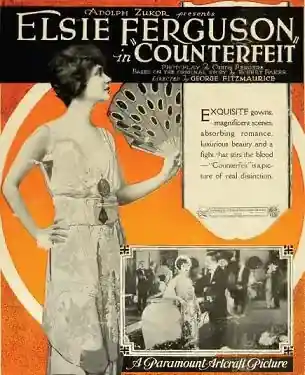
No compelling drama of this era would be truly complete without a romantic entanglement, and Counterfeit delivers this with a particularly poignant and emotionally charged twist. Stuart Kent, an ardent admirer of Virginia, becomes an unwitting pawn in her elaborate and dangerous charade. His love for her is depicted as genuine and pure, a rare beacon of sincerity in a world riddled with artifice and deceit. However, his profound devotion also renders him uniquely susceptible to devastating misunderstanding. The scene where Virginia, under the intense, conflicted scrutiny of Kent, extracts the incriminating counterfeit bills from the safe is a masterclass in silent tension. The audience is, of course, privy to Virginia's true, noble intentions, but Kent, observing from the periphery, can only interpret her clandestine actions through the heart-wrenching lens of betrayal and duplicity. This dramatic irony is further amplified and sharpened when Kent witnesses the seemingly intimate embrace between Virginia and Cortez. The agony etched into Kent's expression, the quick flash of anger, heartbreak, and profound confusion, speaks volumes about the immense emotional toll of Virginia's clandestine existence, making his pain palpable even without dialogue.
This romantic subplot serves not merely as a narrative embellishment but as a critical mechanism for exploring the deeply personal cost of Virginia's mission. Her sacrifice extends far beyond financial risk; it encompasses the potential forfeiture of personal happiness, the erosion of trust, and the intentional fracturing of her relationship with the man she loves. The film brilliantly leverages Kent's jealousy, confusion, and sense of betrayal to heighten the emotional stakes, ensuring that Virginia's ultimate triumph is not just a professional victory against crime, but also a deeply personal one, requiring the meticulous mending of a shattered heart and the painstaking rebuilding of trust. This emotional core resonates deeply, much like the human drama at the center of The End of the Road, where personal relationships are tested, strained, and ultimately defined by extraordinary, life-altering circumstances. The film underscores that the greatest counterfeit might not be currency, but the perception of betrayal in the heart of love.
The narrative arc of Counterfeit culminates in a thrilling and meticulously orchestrated climax, as Virginia, having painstakingly gathered her evidence and navigated the treacherous waters of high society, leads federal detectives to the counterfeiters' clandestine headquarters—an opulent yacht. This choice of setting is a fitting symbol of their ill-gotten gains and their transient, elusive nature, perpetually afloat and seemingly beyond the reach of the law. The raid itself, while perhaps constrained by the filmmaking conventions and technological limitations of the time, is nevertheless imbued with a palpable sense of urgency, danger, and dramatic tension. The swift and decisive apprehension of the entire gang provides a deeply satisfying resolution to the criminal plot, validating Virginia's courage, strategic prowess, and unwavering commitment to justice. The reward money, the initial and compelling impetus for her perilous journey, is finally secured, thereby fulfilling her sacred promise to her family and restoring their honor.
However, the film, with its keen understanding of human emotion, recognizes that financial resolution alone is insufficient for a truly satisfying conclusion. The true emotional denouement arrives with the pivotal intervention of Colonel Harrington. As a trusted family friend and confidant, his explanation to a bewildered and heartbroken Stuart Kent about Virginia's true, noble intentions serves as the narrative's emotional catharsis. It's a moment of profound revelation, meticulously dismantling the edifice of misunderstanding, jealousy, and perceived betrayal that had threatened to permanently separate the lovers. This scene powerfully underscores the film's deeper message: that truth, however obscured, delayed, or painstakingly revealed, ultimately prevails, and that genuine love, built on a foundation of respect and understanding, can indeed withstand the crucible of deception and doubt. The poignant reunion of Virginia and Kent, set against the backdrop of her triumphant mission, offers a hopeful and emotionally resonant conclusion, affirming the restorative power of honesty, affection, and unwavering faith. It’s a testament to the idea that true value lies not in material wealth, but in integrity and connection.
As an exemplar of silent film, Counterfeit relies heavily and effectively on its visual grammar to convey its intricate story and deep emotional currents. The cinematography, while perhaps lacking the kinetic dynamism and rapid cuts of later eras, is exceptionally effective in establishing atmosphere, building suspense, and conveying crucial narrative beats. The judicious use of intertitles, far from being a mere crutch for the lack of sound, becomes an integral and artful part of the storytelling, providing necessary exposition, character insights, and dialogue snippets that perfectly complement the actors' expressive performances. The film's pacing, reflective of early cinema's conventions, allows for moments of lingering emotion and deliberate dramatic build-up, drawing the audience deeply into the unfolding mystery and the psychological landscape of its characters. The strategic choice of locations, from the opulent, gilded interiors of Newport mansions to the more clandestine and shadowy settings of the criminal underworld, contributes significantly to the film's sense of realism, spectacle, and thematic contrast.

The direction, presumably by an uncredited master (as is common for the era, focusing here on the writers Ouida Bergère and Robert M. Baker's narrative construction), demonstrates a keen and intuitive understanding of how to orchestrate suspense and emotional impact without the benefit of spoken dialogue. The careful blocking of actors within the frame, the strategic use of close-ups to emphasize nuanced facial expressions and reactions, and the overall thoughtful composition of shots all work in powerful concert to communicate the complex narrative and the characters' inner lives. This sophisticated visual storytelling is a profound reminder of the raw, unadulterated power of early cinema, where filmmakers were constantly forced to innovate and experiment to engage their audiences. The inherent challenge of conveying intricate plots and nuanced emotions without sound necessitated a profound reliance on visual clarity, symbolic imagery, and highly expressive performance, a demanding skill that Counterfeit exemplifies with remarkable grace and effectiveness. The film's aesthetic choices contribute significantly to its timeless appeal, proving that a story well-told transcends its medium.
Beyond its thrilling and meticulously crafted plot, Counterfeit delves into profound and enduring thematic territory. The most prominent theme is, naturally, deception—not merely the criminal act of counterfeiting currency, but the broader societal and deeply personal deceptions that permeate every layer of the narrative. Virginia herself lives a perilous double life, a necessary deception undertaken for a noble and altruistic cause. Mrs. Palmer's clandestine involvement with Cortez is a profound deception of her husband, her social standing, and her own moral integrity. Even the superficiality and rigid etiquette of Newport society can be seen as a pervasive form of collective deception, masking underlying vulnerabilities, hidden desires, and moral compromises. This intricate exploration of layered deceit offers a rich tapestry for analysis, compelling the audience to question where the lines between right and wrong blur, especially when individuals are driven by desperate circumstances or powerful temptations.
Identity emerges as another compelling and interwoven thread throughout the film. Virginia Griswold sheds her conventional identity to become an agent, a chameleon expertly adapting to her dangerous surroundings. Yet, her true self, defined by unwavering loyalty, profound integrity, and deep affection, remains carefully hidden beneath a meticulously constructed facade. The film implicitly asks a timeless question: what does it truly mean to be authentic when circumstances demand a performative existence, when one's very survival depends on maintaining a false front? The arduous journey towards redemption, both for Virginia's family fortunes and for her deeply fractured relationship with Kent, underscores the ultimate triumph of truth over artifice and genuine connection over superficiality. This thematic depth elevates Counterfeit far beyond a simple crime drama, positioning it as a thoughtful and resonant commentary on human nature, societal pressures, and the moral choices that define us. It shares a thematic kinship with films like The Unpardonable Sin, which also grapples with profound moral complexities and the heavy burdens individuals carry when confronted with difficult ethical dilemmas. The film suggests that the most dangerous counterfeit isn't money, but a life lived without truth.
Counterfeit stands as a significant, if often overlooked, example of early crime drama, a genre that was rapidly evolving in the nascent years of cinema. It predates many of the more famous gangster films and film noir thrillers, yet it lays crucial groundwork for the genre's future conventions and narrative tropes. The compelling concept of an undercover agent, the intricate plot involving high-stakes criminal enterprise, and the profound personal sacrifices demanded by such a perilous mission are all foundational elements that would become enduring staples of cinematic storytelling for decades to come. The film's emphasis on a strong, intelligent female protagonist operating effectively and bravely in a traditionally male-dominated field (the Secret Service) is particularly noteworthy for its era, showcasing a remarkably progressive sensibility that subtly challenged conventional gender roles and expectations. Virginia Griswold emerges as a formidable figure, whose intellect and courage are paramount to her success, rather than her relying on male protection or intervention.
Compared to other films of its time, such as the more action-oriented Thieves' Gold or even earlier European crime dramas like In the Clutches of the Paris Apaches, Counterfeit distinguishes itself through its profound focus on the internal moral compass of its protagonist and the psychological toll of her demanding mission, rather than solely on overt action or explicit villainy. While those films might revel in the raw spectacle of crime and pursuit, Counterfeit offers a more refined, character-driven exploration of the criminal underworld and the formidable forces arrayed against it. Its enduring appeal lies not just in its clever plot mechanics, but in its keen observation of human nature under extreme pressure and its sympathetic portrayal of a woman forced into extraordinary circumstances. The film's quiet complexities and emotional depth firmly establish it as a work worthy of rediscovery and continued appreciation, providing valuable insight into the evolution of cinematic narrative and the portrayal of female strength.
In its totality, Counterfeit is far more than a mere historical artifact; it is a vibrant and compelling piece of cinematic art that continues to resonate with contemporary audiences willing to engage with the unique and expressive language of silent film. Its intricate plot, compellingly drawn characters, and universal themes of duty, deception, and enduring love transcend the inherent limitations of its production era. Elsie Ferguson's masterful performance as Virginia Griswold remains a powerful and eloquent testament to the expressive capabilities of silent acting, crafting a heroine who is both vulnerable in her personal life and fiercely independent in her professional mission. The film serves as a potent reminder of the ingenuity, resourcefulness, and profound storytelling prowess that defined early Hollywood, proving conclusively that a compelling narrative, when skillfully executed, can captivate hearts and minds across generations. It’s a film that quietly asserts its rightful place in the annals of cinema, offering a fascinating glimpse into a past that still echoes with profound relevance today, inviting us to reflect on the true value of integrity, honesty, and genuine connection in a world often swayed by illusion and artifice. Its subtle complexities and emotional depth firmly establish it as a film worthy of rediscovery and continued appreciation, a testament to the enduring power of silent storytelling.
IMDb 5.3
1915
Community
Log in to comment.