DbcultAccessing Vault...
6.7/10
Senior Film Conservator
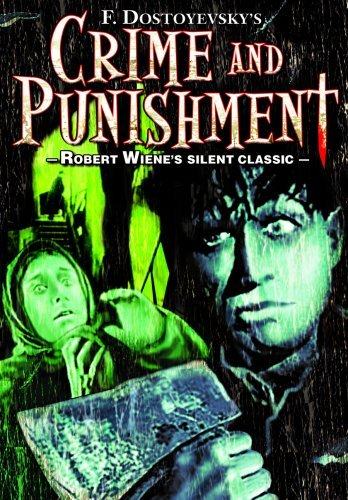
A definitive 6.7/10 rating for a film that redefined the boundaries of cult cinema. Crime and Punishment remains a cornerstone of transgressive art.
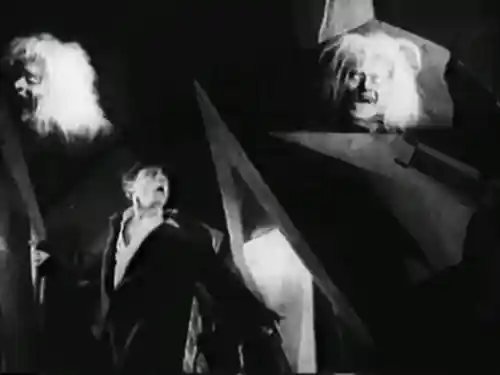
Robert Wiene’s 1923 adaptation of Fyodor Dostoevsky’s magnum opus arrives not merely as a translation of a novel onto celluloid, but as an ambitious experiment in visualizing the internal tumult of a tormented intellect. The film, rendered in stark monochrome, leverages chiaroscuro lighting to mirror the protagonist’s oscillation between intellectual arrogance and abject despair. Polycarpe Pavloff, cast as the tormented Raskolnikov, delivers a performance that oscillates between manic fervor and haunted silence, a feat made more striking given the absence of spoken dialogue.
The screenplay condenses Dostoevsky’s sprawling narrative into a compact yet potent structure. The inciting essay, wherein Raskolnikov argues that “extraordinary men” may transgress conventional morality, is rendered through a series of intercut title cards and expressive close‑ups, allowing the audience to feel the intellectual fever that fuels his murderous resolve. The murder sequence itself is a masterclass in silent‑film tension: a dimly lit room, a sudden flash of a knife, and the anguished gasp of the victim are all captured with a kinetic camera that circles the actors, heightening the sense of claustrophobic inevitability.
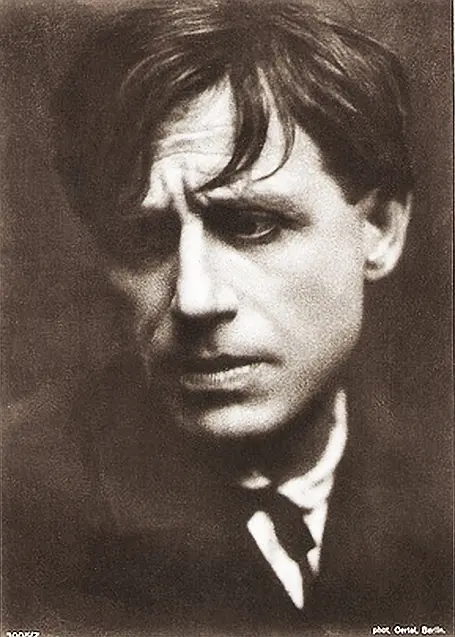
Mariya Germanova’s Sonya shines as the embodiment of redemptive compassion. Her delicate gestures—folding a ragged shawl, offering a trembling hand—communicate a depth of empathy that transcends the film’s silent medium. The chemistry between Pavloff and Germanova is palpable; their silent exchanges convey a dialogue of souls more eloquent than any spoken word. The antagonistic presence of Porfiry Petrovich, portrayed by Mikhail Tarkhanov, is rendered through a series of lingering, inquisitive glances, turning the police inspector into a specter of conscience rather than a mere lawman.
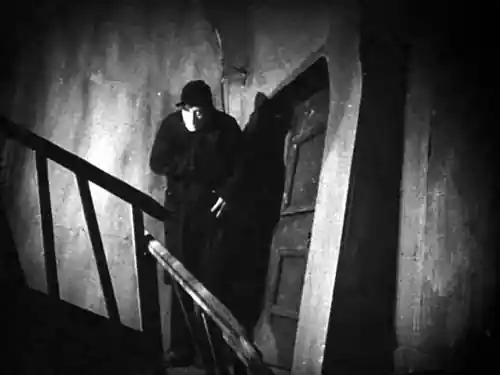
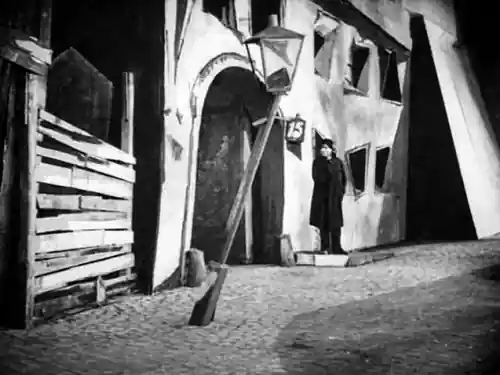
Cinematographer Gregori Chmara employs a palette of deep shadows and stark whites, creating a visual metaphor for Raskolnikov’s internal conflict. The recurring motif of barred windows—seen both in the cramped apartment of the usurer and the oppressive prison cells—underscores the theme of entrapment. The use of sea‑blue (#0E7490) in the occasional soft focus of night‑time exteriors provides a fleeting glimpse of hope amidst the pervasive darkness.
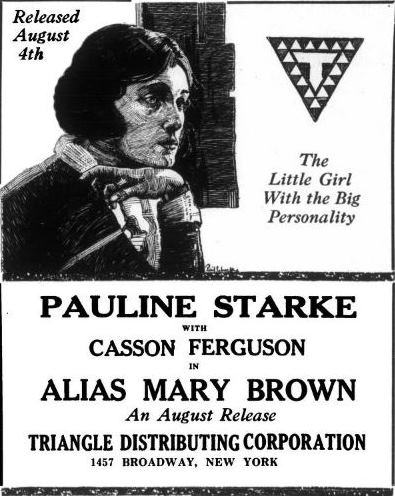
When placed beside contemporaneous works such as Alias Julius Caesar or the melodramatic The Girl from Beyond, Wiene’s film stands out for its psychological intensity rather than its spectacle. While the former relies on grand historical pageantry, Crime and Punishment delves into the minutiae of moral disintegration, aligning it more closely with the introspective tone of The Rough Diamond, albeit with a far more somber palette.
Although a silent film, the original score—recreated in modern screenings by a chamber ensemble—utilizes low, brooding strings to echo Raskolnikov’s dread, punctuated by occasional high‑pitched violins that accompany moments of fleeting clarity. The auditory contrast mirrors the visual dichotomy of light and shadow, reinforcing the film’s thematic duality.
Crime and Punishment occupies a pivotal niche in early Soviet cinema, bridging the gap between Expressionist aesthetics and the emergent Soviet montage tradition. Its daring focus on internal psychology predates the later works of Sergei Eisenstein, offering a glimpse into the evolution of narrative cinema. Moreover, the film’s treatment of class struggle—though subtle—aligns with the ideological undercurrents of its era, positioning the usurer as a symbol of capitalist exploitation while Sonya represents the proletarian virtue of self‑sacrifice.
Contemporary reviews lauded the film’s visual daring but critiqued its condensation of Dostoevsky’s philosophical depth. Modern scholars, however, appreciate the film’s ability to convey existential angst without reliance on dialogue, noting that the silent medium forces viewers to engage more actively with the visual rhetoric. The film’s restoration in 2019, which revived the original tinting—dark orange for scenes of moral crisis and yellow for moments of fleeting hope—has sparked renewed interest among cinephiles and academic circles alike.
Wiene’s Crime and Punishment endures as a haunting exploration of the human capacity for both violence and compassion. Its meticulous craftsmanship, from Pavloff’s tormented visage to the nuanced set pieces that echo the protagonist’s psychological confinement, renders it a cornerstone of silent‑era storytelling. For viewers seeking a film that challenges moral certainties while offering a visual feast of chiaroscuro brilliance, this 1923 classic remains an indispensable experience.
IMDb —
1934
Community
Log in to comment.