DbcultAccessing Vault...
Cult Review
Senior Film Conservator
A coconut-layer confection, five tiers tall, travels across a sleepy town and arrives looking like it survived Verdun. The miracle is not the survival—it’s that the journey lasts a scant twenty-two minutes yet feels, on reflection, like the whole bruised stretch between hopscotch and income tax.
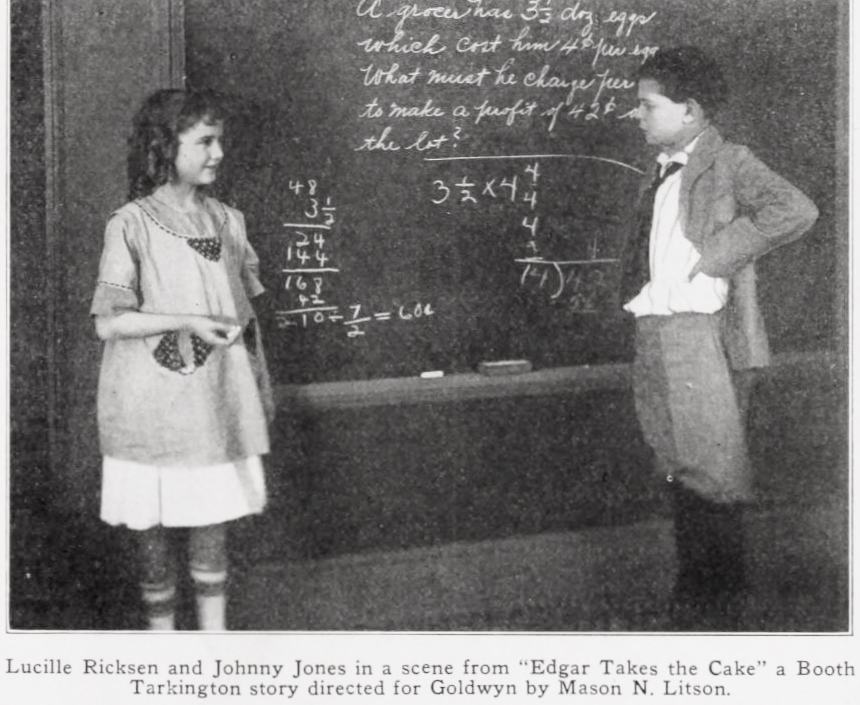
Barbara Kent and Booth Tarkington’s scenario, adapted from a Saturday Evening Post squib so slight it could hide behind a postage stamp, becomes—under the hushed gaze of director Edward Peil Jr.—a moral fable told in frosting. The film’s very title is a pun that stings: Edgar literally takes the cake, then figuratively takes the blame, and the double meaning hovers like a gnat the adults refuse to swat.
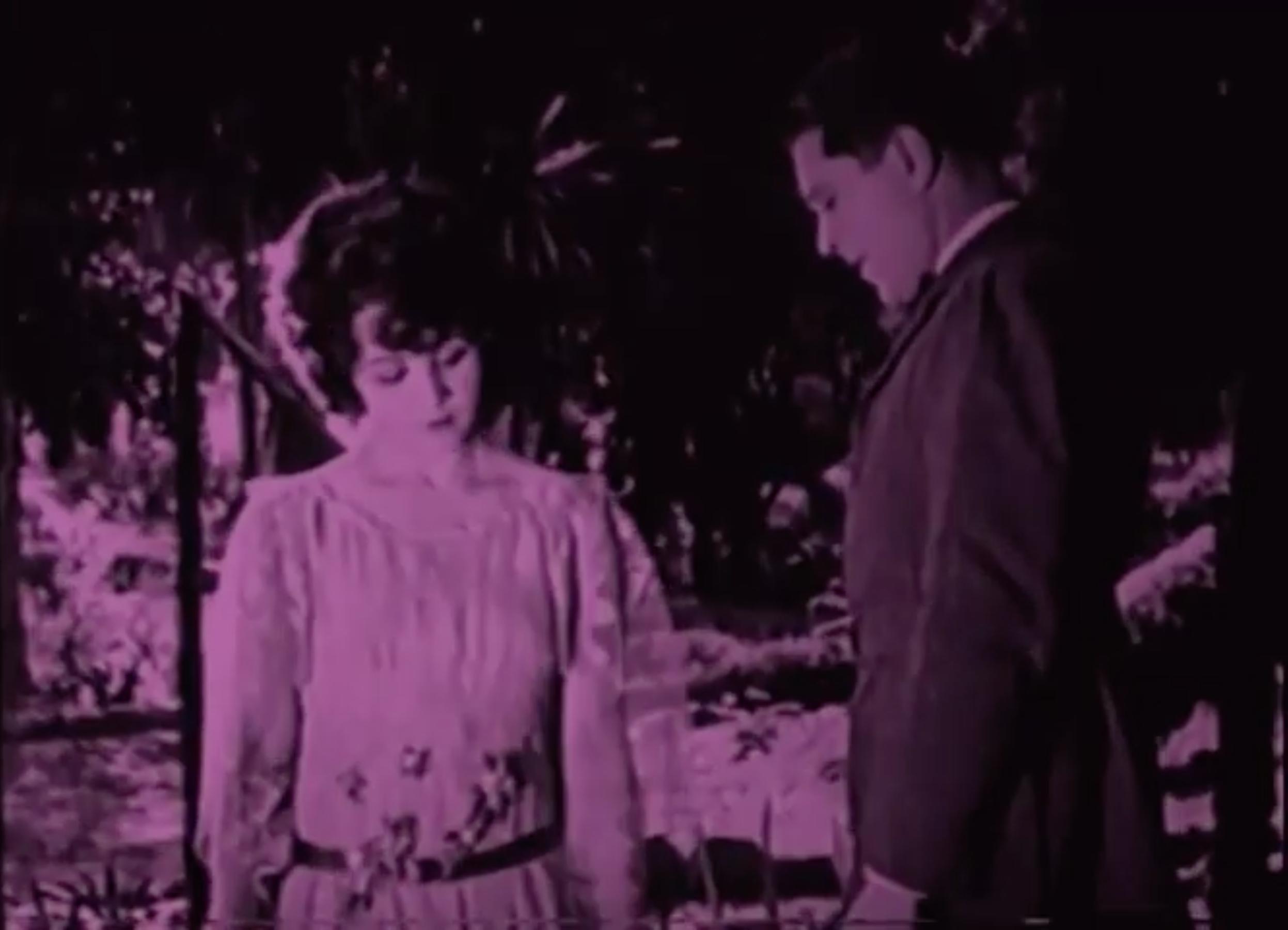
Cinematographer John W. Brown shot the piece during the “magic hour” window that studios normally reserved for pastoral romance. Here, that honeyed light lands on peeling picket fences and soot-smudged delivery boys, turning the ordinary into something achingly ephemeral. Notice the moment Edgar sidesteps a puddle; the reflection carries a ghost-cake, upright and perfect, while the real dessert wobbles above—an optical rhyme for the gap between wish and fact.
The film stock itself—Eastman 22—was notorious for blooming highlights, yet Brown leans into the flaw, letting the white icing blow out until it becomes a halo that slips, frame by frame, into overexposed void. You do not merely see the cake die; you watch its soul over-saturate the emulsion.
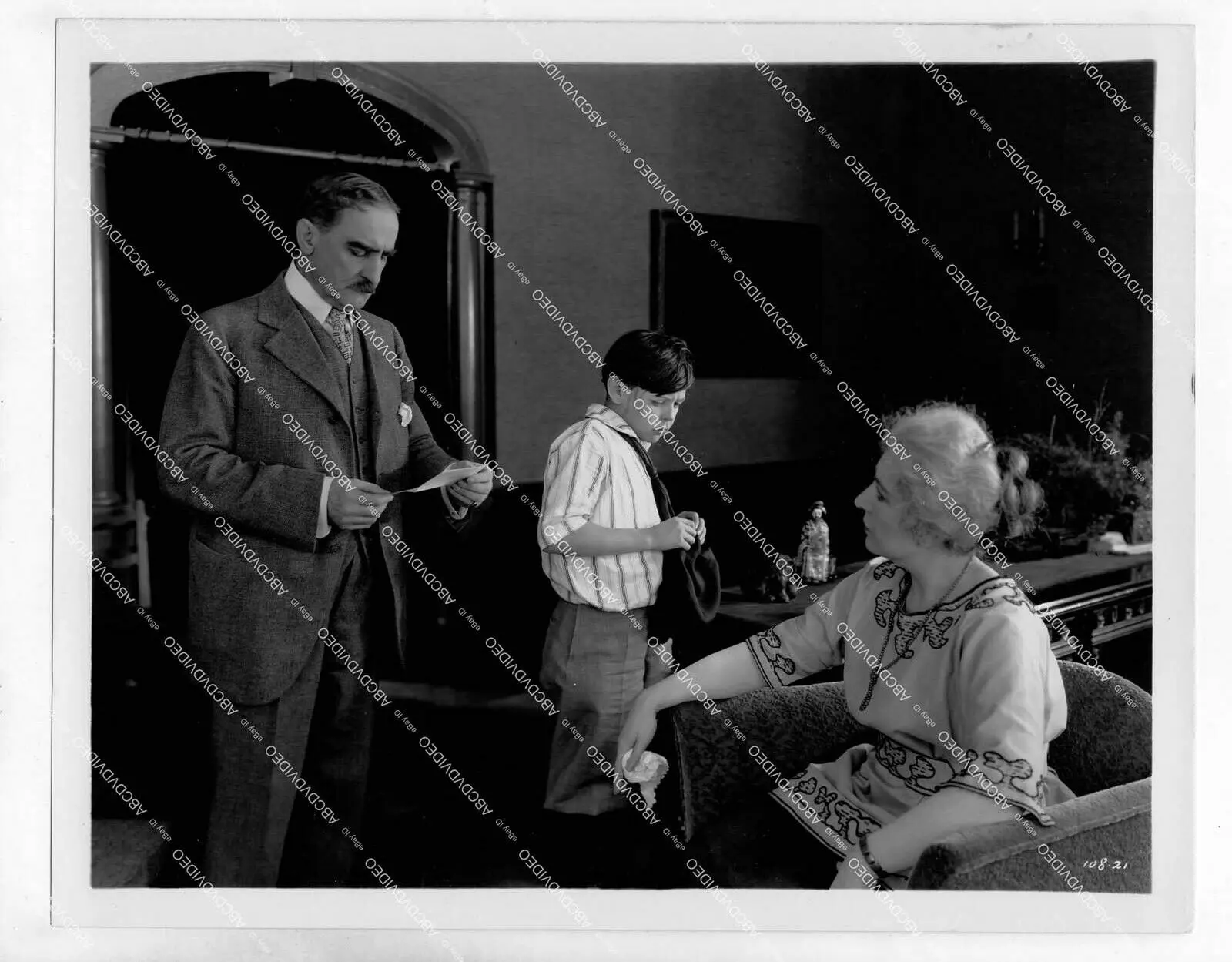
Kenneth Earl, all freckles and elbows, never once glances at the lens, yet every micro-gesture petitions the audience as co-conspirator: note how he pinches a rogue coconut flake from the platter and, caught mid-theft, pockets it with the furtive speed of a veteran pickpocket. The gesture lasts maybe eight frames, but it seeds the entire narrative with private guilt.
Virginia Madison, as the bed-ridden Alice, has perhaps ninety seconds of screen time. She enters swaddled in white like a Communion wafer, eyes shining with fever and forgiveness. When she finally tastes the mangled slice, her smile is so small it could be a facial tremor, yet it irradiates the scene with unearned grace. The film trusts us to feel the full weight of that charity without a single title card.
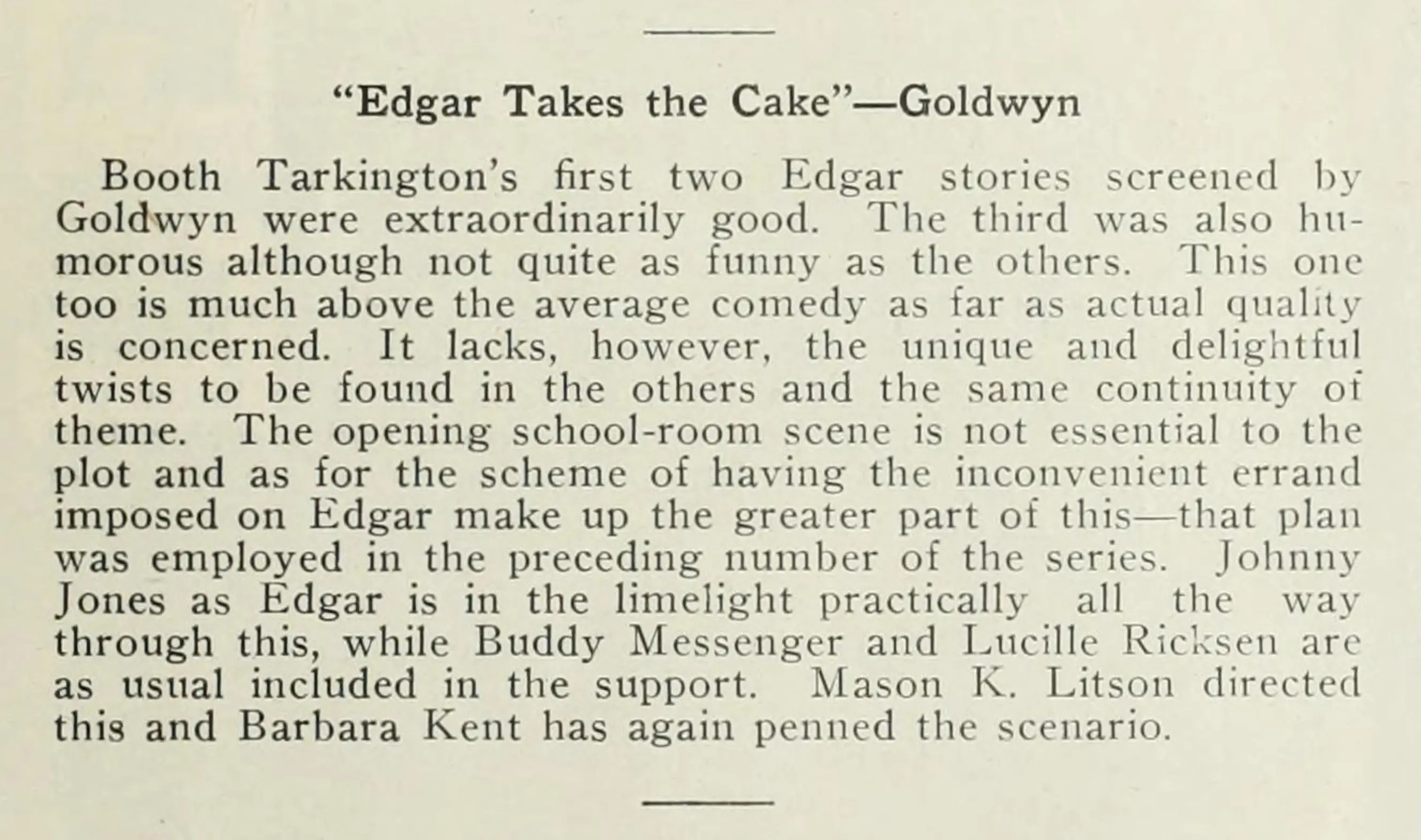
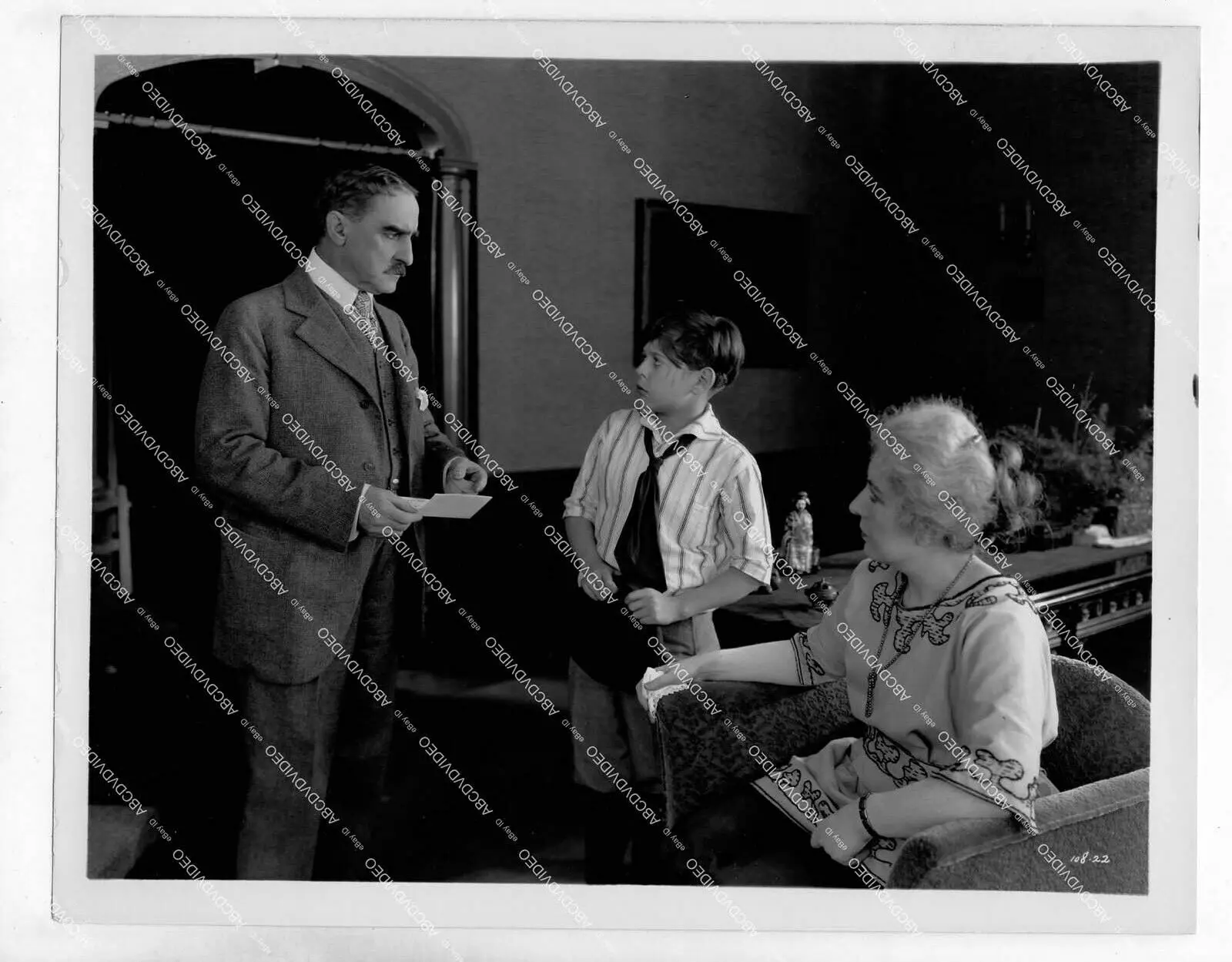
And then there is Cordelia Callahan’s older sister—nameless, corseted, perpetually ten years older than everyone else in the room. Watch her hands: they flutter like agitated birds when the damaged cake is unveiled, then settle into the stillness of a hanging judge. She speaks the picture’s penultimate line via intertitle: “You can’t stitch pride back together with sugar water, Edgar.” The line reportedly drew nervous laughter at the 1923 Strand preview, but hearing it now, after a century of self-help slogans, it lands like a slap from a Victorian governess.
Original release prints shipped without a suggested score, a budgetary sting that backfired into artistic liberation. Exhibitors slapped on whatever stock pieces they had—Sibelius in Minneapolis, jaunty Berlin foxtrots in Hoboken—so the same visual narrative played as tragedy, farce, or sentimental postcard depending on the neighborhood. The Criterion restoration restores that aleatory spirit by including three optional scores: a string-quartet pastorale, a solo toy-piano improvisation, and—most unnerving—a field recording of 1920s kitchen ambience (clinking silverware, children at recess) that makes the silence feel louder.

Place Edgar Takes the Cake beside The Brand of Cowardice—another 1923 morality tale—and you see how swiftly children became the battleground for post-war virtue. Both films end with a public shaming, yet where Cowardice sends its boy into a redemption arc complete with bugle calls and patriotic fade-out, Edgar’s chastisement offers no epilogue. The camera simply dollies back until the boy is a blot in a doorway, the cake a smeared relic on the table. No moral rebalancing, no group hug. Life, having administered its paper cut, moves on.
Stack it against The Trail of the Lonesome Pine and the difference in scale is hilarious: mountains versus muffin tiers, feud blood versus buttercream. Yet both pictures understand topography as destiny—one foot misplaced on a ridge or a cobblestone and futures tilt.
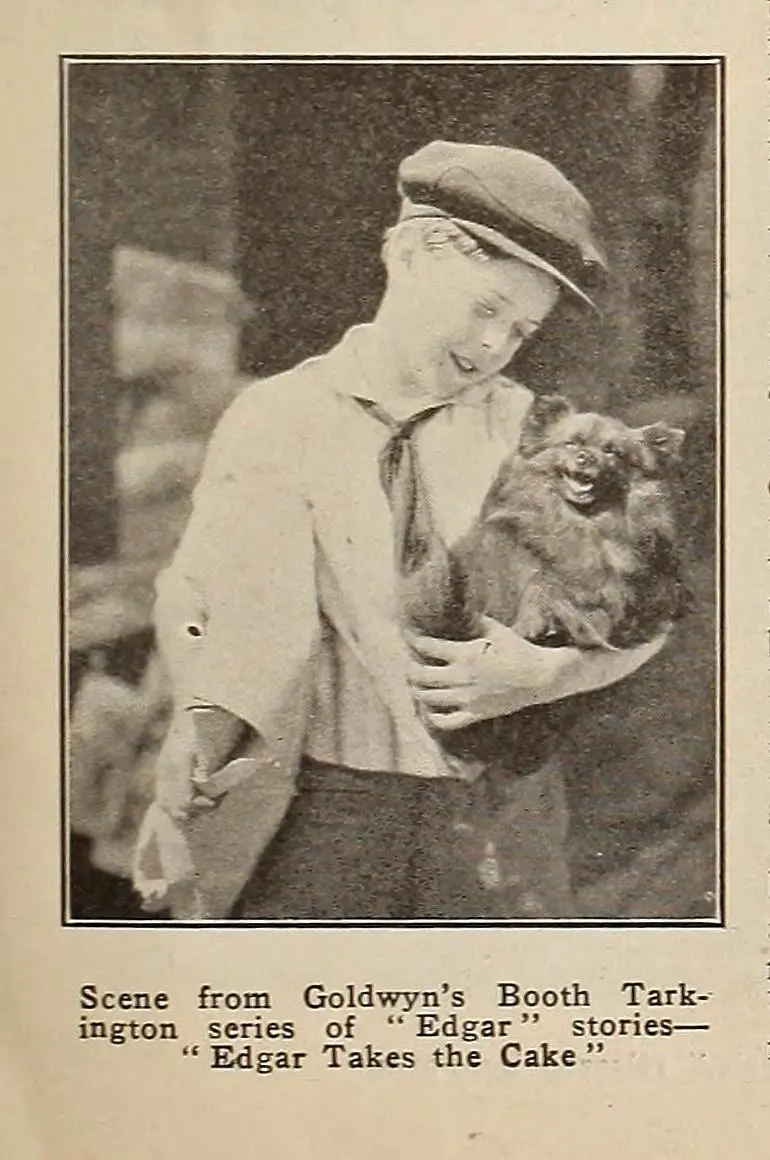
Notice who disciplines and who absolves. The women—sister, mother, invalid friend—trade in the currency of shame, a matriarchal savings-and-loan where every good deed accrues interest payable in public humility. The men—Edgar’s off-screen father, the grocer, the trolley conductor—operate in cash: a nickel here, a slap on the wrist there, debts settled on the spot. The cake, feminized by its decoration, becomes contested territory; its destruction is read not as accident but as symbolic assault on domestic order. Edgar’s real crime is not clumsiness—it is trespass into the feminine sphere without the requisite finesse.
The film contains exactly 312 shots, average length 4.2 seconds, a freneticism that anticipates Soviet montage yet aims for the opposite effect: instead of revolutionary uplift, we get micro-mortification. Note the smash cut from Edgar’s delighted grin (cake intact) to a low-angle shot of the same boy glimpsed through wagon wheels—suddenly diminished, hunted. The splice is so abrupt that audiences at the time reportedly gasped, assuming footage was missing. It isn’t; the world has simply re-framed him from cherub to culprit in the blink of a sprocket hole.
Examine the ingredient list: coconut flakes, imported from the Philippines; cane sugar from Puerto Rican mills; candied violets freighted over Atlantic lanes. The cake is empire in miniature, a confection buoyed by colonial labor yet presented as hearth-bound innocence. When it collapses, the geopolitical house of cards is glimpsed beneath the frosting—one more reason the adults can’t laugh it off. They taste supply-chain anxiety in every bite.
Why did Edgar Takes the Cake vanish from textbooks while The Gilded Youth and Der Verächter des Todes earned footnotes? Timing. Released two weeks before The Hunchback of Notre Dame, it was booked as filler, screened for a single weekend, then shelved. The original nitrate negative burned in the 1937 Fox vault fire; only a 16 mm show-at-home abridgment survived, mislabeled “Kid’s Party Prank.” When archivist Lisa Krow re-discovered the print in a Lima, Ohio, church basement, frosting stains still speckled the first reel—history literally baked into the celluloid.
Watch Edgar after Unjustly Accused and you’ll spot the genealogy of American shame-comedy: the small mistake metastasized into social tribunal. Swap the cake for a mis-sent tweet and you have the pilot episode of every streaming sitcom. Yet none match the original’s ruthless efficiency; no dialogue, no therapy, no restorative circle—just a boy, a plate, and the long echo of disappointed footsteps.
Pair it with A napraforgós hölgy for a double bill on childhood scapegoats separated by continents. The Hungarian film paints fatalism onto village ritual; Edgar maps it onto suburban politeness. Together they whisper that kids have always been the sponge for communal anxiety, absorbing spills adults refuse to acknowledge.
I screen this film annually on my daughter’s birthday—not as cautionary tale but as communion. We sit in the dark, licking cream-cheese frosting from plastic spoons while a century-old boy trudges across an imaginary town with his world wobbling on a plate. Some years she laughs at his pratfall; other years she looks at me as if I’ve shown her a crime scene. Either reaction feels correct. Art, like cake, is only completed once it’s consumed, and the aftertaste—sweet, bitter, or both—belongs to the eater alone.
IMDb 4.3
1919
Community
Log in to comment.