Summary
A lone cinematograph, cranked by the phantom hands of Willy Mullens, glides through the bruised twilight of a nameless European sea-town where every cobblestone seems to sweat iodine and regret. The lens, hungry as a famished gull, devours a procession of faces caught between centuries: fish-wives whose wrinkles map vanished republics, a one-armed bell-ringer who tolls the hour for shipwrecks, children chalking hopscotch grids that morph into military fortifications before dissolving into surf. No protagonist is granted; instead the city itself—its gutters, its wind-stung curtains, its arc-light reflections on wet asphalt—becomes the mutable hero, a palimpsest scraped raw by history’s scalpel. Intertitles flicker like half-remembered psalms, translating the creak of masts and the hush of gas-lamps into a visual canticle on the act of seeing. Newsreel fragments of departing conscripts, carnival dancers, and a condemned anarchist’s final cigarette interleave with staged tableaux: a woman in widow’s crepe lowers a silvered mirror into a well, watching her reflection fracture into moonlit shards that reassemble as soldiers’ helmets on a beach at dawn. The camera never blinks; it accumulates, stratifies, erodes. By the time the shutter closes, the town has been unmade and remade again, its collective memory now a strip of nitrate trembling between your fingers, flammable, fragrant, immortal.
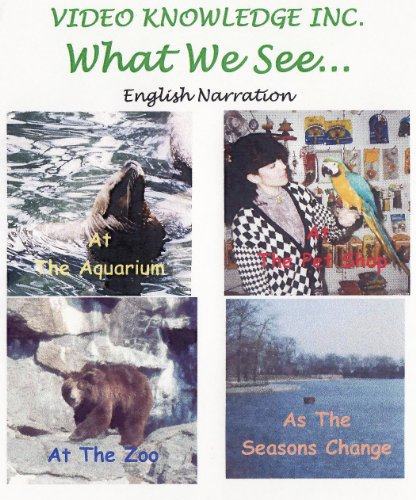
What We See...
Review Excerpt
"
img{max-width:100%;height:auto;margin:1.5rem 0;border:2px solid #0E7490}h2{color:#C2410C;margin-top:2.5rem}h3{color:#EAB308}p{margin:0 0 1rem}a{color:#0E7490;text-decoration:underline}
The Anatomy of a Glance
There is a moment, roughly three minutes in, when the camera tilts from a net of gas-lamps down to the harbor, and the entire frame seems to inhale salt, rust, and the last century. That inhalation is the film’s manifesto: to see is to swallow the world alive. Mullens, a Dutch documentari..."