DbcultAccessing Vault...
Cult Review
Senior Film Conservator
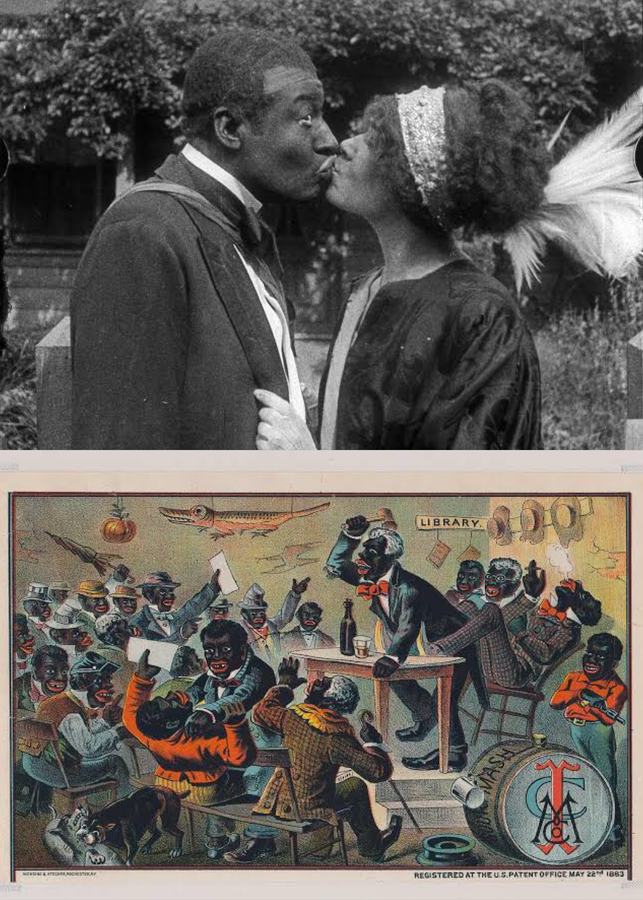
Custard's Last Stand is a painful experience, and not just because of its blatant racism. It is a fundamentally poorly made film that lacks the basic timing and physical comedy required to make slapstick work. If you are looking for entertainment, look elsewhere—perhaps toward something like The Dangerous Dub or even the minor charms of Just a Good Guy. This film is for nobody except those conducting a grim audit of early 20th-century prejudices.
No. Unless you are a historian documenting the evolution of blackface in American media, there is zero reason to sit through this. It isn't 'so bad it's good'; it's just ugly and dull. The humor is based on the assumption that the mere sight of a white man in greasepaint is a punchline. It isn't. The pacing is sluggish, and the gags are telegraphed minutes before they land.
1) This film works because: It doesn't. It is a total failure of imagination and execution.
2) This film fails because: It relies on racist caricatures as a substitute for actual comedic writing or physical talent.
3) You should watch it if: You are a scholar of early film history specifically researching the era's social failures.
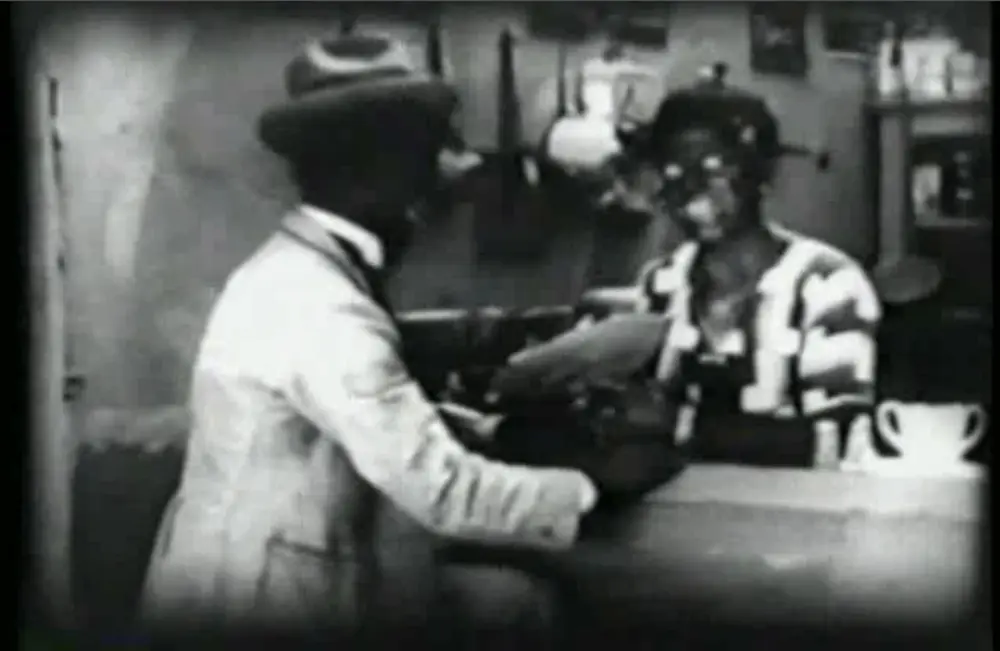
The most striking thing about Custard's Last Stand isn't just the offensive makeup; it’s how lazy the production is. Billy Franey, who could occasionally be a capable physical comedian, is reduced to wide-eyed mugging and frantic gestures that signify nothing. He plays Custard with a jittery energy that feels more like a nervous breakdown than a comedic performance. There is no internal logic to his movements, just a series of spasms intended to elicit cheap laughs from a 1921 audience that clearly had low standards for this genre.
The setting of the lunch stand is equally uninspired. The set looks like it was hammered together five minutes before the cameras rolled, and it probably was. In other shorts of the era, like A Broadway Cowboy, there is at least a sense of place or a bit of stylistic flair. Here, the camera just sits there, capturing the flat, grey reality of a poorly lit stage. The lack of depth in the frame mirrors the lack of depth in the script.
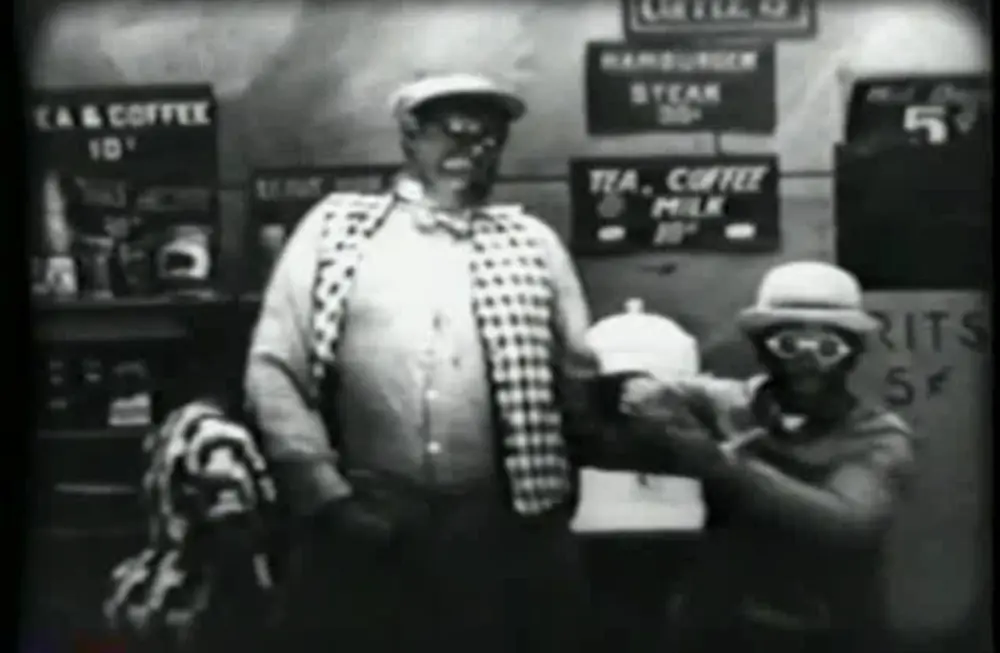
The subplot involving Custard’s wife is particularly grating. Her 'flirting' is portrayed with a heavy-handedness that makes the scenes feel repetitive. She bats her eyelashes at customers, Custard gets jealous, a freeloader tries to steal a sandwich, and the cycle repeats. There is no escalation. Slapstick requires a build-up of tension that eventually explodes into chaos. Here, the chaos is static. It’s the same note played over and over again until the film mercifully ends.
The 'off-menu' requests mentioned in the plot summary are handled with a clumsy suggestiveness that isn't clever enough to be risqué. It’s just more filler. When you compare this to the tonal shifts in a film like The French Doll, the amateurism of Custard's Last Stand becomes even more glaring. It lacks the polish of even the most mediocre studio productions of its time.
The editing is jarring. Shots cut away before the action is complete, or linger far too long on a character's reaction. It feels like a rough draft that someone forgot to refine. The lighting is harsh and inconsistent, washing out the already distracting makeup and making the actors look like ghosts in a hardware store. There is no eye for composition. Characters are often bunched up in the center of the frame, tripping over each other in a way that feels accidental rather than choreographed.
Pros: It is short. The film ends eventually, which is its only real mercy.
Cons: The racism is foundational, not incidental. The acting is terrible. The production values are non-existent. The 'comedy' is agonizingly unfunny.
Custard's Last Stand is a bottom-of-the-barrel relic that serves as a reminder of how low the bar for comedy used to be. It is a technical mess and a moral failure. Avoid it at all costs, unless you are being paid to watch it for a thesis. If you want silent-era entertainment, go watch literally anything else.
IMDb —
1932
Community
Log in to comment.