DbcultAccessing Vault...
6.1/10
Senior Film Conservator
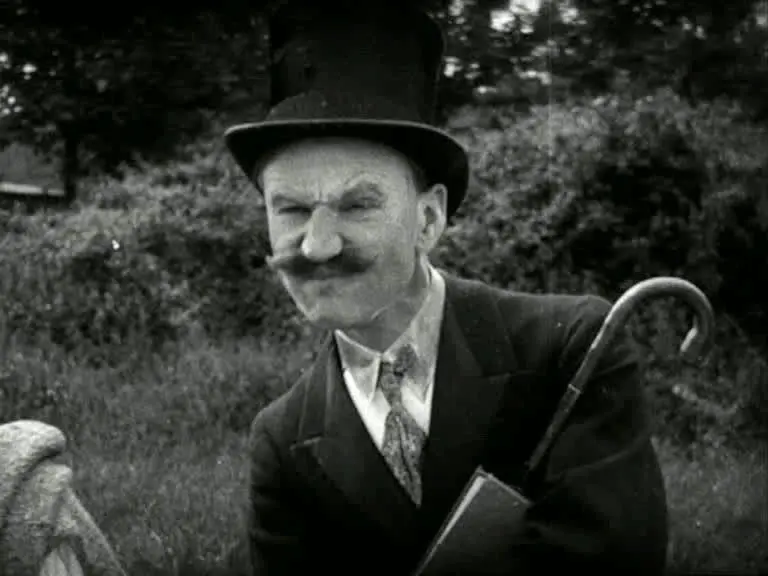
A definitive 6.1/10 rating for a film that redefined the boundaries of cult cinema. Cut It Out: A Day in the Life of a Censor remains a cornerstone of transgressive art.
Is 'Cut It Out: A Day in the Life of a Censor' worth your precious viewing time today? The short answer is an emphatic yes, but with a crucial caveat: this film is a niche delight, tailor-made for cinephiles, film historians, and those with a keen interest in the evolution of cinematic satire.
It is absolutely not for casual viewers expecting a straightforward narrative or modern pacing, nor for anyone averse to the distinct stylistic conventions of early silent cinema.
Adrian Brunel’s 1925 offering, 'Cut It Out: A Day in the Life of a Censor,' arrives as a surprisingly sharp, often hilarious, and undeniably important piece of cinematic history. At its core, it’s a meta-commentary, a film about filmmaking, and more specifically, about the maddening interference of censorship in the creative process. This isn't just a film; it's a polemic, a frustrated sigh, and a pointed jab all rolled into one.
The premise is deceptively simple: we observe the tumultuous production of a melodrama, a genre ripe for both earnestness and ridicule, as it is systematically undermined by an officious, ever-present censor. The genius lies in its execution, transforming a bureaucratic nightmare into a compelling, if unconventional, viewing experience.
This film works because of its audacious, ahead-of-its-time meta-commentary on the very act of filmmaking and the often-absurd forces that sought to control it. This film fails because its unconventional structure and deliberate pacing, while integral to its message, can feel alienating and ponderous to contemporary audiences. You should watch it if you appreciate cinematic history, enjoy sharp, intelligent satire, and are fascinated by the cultural battles over artistic expression in the nascent years of cinema.
The film plunges us directly into the chaotic, yet structured, environment of a film set. Actors, crew, and director bustle about, attempting to bring a dramatic narrative to life. The melodrama itself, a tale likely involving forbidden love, tragic misunderstandings, and heightened emotions – much like the popular narratives of the time, such as those found in `Blind Love` or `The Forbidden Lover` – is treated with a certain degree of reverence by its fictional creators.
However, this reverence is consistently shattered by the arrival of the censor. Portrayed with a magnificent, almost pantomime-villain gravitas, he isn't a background figure; he is an active participant. He scrutinizes every gesture, every lingering look, every suggestive prop. A scene intended to convey heartfelt sorrow might be deemed too intense, a tender embrace too suggestive, a dramatic confrontation too violent. The very fabric of the fictional film is rewoven, not by artistic vision, but by moralistic decree.
Brunel's choice to show the *effect* of censorship, rather than just discuss it, is what makes the film so potent. We witness scenes being shot, only to see the censor step in, demanding reshoots, cuts, or alternate takes that drain the original intent of its power. It’s a brilliant, if frustrating, exercise in cinematic deconstruction, illustrating how a story can be neutered by external pressures.
The cast, including Adrian Brunel himself, Edwin Greenwood, J.O.C. Orton, and Mrs. Miles Mander, navigates the demands of silent film acting with skill, often employing the broad, expressive gestures characteristic of the era. What’s particularly compelling is the dual performance required: acting within the melodrama, and then reacting to the censor's interference.
Miles Mander, in particular, as the censor, delivers a performance that borders on caricature, yet remains entirely believable as a figure of authority. His exaggerated expressions of disapproval, his meticulous note-taking, and his stern, unyielding demeanor are central to the film's comedic and critical thrust. He is the immovable object against the irresistible force of artistic ambition.
The actors portraying the melodrama's cast effectively convey the frustration and resignation of artists facing an arbitrary hand. Their initial enthusiasm slowly gives way to weary compliance, a silent testament to the soul-crushing nature of creative constriction. It’s a subtle layer of performance that adds significant depth to the film's satirical core.
Brunel's direction is purposeful and intelligent. He doesn't merely film the melodrama; he films the *process* of filming it. The cinematography, while typical of the period in its use of static shots and clear compositions, becomes dynamic through its subject matter. We see the cameras, the lights, the sets – a rare behind-the-scenes look for its time.
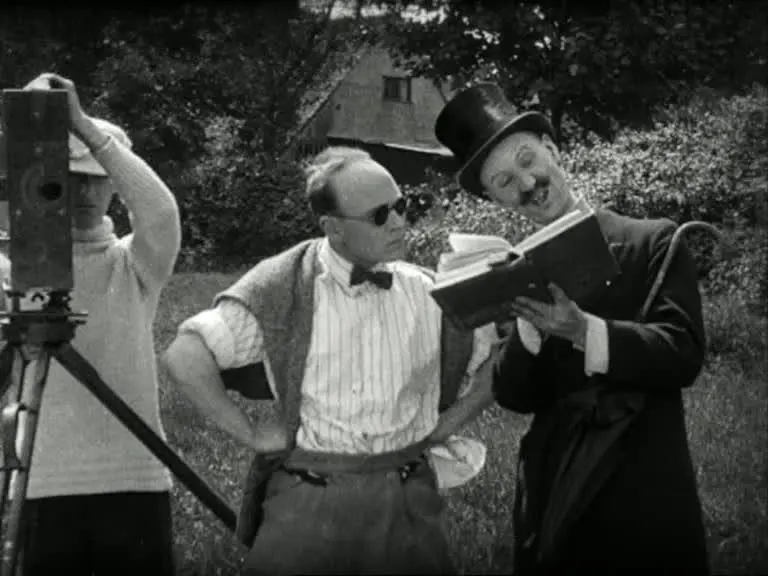
The visual language often contrasts the earnestness of the melodrama with the stark, unfeeling presence of the censor. Close-ups of the censor's disapproving face intercut with the dramatic embraces of the actors create a powerful visual juxtaposition. One memorable sequence involves a passionate kiss being filmed, only for the censor to demand a change, resulting in a comically chaste peck on the cheek, highlighting the absurdity of the moral policing.
The editing, too, plays a crucial role. Brunel uses quick cuts to emphasize the censor's interruptions, and longer takes to establish the original artistic intent before it's disrupted. This isn't just a story told; it's a thesis presented visually, making the film feel surprisingly modern in its self-awareness.
The pacing of 'Cut It Out' is deliberately unconventional. It doesn't adhere to a typical narrative arc but rather a series of vignettes illustrating the censor's impact. This can, admittedly, feel slow for modern audiences accustomed to faster cuts and more direct storytelling. However, this measured pace allows the satire to marinate, allowing viewers to fully grasp the insidious nature of the interference.
The tone is a masterclass in blending social commentary with comedic elements. It’s a serious critique, but it’s delivered with a wink and a nod. The humor often arises from the sheer absurdity of the censor's demands, or the actors' increasingly exasperated reactions. It’s a delicate balance, and Brunel pulls it off with remarkable finesse, avoiding outright farce in favor of a more nuanced, observational comedy.
The film doesn’t just show us a censor; it forces us to experience a day *with* him, feeling the weight of his judgment on every creative decision. This immersive, frustrating journey is where the film truly shines, even if it demands a certain patience from its audience.
Absolutely. 'Cut It Out: A Day in the Life of a Censor' is more than just a historical artifact; it's a surprisingly relevant piece of social commentary. Its themes of artistic freedom versus regulatory control resonate just as strongly today, perhaps even more so in an age of cancel culture and internet policing. It serves as a stark reminder that the battle for creative expression is an ongoing one.
For those interested in the origins of meta-cinema, or the political undercurrents of early film, this is essential viewing. It’s a unique, brave, and thoroughly engaging film that challenges expectations and offers a potent, timeless message.
What makes 'Cut It Out' truly remarkable is its biting satirical edge. It isn't just poking fun at a specific censor or a specific piece of legislation; it's critiquing the very mindset that believes art needs to be policed for its own good. The film argues, quite eloquently, that such policing doesn't protect; it suffocates.
The melodrama being filmed, a genre often derided for its excesses, becomes a symbol of innocent artistic endeavor. The censor, by stripping it of its dramatic beats and emotional resonance, inadvertently highlights the true value of those elements. He tries to make it 'safe,' but in doing so, he makes it utterly lifeless. This is a profound observation that transcends its silent film origins.
It’s a surprising observation that a film from the 1920s could be so prescient in its understanding of media control. It feels less like a historical document and more like a blueprint for future debates around content moderation, platform algorithms, and the subjective nature of 'appropriateness.' It works. But it’s flawed.
'Cut It Out: A Day in the Life of a Censor' is far more than a curious relic; it's a vital, vibrant piece of cinematic history that speaks volumes about the eternal struggle between art and control. Adrian Brunel crafted a film that is both a historical document and a timeless commentary, proving that even in the silent era, filmmakers were keenly aware of the forces attempting to shackle their creativity. While it demands a certain kind of viewer – one prepared to engage with its unique rhythm and historical context – the rewards are substantial. It’s a film that will make you laugh, ponder, and perhaps even feel a pang of solidarity with the frustrated artists on screen.
It’s not a flawless film by any stretch, and its unconventional structure will undoubtedly alienate many. But for those willing to lean in, 'Cut It Out' offers a rare glimpse into the birth of meta-cinema and a surprisingly potent, enduring critique of censorship that remains startlingly relevant today. It's a must-watch for film scholars and a highly recommended experience for anyone who champions artistic freedom.
Community
Log in to comment.