DbcultAccessing Vault...
Cult Review
Senior Film Conservator
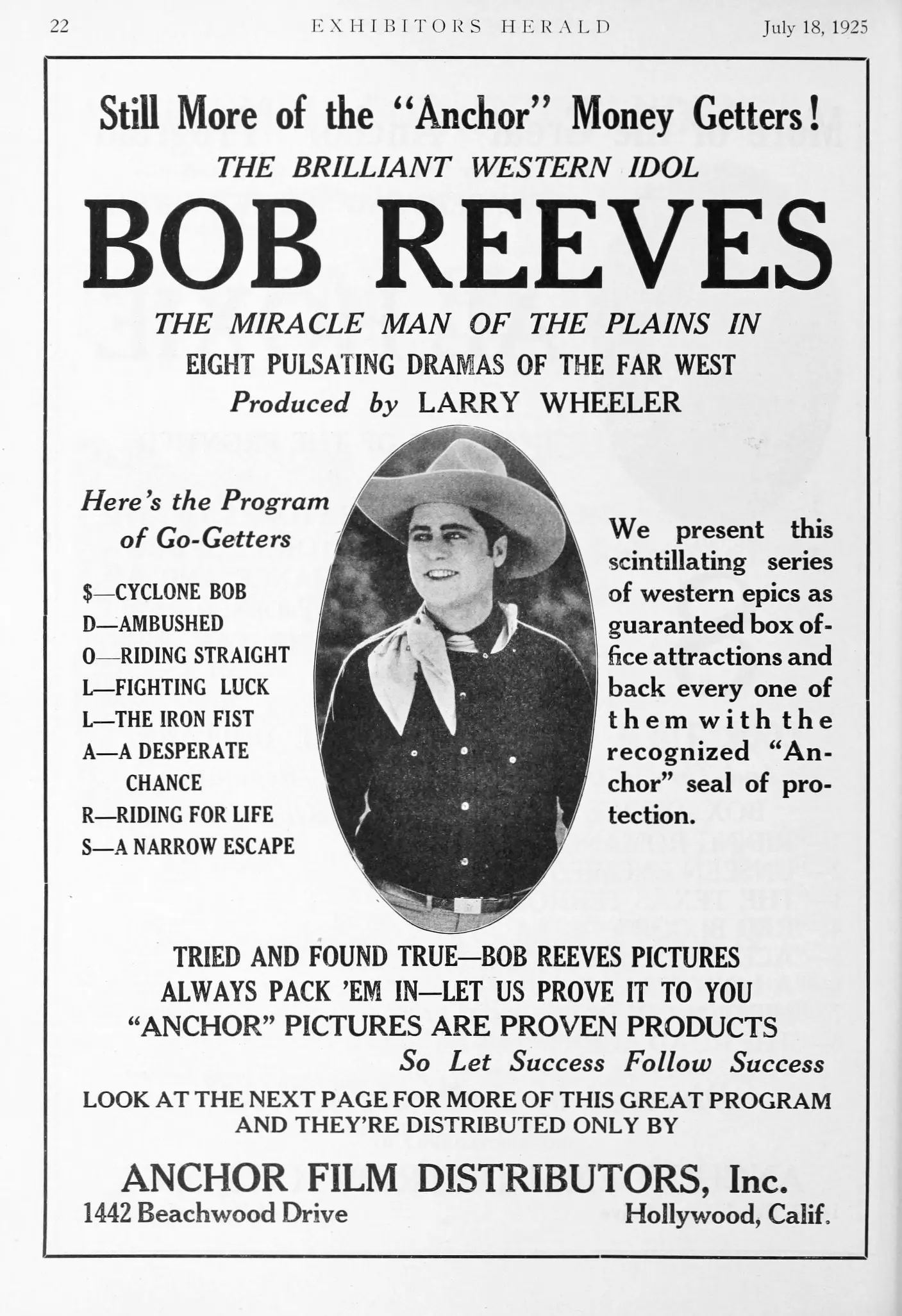
Is Cyclone Bob a forgotten masterpiece or a dusty relic of a bygone era? Short answer: it is a fascinating physical document for genre historians, but likely too primitive for the casual modern viewer.
This film is for the silent cinema completionist and those who appreciate the dangerous, un-doubled stunt work of the 1920s. It is absolutely not for those who require complex character arcs or high-fidelity production values.
Before we dive into the technical weeds, let us establish the baseline for this production. Cyclone Bob exists in a space where the spectacle of the body outweighs the sophistication of the script.
Bob Reeves was never going to be a Shakespearean actor, and Cyclone Bob doesn't ask him to be. His performance is entirely grounded in his shoulders, his gait, and his ability to throw a punch that looks like it actually hurts.
In one specific sequence involving a leap from a moving stagecoach, Reeves displays a level of athleticism that puts modern action stars to shame. There are no wires here. There are no safety mats hidden just out of frame. It is just a man, a horse, and a very hard ground.
This raw physicality is what separates this film from more dramatic contemporaries like The Avalanche. While other films were trying to elevate the medium to high art, Cyclone Bob was content to be a brawler. It’s honest. It’s brutal. It works.
The direction by Leon De La Mothe is functional at best, but it understands the geography of an action scene. He keeps the camera wide, allowing the viewer to appreciate the scale of the landscape and the speed of the horses.
The cinematography lacks the moody lighting found in films like None So Blind, but it makes up for it with sheer clarity. There is a daylight sequence in the rocky canyons that uses natural shadows to create a sense of impending doom that feels surprisingly modern.
However, the pacing is where the film stutters. At times, it feels as though the editor was afraid to cut away from a horse ride, leading to long stretches of travel that add nothing to the tension. It’s a common flaw in early Westerns, but it’s particularly noticeable here.
If you are looking for a deep narrative, look elsewhere. However, if you want to understand the roots of the Western genre, Cyclone Bob is a necessary watch. It represents the 'Poverty Row' style of filmmaking where energy had to replace budget.
The film provides a clear look at how early directors used movement to tell a story. You don't need to read the intertitles to know who the villain is or what Bob's intentions are. The visual language is universal and loud.
When compared to something like Marriage in Transit, Cyclone Bob feels almost prehistoric. It lacks the wit and the social maneuvering of the higher-budget silents. But that is also its greatest strength.
It doesn't pretend to be anything other than a Saturday afternoon thrill. It shares a certain DNA with Paws of the Bear in its reliance on genre tropes, but Reeves is a more compelling physical presence than many of his peers.
"Cyclone Bob is a reminder that before cinema was an art form, it was an attraction. It was about seeing things you couldn't see in your daily life, like a man outrunning a landslide on a stallion."
The stunts are genuinely dangerous and impressive to behold. The location shooting provides a beautiful, albeit harsh, backdrop. Bob Reeves is a natural lead who doesn't overact.
The secondary characters are largely forgettable. The plot is predictable from the first five minutes. The print quality of surviving versions is often quite poor.
One must appreciate the editing in the final fight. While primitive, the use of close-ups on fists and boots creates a rhythmic violence that was ahead of its time. It’s not as sophisticated as the montage theory being developed in Russia, but it’s effective for a B-movie.
The costumes are surprisingly authentic. You can see the sweat and the dirt on the actors, which adds a layer of realism that later, more polished Westerns would lose in favor of clean shirts and shiny spurs.
Cyclone Bob is a punch to the gut of silent cinema. It isn't pretty, and it isn't smart. But it is alive. In an era where many films were becoming stiff and stage-bound, this movie insisted on moving. It’s flawed. It’s simple. But it’s a vital piece of the Western puzzle.
If you can look past the grain and the lack of sound, you’ll find a hero who feels more real than most modern superheroes. Bob Reeves didn't need a cape; he just needed a horse and a reason to fight. That is the enduring legacy of Cyclone Bob.
IMDb 5.7
1931
Community
Log in to comment.