DbcultAccessing Vault...
7.7/10
Senior Film Conservator
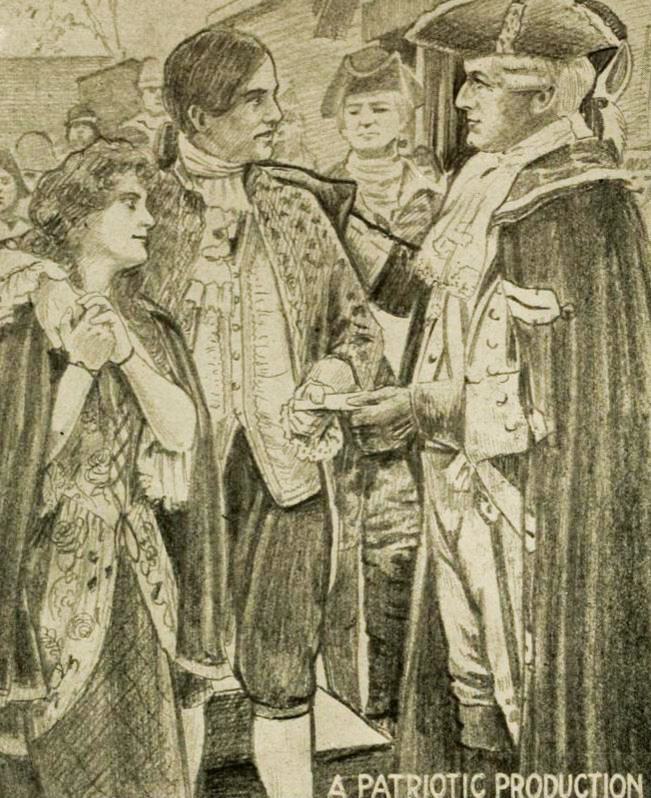
A definitive 7.7/10 rating for a film that redefined the boundaries of cult cinema. The Spy remains a cornerstone of transgressive art.
When the reels of early twentieth‑century cinema spin, they often carry the weight of grand narratives compressed into a few fleeting minutes. The Spy, directed by the visionary Frank Lloyd, defies that compression, delivering a sprawling, almost operatic tale that feels as much at home in the annals of literature as it does in the flickering shadows of a silent screen. The film’s premise—an American agent swapping places with a British officer condemned to death—might appear a straightforward melodrama, yet the execution reveals layers of political subtext, emotional nuance, and a daring visual style that prefigures later cinematic epics.
At its core, The Spy is a study in self‑sacrifice, a theme that reverberates throughout the silent era’s most celebrated works. Harvey Birch (Rawlinson) is not merely a spy; he is a man whose love for Frances Wharton (Ella Hall) transcends national allegiances. This love propels him into the jaws of British justice, a decision that mirrors the duality central to Charles Dickens’s Les Misérables and Oliver Twist. The film’s narrative arc—rising from clandestine intrigue to the stark finality of the gallows—creates a rhythm reminiscent of the literary crescendo in "A Tale of Two Cities," a source it openly acknowledges.
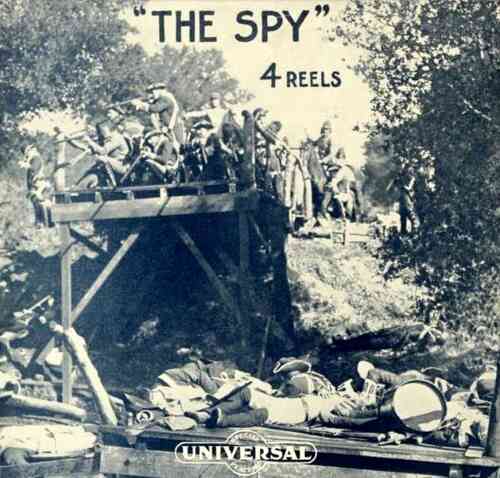
The film’s opening sequences establish a stark visual contrast: bustling colonial streets drenched in sepia tones give way to the claustrophobic gloom of the prison interior. Here, the camera lingers on the iron bars, allowing the audience to feel the oppressive weight of the environment. Birch’s internal conflict is rendered without dialogue; instead, his anguished glances and the subtle tremor of his hands convey a depth of feeling that words could scarcely capture.
Herbert Rawlinson’s portrayal of Birch is a masterclass in silent‑era expressiveness. He balances stoic resolve with moments of palpable vulnerability, especially in scenes where Frances visits the prison yard. Ella Hall, as the ethereal Frances, brings a luminous presence that softens the film’s otherwise grim palette. Her eyes, often highlighted with a soft focus, serve as a visual conduit for the audience’s empathy, turning the personal into the universal.
J.W. Pike’s Henry Wharton, though limited in screen time, provides a crucial foil. His dignified composure in the face of execution underscores the film’s exploration of honor across enemy lines. The supporting cast—including William Worthington’s gravitas‑laden General Washington—adds historical gravitas, grounding the narrative in a recognizable revolutionary epoch.
The visual language of The Spy is distinguished by its deliberate use of chiaroscuro. The interplay of light and shadow not only accentuates the moral ambiguities of espionage but also creates a visual metaphor for the dual lives led by the protagonists. The film’s palette—dominated by deep blacks, muted grays, and occasional splashes of the dark orange #C2410C in set pieces—evokes a sense of foreboding that never fully dissipates.
Frank Lloyd’s direction employs a series of inventive tracking shots that follow Birch through the labyrinthine corridors of the prison, a technique that anticipates the kinetic energy of later noir classics. The climactic execution scene is filmed from a low angle, emphasizing the towering presence of the gallows and the inevitability of fate.
While The Spy stands on its own as a compelling narrative, its thematic concerns resonate with other period pieces. For instance, the moral ambiguity of espionage finds a counterpart in The Black Chancellor, where loyalty is constantly questioned. Likewise, the film’s emphasis on personal sacrifice mirrors the emotional stakes of From the Manger to the Cross, albeit within a secular framework.
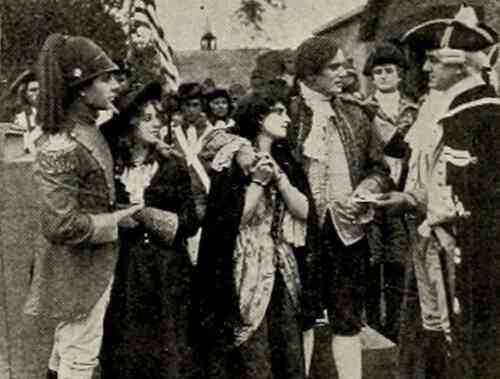
The decision to frame the story through the lens of the American Revolution adds an extra layer of national mythmaking. By positioning General Washington as the ultimate revealer of Birch’s martyrdom, the film reinforces a narrative of American heroism that would become a staple in later patriotic cinema, such as 1812 and The Independence of Romania.
The screenplay, attributed to James Fenimore Cooper and James Dayton, deftly balances exposition with visual storytelling. Intertitles are sparingly used, allowing the actors’ physicality to drive the plot forward. This restraint is a hallmark of effective silent cinema, where the audience is invited to fill in emotional gaps with imagination.
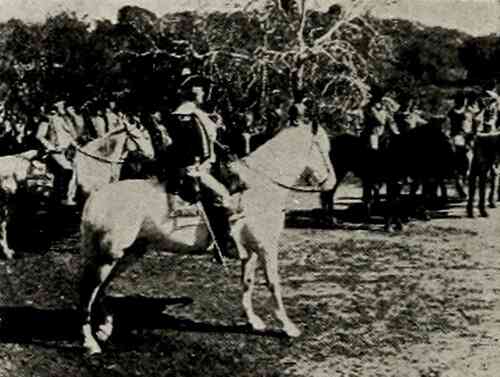
Pacing is deliberate: the early act establishes the stakes, the middle act delves into the psychological torment of imprisonment, and the final act delivers a cathartic resolution. The rhythm mirrors the three‑part structure of classic tragedies, ensuring that each act feels both self‑contained and integral to the whole.
Although The Spy is often eclipsed by more famous contemporaries, its influence can be traced in later spy dramas that explore the personal cost of covert operations. The film anticipates the moral complexity of modern espionage thrillers such as The Queen's Jewel and even the narrative structure of contemporary series like Homeland. Its emphasis on sacrifice for a greater cause resonates with audiences today, reminding us that the price of liberty is often paid by the unseen.
From a preservation standpoint, the surviving prints of The Spy are a testament to early film restoration efforts. The clarity of the surviving frames allows modern viewers to appreciate the nuanced performances and the director’s inventive framing, which would have been lost to time without diligent archival work.
In the grand tapestry of silent cinema, The Spy occupies a unique niche: it is simultaneously a historical dramatization, a love story, and a meditation on the ethics of espionage. Its artistic ambition, combined with a compelling cast and a director unafraid to experiment with visual storytelling, renders it a film worthy of both scholarly attention and casual viewing. For anyone interested in the evolution of the spy genre, or in the ways early filmmakers grappled with themes of identity, loyalty, and sacrifice, The Spy remains an essential, if under‑celebrated, masterpiece.
If you’re curious to explore similar narratives, consider watching Les Misérables for its parallel exploration of redemption, or The Black Chancellor for a darker, more cynical take on loyalty. Each of these works, like The Spy, invites viewers to ponder the cost of heroism in a world where the line between patriot and traitor is perpetually shifting.
IMDb 5.8
1918
Community
Log in to comment.