DbcultAccessing Vault...
Cult Review
Senior Film Conservator
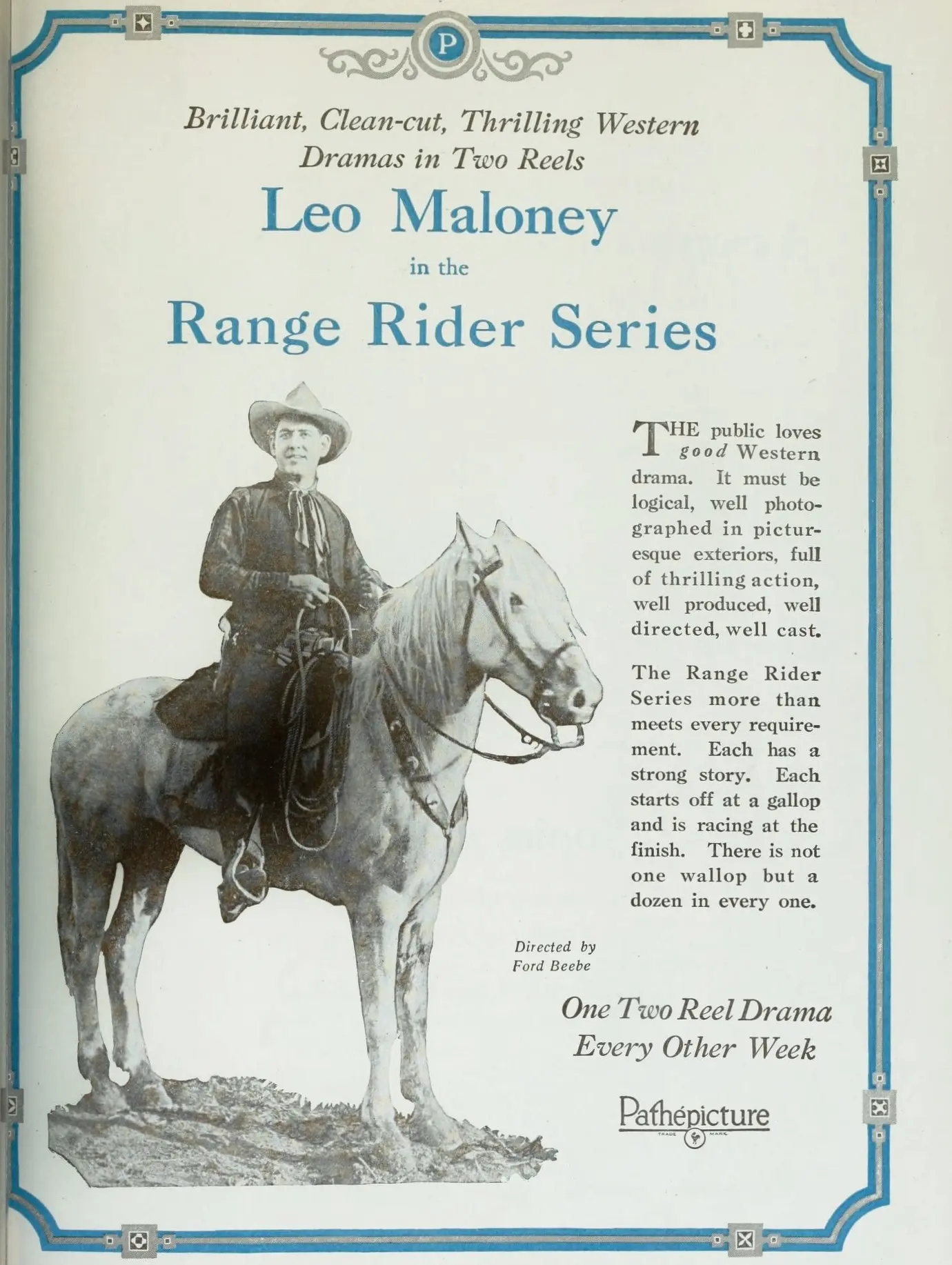
The silent era of cinema, often dismissed by modern audiences as quaint or overly dramatic, frequently delivered narratives of startling intensity and moral complexity. Among these, The Extra Seven emerges not merely as a relic of a bygone age, but as a vibrant testament to the power of visual storytelling, a taut Western thriller that plunges headlong into themes of deception, honor, and the perilous pursuit of frontier justice. Directed by and starring Leo D. Maloney, this film, though perhaps overshadowed by more widely distributed contemporaries, offers a compelling glimpse into the raw, unvarnished struggles that defined the genre's early years.
At its core, The Extra Seven is a study in escalating conflict, meticulously built from a single, audacious act of fraud. The narrative unfurls within the rugged confines of the Double D Ranch, a setting that immediately grounds the story in the harsh realities of the American West. Here, we are introduced to Leo, a man of evident integrity and deep affection, whose suit for Polly’s hand is complicated by her brother’s debilitating gambling habit. It is this familial bond, this concern for a prospective brother-in-law, that draws Leo into the orbit of a fateful poker game. From the vantage point of a bunk, a seemingly innocuous detail, Leo becomes an unwitting witness to a blatant act of perfidy. The notorious card shark, portrayed with chilling efficacy by Bud Osborne, executes a maneuver that defines the film's very title: the illicit drawing of an extra card from a pistol pouch. Not just any card, but a seventh, completing a 'straight flush' in a manner so brazenly dishonest it leaves two sevens of the same suit in his hand. This singular moment, the 'extra seven,' is the narrative's fulcrum, tipping the scales from a mere game of chance to a deadly confrontation.
The immediate aftermath is a maelstrom of accusations and physical violence, a visceral clash over the ill-gotten chips. The film’s pacing, even within the confines of silent cinema, conveys a sense of breathless urgency. Just as the chaos reaches its peak, Polly, the spirited daughter of the ranch owner, makes her dramatic entrance. Her arrival, however, is not one of salvation but of tragic misjudgment. Witnessing the melee, and misinterpreting Leo’s involvement as an endorsement of her brother’s vice, she levels a devastating accusation against him. This emotional betrayal, born of misunderstanding, adds a profound layer of personal anguish to the unfolding drama, setting the stage for a tragic sequence of events. The second fight, spurred by the raw emotions and heightened stakes, culminates in the apparent death of Polly’s brother. This pivotal moment propels the story into darker territory, as the venal card shark and his accomplices seize the opportunity to frame Leo, weaving a web of deceit designed to shift the blame onto the innocent puncher.
The characters in The Extra Seven, though archetypal, are imbued with enough conviction to carry the weight of the film's intense plot. Leo D. Maloney, who not only stars but also co-wrote the screenplay, crafts a protagonist who embodies the stoic, honorable frontiersman. His quiet vigilance at the poker table, his genuine concern for Polly’s brother, and his subsequent struggle against a wrongful accusation paint a portrait of a man driven by an innate sense of justice. He is the classic wronged hero, a figure common in Westerns, yet Maloney’s portrayal resonates with an earnestness that transcends mere genre convention.
Pauline Curley's Polly is arguably the film's most dynamic character. Initially blinded by emotion and misunderstanding, her journey from accuser to investigator is central to the film's resolution. Her initial misjudgment of Leo is a powerful dramatic device, highlighting the ease with which appearances can deceive and the devastating consequences of hasty conclusions. However, Polly quickly sheds this initial naiveté, transforming into a resourceful and quick-thinking heroine. Her rapid intellectual awakening and her determination to uncover the truth are not just plot devices; they elevate her beyond a simple damsel in distress, positioning her as an active agent of justice. This portrayal of a strong, independent female character, capable of navigating and influencing the harsh realities of the frontier, aligns with a nascent trend in early cinema to showcase women not just as objects of affection but as pivotal figures in their own right. For instance, while not a direct comparison in plot, films like The Way of a Maid or A Daughter of the Old South often explored the agency of women within their respective social contexts, hinting at the evolving roles women played both on and off screen.
Bud Osborne, as the card shark, delivers a performance that perfectly encapsulates silent film villainy. His physical demeanor, his cunning gaze, and the very act of drawing the illicit card from his pistol pouch establish him as a truly despicable antagonist. He is not merely a cheater; he is a betrayer of trust, a murderer, and a manipulator of circumstance. His portrayal provides a clear moral compass for the audience, ensuring that the stakes of Leo’s predicament are always acutely felt. The moral dichotomy between Leo's integrity and Osborne's deceit forms the backbone of the film's thematic exploration of good versus evil.
One of the most remarkable aspects of The Extra Seven is its ability to convey 'rapid and interesting action' without the benefit of spoken dialogue. The film relies heavily on visual cues, expressive performances, and dynamic editing to maintain its breathless pace. The description of 'hard riding by all' suggests a significant emphasis on chase sequences and equestrian stunts, a staple of the Western genre that silent films often excelled at. These sequences, filmed against the expansive backdrop of the American West, would have captivated audiences of the era, offering thrilling spectacle that transcended linguistic barriers. The physical prowess of the actors, particularly in the fight scenes, would have been paramount, lending a raw authenticity to the on-screen struggles.
The use of intertitles, while necessary for plot exposition, is likely judicious, allowing the visual narrative to dominate. A truly effective silent film uses its intertitles sparingly, letting the actors' expressions, body language, and the mise-en-scène tell the story. The 'quick thinking on the part of Polly' is not just intellectual; it's visually communicated through her actions, her reactions, and the swiftness with which she moves to gather evidence and intervene. This emphasis on visual storytelling is a hallmark of the silent era, where every gesture, every camera angle, and every cut carried amplified meaning. Compared to contemporary action films like Hitting the Trail, which also relied on dynamic outdoor sequences, The Extra Seven likely aimed for a similar kinetic energy, essential for engaging audiences without sound.
The plot description hints at a relentless pursuit, a desperate race against time to prevent a grave injustice. The threat of a proposed lynching introduces a stark, brutal reality of frontier life – the often-hasty and violent nature of mob rule, where evidence can be secondary to passion and prejudice. This element elevates the stakes considerably, transforming Leo’s personal struggle into a fight for survival against a corrupt system and an angry populace. Polly’s realization of the truth, and her subsequent efforts to intervene, become the driving force of the latter half of the film. Her ability to identify the guilty ones 'by most convincing evidence' speaks to a narrative that, despite its melodramatic elements, values logical deduction and factual proof. This aspect lends a procedural quality to the Western, albeit one filtered through the lens of early cinema.
The tension surrounding the impending lynching would have been palpable, a powerful dramatic device used to underscore the savagery that could erupt in communities where formal law enforcement was nascent or easily subverted. Films like The Plunderer or even Boston Blackie's Little Pal, while not necessarily Westerns, often explored themes of wrongful accusation and the fight against powerful, corrupt forces, providing a contextual understanding of how audiences would have responded to such grave threats to justice. The emotional weight of such a scenario, where an innocent man’s life hangs by a thread, is a timeless dramatic hook, expertly deployed here.
While The Extra Seven may not hold the same iconic status as some of its silent Western counterparts, its detailed plot and robust character arcs suggest a film of considerable merit. It embodies many of the enduring qualities that made the silent Western such a beloved genre: clear moral lines, thrilling action, and a celebration of individual courage in the face of overwhelming odds. The film's compact yet expansive narrative, moving from a single act of cheating to a full-blown murder conspiracy and a race to prevent a lynching, showcases the ingenuity of early screenwriters like Leo D. Maloney and Ford Beebe.
The film’s focus on the 'extra seven' as the symbolic root of all evil – a small, seemingly insignificant act of deception that metastasizes into murder and injustice – offers a potent commentary on the ripple effects of moral compromise. It serves as a stark reminder that even the smallest deviation from honesty can lead to catastrophic consequences. This moralistic undertone was a common thread in many films of the era, reflecting societal values and concerns. For instance, the dangers of vice and moral decay were also themes explored in films like The Sawdust Trail, albeit potentially in different settings. The raw, visceral portrayal of gambling's perils and its potential to ignite a chain of tragic events is particularly effective here.
In retrospect, The Extra Seven stands as a valuable artifact, a testament to the foundational elements of cinematic storytelling that continue to resonate today. It captures the essence of frontier life – its dangers, its moral ambiguities, and its enduring spirit of resilience. For enthusiasts of silent cinema and Westerns alike, it offers a compelling blend of suspense, action, and heartfelt drama, proving that even without a single spoken word, a story can speak volumes.
The ultimate triumph of justice, orchestrated by Polly's acumen and courage, provides a satisfying resolution, reinforcing the timeless message that truth, however obscured, will ultimately prevail. This narrative arc, from deception to revelation, from wrongful accusation to vindication, makes The Extra Seven a potent reminder of the enduring power of classic cinema to captivate and provoke thought.
IMDb 7.1
1932
Community
Log in to comment.