DbcultAccessing Vault...
Cult Review
Senior Film Conservator
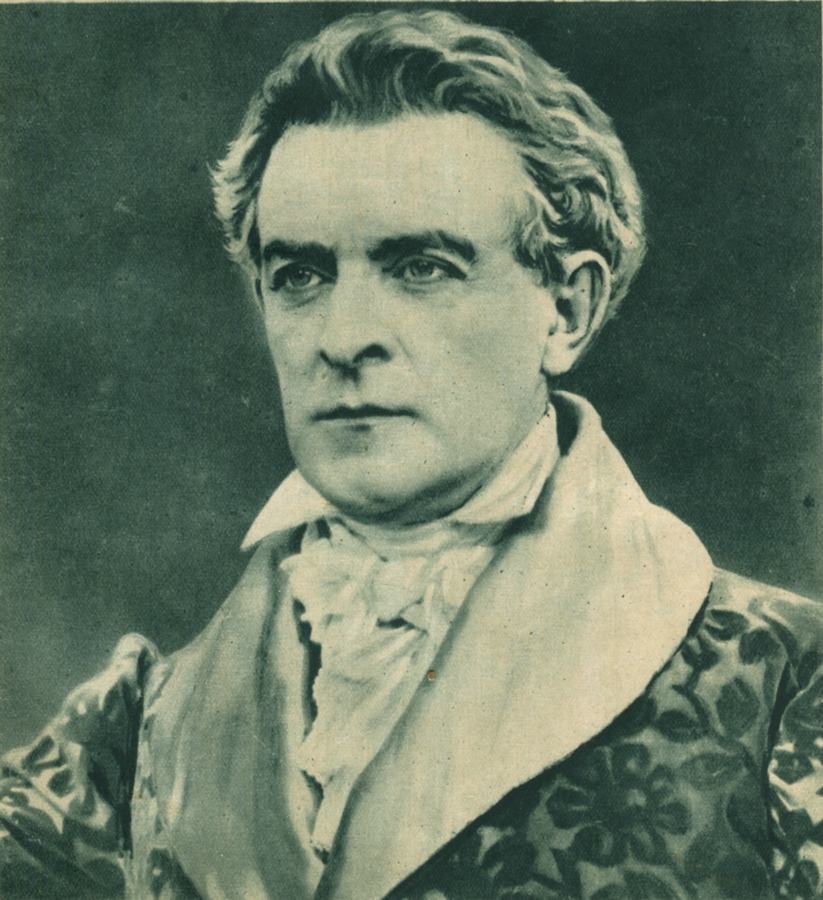
Stepping into the world of Ferragus is akin to entering a meticulously crafted, velvet-draped cage, where the gilded bars of Parisian society barely conceal the brutal, unforgiving realities of its underbelly. This adaptation of Honoré de Balzac's foundational work from Histoire des Treize is not merely a film; it is a profound journey into the human psyche, a study in the corrosive power of secrets, and a testament to the inescapable tendrils of fate. From its opening frames, the picture establishes an atmospheric tension so palpable you could almost taste the damp cobblestones and the whispered conspiracies of the French capital. The artistic vision here transcends mere storytelling, evolving into a philosophical discourse on identity, class, and the intricate dance between love and obsession.
The narrative, deftly penned by Balzac and adapted for the screen by Arthur Bernède, pivots around the unsuspecting Auguste de Maulincour, portrayed with a compelling blend of youthful idealism and burgeoning paranoia by Léon Lorin. His world, seemingly perfect with his beautiful and devoted wife, Clémence (a hauntingly fragile Elmire Vautier), begins to unravel with her inexplicable and secretive nocturnal absences. It’s a classic setup, yet the film elevates it beyond simple marital discord, transforming it into a grand, almost operatic tragedy. Maulincour’s initial jealousy swiftly mutates into a relentless, all-consuming obsession to uncover the truth behind Clémence’s furtive excursions. This isn't just about a husband's suspicion; it's about the erosion of trust, the shattering of an illusion, and the desperate human need for certainty, even when that certainty promises only pain.
At the heart of this unfolding drama lies the titular character, Ferragus XXII, brought to life with formidable gravitas by Tony Lekain. Lekain imbues Ferragus with a captivating duality: a ruthless, cunning leader of 'The Thirteen'—a clandestine society operating with impunity across Paris—yet simultaneously a man driven by an almost desperate, tender love for his daughter, Clémence. The revelation that Clémence's secret rendezvous are not with a lover, but with her father, is a masterstroke of narrative irony, twisting the knife of Maulincour’s torment. Ferragus, a man scarred by a past as a convict, dedicates his present to shielding Clémence from the societal condemnation his existence would bring upon her. This paternal devotion, however, becomes a double-edged sword, his protective actions inadvertently sealing the tragic fate of those he holds dear.
The portrayal of 'The Thirteen' is particularly noteworthy. Far from a mere criminal gang, they are depicted as a shadowy, almost mythical entity, a force that operates beyond the reach of conventional law and morality. Their power, their network, and their absolute loyalty to Ferragus are subtly yet effectively conveyed, lending an air of omnipresent menace to the Parisian backdrop. This secret society isn't just a plot device; it's a commentary on the hidden structures of power and influence that Balzac so often exposed in his work. The film manages to capture this intricate web, making the unseen forces feel as tangible and threatening as the characters themselves. The tension between the visible, respectable world of the Parisian elite and the invisible, dangerous realm of 'The Thirteen' is a constant, simmering undercurrent that keeps the viewer on edge.
The ensemble cast is nothing short of brilliant, each actor contributing a vital thread to the rich tapestry. Tony Lekain’s Ferragus is a magnetic force, a man whose every gesture, every guarded glance, speaks volumes of a life lived on the fringes, yet tethered by an unwavering love. His performance anchors the film, providing a nuanced portrayal of a character who defies easy categorization. Elmire Vautier, as Clémence, is heartbreakingly vulnerable, embodying the tragic figure caught between two impossible loyalties. Her quiet suffering, her desperate attempts to maintain her secret, and her eventual descent into grief are rendered with exquisite sensitivity. One might draw parallels to the silent, poignant strength seen in characters from films like The Red Woman, where female protagonists grapple with overwhelming societal pressures and personal dilemmas.
Léon Lorin, as Auguste de Maulincour, perfectly captures the descent into paranoia and obsession. His transformation from a trusting husband to a man consumed by suspicion is utterly convincing, making his eventual tragic end all the more poignant. The supporting cast, too, shines. Racine and Michel, though perhaps in less prominent roles, contribute significantly to the film’s atmosphere, their presence adding layers to the intricate Parisian milieu. Stewart Rome, with his characteristic gravitas, brings a certain weight to his character, whatever his role, suggesting a man of experience and perhaps a silent observer to the unfolding drama. René Navarre, known for his work in the Vampires series, likely brings a theatrical intensity that would have been well-suited to the high stakes of Balzac’s world. Lucien Dalsace and Maurice Poitel round out the cast, ensuring that even minor characters feel fully fleshed out and integral to the overarching narrative, enriching the film's texture with their distinct contributions.
The direction of Ferragus is a masterclass in visual storytelling, particularly impressive given the era of its production. The cinematography is evocative, using deep shadows and stark contrasts to reflect the moral ambiguities of the plot. The Parisian streets themselves become characters, their narrow, winding paths mirroring the convoluted journey of the protagonist’s investigation. The opulent salons and the squalid back-alleys are depicted with equal attention to detail, creating a vivid, immersive world. The use of close-ups to capture the characters’ internal turmoil is particularly effective, allowing the audience to feel the weight of their unspoken anxieties and desperate hopes. This keen eye for detail and atmospheric immersion is a hallmark of truly great cinema, a quality that can also be appreciated in the meticulous period reconstructions of films like Votsareniye doma Romanovykh, albeit in a different historical context.
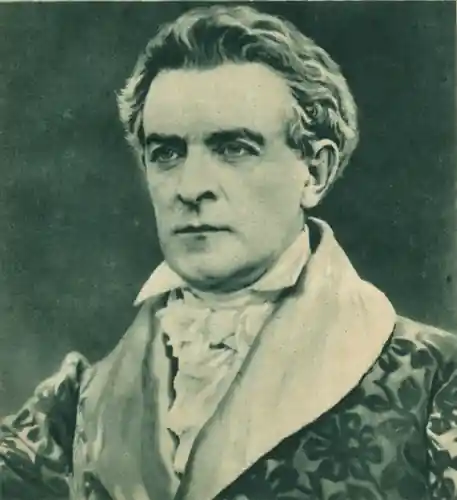
The pacing is deliberate, allowing the psychological tension to build organically, rather than relying on cheap thrills. Each scene is carefully constructed, serving to advance the plot while simultaneously deepening our understanding of the characters’ motivations and the complex web of relationships. There’s a quiet intensity that permeates the entire film, a sense of impending doom that is masterfully sustained. This sustained tension, without resorting to overt sensationalism, is a testament to the director's skill in harnessing the inherent drama of Balzac's source material. The subtle gestures, the lingering gazes, the unspoken words—all contribute to a rich tapestry of emotional depth that pulls the viewer into the characters' tragic orbit. It’s a delicate balance that few films achieve, but Ferragus navigates it with remarkable grace.
At its core, Ferragus is a profound exploration of obsession. Maulincour's relentless pursuit of the truth, initially understandable, spirals into a destructive fixation that ultimately consumes him. This theme resonates deeply, reminding us of the perils of unchecked curiosity and the fine line between justice and vengeance. The film also delves into the inexorable nature of fate, suggesting that some destinies, once set in motion, are impossible to alter. Despite Ferragus’s desperate attempts to protect his daughter, his past inevitably catches up, dragging everyone into its destructive wake. This fatalistic undertone is a recurring motif in classic literature and cinema, often seen in narratives where characters are pitted against forces greater than themselves, much like the intricate moral dilemmas presented in The Stolen Triumph, where personal desires clash with broader societal expectations.
Furthermore, the film offers a scathing critique of societal hypocrisy. The respectable façade of Parisian society is juxtaposed with the dark secrets and criminal underworld lurking beneath. The very foundations of honor and reputation, so prized by the bourgeois class, are shown to be fragile and easily shattered by the revelation of an inconvenient truth. Ferragus, despite his criminal past, is arguably the most honorable character in his unwavering devotion to his daughter, highlighting the moral relativism that permeates the narrative. This thematic depth elevates Ferragus beyond a simple crime drama, transforming it into a timeless piece of social commentary. The stark contrast between outward appearances and inner turmoil is a potent message, one that remains relevant even today. The film’s ability to provoke thought on these complex issues is a testament to its enduring power and artistic merit.
The tragic climax of Ferragus is both inevitable and devastating. Maulincour’s death, a consequence of his relentless pursuit and Ferragus’s desperate counter-measures, is quickly followed by Clémence’s demise, wasted away by grief and the unbearable weight of her divided loyalties. Ferragus is left to mourn the destruction of his family, a bitter irony given his efforts to protect them. This concluding sorrow leaves a lasting impression, underscoring the film’s powerful message about the futility of fighting against an unyielding past and the devastating consequences of secrets. The film’s emotional impact is profound, lingering long after the credits roll, compelling viewers to reflect on the choices made and the paths taken by its characters. One might find a similar sense of poignant closure in other dramatic works of the era, such as Der Tänzer, which also explores the fragility of human happiness and the often-unforeseen consequences of personal ambition.
In an era brimming with cinematic experimentation, Ferragus stands as a monumental achievement, a testament to the enduring power of classic storytelling when brought to life with visionary direction and compelling performances. It avoids the often-simplistic moralizing of some contemporaries, instead presenting a nuanced world where good and evil are not always clearly defined. The film doesn't offer easy answers; rather, it invites contemplation on the complexities of human nature and the societal forces that shape our destinies. It's a film that demands attention, rewards reflection, and ultimately, leaves an indelible mark on the viewer's consciousness. Its exploration of crime and societal secrets could be seen as a precursor to later, more overt thrillers like The No-Good Guy, though Ferragus retains a distinctly literary, psychological depth that sets it apart.
The lasting resonance of Ferragus lies not just in its intricate plot, but in its profound emotional depth and its unflinching portrayal of human frailty and resilience. It is a work that transcends its time, offering insights into universal themes that continue to captivate audiences. For anyone seeking a cinematic experience that is both intellectually stimulating and deeply moving, Ferragus is an absolute must-see, a masterwork that deserves its place among the pantheon of cinematic adaptations of literary giants. Its intricate plotting and exploration of hidden lives might also appeal to those who appreciate the subtle machinations found in films like Der Geheimsekretär, where secrets drive the core narrative.
Ultimately, the film is a powerful reminder of how the past, no matter how deeply buried, has an uncanny way of resurfacing, often with devastating consequences. It's a tragedy of Shakespearean proportions, played out against the backdrop of a vibrant, yet morally ambiguous, Paris. The meticulous craft, the compelling performances, and the timeless narrative combine to create a film that is both a historical artifact and a work of enduring artistic merit. Its exploration of illicit relationships and societal scandal, while unique to Balzac's vision, finds echoes in the dramatic tension of films such as Ladies Must Dance or even the more lighthearted yet equally complex social commentaries like Baronin Kammerjungfer, all of which, in their own ways, dissect the intricate dance of human interaction within societal constraints. Ferragus is more than just a story; it is an experience, a journey into the heart of darkness and the enduring power of love, however flawed, in a world determined to judge.

IMDb 7.8
1932
Community
Log in to comment.