DbcultAccessing Vault...
6/10
Senior Film Conservator
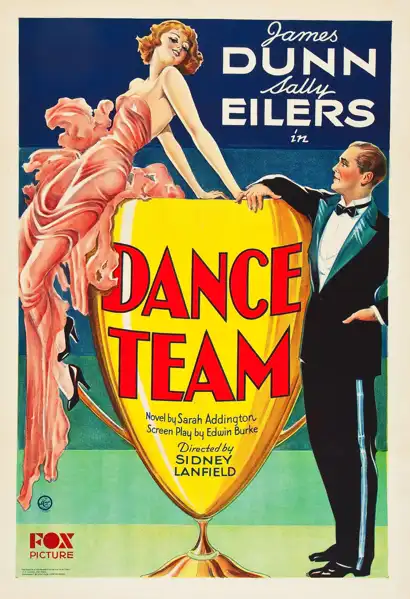
A definitive 6/10 rating for a film that redefined the boundaries of cult cinema. Dance Team remains a cornerstone of transgressive art.
Alright, so we dug up Dance Team from 1932. If you’re really into pre-Code Hollywood and the way films were put together back then, it’s absolutely worth a look. You know, for a historical curiosity. But if you’re looking for snappy dialogue or mind-blowing choreography, you’ll probably find yourself hitting pause pretty quick. Folks who love seeing actors work out the kinks of early talkies will dig it; everyone else might just wonder what all the fuss was about. 🕰️
The premise is pretty standard for the era: a bunch of dancers, trying to make it big. You’ve got Sally Eilers and James Dunn in the leads, giving it their all. Or, well, giving *something* their all. There’s a scene where Eilers’ character, Sally, is practicing in a cramped studio. The camera just kinda sits there, watching her do these fairly simple steps, and it feels like it goes on forever. Like, really forever. You start to wonder if they just ran out of ideas for that shot. 🤔
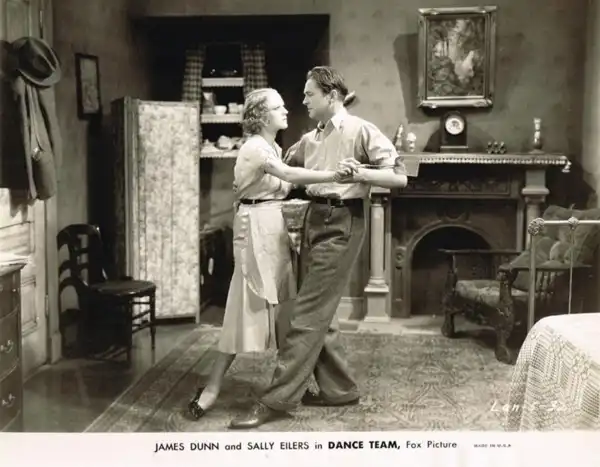
One thing that really sticks out is the sound. Oh boy, the sound. Sometimes the dialogue is crisp, other times it sounds like everyone’s talking through a tin can at the bottom of a well. There’s a particularly loud crackle during a dramatic argument between Sally and Edward Crandall’s character. It’s almost a character in itself. I actually rewound to make sure it wasn't my speakers. It was not my speakers. 😂
The dance numbers themselves are… interesting. There’s one big routine near the end, and it’s clearly meant to be a showstopper. But compared to what Fred Astaire and Ginger Rogers were doing just a few years later, it’s quite stiff. The dancers move like they’re being pulled by invisible strings, almost robotic. And the camera angles? They mostly just sit there. No fancy swoops or anything. Just watching from a distance. You can feel the limitations of the technology, for sure.
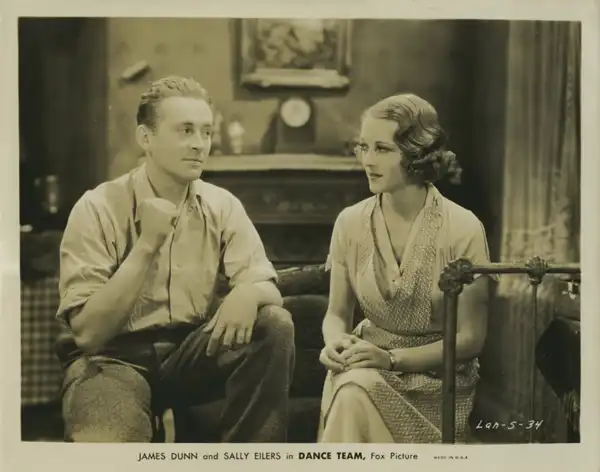
Edward Crandall’s character, the smooth-talking manager type, has this one line about 'the public wants glamour, not grit.' He says it with such conviction, but then the movie shows you *exactly* how much grit is involved. The contrast is almost funny. It’s like the movie is saying one thing, but then kinda shrugging and showing you the reality anyway.
Rosina Lawrence, as the rival dancer, has some moments. She doesn’t get a ton of screen time, but when she does, she really chews the scenery. There’s a moment she glares at Sally from across a crowded room. It’s a very specific, almost over-the-top glare. You just know she’s up to no good. 😈
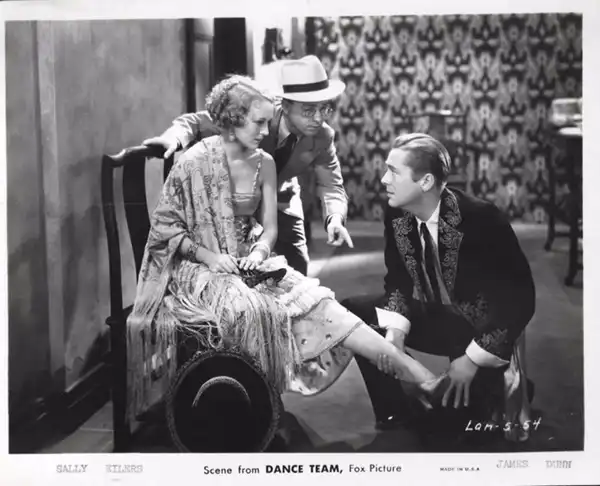
Honestly, the movie gets a bit bogged down in its own drama sometimes. The romantic misunderstandings, especially between Sally and James Dunn’s character, feel a bit forced. You can almost feel the script trying to push them together, even when their characters don’t quite click. It’s like they were told 'okay, now look sad' and they just… did. Without much build-up.
Overall, Dance Team is a strange little time capsule. It’s not gonna be on anyone’s 'greatest films ever' list, but it’s a fascinating glimpse into a specific moment in cinema history. If you're someone who loves to dissect the early days of talkies, or just wants to see what passes for drama in 1932, then maybe give it a spin. Otherwise, you’re not missing much. 🤷♀️
IMDb —
1921
Community
Log in to comment.