DbcultAccessing Vault...
7/10
Senior Film Conservator
A definitive 7/10 rating for a film that redefined the boundaries of cult cinema. Flanders under Philip II remains a cornerstone of transgressive art.
In the realm of cinematic storytelling, few narratives have captured the essence of love and rebellion as poignantly as Flanders under Philip II. This film, crafted with meticulous attention to historical detail and emotional depth, transports viewers to the tumultuous landscape of 16th-century Flanders, where the intricate dance between loyalty, duty, and passion unfolds.
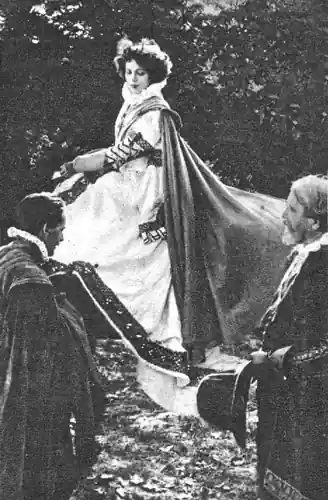
At the heart of this tale is Concepcion de la Playa Setta, an Andalusian noblewoman whose life becomes inextricably linked with that of the Duke Philippe de Hornes, a Brussels gentleman who has dedicated himself to the cause of rebellion against the Spanish occupiers. Their love, forbidden and fraught with danger, blossoms in the shadows of uprising and resistance, testing the mettle of their devotion to each other and to their respective causes.

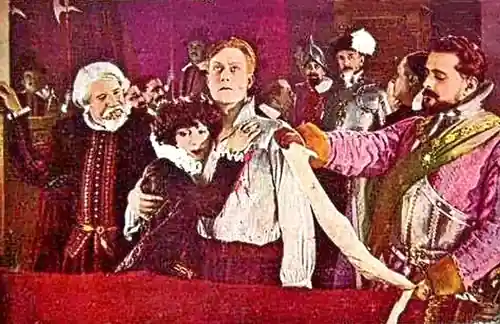
As de Hornes becomes embroiled in an uprising against the troops of Philip II, the narrative hurtles towards a climax of suspense and drama. Concepcion, with a courage that belies her noble upbringing, harbors her wounded lover, risking everything to protect him from the reach of the authorities. Her subsequent defense of de Hornes at his trial, where the Duke of Alba seeks his condemnation, is a testament to the transformative power of love and loyalty.
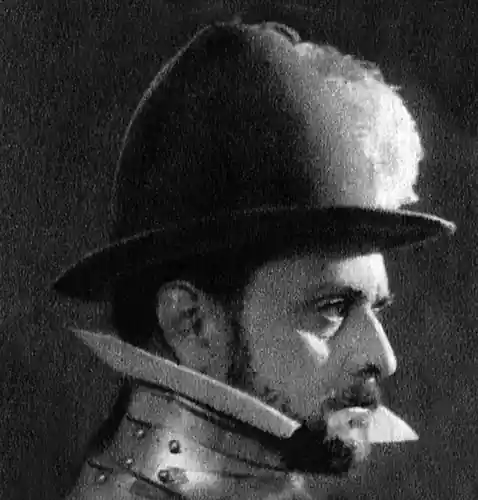
The film's historical backdrop, meticulously recreated with attention to the nuances of the era, provides a rich tapestry against which the personal dramas of its characters are played out. The machinations of the Duke of Alba, the steadfast resolve of Concepcion, and the ultimate intervention of the new governor, who spares de Hornes from the hangman's noose, are all woven into a narrative that is at once a compelling romance and a gripping historical drama.
In comparison to other films of the era, such as The Temple of Dusk and Peggy, Behave!, Flanders under Philip II stands out for its nuanced exploration of the human experience under duress. Like Little Pal and Daughter of Maryland, it delves into the complexities of relationships and the power of personal conviction, but it does so with a depth and historical specificity that sets it apart.
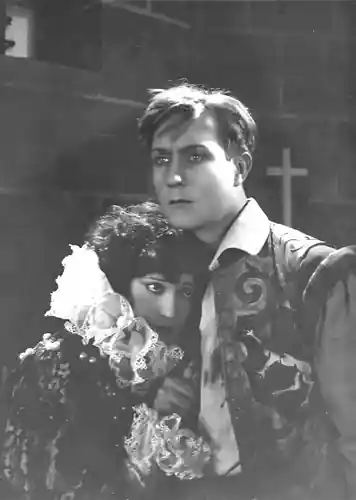
The cinematography, bathed in the dark orange hues of sunset and the yellow glow of candlelight, evokes a sense of warmth and intimacy, even as the characters navigate the treacherous sea blue waters of political intrigue and rebellion. This visual palette, coupled with the masterful storytelling, immerses the viewer in a world of passion, duty, and the unyielding pursuit of freedom.
In the end, Flanders under Philip II emerges as a powerful exploration of the human spirit, one that resonates deeply with audiences. Like The Hunchback of Notre Dame and 'Neath Austral Skies, it reminds us of the enduring power of love and loyalty in the face of adversity, and the unquenchable thirst for freedom that defines us as human beings.
With its rich historical context, compelling characters, and poignant love story, Flanders under Philip II is a film that will linger in the viewer's mind long after the credits roll. It is a testament to the enduring power of cinema to capture the essence of the human experience, and to inspire us with stories of courage, conviction, and the unwavering pursuit of happiness.
For those who appreciate the Pinto-esque simplicity of a well-told story, the The Woman Who Dared-like courage of its characters, or the La piccola fonte-inspired beauty of its cinematography, Flanders under Philip II is a must-see. It is a film that, like Nobody Home and The Maelstrom, will leave you pondering the complexities of the human heart, and the indomitable will to love and be loved in return.
Ultimately, Flanders under Philip II stands as a powerful reminder of cinema's capacity to inspire, to educate, and to captivate. Whether you are a fan of Who Chose Your Wife, Three Jumps Ahead, or Your Friend and Mine, this film will resonate with you on a profound level, inviting you to reflect on the enduring themes of love, rebellion, and the unbreakable bonds that unite us all.
As the curtains close on Flanders under Philip II, one cannot help but feel a sense of awe at the cinematic achievement that has unfolded. It is a film that, much like The Dresden Doll, will be remembered for its masterful storytelling, its memorable characters, and its poignant exploration of the human experience. And as we leave the world of 16th-century Flanders behind, we are reminded, once again, of the transformative power of love, loyalty, and the indomitable human spirit.
IMDb —
1917
Community
Log in to comment.