DbcultAccessing Vault...
Cult Review
Senior Film Conservator
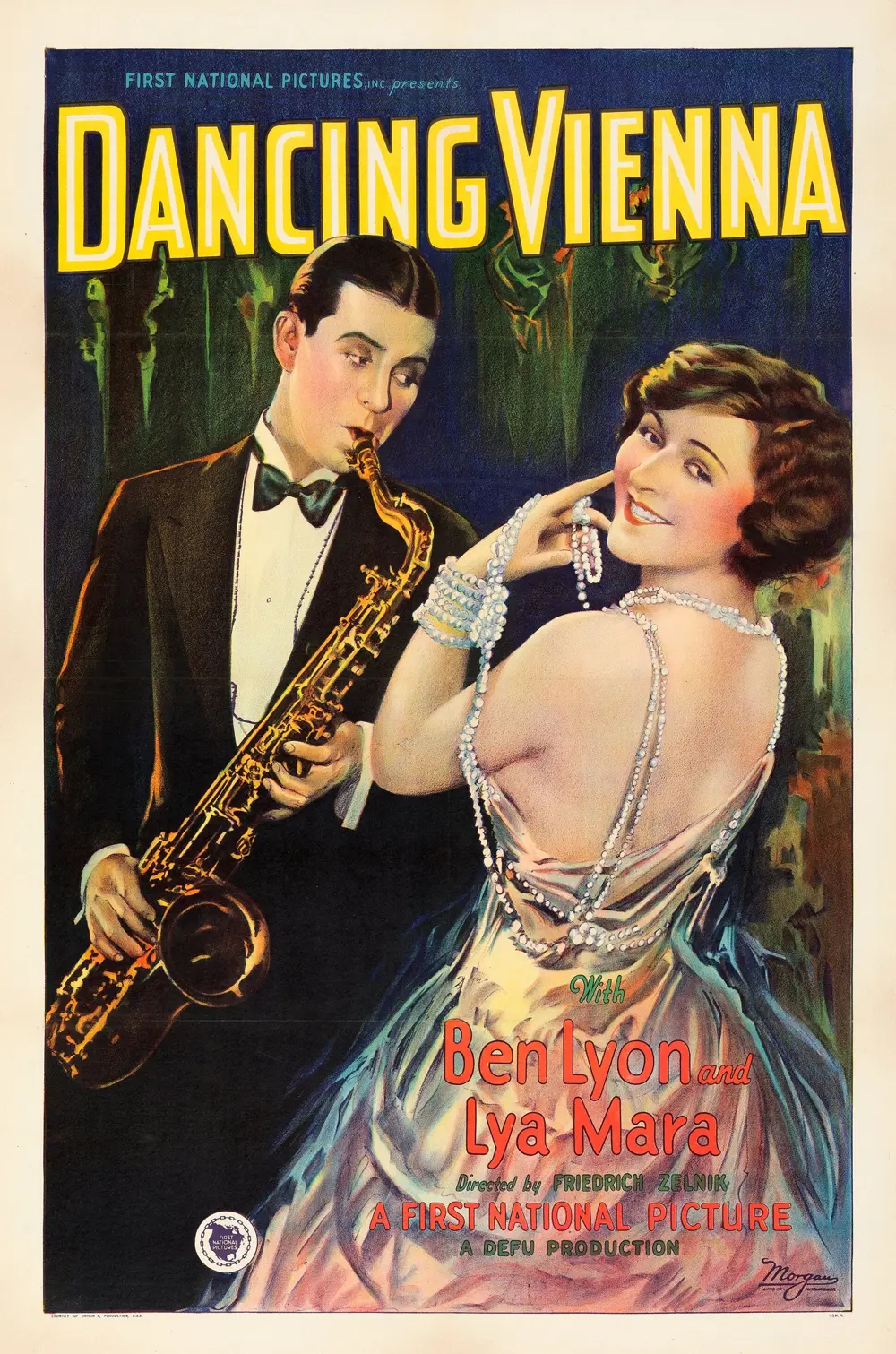
Is Dancing Vienna worth watching today? Short answer: yes, but with significant reservations that hinge entirely on your cinematic palate. This silent-era romance, steeped in the cultural anxieties of Weimar Germany, offers a fascinating glimpse into a bygone cinematic style, yet its narrative simplicity can test the patience of modern viewers.
This film is best suited for dedicated silent film enthusiasts, film historians, and those with a genuine curiosity for early 20th-century European cinema. It is emphatically not for audiences seeking fast-paced action, complex character arcs, or the immediate gratification of contemporary storytelling.
At its heart, Dancing Vienna is a surprisingly potent exploration of social class, prejudice, and the often-unspoken power dynamics inherent in romantic relationships of its time. The central conflict—a cabaret singer's love for a young American boy clashing with his disapproving father—is archetypal, yet the silent medium lends it a unique, often melodramatic, intensity.
The film’s strength lies in its commitment to this singular dramatic question: can love truly conquer all when societal expectations and parental authority stand as formidable barriers? It's a testament to the era's storytelling that such a straightforward premise could sustain a feature-length production, relying heavily on visual cues and the expressive power of its performers.
The narrative, penned by Fanny Carlsen and Willy Haas, navigates the delicate balance between genuine affection and the harsh realities of social judgment. There’s an underlying tension that suggests the stakes are higher than mere romantic happiness; they touch upon the singer's very dignity and right to self-determination in a society quick to label and dismiss.
For those considering a dive into this historical piece, here’s a quick breakdown:
This film works because of its unflinching portrayal of societal prejudice, its reliance on the nuanced physicality of silent-era acting, and its evocative recreation of Weimar Germany's aesthetic.
This film fails because its pacing can feel glacial to modern sensibilities, its characters occasionally verge on archetypes rather than fully fleshed individuals, and the resolution feels somewhat predetermined by genre conventions.
You should watch it if you appreciate historical context, the art of silent film, and stories that foreground social commentary within a romantic framework.
In a silent film, the actors are everything. Their ability to convey complex emotions and propel the narrative forward without a single spoken word is the true measure of their craft. Lya Mara, as the cabaret singer, delivers a performance that oscillates between vulnerable longing and defiant strength. Her expressive eyes and precise gestures are the primary conduits for her character's internal turmoil, particularly in scenes where she directly confronts the father's disapproval.
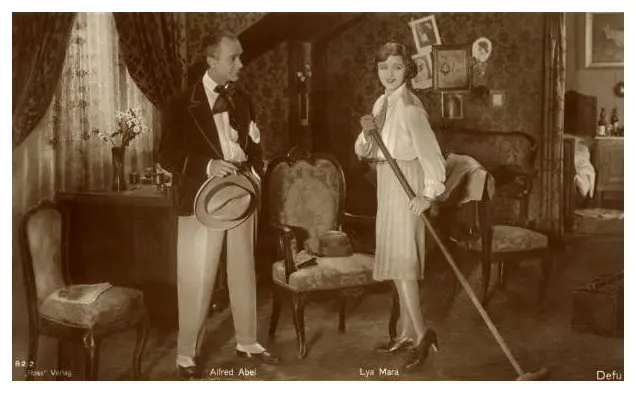
Consider, for instance, a moment where her character might be forced to sing for a skeptical audience that includes the father. Mara would likely use a subtle tremor in her hands or a fleeting glance of pain across her face to communicate her humiliation, immediately followed by a proud lift of her chin to assert her resilience. This kind of physical storytelling is paramount.
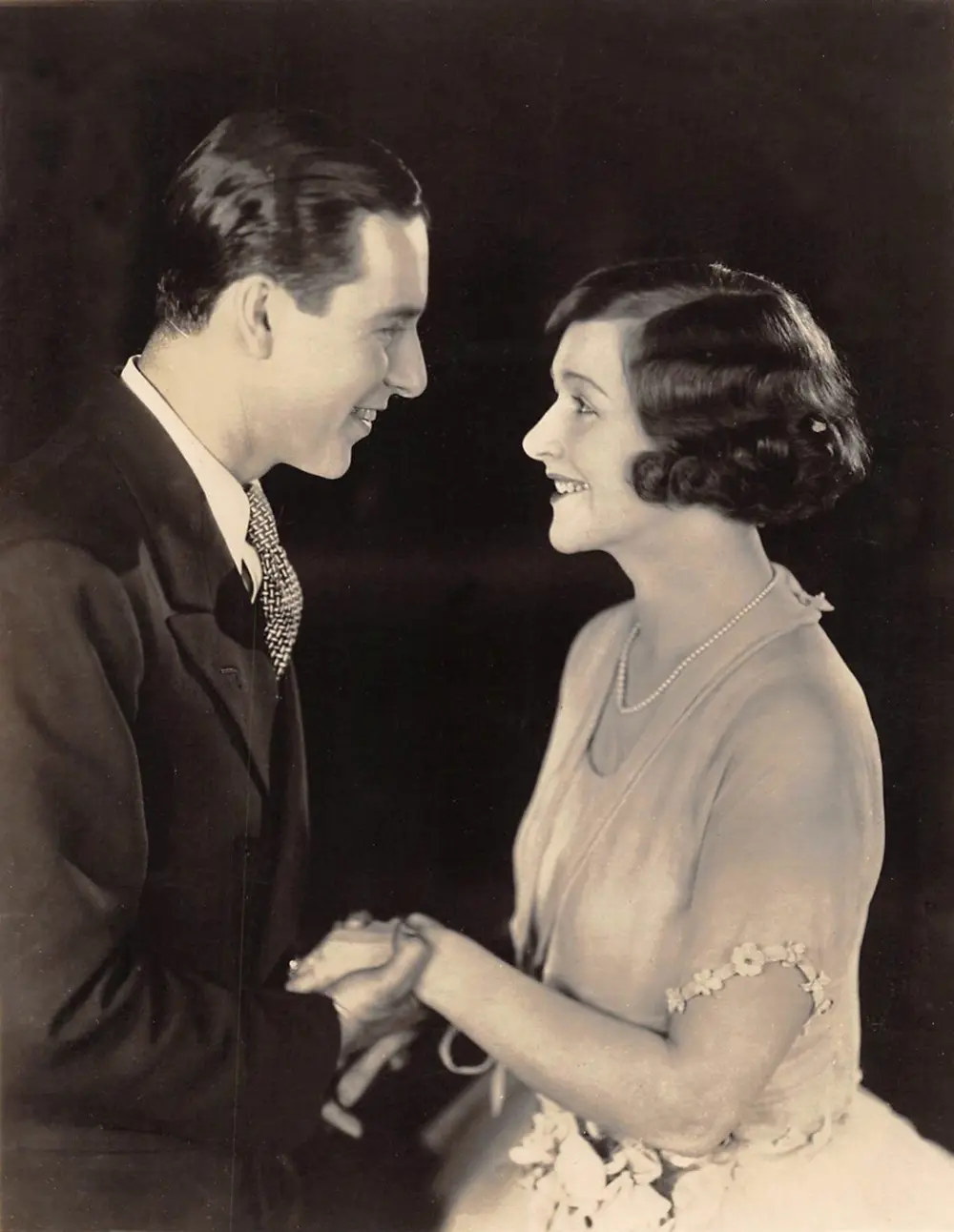
Ben Lyon, as the American boy, embodies a youthful earnestness that provides a necessary counterpoint to the rigid world around him. His performance, while perhaps less outwardly dramatic than Mara's, effectively communicates his character's devotion and bewilderment at the obstacles placed before his love. There’s a palpable innocence to his portrayal that makes his character’s commitment feel genuine, even if his agency in overcoming the conflict sometimes feels passive.
The supporting cast, featuring stalwarts like Arthur Kraußneck and Arnold Korff (likely portraying the disapproving father), anchor the film in a believable social structure. Kraußneck, known for his stern authority, would naturally lend gravitas to a paternalistic figure. Their performances, though often broad by today's standards, are perfectly calibrated for the silent screen, using exaggerated expressions and gestures to ensure the audience grasped every nuance of their characters' intentions.
Mara carries the film. Her silent anguish and understated defiance are the most compelling elements, pulling the audience into her struggle with a visceral honesty that transcends the lack of dialogue. It’s a masterclass in silent screen emoting.
While specific directorial credits for such early films can sometimes be elusive, the visual language of Dancing Vienna speaks volumes about the cinematic trends of its era. The filmmakers, working with writers Fanny Carlsen and Willy Haas, effectively utilize the visual medium to establish both the glitz of the cabaret and the stark contrast of the more traditional, bourgeois world. The cinematography, while not groundbreaking, is competent and serves the narrative well, employing standard techniques of the time.
Expect a visual style that prioritizes clarity and emotional impact over experimental flair. Close-ups are used strategically to emphasize an actor's facial expressions, drawing the viewer into their emotional state. Wider shots establish the setting, whether it's the bustling energy of a cabaret stage or the more austere interiors of the father's home, visually reinforcing the class divide.
The pacing, a common characteristic of silent films, is deliberate. Scenes are often held longer than they would be today, allowing the audience to absorb the visual information and the actors' performances. This can be a challenge for contemporary viewers accustomed to rapid-fire editing, but it also allows for a certain contemplative quality, forcing engagement with the images rather than just the plot points. For example, a scene depicting the father’s initial refusal might linger on his unyielding posture and Mara's shrinking figure, emphasizing the emotional weight of the confrontation.
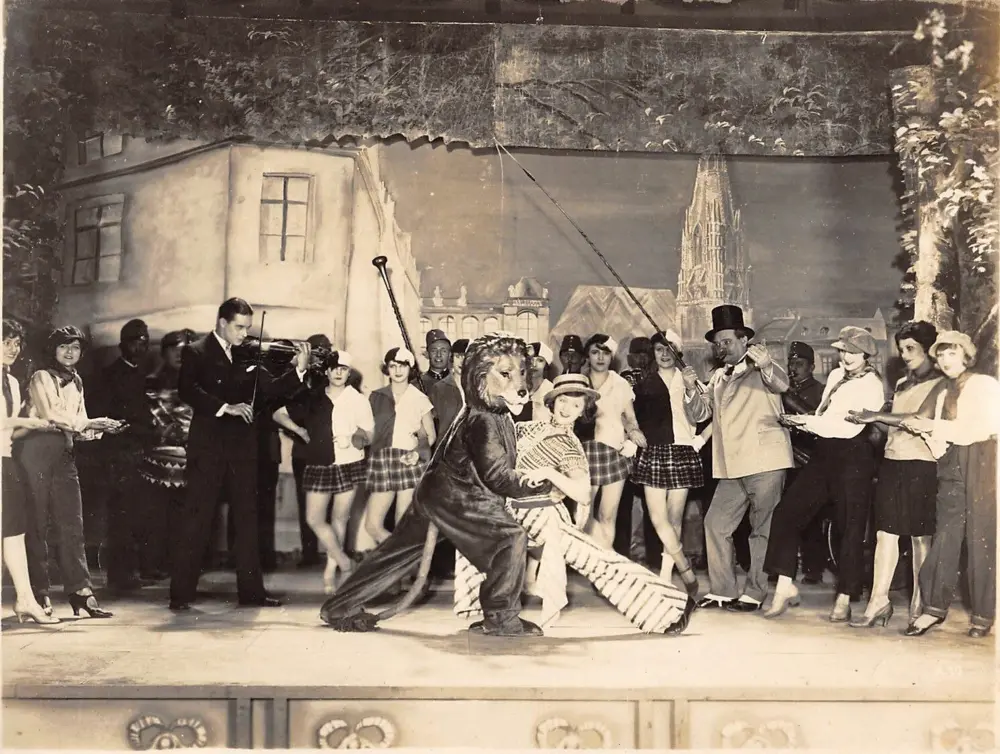
The tone of the film is undeniably melodramatic, a staple of silent romances. Every emotion is heightened, every conflict pronounced. This isn't a flaw but a stylistic choice reflective of the period. The costumes and set designs are crucial in painting the picture of Weimar Germany, from the dazzling, if slightly risqué, attire of the cabaret performers to the more conservative, tailored suits of the upper class. These details are not mere background but active participants in the storytelling, visually communicating character and social standing.
My unconventional observation: the film, through its visual starkness and the silent suffering of its protagonist, inadvertently becomes a subtle critique of the very romantic idealism it purports to celebrate. The 'happy ending,' if it arrives, often feels hard-won and perhaps slightly compromised by the sheer effort required to achieve it.
Yes, Dancing Vienna is worth watching for specific audiences. It provides a valuable historical document of early 20th-century German cinema. It showcases the acting styles prevalent in the silent era. It explores themes of class and societal judgment that remain relevant, even if presented through a period lens. If you have an interest in film history or the cultural dynamics of the 1920s, this film offers genuine insight. It works. But it’s flawed. It demands patience. It rewards curiosity.
Dancing Vienna is more than just a relic; it’s a window into a specific cultural moment and a testament to the enduring power of silent storytelling. While it won't appeal to everyone, its strengths—particularly the nuanced performances and the authentic period detail—make it a worthwhile watch for those willing to engage with its unique rhythm. It’s a film that asks for your patience but offers a genuine, if somewhat melancholic, reward in return. It stands as a reminder that even simple stories, when told with conviction and visual flair, can resonate across decades. For those who appreciate the historical significance and the artistry of early cinema, it's a silent romance that, despite its age, still has something to say about love, class, and the fight for acceptance.
IMDb 6.2
1927
Community
Log in to comment.