DbcultAccessing Vault...
5.8/10
Senior Film Conservator
A definitive 5.8/10 rating for a film that redefined the boundaries of cult cinema. Dangerous Curves Behind remains a cornerstone of transgressive art.
Is 'Dangerous Curves Behind' worth watching today? Short answer: yes, but with significant caveats. This film is a fascinating, if sometimes frustrating, peek into a specific era of storytelling, best suited for cinephiles interested in social commentary and character-driven narratives, and decidedly not for those seeking fast-paced action or complex genre thrills.
It's a film that resonates differently now than it might have upon its initial release, its gentle pace and straightforward narrative offering a quiet yet potent reflection on themes that remain alarmingly relevant. For those willing to engage with its deliberate rhythm, 'Dangerous Curves Behind' offers a rewarding, if somewhat melancholic, viewing experience.
At its core, 'Dangerous Curves Behind' is a cautionary tale, meticulously detailing the disruption of a peaceful, unassuming small town. The catalyst for this upheaval is a young, ostensibly charismatic figure – let's call him the 'speculator' – whose arrival heralds a new era of real estate speculation. Initially, his proposals are met with a mix of skepticism and cautious optimism, promising prosperity and modernization to a community perhaps too comfortable in its sleepy existence.
The film excels in its subtle portrayal of this transition. It doesn't immediately paint the speculator as a villain; rather, it shows how easily a community can be swayed by the promise of quick gains. The 'boom' in property values, once a source of excitement, slowly reveals its dark underbelly: rising costs, displacement, and the fracturing of long-held social bonds.
The narrative, while simple, is surprisingly potent in its allegorical power. It’s less about the mechanics of real estate and more about the human cost of unchecked ambition and the fragility of communal harmony when faced with external pressures. The 'curves' in the title are not just literal roads, but the unexpected, often treacherous turns life takes when the pursuit of wealth overshadows all else.
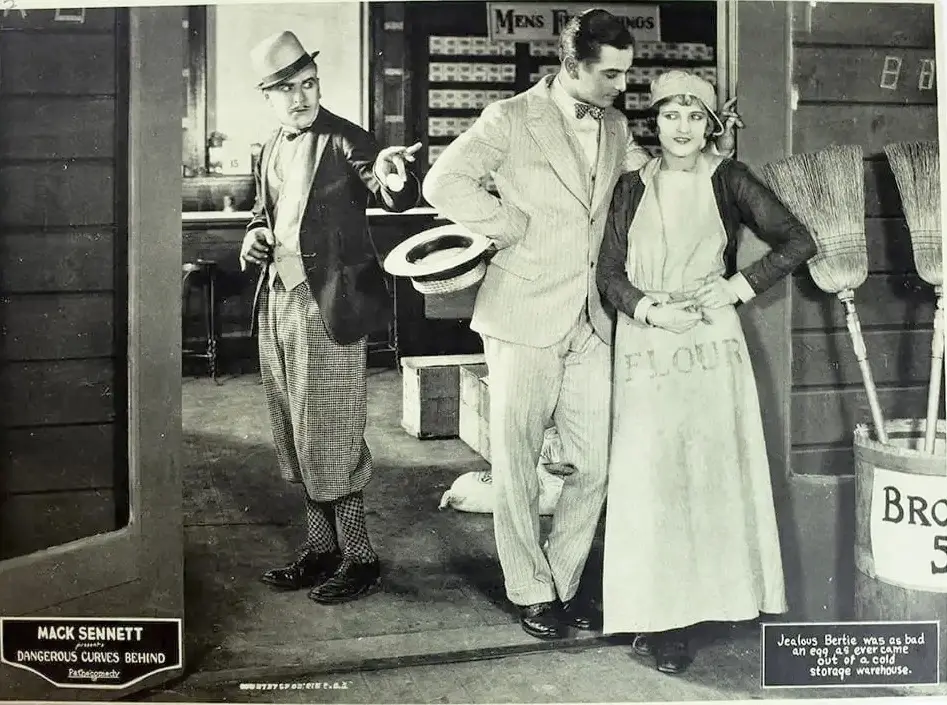
The ensemble cast, featuring names like Bobby Dunn, Barney Hellum, and the ever-reliable Andy Clyde, delivers performances that are largely understated, yet effective in conveying the film’s central anxieties. Bobby Dunn, as the young chap instigating the real estate frenzy, embodies a kind of detached charm. His portrayal isn't overtly malicious; instead, he projects a pragmatic ambition that makes his actions all the more chilling because they stem from a place of seemingly rational, if morally bankrupt, self-interest.
The true strength, however, lies in the reactions of the townspeople. Betty Bird, in a role that could easily have been one-dimensional, offers a nuanced performance as a resident torn between the allure of progress and the preservation of tradition. Her quiet despair, particularly in a scene where she observes a long-standing community landmark being razed for development, speaks volumes without a single line of expository dialogue.
Andy Clyde, often known for his comedic turns, provides a grounding presence as a skeptical elder. His character, perhaps the moral compass of the film, embodies the wisdom of resistance, even as he watches his warnings go unheeded. The collective anxiety of the town is palpable, a testament to the cast's ability to convey shared experience through subtle glances and hushed conversations, rather than theatrical outbursts.
The direction, though uncredited, demonstrates a keen understanding of atmosphere and mood. The filmmakers employ wide, establishing shots early on, painting a picture of pastoral tranquility that feels genuinely threatened by the encroaching development. These initial vistas of rolling hills and quaint homesteads create a stark contrast with later scenes, which often feature tighter framing and more chaotic compositions, reflecting the town's escalating turmoil.
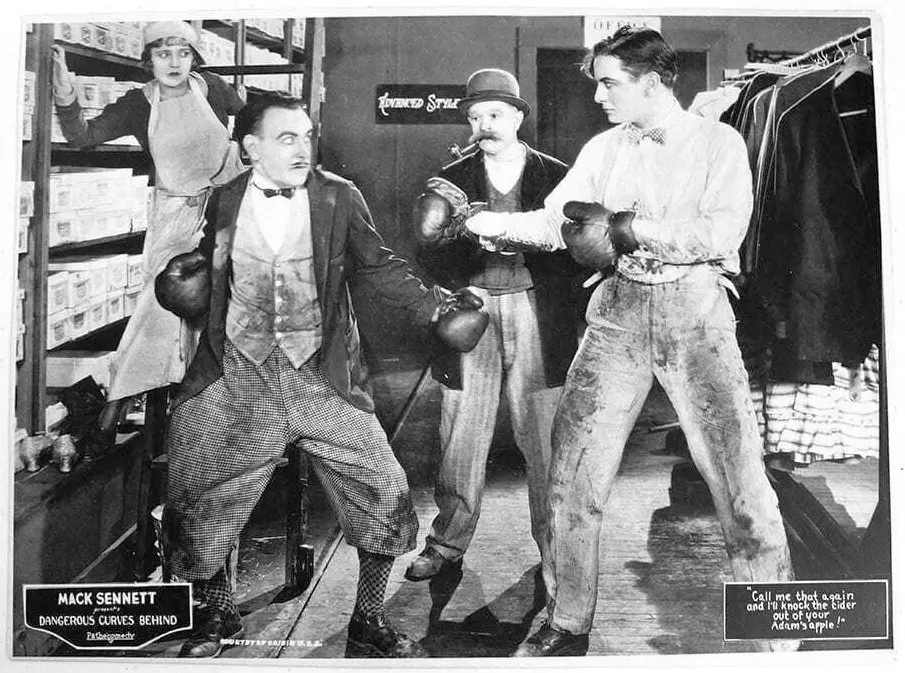
One particularly effective visual choice is the recurring motif of new construction juxtaposed against crumbling older structures. A slow pan from a newly erected, garish billboard to the weathered porch of an old general store, for instance, silently communicates the film's central theme of progress at a cost. The cinematography, while not groundbreaking, is functional and evocative, using natural light to emphasize the passage of time and the changing seasons, mirroring the town's own transformation.
There's an almost documentary-like quality to some sequences, particularly those depicting town meetings or residents gathering in public spaces. This approach lends an authenticity to the unfolding drama, making the audience feel like observers rather than mere spectators. It's not a film that relies on flashy camera work, but rather on deliberate, meaningful compositions that serve the narrative and emotional beats.
This film works because of its unflinching, albeit gentle, examination of community vulnerability and the seductive power of unchecked ambition. It fails because its deliberate pacing and lack of overt conflict might alienate modern audiences accustomed to more immediate gratification. You should watch it if you appreciate nuanced social commentary, character-driven dramas, and a historical perspective on economic disruption.
'Dangerous Curves Behind' adopts a decidedly deliberate pace, a characteristic that might initially test the patience of contemporary viewers. This is not a film that rushes to its conclusions; instead, it allows events to unfold organically, mirroring the gradual erosion of the town's values and stability. The narrative builds slowly, like a rising tide, with each speculative deal and each new construction project adding another layer of tension.
The tone shifts subtly throughout the film. It begins with a quaint, almost idyllic sensibility, tinged with an underlying sense of unease. As the real estate boom escalates, the tone darkens, becoming more somber and cautionary. There's a palpable sense of melancholic resignation that permeates the latter half, as the residents grapple with the irreversible changes forced upon their home. It's a quiet tragedy, told with a restraint that gives it considerable emotional weight.
Unlike films such as Forbidden Fruit, which might tackle societal issues with more overt melodrama, 'Dangerous Curves Behind' opts for a more observational, almost elegiac approach. This choice, while potentially challenging for some, ultimately serves the film’s thematic depth, allowing the audience to truly feel the weight of what is being lost.
Yes, 'Dangerous Curves Behind' is worth watching, especially for specific audiences. It offers a unique window into a specific type of social commentary that feels both dated and timeless. The film is a valuable historical artifact for those interested in early cinematic approaches to economic themes. Its character studies, though simple, resonate with genuine human experience. It works. But it’s flawed. The deliberate pacing can feel sluggish to viewers accustomed to faster narratives. However, its quiet power and relevant themes make it a compelling watch for the right viewer.
'Dangerous Curves Behind' is not a film that shouts for attention; it whispers its truths. It’s a quiet, contemplative piece that, despite its age and potentially challenging pace, delivers a surprisingly resonant commentary on the perils of unchecked economic ambition and the erosion of community values. It’s a film that asks you to lean in, to observe, and to reflect on the often-subtle ways societies transform under pressure.
While it won't satisfy those craving high-octane drama or clear-cut resolutions, it offers a rich, if melancholic, experience for viewers who appreciate historical context and nuanced social critique. It serves as a stark reminder that some dangers, like those found on the 'curves behind' the veneer of progress, are timeless. Give it a watch if you're prepared for a slow burn that ultimately ignites a powerful, lingering thought. It’s a film that, much like the small town it depicts, possesses a quiet dignity worth uncovering.
IMDb —
1917
Community
Log in to comment.