DbcultAccessing Vault...
Cult Review
Senior Film Conservator
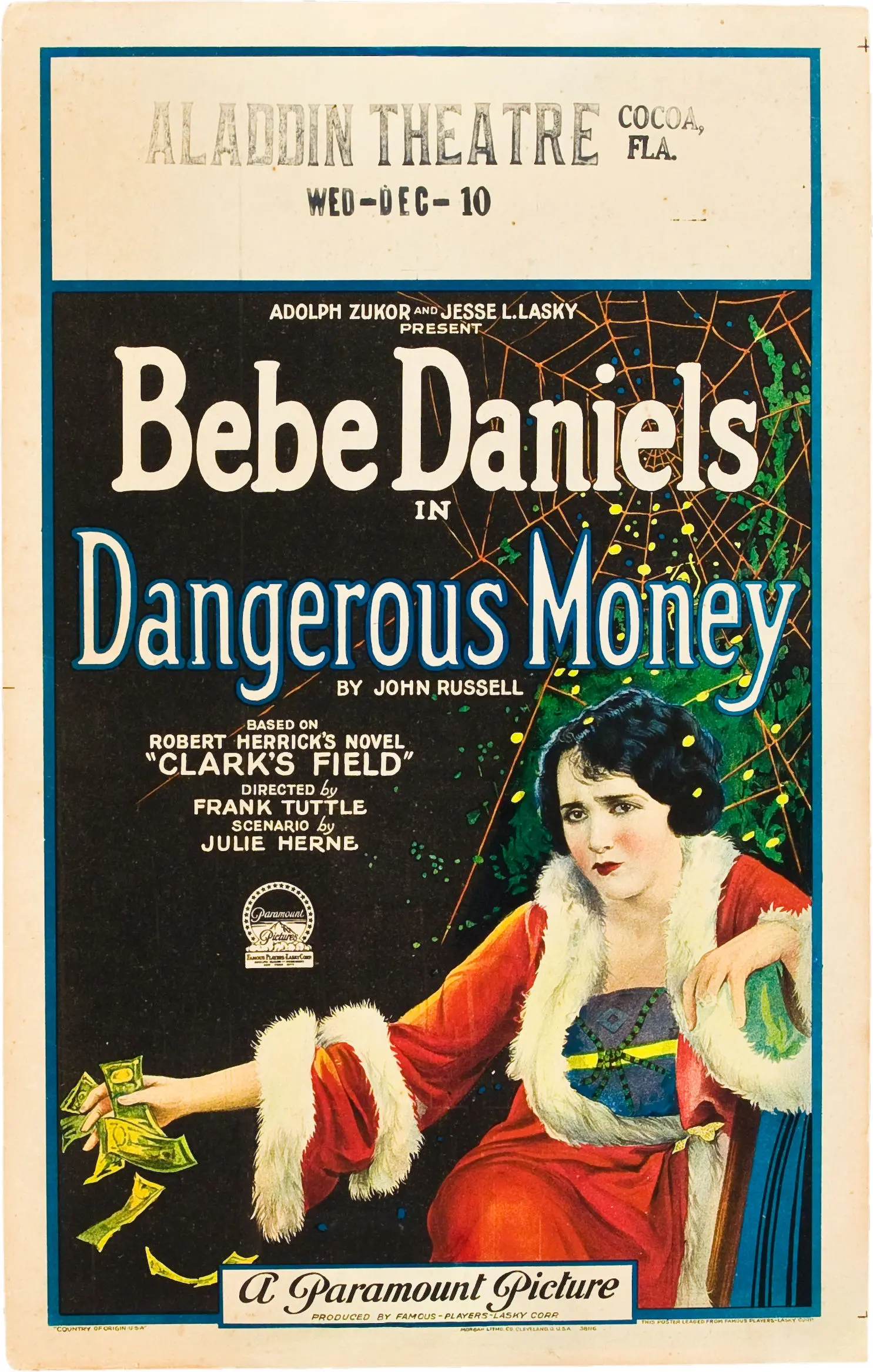
Stepping back into the cinematic tapestry of 1924, one encounters a fascinating artifact of its era, Dangerous Money, a film that, even a century later, retains a compelling resonance. This silent drama, featuring the luminous Bebe Daniels and the ever-charismatic William Powell, delves into themes that remain evergreen: the corrupting influence of sudden wealth, the seductive pull of social climbing, and the enduring power of genuine affection against the backdrop of material temptation. It’s a story not merely of plot points, but of psychological transformation, a character study cloaked in the melodrama typical of the period, yet delivered with a surprising depth that transcends its simple premise.
At its heart, Dangerous Money charts the meteoric, and ultimately cautionary, trajectory of Adele Clark, portrayed with nuanced intensity by Bebe Daniels. We first meet Adele as a modest boardinghouse servant, her life a predictable cycle of domesticity and quiet aspiration. The unexpected inheritance of Clark's Field, a valuable piece of New York City property, acts as the catalyst, shattering the mundane and catapulting her into an unfamiliar world of privilege. This sudden shift is not merely a change in circumstance; it’s an existential upheaval, an invitation to shed her former identity for one infinitely more glamorous, yet fraught with peril. Daniels expertly conveys Adele's initial bewildered delight, a wide-eyed innocence that slowly erodes under the relentless pressure of her newfound status.
The film then introduces Signorina Vitale, the headmistress of the finishing school to which Adele is dispatched. Dolores Cassinelli, in this pivotal role, embodies a sophisticated, almost predatory charm. Vitale is no mere educator; she is a social architect, a siren who discerns Adele's raw potential and, perhaps, her susceptibility. It is Vitale who plants the seed of European travel, an idea that seems innocuous enough but serves as the gateway to Adele's moral descent. This manipulation, subtle yet potent, is one of the film's more intriguing elements, illustrating how external forces can subtly steer an impressionable individual toward unforeseen consequences. It’s a classic narrative device, seen in countless tales of innocence lost, and here it’s executed with a quiet menace that speaks volumes without a single spoken word.
Europe, as depicted in Dangerous Money, is less a continent and more a state of mind—a glittering, decadent playground where inhibitions are shed and extravagance reigns supreme. Adele, initially accompanied by her devoted sweetheart, Tim Sullivan (Tom Moore), is quickly drawn into a 'fast set,' a vibrant, hedonistic circle emblematic of the Jazz Age's excesses. The film paints this world with broad strokes, showcasing lavish parties, fashionable attire, and a general air of moral laxity that stands in stark contrast to Adele's humble beginnings. The visual storytelling, through costume design and set pieces, effectively conveys this shift in atmosphere, immersing the audience in Adele's increasingly opulent, yet hollow, existence.
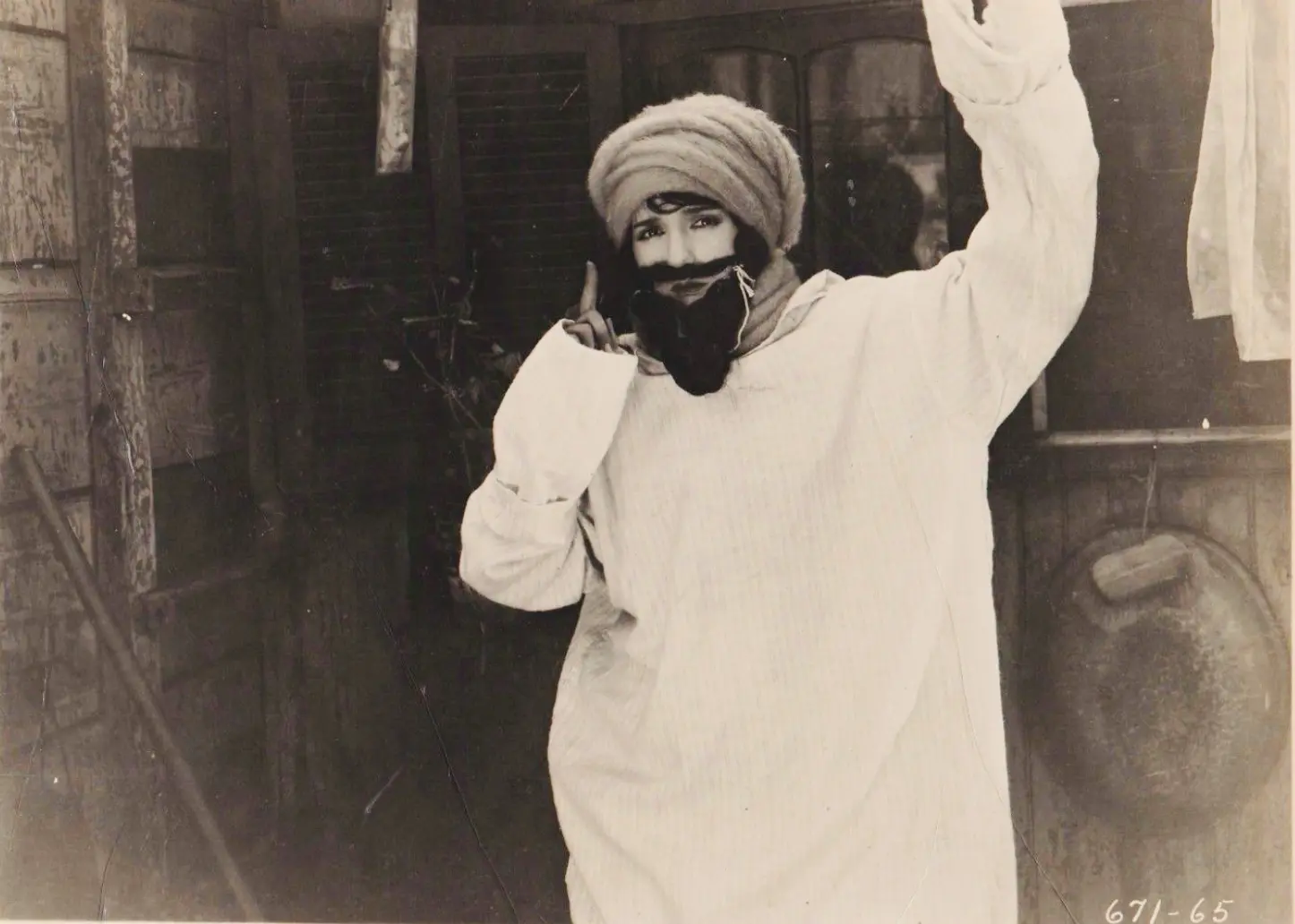
Tim Sullivan, however, remains an anchor, a testament to the virtues Adele is rapidly abandoning. Tom Moore portrays Tim with a quiet dignity, his love for Adele unwavering, yet his inability to curb her burgeoning extravagance highlights the growing chasm between them. His eventual return to America, a somber retreat from a world that no longer recognizes him or his values, is a poignant moment. It underscores the idea that while money can buy entry into new social strata, it cannot necessarily buy happiness or alter one's fundamental character. This dichotomy between Tim's steadfastness and Adele's burgeoning hedonism provides much of the film's dramatic tension, echoing similar narratives of class and love found in films like Racing Hearts, where societal expectations often clash with personal desires.
Adele's immersion in this superficial world culminates in her marriage to Prince Arnolfo Da Pescia, an Italian fortune-hunter skillfully played by William Powell. Powell, even in these early roles, exudes a sophisticated villainy, a charming menace that makes his character both alluring and deeply untrustworthy. Arnolfo is the epitome of the 'dangerous money' concept—a man who sees Adele not as a person, but as a means to an end, a conduit for financial gain. Their union is devoid of genuine affection, a stark illustration of how wealth can distort human relationships, reducing them to transactional arrangements. This portrayal of a calculating opportunist is remarkably effective, adding a layer of cynical realism to the melodrama.
The narrative takes a sharp turn with the discovery of a long-hidden will, a legal document that irrevocably alters the ownership of Clark's Field, designating Tim Sullivan as the rightful heir. This plot twist is a classic device, a sudden reversal of fortune that injects renewed urgency and moral stakes into the story. It forces Adele and Arnolfo to confront the true source of their wealth and the implications of its misappropriation. The frantic rush back to New York is not just a geographical journey; it is a desperate scramble to preserve their ill-gotten gains, a testament to the grip that money has taken on their souls.
The climax of Dangerous Money is a masterclass in silent film suspense. Arnolfo, desperate to secure his financial future, attempts to steal the incriminating will. This act of desperation unfolds against the backdrop of a hotel fire, a chaotic and destructive force that serves as a powerful metaphor for the moral conflagration consuming Adele's world. Arnolfo's demise in the inferno is a dramatic, almost poetic, end for a character defined by his greed. It’s a moment of swift, karmic justice, clearing the path for Adele's eventual redemption.
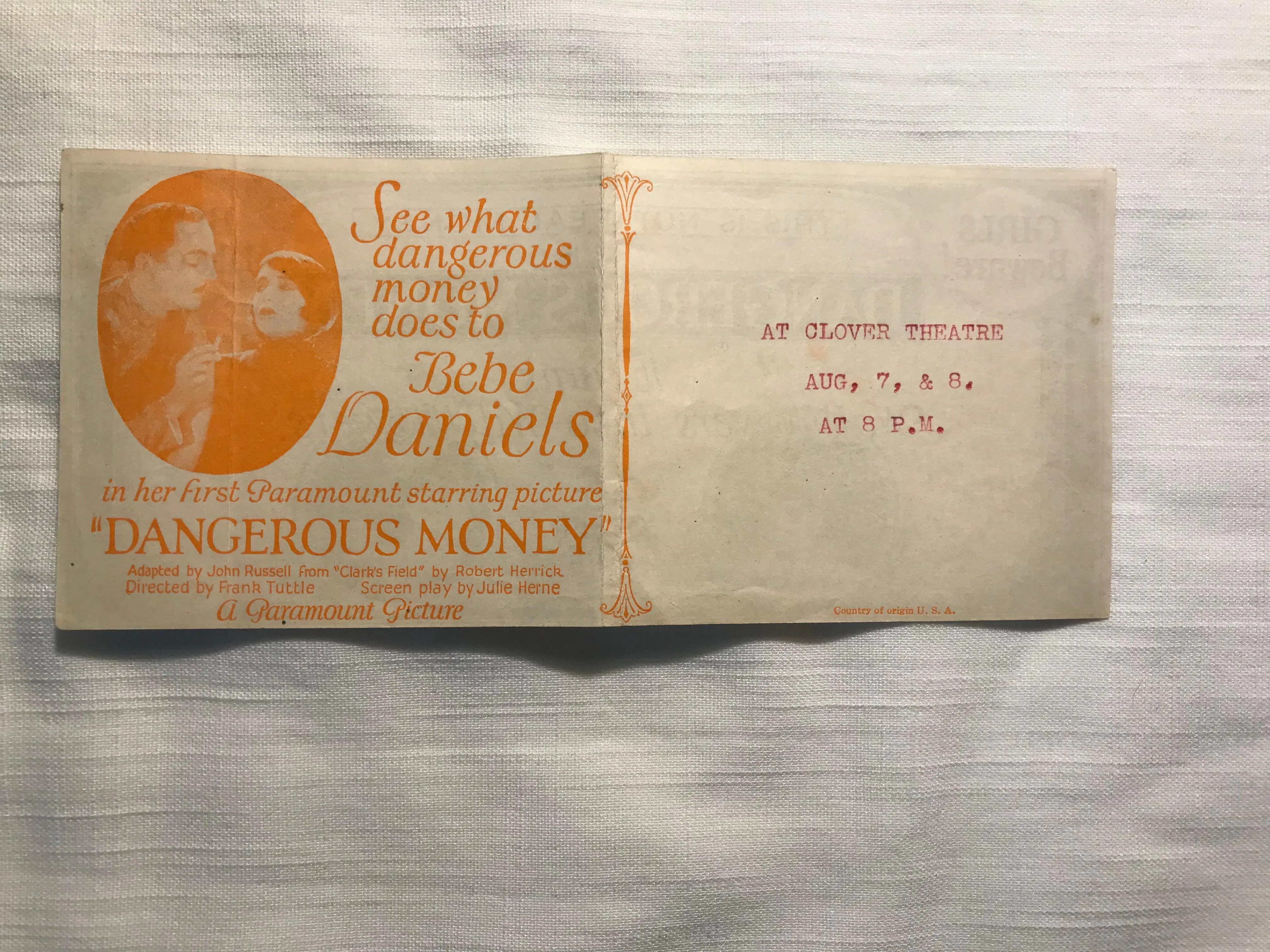
The resolution of the land dispute, simplified by Arnolfo's death, allows the film to pivot toward its emotional core: the reunion of Tim and Adele. This is where Bebe Daniels truly shines, portraying a chastened Adele, stripped of her superficial trappings and finally ready to embrace the genuine love she once spurned. Her journey from naive servant to jaded socialite and finally to a woman humbled by experience is a compelling arc, resonating with themes explored in films like Outcast or Not Guilty, where characters must navigate societal judgment and personal failings to find their way back to grace. The final scene, with Tim and Adele united, is not merely a happy ending; it’s a profound statement on the enduring value of character over currency, a quiet triumph of love and integrity against the corrosive power of wealth.
The performances in Dangerous Money are uniformly strong, a testament to the skilled ensemble assembled by writers Julie Herne, Robert Herrick, and John Russell. Bebe Daniels, as Adele, carries the emotional weight of the film with remarkable grace. Her expressive face and nuanced gestures convey a complex range of emotions, from wide-eyed wonder to world-weary cynicism, and finally, to contrite humility. She makes Adele's transformation believable, even sympathetic, despite her questionable choices. It’s a performance that solidifies her status as a leading lady of the silent era, capable of both lighthearted charm and profound dramatic depth. Her ability to convey internal conflict without dialogue is particularly commendable, a skill that defines the best actors of this period.
William Powell, even in this relatively early stage of his career, signals the sophisticated screen presence that would define his later work. His Arnolfo is not a mustache-twirling villain, but a cunning opportunist, whose charm makes his deceit all the more insidious. His interactions with Daniels crackle with a subtle tension, hinting at the transactional nature of their relationship. Tom Moore, as the steadfast Tim, provides the moral compass of the film, his quiet strength a foil to the dazzling but ultimately destructive forces surrounding Adele. The supporting cast, including Mary Foy, Edward O'Connor, and Charles Slattery, contribute solid performances that flesh out the world of the film, adding authenticity to both the humble boardinghouse and the glittering European salons.
Beyond its engaging plot and strong performances, Dangerous Money serves as a fascinating cultural document. Released during the roaring twenties, a period of unprecedented economic boom and social change, the film taps into contemporary anxieties about newfound wealth, the erosion of traditional values, and the allure of foreign sophistication. It subtly critiques the superficiality of the 'fast life' while ultimately championing enduring virtues like loyalty and genuine love. This makes it a valuable companion piece to other films of the era that grappled with similar themes, such as The Crimson Gardenia or Polly Ann, both of which explored the challenges faced by women navigating complex social landscapes and moral choices.
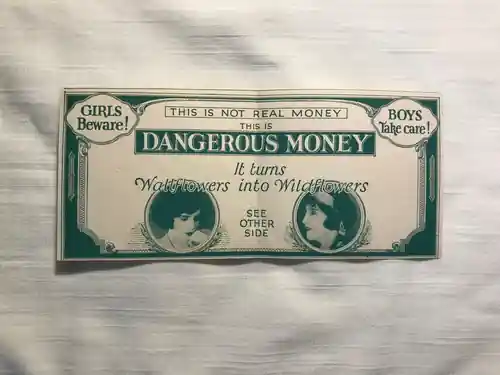
The craftsmanship of the film, from its direction to its cinematography, is commendable for the period. While some elements might appear melodramatic by modern standards, they were conventions of the time, skillfully employed to evoke strong emotional responses from the audience. The use of intertitles, far from being a mere necessity, becomes an art form in itself, conveying not just dialogue but also character thoughts and narrative exposition with poetic flair. It’s a reminder of the ingenuity required to tell stories effectively without the benefit of synchronized sound.
Dangerous Money is more than just a period piece; it’s a timeless exploration of human nature. It asks profound questions about the true cost of ambition, the definition of happiness, and the enduring power of love. Adele's journey is a microcosm of a universal struggle—the temptation to sacrifice authentic connection for material gain, and the eventual realization that true fulfillment lies in something far more intangible than wealth. For anyone interested in the social commentary woven into early cinema, or simply a compelling human drama, this film offers a rich and rewarding experience. It reminds us that while the trappings of wealth may change, the fundamental dilemmas of the human heart remain remarkably consistent across the ages, making it a film that continues to speak volumes, even in silence.
The film’s power lies not just in its dramatic arc, but in its ability to mirror societal anxieties that persist even today. The allure of instant wealth, the siren call of a luxurious lifestyle, and the moral compromises often made in pursuit of such fortunes are themes that resonate strongly regardless of the specific historical context. Adele's initial innocence and subsequent corruption serve as a potent allegory for the dangers of losing oneself in the pursuit of superficiality. The contrast between the grounded reality of her original life and the dizzying, often disorienting, world of the European 'fast set' is masterfully depicted, showcasing the profound impact of environment on character. It’s a narrative that feels both historically specific and universally applicable, a testament to the insightful storytelling of its creators.
In conclusion, Dangerous Money stands as a compelling example of silent era filmmaking, offering both entertainment and food for thought. Its exploration of moral choices, the corrupting influence of money, and the ultimate triumph of genuine human connection ensures its place as a significant work that continues to captivate and provoke reflection. It’s a cinematic journey well worth taking, a vivid reminder of the artistry and thematic depth that defined the early days of motion pictures.

IMDb —
1927
Community
Log in to comment.